

Acting
Eugenio Kusnet
Born — Died
1898-12-29 — 1975-08-29
Place of birth
Kherson, Kherson Governorate, Russian Empire [now Ukraine]
Known for
Acting
Credits
14 titles
Eugene Shamansky Kuznetsov, Cyrillic: Евгений Шаманский-Кузнецов) (Kherson Oblast, Russian Empire, December 29, 1898 — São Paulo, August 29, 1975), better known as Eugene Kusnet, was an actor, Russian theater director and teacher based in Brazil, considered the promoter of the Stanislavski method in the country and the most prominent actor to use this method on Brazilian stages.
Known for
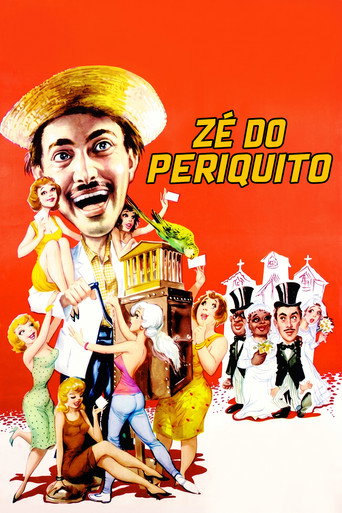 6.6
Zenó (Mazzaropi) is a poor gardener of a traditional school in São Paulo who falls in love with one of the local girls, much richer and younger than him. Willing to conquer her, he decides to get rich, getting involved in the most varied and funny situations.
Zé do Periquito
1961
 6.5
Based on true events, the film tells the story of Brazilian outlaw Promessinha, one of the most famous and feared criminals of his time, depicting his crimes and cruelty, until his death confronting the police.
Cidade Ameaçada
1960
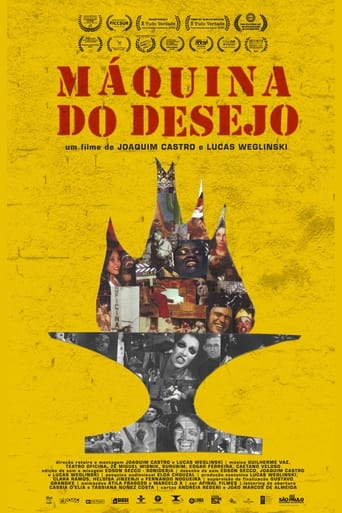 5.0
In six decades, Teatro Oficina has done more than revolutionize theatrical language in the country: the aesthetic influence of José Celso Martinez Corrêa's company extends from Tropicalism to the renewal of Brazilian audiovisual languages from the 1960s onwards. The film revisits a story that it involves personalities such as Caetano Veloso, Glauber Rocha, Lina Bo Bardi, Chico Buarque and Zé do Caixão, brings together scenic art, ecology, architecture and sexuality, and mixes art and life in the search for a Brazilian based language.
Desire Machine: 60 Years of Teatro Oficina
2021
 5.0
Competing for the concession of a TV channel, one of the contenders throws an orgy to defeat the other candidate.
Gente Que Transa
1974
 8.3
Paranoia, guilt, misery, and technology in the developing country. A fragmented narrative, distorted frames, shouts, and noises. The Nazis take over São Paulo: prison and torture of revolutionaries, a samurai lost in chaos, locked lovers, a dictator and his bunch. Considered one of the most influential films of the marginal period.
Hitler in the Third World
1968
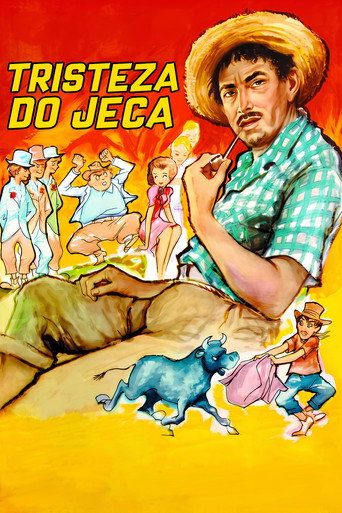 5.9
Simple and popular hillbilly Jeca is forced to get involved in politics, when the leaders of the region, competing to be elected mayor of the town, try to get his support.
Tristeza do Jeca
1961
Film credits
1970s · 1 titles
1960s · 7 titles
6.6Zenó (Mazzaropi) is a poor gardener of a traditional school in São Paulo who falls in love with one of the local girls, much richer and younger than him. Willing to conquer her, he decides to get rich, getting involved in the most varied and funny situations.
Zé do Periquito
1961
6.5Based on true events, the film tells the story of Brazilian outlaw Promessinha, one of the most famous and feared criminals of his time, depicting his crimes and cruelty, until his death confronting the police.
Cidade Ameaçada
1960
8.3Paranoia, guilt, misery, and technology in the developing country. A fragmented narrative, distorted frames, shouts, and noises. The Nazis take over São Paulo: prison and torture of revolutionaries, a samurai lost in chaos, locked lovers, a dictator and his bunch. Considered one of the most influential films of the marginal period.
Hitler in the Third World
1968
5.9Simple and popular hillbilly Jeca is forced to get involved in politics, when the leaders of the region, competing to be elected mayor of the town, try to get his support.
Tristeza do Jeca
1961
 5.8
In a fictitious country, a civil servant receives the greatest inheritance in history (ten trillion dollars) and is confined by authorities to prevent a collapse of the world economy. But he manages to escape.
The Man Who Bought the World
1968
 7.0
Eleven small stories, loving chronicles about Rio de Janeiro and its people, written by some of the best Brazilian writers of the time.
Crônica da Cidade Amada
1965
A man, arrested and tortured physically and psychologically because of a confession he refuses to give, reverses the situation of victim and desperately tries to liquidate the gang that imprisoned him.
The Defeat
1967
1950s · 5 titles
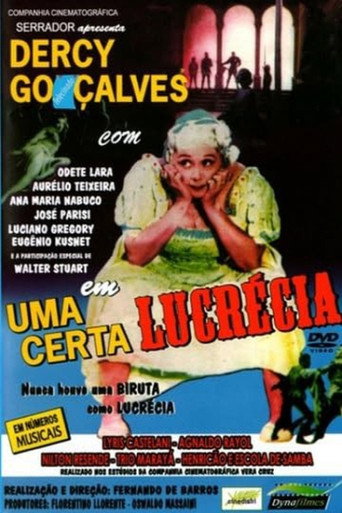 8.0
No synopsis available yet.
Uma Certa Lucrécia
1957
 6.0
A family moves to a farm and witnesses some cattle thefts, then being chased by the criminal responsible for the crimes.
Cara de Fogo
1958
 8.0
Two truck drivers work on Brazilian roads.
A Estrada
1955
 8.0
No synopsis available yet.
I Married a Xavante
1958
 5.0
In 19th century Brazil, young people in the State of São Paulo fight against black slavery and the farmers who support it. Against this backdrop, Sinhá Moça falls in love with a young lawyer, and they get involved in a great love story.
The Landowner's Daughter
1953