
Writing
Rabindranath Tagore
Born 1861-05-07 · Calcutta, British India
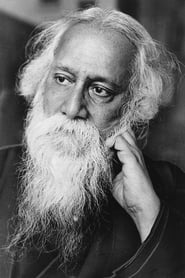
Rabindranath Tagore was a Bengali polymath — poet, writer, playwright, composer, philosopher, social reformer, and painter. He reshaped Bengali literature and music as well as Indian art in the late 19th and early 20th centuries. Author of the Gitanjali (Song Offerings), he became in 1913 the first non-European to win the Nobel Prize in Literature. Tagore's poetic songs were viewed as spiritual and mercurial; however, his "elegant prose and magical poetry" remain largely unknown outside Bengal. He is sometimes referred to as "the Bard of Bengal". Tagore wrote poetry as an eight-year-old. At the age of sixteen, he released his first substantial poems under the pseudonym Bhānusiṃha ("Sun Lion"). By 1877 he graduated to his first short stories and dramas, published under his real name. As a humanist, universalist, internationalist, and ardent anti-nationalist, he denounced the British Raj and advocated independence from Britain. As an exponent of the Bengal Renaissance, he advanced a vast canon that comprised paintings, sketches and doodles, hundreds of texts, and some two thousand songs; his legacy also endures in the institution he founded, Visva-Bharati University. Tagore modernised Bengali art by spurning rigid classical forms and resisting linguistic strictures. His novels, stories, songs, dance-dramas, and essays spoke to topics political and personal. Gitanjali (Song Offerings), Gora (Fair-Faced) and Ghare-Baire (The Home and the World) are his best-known works, and his verse, short stories, and novels were acclaimed—or panned—for their lyricism, colloquialism, naturalism, and unnatural contemplation. His compositions were chosen by two nations as national anthems: India's "Jana Gana Mana" and Bangladesh's "Amar Shonar Bangla". The Sri Lankan national anthem was inspired by his work. Description above is from the Wikipedia article Rabindranath Tagore, licensed under CC-BY-SA, full list of contributors on Wikipedia.
Acting credits
 7.0
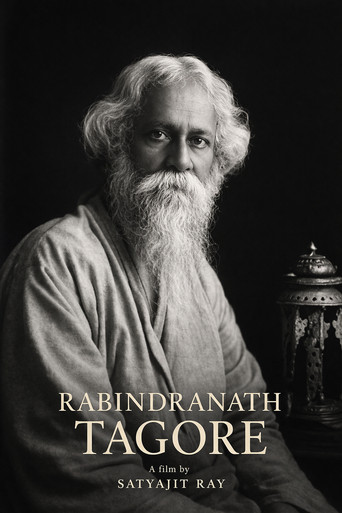
7.0Docudrama about the life of Rabindranath Tagore, Indian polymath—poet, writer, playwright, composer, philosopher, social reformer and painter, who reshaped Bengali literature and music as well as Indian art, becoming in 1913 the first non-European and the first lyricist to win the Nobel Prize in Literature. The film was released during Tagore's birth centenary year.
Rabindranath Tagore
1961
 7.0
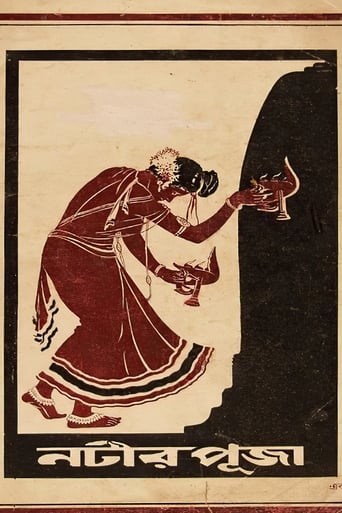
7.0A simple recording of Tagore's 1926 dance drama on Buddhist legend.
Natir Puja
1932
Behind the camera
 NR
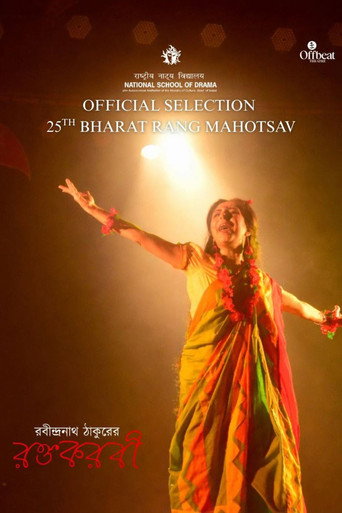
NRThe play Raktakarabi, known in English as Red Oleanders by Rabindranath Tagore, is set in the fictional kingdom of Yakshapuri, where inhabitants toil as slaves in gold mines under the rule of an unseen king who remains concealed behind a screen in his palace.
Raktakarabi
2025
7.0A simple recording of Tagore's 1926 dance drama on Buddhist legend.
Natir Puja
1932
7.0A simple recording of Tagore's 1926 dance drama on Buddhist legend.
Natir Puja
1932
 8.5
8.5Indranath is a leader of a group which is fighting for Indian independence. Ela is the teacher of the group. Ela is caught in a dilemma between her love for Atindra and her commitment towards her country.
Elar Char Adhyay
2012
 NR
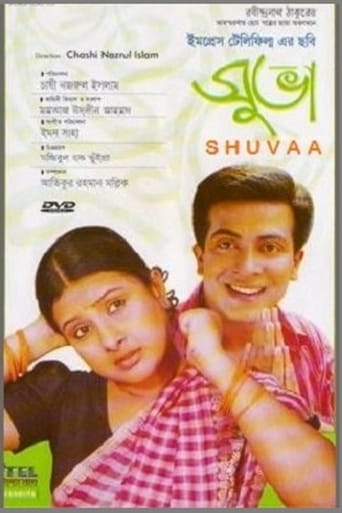
NRShuvaa was named as Shuvashini (one who has melodious voice) but she grows as deaf and dumb. Her father married off her two elder sister Suhashini and Sukeshini with grant ceremony. Now its Shuvaa's turn. Shuvaa and Protap from the same village love and understand each other. Protap asked her father to marry her and her father comes to Protap's parents with marriage proposal. Govinda Goswami refuses the proposal and insults him. Being refused and insulted, Banikonto leaves the village with his daughter and wife to his eldest daughter's house to marry off Shuvaa. Soon after her marriage, her husband Nibaron learns Shuvaa's condition that brings misery for her.
Shuvaa
2006
 NR
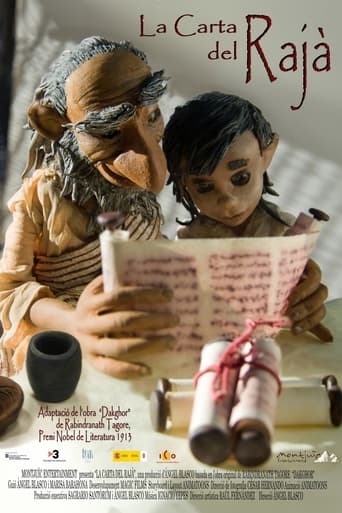
NRAmal is a seven-year-old Indian boy who is orphaned when his father dies and has to move to another part of India with his uncles. Amal integrates quickly and meets the different characters that open a new world for him. But what catches his attention the most is a post office in front of his house. His greatest hope would be to receive a letter from the Raja and become a postman, so he would travel all over India.
The Raja's Letter
2009