

Directing
Walter Heynowski
Born — Died
1927-11-20 — 2024-11-06
Place of birth
Ingolstadt, Germany
Known for
Directing
Credits
40 titles
Walter Heynowski (* November 20, 1927 in Ingolstadt ; † November 6, 2024 in Berlin) was, together with Gerhard Scheumann, one of the most well-known and important documentary and propaganda film directors of the GDR. He also worked as a lyricist, screenwriter, screenwriter, and producer on numerous films.
Known for
Two narrators read the letters of unknown people and tell about the fate of individuals, their work, love and life.
Love-Letters 66
1967
 7.0
Le Quang Vinh, a revolutionary student leader, was arrested in Saigon in August 1961. A show trial and death sentence followed. World-wide protests altered it to “life imprisonment” on Con Son, the Devil’s Island. The humiliating “Tiger-Cages” and the methods of torture are shown.
Devil's Island
1976
 7.5
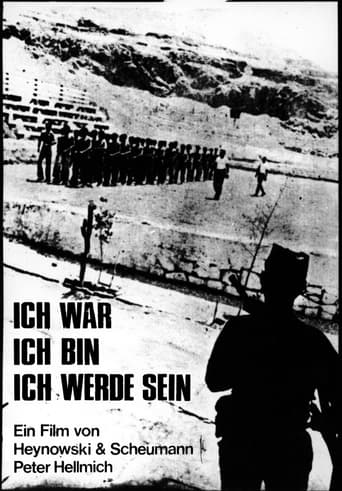
In the spring of 1974, a camera team from Studio H&S succeeded against the explicit orders of the Junta’s Chancellery, entered into two large concentration camps in the north of the country - Chacabuco and Pisagua - leaving with filmed sequences and sound recordings.
I Was, I Am, I Will Be
1974
 NR
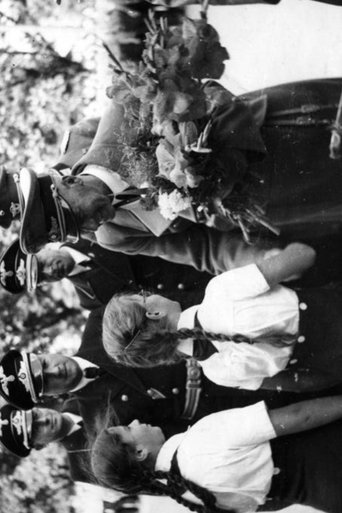
Portrait of Hans Globke, jurist at the ministry of interior during the Third Reich and co-author of an official commentary to the Nuremberg Laws of 1935, the Nazi Racial Legislation. While Adenauer appointed him Secretary of State in 1953, he was sentenced to lifelong imprisonment in absentia by a GDR court in 1963.
Globke heute
1963
Horst Rudolf Überlacker is a young lawyer at the beginning of a promising career. At the end of the Second World War he was nine years old, but his present statements can be considered "agitation threatening peace". The Spokesman of the Sudeten German Association, Dr. Becher lauds "the young political talent" who performs the generational change from old Fascists to neo-Nazis.
The Man Without a Past
1970
Archive footage of bomb detonations during the Second World War combined with abstract graphic elements which show the destructive potential of modern nuclear missiles. Together the images are a silent warning of armament and war.
Der springende Punkt
1987
Behind the camera
Two narrators read the letters of unknown people and tell about the fate of individuals, their work, love and life.
Love-Letters 66
1967
Two narrators read the letters of unknown people and tell about the fate of individuals, their work, love and life.
Love-Letters 66
1967
7.0Le Quang Vinh, a revolutionary student leader, was arrested in Saigon in August 1961. A show trial and death sentence followed. World-wide protests altered it to “life imprisonment” on Con Son, the Devil’s Island. The humiliating “Tiger-Cages” and the methods of torture are shown.
Devil's Island
1976
7.5In the spring of 1974, a camera team from Studio H&S succeeded against the explicit orders of the Junta’s Chancellery, entered into two large concentration camps in the north of the country - Chacabuco and Pisagua - leaving with filmed sequences and sound recordings.
I Was, I Am, I Will Be
1974
7.5In the spring of 1974, a camera team from Studio H&S succeeded against the explicit orders of the Junta’s Chancellery, entered into two large concentration camps in the north of the country - Chacabuco and Pisagua - leaving with filmed sequences and sound recordings.
I Was, I Am, I Will Be
1974
NRPortrait of Hans Globke, jurist at the ministry of interior during the Third Reich and co-author of an official commentary to the Nuremberg Laws of 1935, the Nazi Racial Legislation. While Adenauer appointed him Secretary of State in 1953, he was sentenced to lifelong imprisonment in absentia by a GDR court in 1963.
Globke heute
1963
Horst Rudolf Überlacker is a young lawyer at the beginning of a promising career. At the end of the Second World War he was nine years old, but his present statements can be considered "agitation threatening peace". The Spokesman of the Sudeten German Association, Dr. Becher lauds "the young political talent" who performs the generational change from old Fascists to neo-Nazis.
The Man Without a Past
1970
Archive footage of bomb detonations during the Second World War combined with abstract graphic elements which show the destructive potential of modern nuclear missiles. Together the images are a silent warning of armament and war.
Der springende Punkt
1987
Archive footage of bomb detonations during the Second World War combined with abstract graphic elements which show the destructive potential of modern nuclear missiles. Together the images are a silent warning of armament and war.
Der springende Punkt
1987
Portrait of the industrialist Walter Hunger from Frankenberg in Saxony. He left the German Democratic Republic in 1958 with his family and closest colleagues to build up one the most significant hydraulics enterprises in the Federal Republic of Germany.
Walter Hunger - A German Résumé
1991
Portrait of the industrialist Walter Hunger from Frankenberg in Saxony. He left the German Democratic Republic in 1958 with his family and closest colleagues to build up one the most significant hydraulics enterprises in the Federal Republic of Germany.
Walter Hunger - A German Résumé
1991
 8.0
The Khmer word “angkar” signifies “organization”. The angkar of the Pol-Pot regime acted upon their own, unwritten laws. Records were discovered in the central interrogation and extermination camp “S21”, the former high school Tuol Sleng in Phnom Penh that document the death of 20.000 people.
The Angkar
1981
8.0The Khmer word “angkar” signifies “organization”. The angkar of the Pol-Pot regime acted upon their own, unwritten laws. Records were discovered in the central interrogation and extermination camp “S21”, the former high school Tuol Sleng in Phnom Penh that document the death of 20.000 people.
The Angkar
1981
 NR
Heynowski and Scheumann infiltrate the ultra-right-wing Chilean organization Patria y Libertad
Im Zeichen der Spinne
1983
 NR
Short film about General Eduardo Cano, who after the military coup became director of the Chilean central bank in the Pinochet dictatorship. Cano withdraws money from the circulation, which were described by opposition parties with resistance piles. From the Chile cycle by Walter Heynowski and Gerhard Scheumann.
Geldsorgen
1975
NRShort film about General Eduardo Cano, who after the military coup became director of the Chilean central bank in the Pinochet dictatorship. Cano withdraws money from the circulation, which were described by opposition parties with resistance piles. From the Chile cycle by Walter Heynowski and Gerhard Scheumann.
Geldsorgen
1975
 10.0
The President Dr. Walter Becher, officially the spokesman for the Sudeten German Homeland Association, called out the old flags, as he does every year.
The President in Exile
1969
10.0The President Dr. Walter Becher, officially the spokesman for the Sudeten German Homeland Association, called out the old flags, as he does every year.
The President in Exile
1969
 NR
Nine peasant woodcarvers from Poland, their works, their thoughts, and the unexpected elements in each personal view. They draw their themes from biblical characters, the day-to-day pleasures and labours of village life, their historical heritage, but also Auschwitz and the devil next-door. Existential difficulties pose challenges. Lending them form is a way to master them, to constrain them within an image.
Es kommt alles aus mir selbst
1990
NRNine peasant woodcarvers from Poland, their works, their thoughts, and the unexpected elements in each personal view. They draw their themes from biblical characters, the day-to-day pleasures and labours of village life, their historical heritage, but also Auschwitz and the devil next-door. Existential difficulties pose challenges. Lending them form is a way to master them, to constrain them within an image.
Es kommt alles aus mir selbst
1990
 6.8
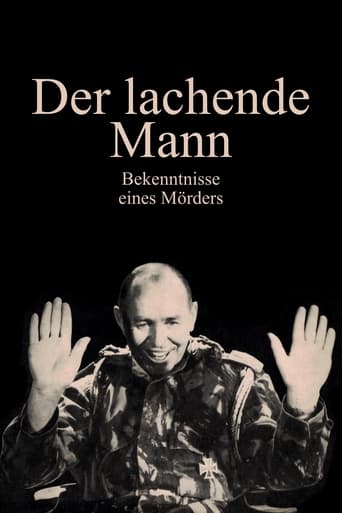
Posing as West German journalists, East German documentary filmmakers Heynowski and Scheumann pay a visit to the notorious Nazi-turned-mercenary Siegfried “Kongo” Müller, pump him with booze, and get him to talk about his life and war campaigns in Africa.
The Laughing Man
1966
6.8Posing as West German journalists, East German documentary filmmakers Heynowski and Scheumann pay a visit to the notorious Nazi-turned-mercenary Siegfried “Kongo” Müller, pump him with booze, and get him to talk about his life and war campaigns in Africa.
The Laughing Man
1966
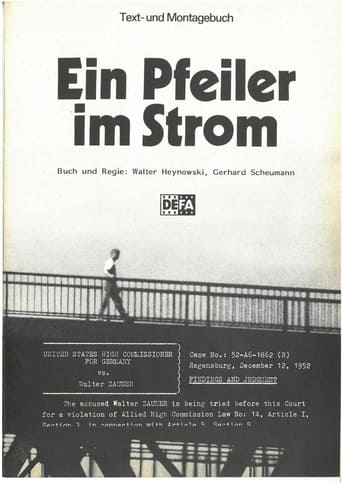 NR
The story of communist Walter Zauner who in 1952 was one of the first in the Federal Republic to be convicted of sabotage of a military installation.
A Pillar In The Stream
1983
NRThe story of communist Walter Zauner who in 1952 was one of the first in the Federal Republic to be convicted of sabotage of a military installation.
A Pillar In The Stream
1983
 NR
After becoming notorious world-wide for a bloody killing, Nguyen Ngoc Loan, former general and chief of the South Vietnamese police, moved to the United States and opened a restaurant outside of Washington, D.C. Contrasting images from these two phases of his life are intercut.
A Refugee from Vietnam
1979
NRAfter becoming notorious world-wide for a bloody killing, Nguyen Ngoc Loan, former general and chief of the South Vietnamese police, moved to the United States and opened a restaurant outside of Washington, D.C. Contrasting images from these two phases of his life are intercut.
A Refugee from Vietnam
1979
 10.0
Weeks after the victory in Vietnam, first pictures of a new humanity are captured: old and sick people preparing for their future, children on their way to school.
The Iron Fortress
1977
10.0Weeks after the victory in Vietnam, first pictures of a new humanity are captured: old and sick people preparing for their future, children on their way to school.
The Iron Fortress
1977
 NR
Documentary on Bernd Köhlert, a West German mercenary whose death in the Congo caused a sensation
Der Fall Bernd K.
1967
NRDocumentary on Bernd Köhlert, a West German mercenary whose death in the Congo caused a sensation
Der Fall Bernd K.
1967
 5.2
The epilogue to the film "The Laughing Man" (1966), which alternates between objectivity and anger, exposes the involvement of the West German mercenary Siegfried Müller in the war against the Congolese government Lumumba. In the sequel, new witnesses against Major Müller have their say, including a former school friend and a French paratrooper colonel. GDR lawyer Kaul reports on the status of the criminal proceedings against Müller, while the final images show the war criminal feeding the ducks in South Africa.
P.S. to The Laughing Man
1966
5.2The epilogue to the film "The Laughing Man" (1966), which alternates between objectivity and anger, exposes the involvement of the West German mercenary Siegfried Müller in the war against the Congolese government Lumumba. In the sequel, new witnesses against Major Müller have their say, including a former school friend and a French paratrooper colonel. GDR lawyer Kaul reports on the status of the criminal proceedings against Müller, while the final images show the war criminal feeding the ducks in South Africa.
P.S. to The Laughing Man
1966
 8.0
At the parliamentary elections that the Unidad Popular won, there were activities to overthrow Salvador Allende. By a white, supposedly clean coup, the rightwing powers of Chile tried unsuccessfully to gain a two thirds majority in the national congress. Months later, the armed, violent coup took place.
The White Coup
1975
8.0At the parliamentary elections that the Unidad Popular won, there were activities to overthrow Salvador Allende. By a white, supposedly clean coup, the rightwing powers of Chile tried unsuccessfully to gain a two thirds majority in the national congress. Months later, the armed, violent coup took place.
The White Coup
1975
 9.0
Moy de Tohá and Isabel Letelier tell their story. They are the widows of two Defence Ministers of the Unidad Popular, who knew too much.
The Dead Are Not Silent
1978