
Acting
Jan-Hendrik Rootering
Born
1950-03-18 (76)
Place of birth
Flensburg, Germany
Known for
Acting
Credits
10 titles
Known for
 6.0
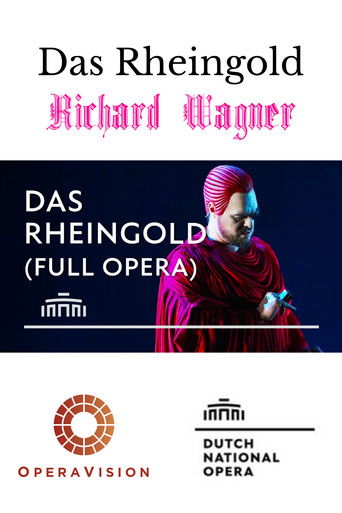
6.0This is the Ring cycle of the Dutch National Opera, directed by Pierre Audi. In the depths of the Rhine, the three Rhinemaidens guard the Rhinegold, a treasure of immeasurable value. The Nibelung dwarf Alberich is dazzled by the sight of it. The girls explain that whoever wins the gold and forges it into a ring will gain power over the world, but must first renounce love. Frustrated by his unsuccessful attempts to catch one of the girls, Alberich curses love and steals the gold. Wotan, lord of the gods, is reproached by his wife Fricka: he has promised to give Freia, goddess of youth, to the giants Fasolt and Fafner in return for their building a fortress for the gods. When the giants demand their reward, Loge, the god of fire, suggests an alternative payment: the ring Alberich has forged from the Rhinegold, and his other treasures. The giants agree, and Wotan and Loge leave for the Nibelungs’ underground home.
Das Rheingold - De Nationale Opera
2014
 6.0
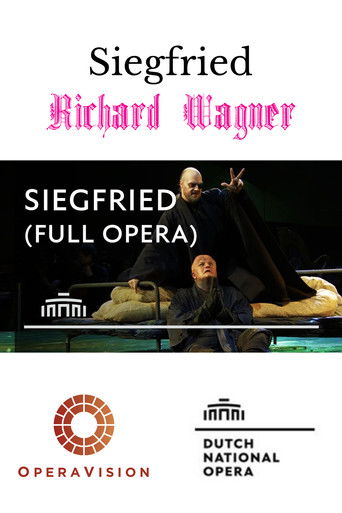
6.0This is the Ring cycle of the Dutch National Opera, directed by Pierre Audi. Alberich's brother Mime raises the orphan Siegfried, hoping that Siegfried will kill Fafner and enable Mime to gain the ring. Mime attempts unsuccessfully to reforge the Nothung. Fulfilling prophecy, Siegfried reforges the sword himself and kills Fafner, who has the form of a dragon. When he accidentally tastes the dragon's blood spilt on his hands, Siegfried understands the song of a woodbird, who instructs him to take the Ring from Fafner. Reading Mime's thoughts of betrayal, Siegfried kills the dwarf as well. The woodbird also informs Siegfried of a mysterious woman asleep in the midst of fire, and Siegfried sets off to find her. After defeating a disguised Wotan and breaking his spear, Siegfried successfully awakes Brünnhilde, and the two fall in love.
Siegfried - De Nationale Opera
2014
 8.0
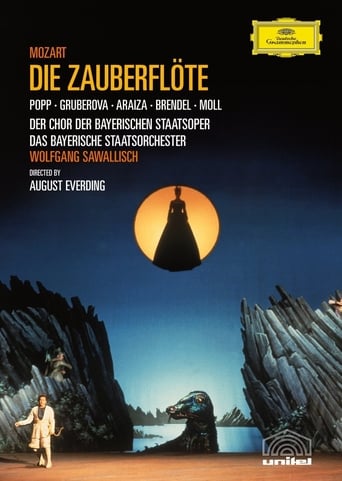
8.0The Queen of the Night enlists a handsome prince named Tamino to rescue her beautiful kidnapped daughter, Princess Pamina. Aided by the lovelorn bird hunter Papageno and a magical flute that holds the power to change the hearts of men, young Tamino embarks on a quest for true love, leading to the evil Sarastro's temple where Pamina is held captive.
The Magic Flute
1983
 8.0
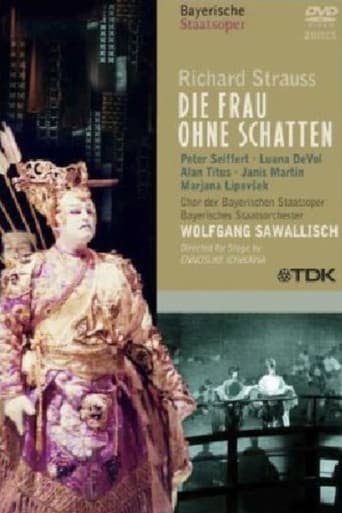
8.0A production of Die Frau ohne Schatten filmed in Japan.
Die Frau ohne Schatten
1994
 NR
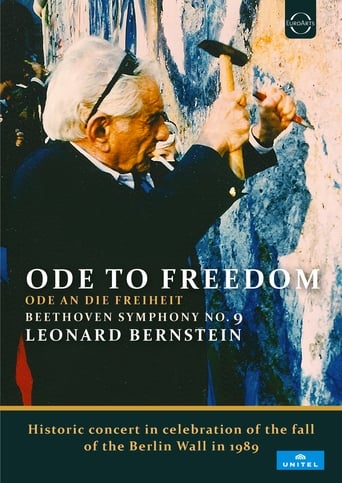
NRConducted by Leonard Bernstein, this is an historic performance marking the fall of the Berlin Wall. Performed on Christmas Day 1989 in the former East Berlin, a concert that unites an cast former eastern and western Berlin musicians and vocalists, among with an international cast of musicians, for a moving performance of Beethoven's Ninth Symphony.
Ode to Freedom
1989
 9.0
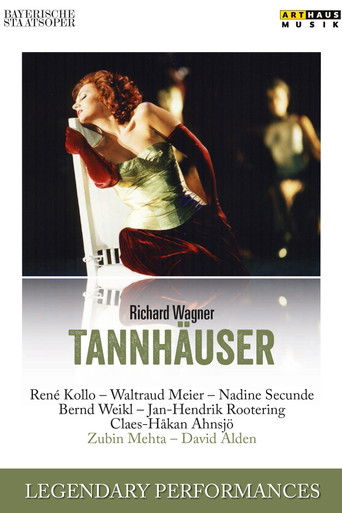
9.0David Alden's production of Wagner's grand romantic opera was recorded at the National Theatre in Munich, with Bayerische Staatsoper, in September 1994. Shot over three days by leading opera director Brian Large, this recording benefits from the ideal technical conditions made possible by a closed session. Alden, one of the most iconoclastic interpreters of classical opera, stirs up the visionary, erotic, and archetypal elements in Wagner's work. The cold, forbidding aspect of the stylized and predominantly monochrome sets and costumes by Roni Toren and Buki Shiff manifests the strait-jacket of tradition from which Tannhäuser seeks to free himself in this powerful opera.
Wagner: Tannhäuser
1994
Film credits
2010s · 3 titles
6.0This is the Ring cycle of the Dutch National Opera, directed by Pierre Audi. In the depths of the Rhine, the three Rhinemaidens guard the Rhinegold, a treasure of immeasurable value. The Nibelung dwarf Alberich is dazzled by the sight of it. The girls explain that whoever wins the gold and forges it into a ring will gain power over the world, but must first renounce love. Frustrated by his unsuccessful attempts to catch one of the girls, Alberich curses love and steals the gold. Wotan, lord of the gods, is reproached by his wife Fricka: he has promised to give Freia, goddess of youth, to the giants Fasolt and Fafner in return for their building a fortress for the gods. When the giants demand their reward, Loge, the god of fire, suggests an alternative payment: the ring Alberich has forged from the Rhinegold, and his other treasures. The giants agree, and Wotan and Loge leave for the Nibelungs’ underground home.
Das Rheingold - De Nationale Opera
2014
6.0This is the Ring cycle of the Dutch National Opera, directed by Pierre Audi. Alberich's brother Mime raises the orphan Siegfried, hoping that Siegfried will kill Fafner and enable Mime to gain the ring. Mime attempts unsuccessfully to reforge the Nothung. Fulfilling prophecy, Siegfried reforges the sword himself and kills Fafner, who has the form of a dragon. When he accidentally tastes the dragon's blood spilt on his hands, Siegfried understands the song of a woodbird, who instructs him to take the Ring from Fafner. Reading Mime's thoughts of betrayal, Siegfried kills the dwarf as well. The woodbird also informs Siegfried of a mysterious woman asleep in the midst of fire, and Siegfried sets off to find her. After defeating a disguised Wotan and breaking his spear, Siegfried successfully awakes Brünnhilde, and the two fall in love.
Siegfried - De Nationale Opera
2014
 NR
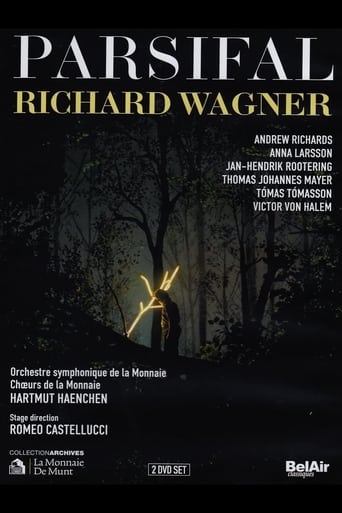
NRA mythical performance from la Monnaie - Bruxelles. Parsifal is a strange and enigmatic work. At the end of his life, did Wagner wish to celebrate asceticism, which he himself had never practised? Did he fall upon his knees before the Cross, as claimed by Nietzsche? And what does the secret society of knights based on pure blood signify, desperately waiting for the saviour to regenerate it? What is the true nature of the opposition between the worlds of Klingsor and the Grail? What can Parsifal tell us today? In his artistic will and testament, Wagner condenses his moral idea of the world and returns to the roots of love and religion - to the very heart of art according to him. With the participation of conductor Hartmut Haenchen who is passionated by the score, Italian stage director Romeo Castellucci proposes an original reading of this brilliant work and explores the essence of Wagnerian ‘Kunstreligion’ in a different light.
Parsifal
2011
1990s · 4 titles
8.0A production of Die Frau ohne Schatten filmed in Japan.
Die Frau ohne Schatten
1994
9.0David Alden's production of Wagner's grand romantic opera was recorded at the National Theatre in Munich, with Bayerische Staatsoper, in September 1994. Shot over three days by leading opera director Brian Large, this recording benefits from the ideal technical conditions made possible by a closed session. Alden, one of the most iconoclastic interpreters of classical opera, stirs up the visionary, erotic, and archetypal elements in Wagner's work. The cold, forbidding aspect of the stylized and predominantly monochrome sets and costumes by Roni Toren and Buki Shiff manifests the strait-jacket of tradition from which Tannhäuser seeks to free himself in this powerful opera.
Wagner: Tannhäuser
1994
 9.5
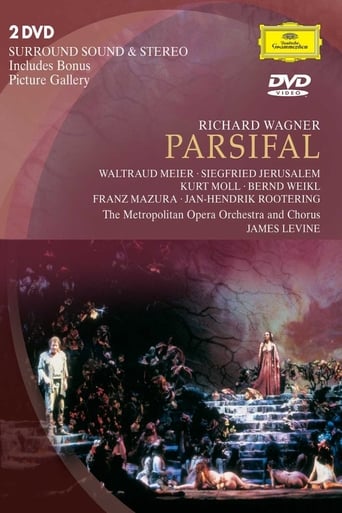
9.5The Met production easily has the most beautiful staging, designed by Otto Schenck, who also produced the fabulous set for the Met's previous Ring cycle. Kurt Moll is a wonderful Gurnemanz, but compared to his studio recording under Karajan a decade earlier it has lost some of its original velvety body and luster. As Parsifal, Jerusalem is starting to show some wear and tear on his voice at the Met in 1992 as opposed to his prime form at Bayreuth in 1981, but is still quite good; only Placido Domingo could compete with him in the role at that time.
Richard Wagner: Parsifal
1993
 7.8
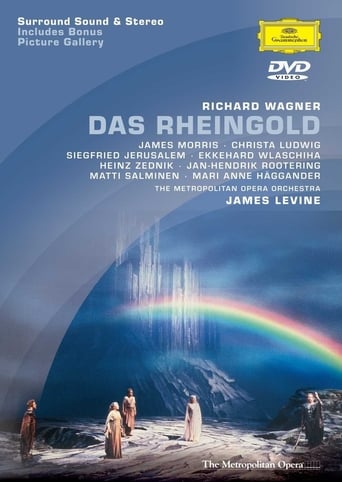
7.8From the gorgeous scene deep in the river Rhine that opens the opera, up to the magic Rainbow Bridge that appears at the end, leading to a glistening Valhalla, Otto Schenk’s production captures the scenic world of Wagner’s Ring as brilliantly as James Levine and the Met orchestra capture the musical world. The cast is incomporable: an astounding James Morris as the young god Wotan, the great Christa Ludwig as his wife Fricka, incandescent Siegfried Jerusalem as Loge, the wily god of fire, and Ekkehard Wlaschiha as a complex Alberich.
Das Rheingold
1990
1980s · 2 titles
8.0The Queen of the Night enlists a handsome prince named Tamino to rescue her beautiful kidnapped daughter, Princess Pamina. Aided by the lovelorn bird hunter Papageno and a magical flute that holds the power to change the hearts of men, young Tamino embarks on a quest for true love, leading to the evil Sarastro's temple where Pamina is held captive.
The Magic Flute
1983
NRConducted by Leonard Bernstein, this is an historic performance marking the fall of the Berlin Wall. Performed on Christmas Day 1989 in the former East Berlin, a concert that unites an cast former eastern and western Berlin musicians and vocalists, among with an international cast of musicians, for a moving performance of Beethoven's Ninth Symphony.
Ode to Freedom
1989