
Known for
 6.4
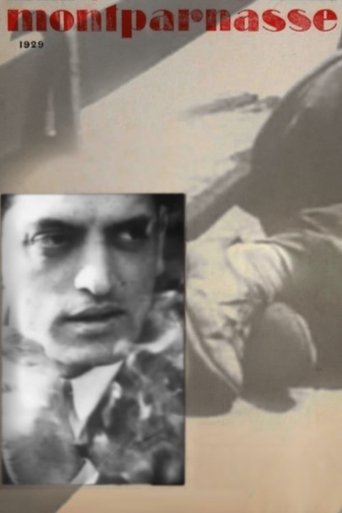
Come take an avant-garde walk in the Montparnasse of the late 1920's. This district of Paris, filmed in a most unusual way, shows how dedicated it is to art. Visit its art galleries and exhibitions, take a glimpse of famous painter Fujita, of Luis Buñuel eyeing the legs of beautiful Parisian passing the terrace of the café where he sits, of Italian futurists Marinetti, Prampolini and Russolo.
Montparnasse
1929
 7.0
Juan returns to Spain after unsuccessfully seeking his fortune in America. His older brother, Miguel, a brave fire lieutenant, welcomes him warmly. For Miguel, there is no better brother than Juan, whom he proudly boasts about.
¡Fuego!
1949
 5.1
La marche des machines is a thundering, thumping symphony of turbines, belts, flanges, wheels and sparks.
The March of the Machines
1927
The Duke of Gomara plays at high stakes in the casino, trying to impress his companion Estela. He loses all, and would have commited suicide, if it was not for Maria Eugénia, a beautiful girl who is there with her father - a banker. Out of jealousy, Estela tells the girl's father that the Duke is an international thief, to cover up for her lover - who is actually that. Things get pretty bad for the Duke, who is so unfortunate he has been given room 13 at the Casino's hotel.
El huésped del cuarto número 13
1947
In 1907, the Gaumont Films company in France made a slapstick comedy (silent, of course) with a title that would translate from the French as 'A gentleman who ate some bull'. Eugene Deslow got hold of that film and added an introduction plus a soundtrack, the latter consisting of commentary narrated by the single-named actor Bétove.
Un monsieur qui a mangé du taureau
1935
No synopsis available yet.
La mariposa voló sobre el mar
1951
Behind the camera
6.4Come take an avant-garde walk in the Montparnasse of the late 1920's. This district of Paris, filmed in a most unusual way, shows how dedicated it is to art. Visit its art galleries and exhibitions, take a glimpse of famous painter Fujita, of Luis Buñuel eyeing the legs of beautiful Parisian passing the terrace of the café where he sits, of Italian futurists Marinetti, Prampolini and Russolo.
Montparnasse
1929
7.0Juan returns to Spain after unsuccessfully seeking his fortune in America. His older brother, Miguel, a brave fire lieutenant, welcomes him warmly. For Miguel, there is no better brother than Juan, whom he proudly boasts about.
¡Fuego!
1949
5.1La marche des machines is a thundering, thumping symphony of turbines, belts, flanges, wheels and sparks.
The March of the Machines
1927
The Duke of Gomara plays at high stakes in the casino, trying to impress his companion Estela. He loses all, and would have commited suicide, if it was not for Maria Eugénia, a beautiful girl who is there with her father - a banker. Out of jealousy, Estela tells the girl's father that the Duke is an international thief, to cover up for her lover - who is actually that. Things get pretty bad for the Duke, who is so unfortunate he has been given room 13 at the Casino's hotel.
El huésped del cuarto número 13
1947
In 1907, the Gaumont Films company in France made a slapstick comedy (silent, of course) with a title that would translate from the French as 'A gentleman who ate some bull'. Eugene Deslow got hold of that film and added an introduction plus a soundtrack, the latter consisting of commentary narrated by the single-named actor Bétove.
Un monsieur qui a mangé du taureau
1935
No synopsis available yet.
La mariposa voló sobre el mar
1951
 5.7
A short silent documentary on the making of the 1931 Abel Gance directed film, "La Fin du Monde".
Around the End of the World
1930
 5.2
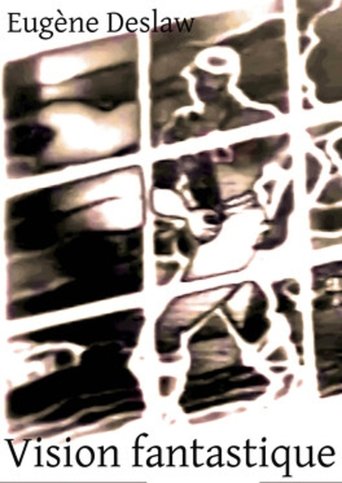
Footage filmed in Spain, subjected a new visual effects process. Deslaw devoted himself to the discovery of a new machine that enabled film to be developed while using a new method called solarisation.
Fantastic Vision
1957
5.2Footage filmed in Spain, subjected a new visual effects process. Deslaw devoted himself to the discovery of a new machine that enabled film to be developed while using a new method called solarisation.
Fantastic Vision
1957
5.2Footage filmed in Spain, subjected a new visual effects process. Deslaw devoted himself to the discovery of a new machine that enabled film to be developed while using a new method called solarisation.
Fantastic Vision
1957
 8.0
No synopsis available yet.
Chantaje
1946
 4.0
An abstract film of machinery in motion, representative of many "pattern" films made independently toward the end of the silent era. (This film is different to the 1927 film of the same name)
The March of the Machines
1928
 6.9
City lights contrasted with total darkness in this experimental short film.
The Electric Night
1928
No synopsis available yet.
Vers les robots
1932
 9.0
No synopsis available yet.
Images en négatif
1955
9.0No synopsis available yet.
Images en négatif
1955