
Known for
 8.1
La que se avecina is a Spanish television comedy created by Alberto Caballero, Laura Caballero and Daniel Deorador. The TV-series focusing around the inhabitants of Mirador de Montepinar, a fictional building located on the outskirts of a big city. Both its storylines and cast are heavily based on Aquí no hay quien viva, which ended when Telecinco bought Miramón Mendi, the series production company. The episodes debuted on the Telecinco network, and were later rerun by the same network as well as cable/satellite channels FactoríaDeFicción and Paramount Comedy. The series debuted in 22 April 2007 and became popular thanks to its funny characters, witty script, use of catchphrases and capacity to integrate and poke fun at contemporary issues; the program presents a caustic satire of many of the 'types' found in Spanish society. The name of the show involves wordplay, as "vecina" is the Spanish word for neighbour.
La que se avecina
2007
 3.7
In the medieval Castile, Don Tello de Buinesa, the boastful feudal lord, lives with his three sons and their beautiful wives.
Cuando los maridos se iban a la guerra
1976
 NR
Pablo, Lolo's brother, is platonically in love with Lorenza, the barrier guard's widow. The woman suffers from a deep addiction to Herzian waves.
El tren de las ocho
1996
 5.1
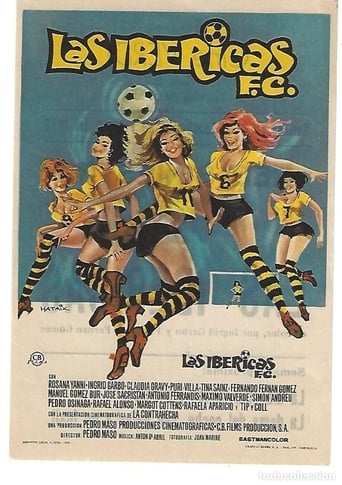
The Iberian F.C. is a female football team makes a splash in the world of football, rather than their athletic skills, their physical attraction for the male audience. Each of the components of the whole suffers a different and peculiar relationship status, derived from its new sports.
The Ibéricas Football Club
1971
 6.2
No synopsis available yet.
Orquesta Club Virginia
1992
 3.2
No synopsis available yet.
La garbanza negra, que en paz descanse...
1972
Film credits
1990s · 2 titles
1970s · 3 titles
3.7In the medieval Castile, Don Tello de Buinesa, the boastful feudal lord, lives with his three sons and their beautiful wives.
Cuando los maridos se iban a la guerra
1976
5.1The Iberian F.C. is a female football team makes a splash in the world of football, rather than their athletic skills, their physical attraction for the male audience. Each of the components of the whole suffers a different and peculiar relationship status, derived from its new sports.
The Ibéricas Football Club
1971
3.2No synopsis available yet.
La garbanza negra, que en paz descanse...
1972