

Acting
Slavomír Záhradník
Born — Died
1937-07-10 — 1991-12-05
Known for
Acting
Credits
89 titles
Known for
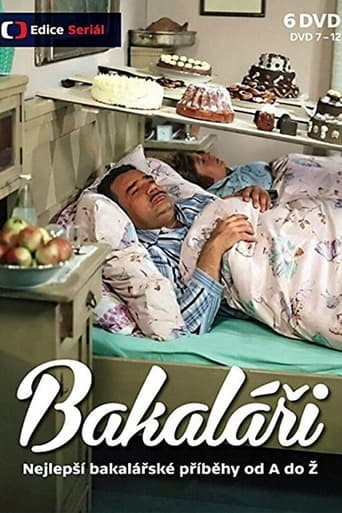 7.0
No synopsis available yet.
Bakaláři
1972
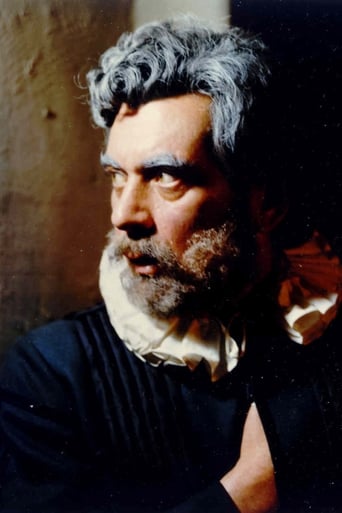 8.0
Series about the life of Renaissance anatomist, scholar and politic Johannes Jessenius. Already legendary series today, was produced by Czechoslovak Television Bratislava, directed by Slovak director Miroslav Luther in the first half of 80's in Barrandov Studios in Prague. The story and screenplay of the series wrote Czech writer Vladimír Körner. Five-episodes epic historical narration is a biographical story of distinguished Renaissance scholar, anatomist and politic of Slovak origin, Johannes Jessenius (Ján Jesenský, 1566–1621). It displays his life from the first studies and successes. In 1594 he became professor of surgery and anatomy on Wittenberg University, which he had attended years before. From that moment, his life went through social and personal wins and losses, to the sad end on the Prague Old Town Square gallows, among 27 noblemen, knights and burgenses, after lose Bohemian Revolt in 1621. His destiny was coupled with key events of Czech history in the break of 16th and 17th century, when Renaissance and European humanism slowly fade out.
The Physician of a Dying Time
1984
No synopsis available yet.
V službách zákona
1983
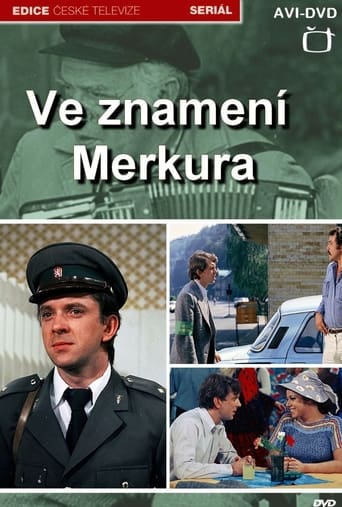 5.2
No synopsis available yet.
Ve znamení Merkura
1979
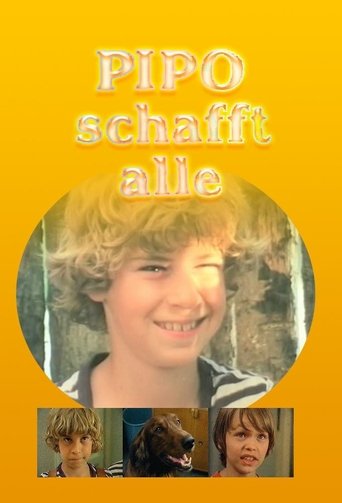 7.0
A funny story about a little boy everybody call Pipo and his summer vacations in the village.
Birthmark
1985
No synopsis available yet.
A. C. Dupin zasahuje
1970
Film credits
1990s · 1 titles
1980s · 19 titles
No synopsis available yet.
Krajina Dživiben
1989
No synopsis available yet.
Zlý záber
1989
No synopsis available yet.
Rátanie havranov
1989
No synopsis available yet.
Riaditeľ
1986
No synopsis available yet.
Čakanie na všedné dni
1987
No synopsis available yet.
Rozlúčka s Máriou
1986
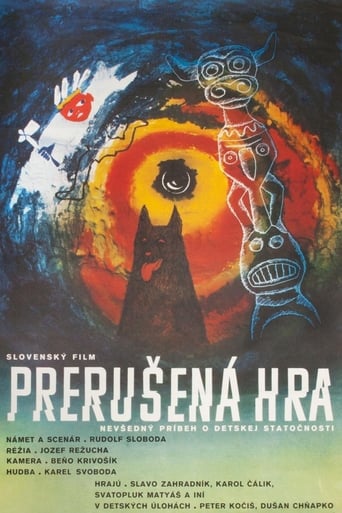 7.5
While playing Indians two Czechoslovak pioneers are captured by the criminal who wants to cross the border illegally.
A Suspended Game
1980
No synopsis available yet.
Návrat Jána Petru
1986
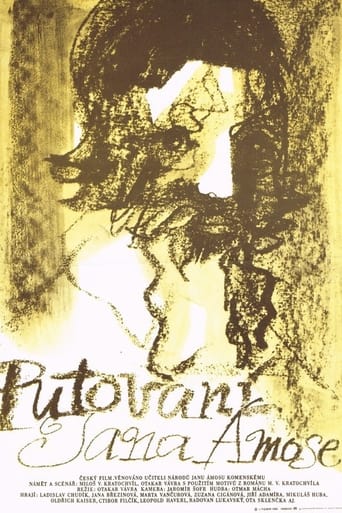 5.5
The distressing fate of the Czech great Jan Amos Komenský, forced to leave his homeland after the White Mountain disaster. It depicts his encounters with various European personalities of the 17th century - the Queen of Sweden, artists and scientists. It emphasises the hero's nobility, but also his inner resilience, which allowed him to overcome many personal and professional tragedies. The parable of The Labyrinth of the World and the Paradise of the Heart becomes part of the story. However, Comenius's concept is sculpturally lifeless and, in particular, the religious dimension is "erased" from it. The simplistic biography therefore does not avoid schoolboyish dryness.
Putování Jana Amose
1983
No synopsis available yet.
Len kosti práchnivé
1989
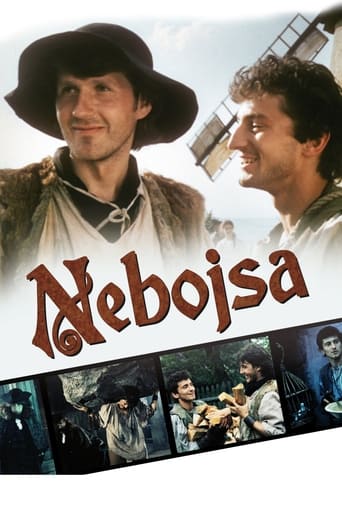 7.7
Woodcutter Ondra, who for his bold nature is called Nebojsa. He goes into the world to learn fear. During his journey, on which he is accompanied by a cowardly thief Ferka, he can deal with a bunch of bandits, vicious mill, fiery rock and eventually he must confront the evil wizard who swore a beautiful princess. Will Ondra do all his courage and ingenuity to liberate Princess?
Don't Be Afraid
1989
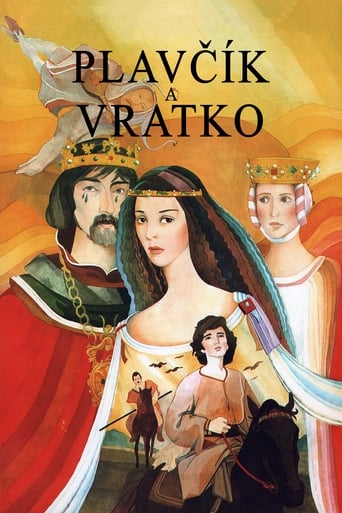 6.2
The son of a charcoal burner was once prophesied as a child to marry the daughter of a king. The king tries to prevent this by all means.
Plavčík a Vratko
1982
No synopsis available yet.
Profesor Raat
1989
 8.0
No synopsis available yet.
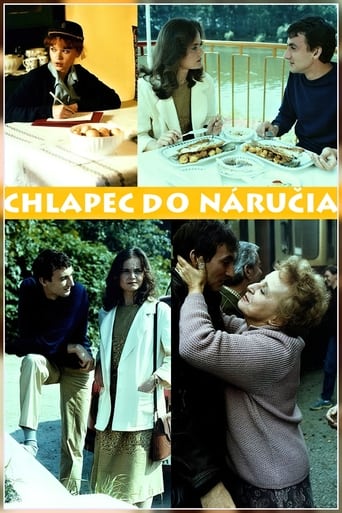
Chlapec do náručia
1986
 4.3
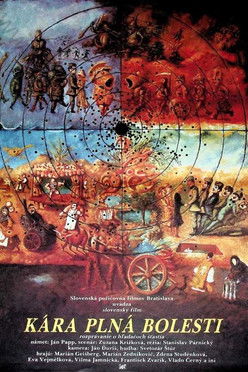
War takes its cruel toll, which everyone must pay. It hits a small Slovak village especially hard, where the struggle for a bare life becomes a test of human character. For two impoverished friends, Jakub and Maja, struggling through poverty is more than difficult. Jakub delivers sour milk from somewhere on his cart to the entire village and lives in a dilapidated house with his sister Tereza, whose caregiver and guide through life is the experienced woman Mara, who provides herself with money from seduced soldiers. Maja, on the other hand, is a foundling and homeless man who does whatever he can to survive the next day. The only consolation for the two inseparable friends are the circulating tales of a kind of promised land, where there is no poverty or hunger, and where they could both go. Only this vision, this idea alone keeps the two of them and the rest of the village on their feet, and gives them hope for a better tomorrow.
Kára plná bolesti
1986
No synopsis available yet.
Ján Literát
1985
 6.0
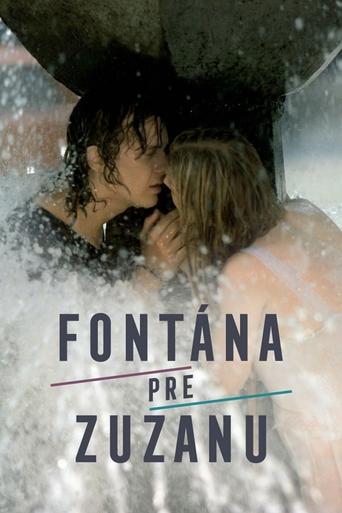
A story about the life and troubles of young people living in the city. The teenagers have to face real life, make their first major decisions, and learn that romance sometimes brings disappointment.
The Fountain for Suzanne
1986
No synopsis available yet.
Dekanský termín
1984
No synopsis available yet.
Sudca vo vlastnej pasci
1988
1970s · 27 titles
 7.4
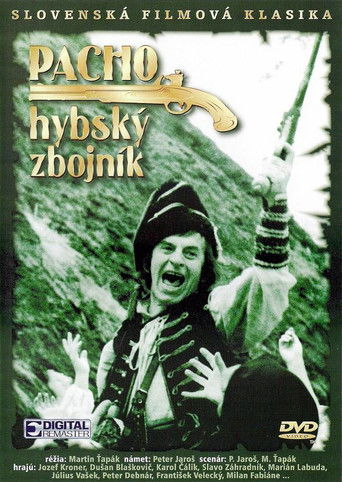
A funny outlaw tale inspired by traditional folk humour. Pacho is no ordinary outlaw. He detests injustice and feudal oppression and he copes with each troublesome situation with the help of his cleverness and wit.
Pacho, the Brigand of Hybe
1976
 8.0
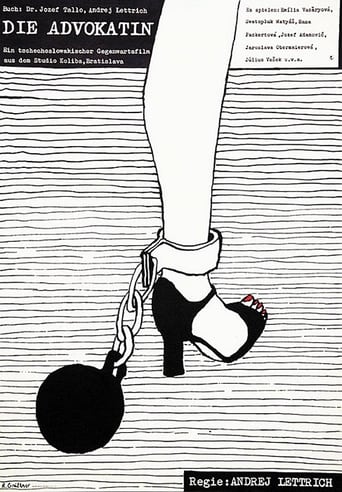
The story of a young lawyer who finds herself in a difficult situation when she encounters troubles in her burgeoning career and complications in private her life.
The Lawyer
1978
 7.0
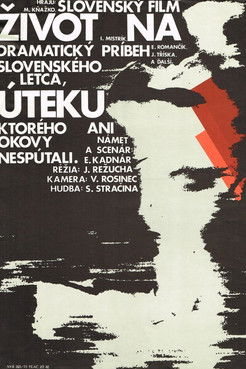
In Slovakia, they often and gladly honored those soldiers who refused to serve the fascist regime and stood against it. Lieutenant Kukorelli also rejected the tempting career of a pilot, instead helping the resistance fighters and later participating in the Slovak National Uprising.
Život na úteku
1976
No synopsis available yet.
Tri dominá
1974
No synopsis available yet.
Koncert bez ruží
1977
 10.0
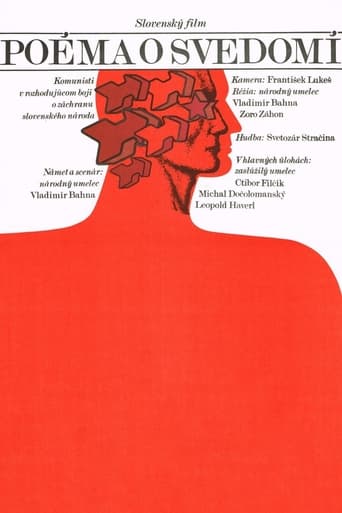
Historical reconstruction of the events of the anti-fascist struggle in Slovakia in 1943 and 1944.
Poéma o svedomí
1979
No synopsis available yet.
Tetované časom
1976
No synopsis available yet.
V stolnom meste Kyjeve
1972
 5.5
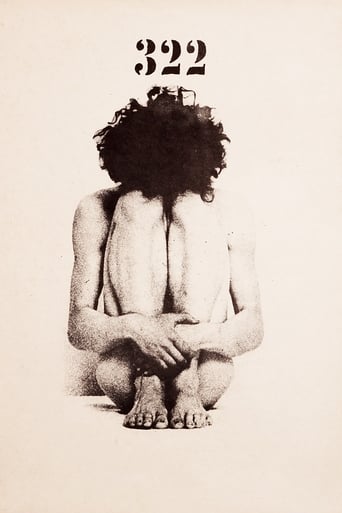
A story of a man threatened by a fatal illness evaluating his life (the number 322 in the film title stands for the diagnosis of one kind of cancer). He understands his illness as a form of punishment for his cruel deeds in the 1950s. In the face of reality and his efforts to cleanse himself he hits a barrier of indifference, lack of interest, and individual and collective selfishness. He has to find his own reconciliation with his illness and his past and present life.
322
1970
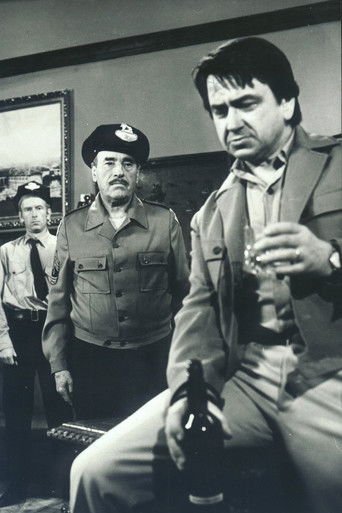 NR
The drama of a man driven to crime by the mechanism of violence in an American prison. It is an indictment of American justice and the barbarically cruel methods of prison staff. Based on Jack London's novel "The Star Rover".
Dynamit
1973
 6.0
An aging street stuntman plans new equipment to make his motorcycle stunts even more impressive, but his daughter wants to end his nomadic life in a camper van.
Já jsem Stěna smrti
1979
No synopsis available yet.
Leove noci
1976
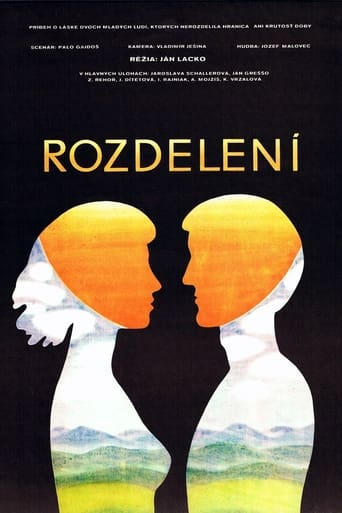 8.0
A story about the love of two young people who were not divided by borders or the cruelty of time.
Rozdelení
1977
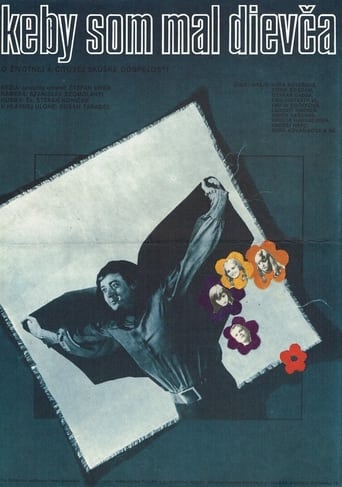 6.5
Vlado has just passed his high school diploma and is starting a job as a home tutor in the family of a big businessman. He finds himself in a very difficult turning point in 1947-48. He does not understand much of what is happening around him. He constantly experiences emotional confusion, comes into conflict with his conscience and finally has to decide between love and reason...
If I Had a Girl
1976
The story of a group of young people on a ski camp. The crystallization of their relationships is accelerated by an avalanche.
Avalanche
1977
A tragicomic tale of the wondrous adventures of two medieval Sitnian knights who venture into the twentieth century with the intent to banish the devil and set the world to rights.
Rekviem za rytierov
1970
Social ballad. Three short stories – "Uzlík tepla", "Chlapec a pánboh" and "Rubári" – depict three different human stories, the common denominator of which is suffering and existential threat.
Uzlíky nádeje
1979
A television adaptation of Shakespeare's tragedy about the destructive power of wealth. Timon, a rich and generous Athenian citizen, gives gifts to his friends generously and magnanimously. He helps everyone in need, regardless of their status. However, he is surrounded by false friends who refuse to help him when his coffers are empty and his barrels no longer overflow with wine. The attitude of his friends shakes his faith in the goodness of humanity, and he retreats to a cave on the seashore, where he dies by his own hand, cursing the entire human race. Even the famous warrior Alcibiades knows the ingratitude of Athens. When he speaks on behalf of a soldier sentenced to death for a minor offense, the senators expel him from the city. Alcibiades, a man of action, does not give up, defeats Athens, and conquers it. However, he finds Timon already dead.
Timon Aténsky
1973
No synopsis available yet.
Víťazný pád
1973
No synopsis available yet.
Kufor plný zlata
1972
 NR
No synopsis available yet.
Tie malé výlety
1973
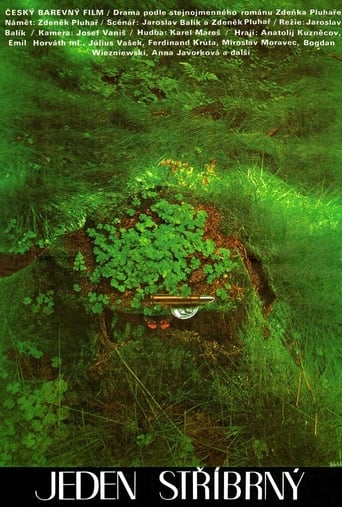 4.5
It is summer 1944. The war is far away from Slovak mountains for the time being. The head of forest management Borodác brings a new employee to complete the eight woodcutters work team of Czechs, Slovaks and one Pole - the young guy is Martin Uher, a former clerk form Prague. The eight tough men do not trust the newcomer at first, but as time is passing, they got used to him. After some time, Martin gets next to Julika, a young wife of the gamekeeper Tkác (Vlado Müller) and they begin to go out secretly. The gamekeeper knows that Martin had promised to cooperate with German Gestapo, after he had experienced a hard interrogation. In avoiding to be a grass, Martin leaves Prague to hide in Slovak mountains. Tkác wants Martin to inform on his colleagues who hide guns in the forest to ready to use them against Nazis.
One Silver Piece
1976
No synopsis available yet.
Poradila teta Beta
1974
No synopsis available yet.
Ako sa Štrbania s Važťanmi o bujaka Šándora pasovali
1978
No synopsis available yet.
Klietka plná vtákov
1972
No synopsis available yet.
Čierne ovce
1973
No synopsis available yet.
Minúta rozhodnutia
1975
1960s · 13 titles
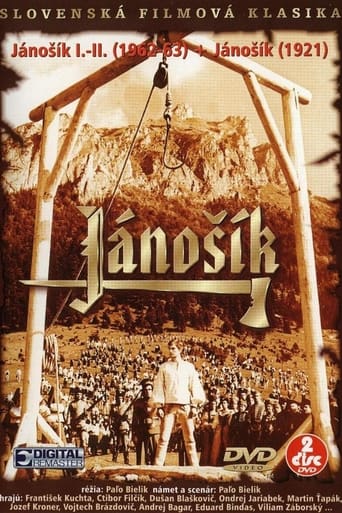 7.8
This film is one of the most popular pictures of Slovak cinema and relates the story about the legendary folk hero and brigand Juro Jánošík [1688-1713] and the social situation in Slovakia of the late 17th and early 18th centuries. The first part talks about Jánošík's childhood, studies and return to his native village. In the second part Jánošík leaves for the hills, where he organizes his band of brigands and starts an anti-feudal resistance. The film concludes with Jánošík's execution.
Jánošík
1963
In Slovakia, they also created a pair of investigators who have appeared in several films. Volanie démonov is the third of them. The police officers, one Maigret-like, thoughtful, the other humorously hasty, this time solve a fire in a furniture factory and the deaths of two employees - one burned himself, the other fell into a dry well. The investigation of the complicated case takes a long time, but in the end it turns out that revenge can be extraordinarily strong and persistent.
Volanie démonov
1968
Slovak partisans, bravely fighting against Nazi superiority, would never have succeeded to such an extent if they had not been supported by the villagers. Despite the threat of repression, it is the villagers who care for the wounded, hide them, and behave conscientiously. Although the film was made in the late 1960s, it fully adopts the patterns of partisan stories, perhaps the only thing it can be credited with is a more developed sense of authenticity in the story, characters, and setting.
Stopy na Sitne
1969
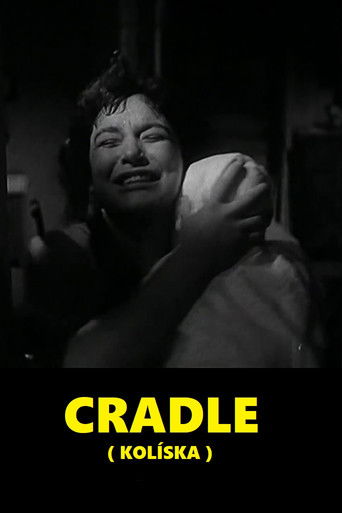 NR
A TV film based on a short story by Alfonz Bednár. A drama set during the Slovak National Uprising.
Cradle
1964
 5.8
"Using the same, three times repeating dialogue – dramatic conversation between man and woman – Jerzy Skolimowski from Poland, Slovak director Peter Solan and Czech director Zbynìk Brynych shot three different stories. The result was an extraordinary experiment in the world cinema, which we can call an insight in the relationships of men and women of different age groups, an analysis of love and marriage of those who are at the beginning, in the middle or going towards the end of their life."
Dialogue 20-40-60
1968
The television film based on the novel of the same name by Ladislav Mňaček draws on the period of World War II and the Slovak National Uprising. The film's story is composed of two intertwining time lines. In the images of the present that frame the entire narrative, the young partisan Voloďa - a hero with autobiographical features - recovers from a serious injury. In feverish reminiscences and in conversations with his nurse Eliška, he recapitulates the eventful events of his time in the partisan group in the village of Ploština, which the partisans abandoned under the pressure of events and left to the mercy of the German commando. Voloďa is haunted by visions of the burning Ploština, remorse and responsibility for the tragedy. In feverish reminiscences, he relives the meetings of the partisan detachment with the German commando. Memories of the mysterious Jewish girl Marta, a partisan liaison with whom Pavol had a passionate love affair, also return to him.
Smrť sa volá Engelchen
1960
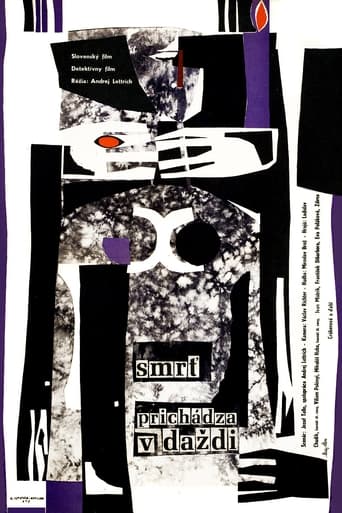 8.2
A Slovak detective story set in contemporary Bratislava and featuring ordinary people with their own everyday problems. The violent death of Olga Holešová places them under heavy suspicion of murder. A series of strange coincidences and circumstances complicate the investigators' work. Her husband's infidelity, the loss of a large sum of money that the treasurer Fiala is supposed to replace, a lawyer earning extra money by doing various odd jobs - all these are confusing clues, among which investigator Jakubec eventually finds a thread that will lead him to the correct solution to the case.
Smrť prichádza v daždi
1966
No synopsis available yet.
Tri razy svitá ráno
1962
No synopsis available yet.
Česť
1966
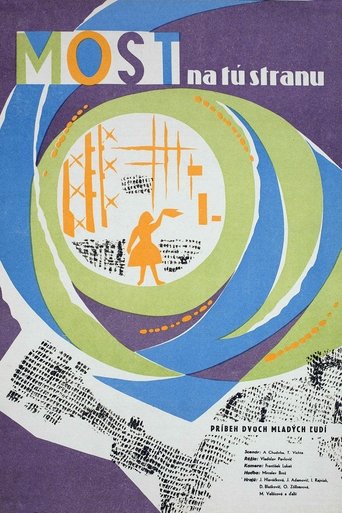 9.0
When the young heroine joins a large factory, she has difficulty adapting to the local environment and experiences a series of conflicts before finally joining the work team. This is an exemplary illustration of the thesis that only work truly humanizes a person and helps them find spiritual balance.
Most na tú stranu
1962
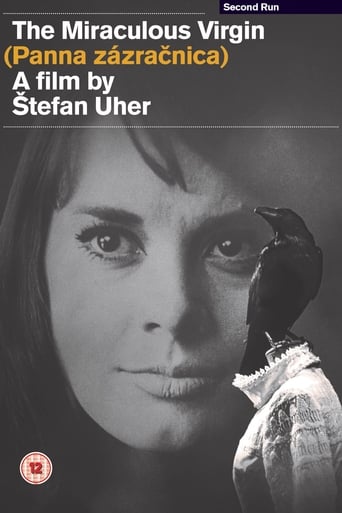 5.4
A film adaptation of the novelette of the same title written by Dominik Tatarka depicts the life of a young generation of artists that was formed in Slovakia during the war. Anabella, a young and beautiful girl meets a group of artists. She awakens their erotic desires but also pure feelings of love; she becomes the object of their secret fantasies as well as their artistic inspiration. And it seems that the boundaries between reality and fantasy suddenly cease to exist.
Miraculous Virgin
1967
A film about the dramatic lives of the people living in the village of Ráztoka during WW I. Women are left without husbands, families fall apart, finding themselves on the verge of poverty. Eva, the main heroine, is going through difficulties after her husband was drafted to the army. Her defilement and her tragic death cause a rebellion by which the village inhabitants finally stand up against their unbearable situation.
Living Whip
1967
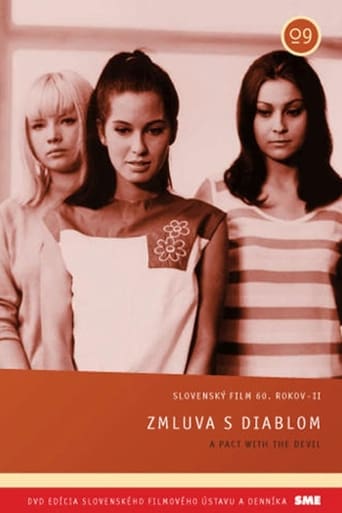 7.2
A comedy about five students who are un-justly suspected of trying to lose their virginity before their graduation. The five girls first try to defend themselves, but when they find out that nobody believes them - neither the school principal nor even their own parents - they decide to accomplish what they have been falsely accused of. And although their clumsy attempts are mostly comic, at one point they almost cause a big tragedy.
A Pact with the Devil
1967
Series credits
7.0No synopsis available yet.
Bakaláři
1972
8.0Series about the life of Renaissance anatomist, scholar and politic Johannes Jessenius. Already legendary series today, was produced by Czechoslovak Television Bratislava, directed by Slovak director Miroslav Luther in the first half of 80's in Barrandov Studios in Prague. The story and screenplay of the series wrote Czech writer Vladimír Körner. Five-episodes epic historical narration is a biographical story of distinguished Renaissance scholar, anatomist and politic of Slovak origin, Johannes Jessenius (Ján Jesenský, 1566–1621). It displays his life from the first studies and successes. In 1594 he became professor of surgery and anatomy on Wittenberg University, which he had attended years before. From that moment, his life went through social and personal wins and losses, to the sad end on the Prague Old Town Square gallows, among 27 noblemen, knights and burgenses, after lose Bohemian Revolt in 1621. His destiny was coupled with key events of Czech history in the break of 16th and 17th century, when Renaissance and European humanism slowly fade out.
The Physician of a Dying Time
1984
No synopsis available yet.
V službách zákona
1983
5.2No synopsis available yet.
Ve znamení Merkura
1979
7.0A funny story about a little boy everybody call Pipo and his summer vacations in the village.
Birthmark
1985
No synopsis available yet.
A. C. Dupin zasahuje
1970
No synopsis available yet.
Bocianie hniezdo
1981
No synopsis available yet.
Straty a nálezy
1975
No synopsis available yet.
To je váš prípad, Šetaffy.
1986
No synopsis available yet.
Hráč na vlastnú päsť
1982
No synopsis available yet.
Vzbúrené mesto
1984
No synopsis available yet.
Svadba bez nevesty
1980
No synopsis available yet.
V tieni vlkov
1972
No synopsis available yet.
Na baňu klopajú
1981
No synopsis available yet.
Výmysly uja Elektróna
1978
No synopsis available yet.
Vynálezy hodinára Aurela
1984
No synopsis available yet.
Brána k domovu
1975
No synopsis available yet.
Miesto v dome
1973
A two-part TV drama about the life and work of Jozef Murgaš, a world-renowned inventor, talented painter, and Slovak patriot. The first part focuses mainly on his life in Slovakia and describes Murgaš's student years. He leaves the picturesque surroundings of his native Tajov to attend high school in Banská Bystrica and later, at his mother's request, continues his studies in theology at the Esztergom Seminary. However, his studies did not end with graduation from this faculty. His love of painting was stronger and led him first to a one-year art preparatory course in Budapest and then to the Academy of Fine Arts in Munich. However, he was unable to complete his studies due to brutal intervention by the authorities. The second part depicts Murgaš's life in Wilkes-Barre, Pennsylvania, in the United States. He worked there as a priest in the local church, which he built together with other Slovaks. He also contributed to the establishment of a school for Slovak children in Wilkes-Barre.
Reverend
1989
No synopsis available yet.
Štipku soli
1977
No synopsis available yet.
Nech žije deduško
1978
No synopsis available yet.
Ľudia z kanálovej štvrte
1975
No synopsis available yet.
Zrkadlo občana Pokorného
1967
Piesočná potvorka (lit. The Sand Creature) is a 1985 Czech television miniseries based on Edith Nesbit's 1904 children's novel Five Children and It. The four Majer children—Janka, Braň, Cyril and Vladek—spend holidays together at a cottage, with their aunt Marta, who takes care of them in their parents' absence. One day, the older children decide to dig in an old sandbox and find an ancient wonder: Brontofusika, a prehistoric creature that can grant wishes. So Janka wishes that everyone would be as beautiful as the heroes from a fairy tale. It happens. No one recognizes the children in this disguise, not even their own aunt, which brings a lot of funny but also unpleasant situations. But the magic only works until sunset!
The Sand Creature
1985
No synopsis available yet.
Šiel tovariš svetom
1981
No synopsis available yet.
Keď radí strach
1984
No synopsis available yet.
Najkrajšie roky života
1977
No synopsis available yet.
Kronika
1974
No synopsis available yet.
Mesto Anatol
1988