

Acting
Augusto Olímpio
Born — Died
1943-11-18 — 1993-01-07
Place of birth
Rio de Janeiro, Rio de Janeiro, Brazil
Known for
Acting
Credits
27 titles
Known for
 8.0
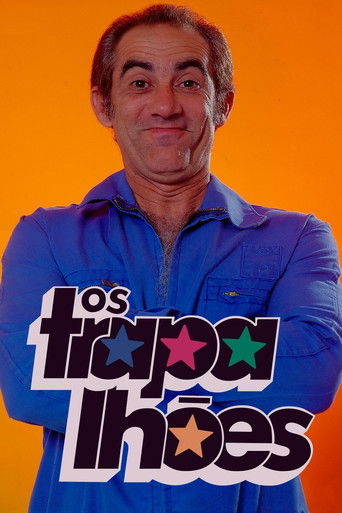
Os Trapalhões was a Brazilian comedy group and also a Brazilian television series created by Wilton Franco. Its members were Dedé Santana, Zacarias, Mussum and their leader Didi Mocó, that was played by Renato Aragão. The name Trapalhões is derived from the Portuguese verb atrapalhar, which means the opposite of helping, to do something the wrong way or to Those that confuse. The name is translated "Tramps" in English DVD subtitles. It was aired by Rede Globo from 1977 to 1999. On March 18, 1990, Zacarias died due to respiratory failure, but the group and the series didn't come to an end until July 29, 1994, when Mussum died due to an unsuccessful heart transplant.
The Trapalhões
1977
 9.0
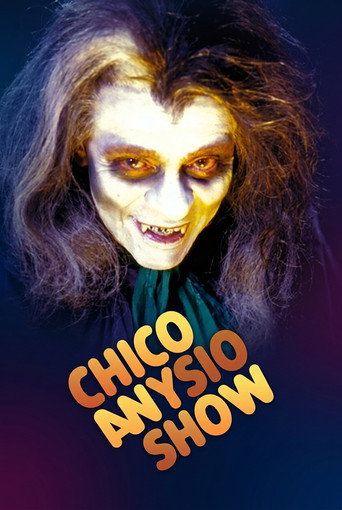
No synopsis available yet.
Chico Anysio Show
1982
 8.0
Despite a striking physical resemblance, Paulo and Denizard live completely opposite lives in Copacabana. After an accident, their lives and those of their families take different paths.
O Outro
1987
 7.5
In 1886, in the small town of Araruna, Little Missy rejects the actions of her father—the slave-owning Colonel Ferreira—alongside Rodolfo, an active abolitionist republican with whom she falls in love.
Little Missy
1986
 7.3
After becoming a widower, businessman Aparício Varela takes over as president of Tecelagem Abdala and decides to win back the great love of his life, Rebeca.
Sassaricando
1987
 7.0
Cláudia returns to her rural hometown in order to take revenge for the murder of her family a long time ago. She believes that the Flores family committed the crime and tries to destroy them....
Wildcat
1988
Film credits
1970s · 2 titles
 6.5
Upon learning that the school where he learned music is going to be expropriated, a famous singer decides to do a show for the benefit of the institution.
Amante Latino
1979
 6.5
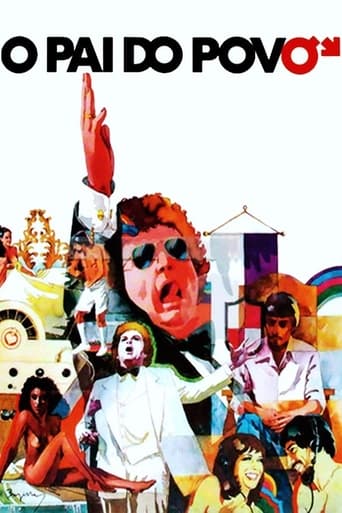
After a nuclear war renders all men on Earth sterile, only one remains fertile due to an unlikely stroke of luck. Dubbed the "Father of the People," he becomes the object of a tug-of-war between governments while trying to escape the mission of ensuring humanity's survival.
O Pai do Povo
1976
Series credits
8.0Os Trapalhões was a Brazilian comedy group and also a Brazilian television series created by Wilton Franco. Its members were Dedé Santana, Zacarias, Mussum and their leader Didi Mocó, that was played by Renato Aragão. The name Trapalhões is derived from the Portuguese verb atrapalhar, which means the opposite of helping, to do something the wrong way or to Those that confuse. The name is translated "Tramps" in English DVD subtitles. It was aired by Rede Globo from 1977 to 1999. On March 18, 1990, Zacarias died due to respiratory failure, but the group and the series didn't come to an end until July 29, 1994, when Mussum died due to an unsuccessful heart transplant.
The Trapalhões
1977
9.0No synopsis available yet.
Chico Anysio Show
1982
8.0Despite a striking physical resemblance, Paulo and Denizard live completely opposite lives in Copacabana. After an accident, their lives and those of their families take different paths.
O Outro
1987
7.5In 1886, in the small town of Araruna, Little Missy rejects the actions of her father—the slave-owning Colonel Ferreira—alongside Rodolfo, an active abolitionist republican with whom she falls in love.
Little Missy
1986
7.3After becoming a widower, businessman Aparício Varela takes over as president of Tecelagem Abdala and decides to win back the great love of his life, Rebeca.
Sassaricando
1987
7.0Cláudia returns to her rural hometown in order to take revenge for the murder of her family a long time ago. She believes that the Flores family committed the crime and tries to destroy them....
Wildcat
1988
 8.4
The story follows the lives of Naná and Gegê, a pair of con artists. Gegê is the uncle of Tina Pepper, a Tina Turner fan who dreams of becoming a famous singer.
Cambalacho
1986
 7.0
On a farm in the interior of Mato Grosso, the impetuous hillbilly Juba grows up free and without instruction, in contact with nature. His parents are killed by cattle rustlers, and he takes over the farm. With the help of the Indian and tutor Iru, who teaches him the secrets of the forest, Juba plans to take revenge on the murderers. His life changes when he falls in love with Ruth, a young woman from the big city who introduces him to a world with new possibilities.
Bicho do Mato
1972
 7.7
No synopsis available yet.
Duas Vidas
1976
 7.0
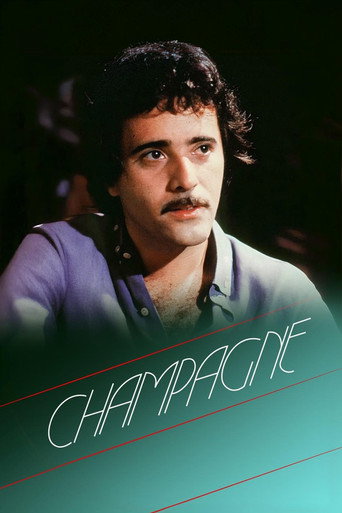
In 1970, during a glittering New Year's Eve party attended by the aristocracy, a young pantry maid named Zaíra is mysteriously murdered. Thirteen years later, the prime suspect—Gastão, a humble waiter and former colleague of the victim—seeks to prove his innocence with the help of his son, Nil, becoming entangled in the lives of the other party guests. The story also follows a cunning pair of jewel thieves: the sophisticated Antônia Regina and João Maria—a criminal lawyer and member of the declining aristocracy who takes up the cause of Nil's father.
Champagne
1983
 6.7
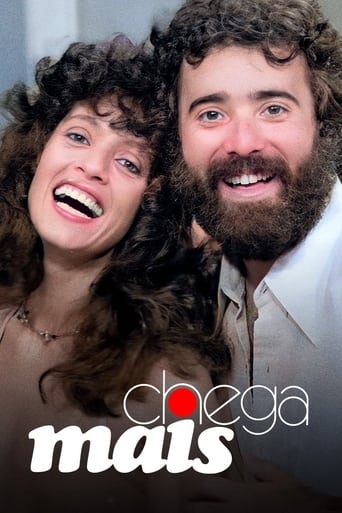
No synopsis available yet.
Chega Mais
1980
 8.0
César, a sugar mill owner in Pernambuco, lives in Rio de Janeiro with his wife Maria Luiza and daughters, Débora and Suzy. One day, tired of his life, he decides to fake his own death and assume another identity. César does this with the help of França, the financial director of the sugar mill – which also belongs to Alaor. César and França stage a car accident, plunging off Avenida Niemeyer in Rio and disappearing into the sea. César leaves Alaor on the verge of bankruptcy and Maria Luiza and the two girls in poverty, completely transforming their lives.
Final Feliz
1982
 8.3
Saramandaia is a Brazilian telenovela originally written by Dias Gomes in 1976. It's considered remarkable because of the Magic Realism (used by the author to subtly criticize the Military Regime of the time) and had 160 chapters. The story centers on the name change that the city undergoes, promoted by the younger citizens and reviled by the older ones. It also focuses on the lives of the city's quirky residents.
Saramandaia
1976
 9.0
The soap opera critiques the power struggles among rural politicians in the 1920s. Joaquim is shocked when a doctor reveals that his son, Luís Jerônimo, has a lung lesion. To recover his health, the young man leaves Rio de Janeiro for Colonel Boanerges's farm in Vila da Mata, Espírito Santo. There, he meets Zuca, and the two fall in love. Zuca is the colonel's goddaughter and the fiancée of the fearless cowboy Tobias, who refuses to accept the possibility of losing her to the outsider. Zuca and Luís Jerônimo face numerous obstacles in pursuing their love. Their romance is also threatened by the arrival of Pepa in Vila da Mata; having been in love with Luís Jerônimo back when he lived in Rio, she tries by every means possible to drive the couple apart.
Cabocla
1979
 8.0
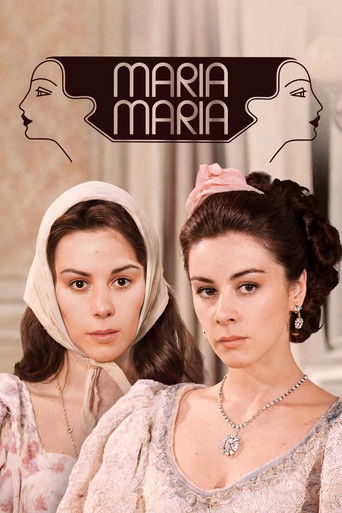
In the backlands, the drover Ricardo marks the destiny of young Maria. Years later, in Xique-Xique, a mistake between two identical women rekindles passions, separations, and an impossible love.
Maria, Maria
1978
 9.0
Facing a financial crisis, Guilherme receives an ultimatum: he must pay his overdue rent within 24 hours or face eviction from the Copacabana apartment—located in Rio de Janeiro's South Zone—where he lives with his family: his wife Joana, his children Kika, Beto, and Tatá, and his father Olavo. Left with no other option, they move into a large house in São Cristóvão (in the North Zone) lent to them by Joaquim, a Portuguese friend. The family struggles to adapt to the suburban neighborhood and cope with their lack of money. To overcome the crisis, Guilherme becomes a partner in Joaquim's auto repair shop.
Gente Fina
1990
 9.1
Based on the work of Dias Gomes, 'O Bem Amado' is a political satire that revolves around Odorico Paraguaçu, the opportunistic mayor of the city of Sucupira.
O Bem-Amado
1973
 7.7
No synopsis available yet.
Sinal de Alerta
1978
 8.3
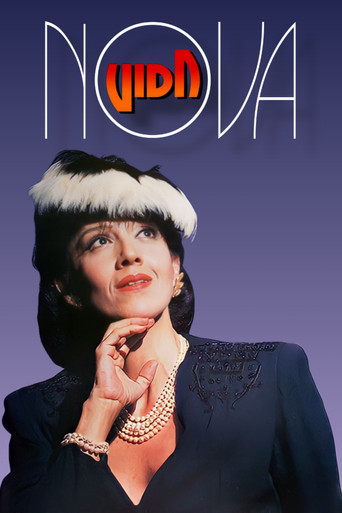
São Paulo, 1945. A tenement in the Bixiga neighborhood centralizes the plots and characters. The cheerful Lalá is a former prostitute who got along with a senator of the Republic, her lover, who, when he died, left her in an excellent financial situation, since she had a daughter with him, Marialina. Lalá is courted by the simple Italian Antônio Sapateiro, a mature man in love with her. The Portuguese Manoel Vitor loves the Jewish Ruth, but her parents forbid dating because of religion.
Vida Nova
1988
 7.0
Mário Fofoca, a bungling detective, moves to Rio and, with the help of a friend, investigates cases—starting with a wife's suspected infidelity.
Mário Fofoca
1983
 7.8
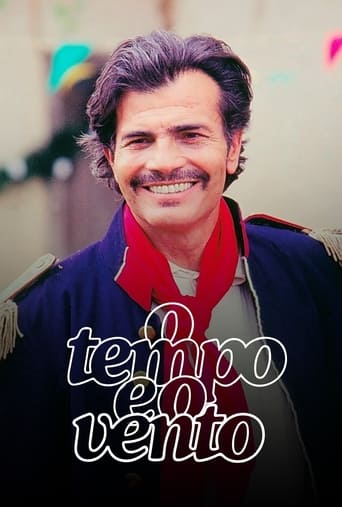
It tells the story of the Camabará family for many generations, which were fundamental to the social and political formation of the state of Rio Grande do Sul. The stories are remembered by Dona Bibiana, who remembers the life of her grandmother Ana, her husband, the Captain Rodrigo, his son Bolivar and his daughter-in-law Luzia.
O Tempo e o Vento
1985
 8.6
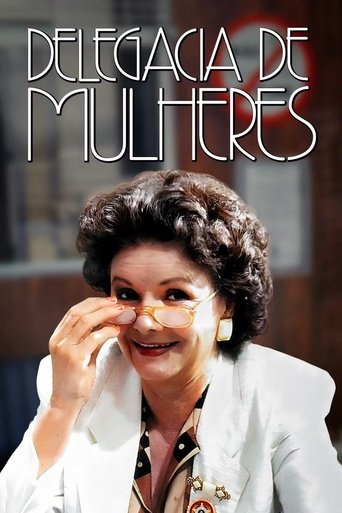
On her first day at the Women's Police Station, Detective Belinha surprises everyone, including Detective Celeste. Together, they confront cases of assault and unusual situations.
Delegacia de Mulheres
1989
 10.0
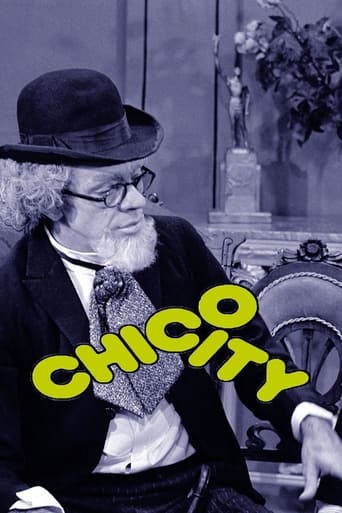
No synopsis available yet.
Chico City
1973
 3.0
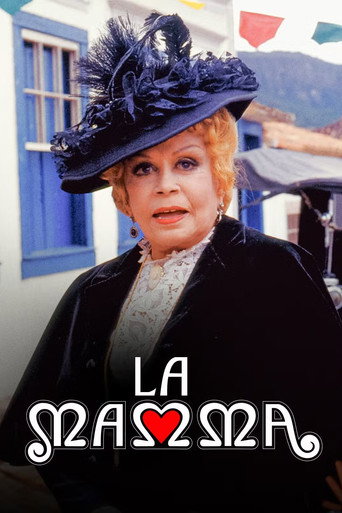
In 1920, in the Minas Gerais town of Bom Jesus da Moóca, La Mamma tries to protect her seductive son Manfredo Antônio from jealous husbands and a plot that threatens her reputation.
La Mamma
1990
No synopsis available yet.
Azambuja & Cia
1975