
Acting
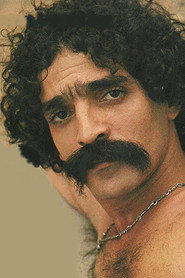
Ivan Setta
Born — Died
1946-02-01 — 2001-04-06
Place of birth
Rio de Janeiro, Rio de Janeiro, Brazil
Known for
Acting
Credits
44 titles
Ivan Silva de Vaz Setta (Rio de Janeiro, February 1, 1946 – Rio de Janeiro, April 6, 2001) was a Brazilian actor and playwright.
Known for
 8.0
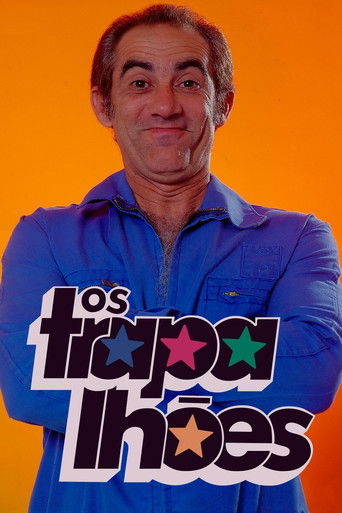
Os Trapalhões was a Brazilian comedy group and also a Brazilian television series created by Wilton Franco. Its members were Dedé Santana, Zacarias, Mussum and their leader Didi Mocó, that was played by Renato Aragão. The name Trapalhões is derived from the Portuguese verb atrapalhar, which means the opposite of helping, to do something the wrong way or to Those that confuse. The name is translated "Tramps" in English DVD subtitles. It was aired by Rede Globo from 1977 to 1999. On March 18, 1990, Zacarias died due to respiratory failure, but the group and the series didn't come to an end until July 29, 1994, when Mussum died due to an unsuccessful heart transplant.
The Trapalhões
1977
 8.8
In the tiny poor town of Asa Branca, in the middle of Brazilian Northeast, Roque Santeiro is worshiped as a saint. He was supposedly killed by a bandit, 18 years ago, trying to save the local church. After his disappearance, local leaderships such as landowner Sinhozinho Malta and mayor Florindo, took profit on that to control the humble population. They even make up a widow, Porcina, who should have married Roque secretly before his death. What they don't expect is that Roque is alive, and he's back to, allegedly, "save his people". Now Malta, Florindo, Porcina, and others must hold him down and explain the "truth" to their commoners, in a desperate attempt to save their own bottoms. Meanwhile, mysterious facts surround Asa Branca, such as a Werewolf, a film crew who are trying to shoot a movie about Roque's story, and violent murderers.
Roque Santeiro
1985
 8.5
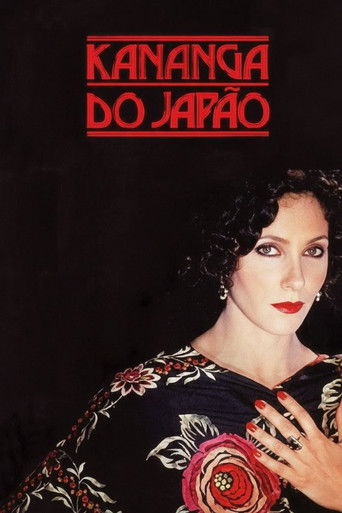
No synopsis available yet.
Kananga do Japão
1989
 7.3
After becoming a widower, businessman Aparício Varela takes over as president of Tecelagem Abdala and decides to win back the great love of his life, Rebeca.
Sassaricando
1987
 8.0
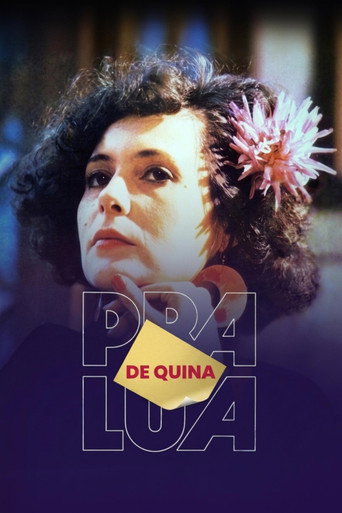
For 30 years, José João Batista—better known as Zezão—worked for the same company. After being forced into retirement by the board, he is left bitter and resentful, only to win a major lottery prize. However, he never collects the winnings, as he is struck and killed by a vehicle beforehand; the winning ticket ends up being buried with him. Angelina, Zezão’s wife, and their four children—Pedro, Jesus, André, and Maria de Fátima—search everywhere for the ticket, until Angelina has a vision of her late husband. In the vision, he reveals that he was buried with the ticket, which was tucked into the pocket of his suit jacket. Angelina then decides to exhume Zezão’s body. When the coffin is opened, the family discovers the corpse wearing only his underwear and concludes that the ticket has been stolen. This sets the stage for the soap opera's main plot: the search for the missing ticket.
De Quina Pra Lua
1985
 8.0
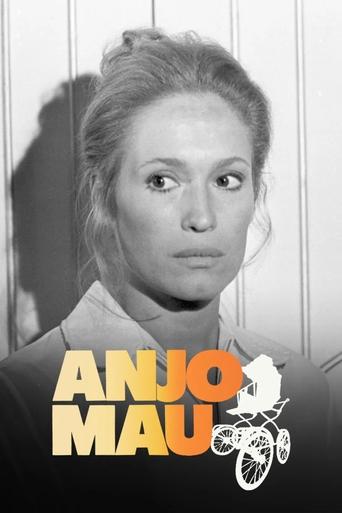
A poor young woman, unhappy with her inevitable destiny as a suburban housewife, gets a job as a nanny for a wealthy family and falls in love with her employer's brother, using every trick to win him over and ultimately become the lady of the mansion. .
Anjo Mau
1976
Film credits
2000s · 1 titles

1990s · 5 titles
 5.0
Kick-box champion David Sloan arrives in Rio de Janeiro for an exhibition fight. He and mentor Xian take pity on Brazilian rascal Marcos Coasta, an urchin who offers guide services but routinely steals from tourists for himself and his older sister Isabella. David is shocked when he sees how his Argentinian opponent Marcelo needlessly abuses a courteous local sparing partner. That's the doing of his evil US manager, Lane. He has nasty plans to force David to cheat and runs a white slavery racket.
Kickboxer 3: The Art of War
1992
 5.2
Eric, a successful Finnish conductor, has time to relax by the ocean after work in Rio de Janeiro. He finds it hard to forget an encounter with an extraordinary woman at the hotel.
Sambolico
1996
 4.0
During the Brazilian military dictatorship, a doctor forged autopsy reports to hide the victims of the regime.
Corpo em Delito
1990
 5.5
The story of one of the most important Brazilian heroes, Joaquim José da Silva Xavier, known as Tiradentes. He was the leader of a group who tried to proclaim Brazil's Independence from Portugal in 1789. But he was betrayed by one of his comrades and hanged.
Tiradentes
1999
No synopsis available yet.
O Marajá
1993
1980s · 4 titles
No synopsis available yet.
Churrascaria Brasil
1986
 6.5
An unhappily married cleaning woman in the slums of Rio entices all the money and gifts she can out of an elderly widower.
The Story of Fausta
1988
 5.3
Fernanda is content with her life until she meets Miguel, a drug addict, bisexual male prostitute. She becomes captivated by him and leaves her family behind in favor of a new life filled with sex and debauchery.
Happily Ever After
1985
Powerful magician goes to jail for creating illusion of affluence in Brazilian town.
The Wizard and the Sheriff
1983
1970s · 7 titles
 5.6
Solange is a recently married young woman whose wedding night did not end well. After constant fights with her husband, she decides to live through her sexual frustration by sleeping with strangers she picks up on crowded buses in Rio de Janeiro.
Lady on the Bus
1978
 5.0
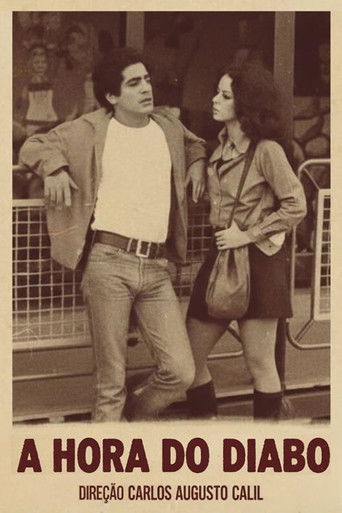
An ex-guerrilla fighter wants to leave and forget the past, but is blackmailed by an old friend, who threatens to turn him in. Pursued by the police, he is eventually arrested.
Devil's Hour
1971
 8.0
No synopsis available yet.
Pais Quadrados, Filhos Avançados
1970
 7.1
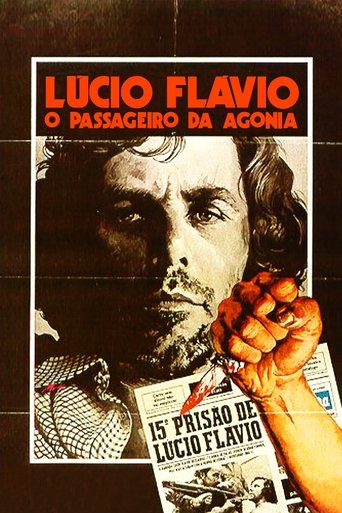
Story of Brazilian bank-robber Lúcio Flávio, who fascinated some people in Rio de Janeiro during the 1970s for his bold robberies and spectacular escapes, and also because he was thought to be intelligent and "politically aware". Before dying, he disclosed a network of corruption in Brazilian Police, and its involvement with the infamous "Death Squad" of the time, a group of policemen who went about killing criminals without giving them a fair trial.
Lucio Flavio
1977
 8.0
No synopsis available yet.
A Extorsão
1975
 4.5
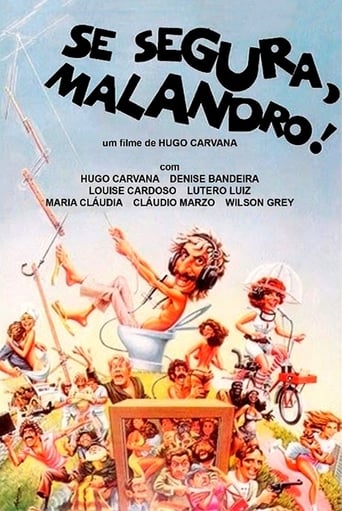
Paulo Otávio is the host of a pirate radio station on the slums of Rio de Janeiro. He struggles to mantain the station working, since the only help he's got comes from news reporter Calói. Their story goes beyond as the city starts to face a crime wave.
Se Segura, Malandro!
1978
 7.0
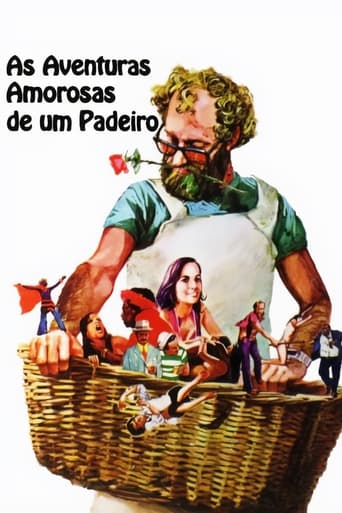
A newlywed woman, frustrated after her honeymoon, decides to search for lovers on the streets and ends up causing a conflict between her husband, a baker and a black artist.
As Aventuras Amorosas de um Padeiro
1975
Series credits
8.0Os Trapalhões was a Brazilian comedy group and also a Brazilian television series created by Wilton Franco. Its members were Dedé Santana, Zacarias, Mussum and their leader Didi Mocó, that was played by Renato Aragão. The name Trapalhões is derived from the Portuguese verb atrapalhar, which means the opposite of helping, to do something the wrong way or to Those that confuse. The name is translated "Tramps" in English DVD subtitles. It was aired by Rede Globo from 1977 to 1999. On March 18, 1990, Zacarias died due to respiratory failure, but the group and the series didn't come to an end until July 29, 1994, when Mussum died due to an unsuccessful heart transplant.
The Trapalhões
1977
8.8In the tiny poor town of Asa Branca, in the middle of Brazilian Northeast, Roque Santeiro is worshiped as a saint. He was supposedly killed by a bandit, 18 years ago, trying to save the local church. After his disappearance, local leaderships such as landowner Sinhozinho Malta and mayor Florindo, took profit on that to control the humble population. They even make up a widow, Porcina, who should have married Roque secretly before his death. What they don't expect is that Roque is alive, and he's back to, allegedly, "save his people". Now Malta, Florindo, Porcina, and others must hold him down and explain the "truth" to their commoners, in a desperate attempt to save their own bottoms. Meanwhile, mysterious facts surround Asa Branca, such as a Werewolf, a film crew who are trying to shoot a movie about Roque's story, and violent murderers.
Roque Santeiro
1985
8.5No synopsis available yet.
Kananga do Japão
1989
7.3After becoming a widower, businessman Aparício Varela takes over as president of Tecelagem Abdala and decides to win back the great love of his life, Rebeca.
Sassaricando
1987
8.0For 30 years, José João Batista—better known as Zezão—worked for the same company. After being forced into retirement by the board, he is left bitter and resentful, only to win a major lottery prize. However, he never collects the winnings, as he is struck and killed by a vehicle beforehand; the winning ticket ends up being buried with him. Angelina, Zezão’s wife, and their four children—Pedro, Jesus, André, and Maria de Fátima—search everywhere for the ticket, until Angelina has a vision of her late husband. In the vision, he reveals that he was buried with the ticket, which was tucked into the pocket of his suit jacket. Angelina then decides to exhume Zezão’s body. When the coffin is opened, the family discovers the corpse wearing only his underwear and concludes that the ticket has been stolen. This sets the stage for the soap opera's main plot: the search for the missing ticket.
De Quina Pra Lua
1985
8.0A poor young woman, unhappy with her inevitable destiny as a suburban housewife, gets a job as a nanny for a wealthy family and falls in love with her employer's brother, using every trick to win him over and ultimately become the lady of the mansion. .
Anjo Mau
1976
 7.3
In the imaginary king of Avilan, the bastard prince Jean Pierre leads a popular group against councilors who will invade Rainha Valentine's palace and take away the power.
Que Rei Sou Eu?
1989
 8.3
Saramandaia is a Brazilian telenovela originally written by Dias Gomes in 1976. It's considered remarkable because of the Magic Realism (used by the author to subtly criticize the Military Regime of the time) and had 160 chapters. The story centers on the name change that the city undergoes, promoted by the younger citizens and reviled by the older ones. It also focuses on the lives of the city's quirky residents.
Saramandaia
1976
 9.4
Romantic and dreamy, Eliana works at a five-star hotel and becomes involved with unrequited love, a bumbling gang, and a complex police story.
Feijão Maravilha
1979
 7.2
The cunning Senator Petrônio Paranhos gives an interview to the beautiful journalist Magali Santanna, who is interested only in his affair with Arlete—an ambitious young woman intent on conceiving the older man's child via in vitro fertilization. To land this scoop, Magali agreed to interview the politician in a motel room, a condition he had insisted upon. However, Paranhos suffers a sudden collapse and dies during the interview. Detective Aristênio Catanduva, who had been keeping the senator under surveillance, investigates the case. Known by the codename "Araponga," he is a bumbling figure working for the Federal Police following his long service to the military regime.
Araponga
1990
 8.5
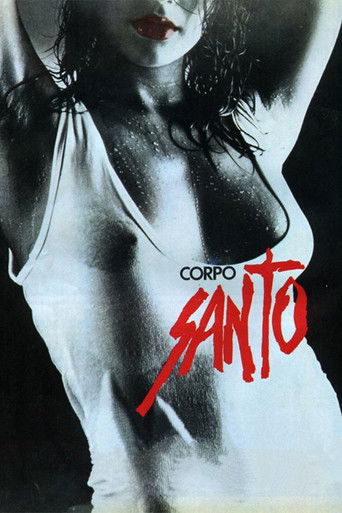
No synopsis available yet.
Corpo Santo
1987
 8.0
No synopsis available yet.
Olho por Olho
1988
 7.0
Sisters Cotinha, Das Graças, Rosário, and Dorzinha work as domestic servants in Rio de Janeiro and face difficulties in their struggle for a better life.
Sem Lenço, Sem Documento
1977
 6.0
No synopsis available yet.
O Rebu
1974
No synopsis available yet.
Guerra Sem Fim
1993
 8.0
No synopsis available yet.
Obrigado, Doutor
1981
 8.0
The soap opera follows the story of young Aurélia Camargo (Norma Blum), a girl who falls in love with the ambitious young journalist Fernando Seixas (Cláudio Marzo), who also falls in love with her, but rejects her when he receives an invitation to marry Adelaide (Fátima Freire), the daughter of Tavares do Amaral (Felipe Wagner), a wealthy banker. Feeling abandoned by her great love, Aurélia dreams of one day having him back. Until, when she turns 18, she is surprised with an inheritance from her grandfather, and becomes a very rich woman, allowing her to create her own rules for her life. However, for the society of the time, it was not good form for a woman to enjoy such independence. For this reason, Aurélia begins to rely on a distant relative, Dona Firmina Mascarenhas (Zilka Sallaberry), to act as her mother, and on the administrator Mr. Lemos (Alberto Perez), to guide her in business. So, she sees a great opportunity to have Fernando in her life again.
Senhora
1975
 7.0
Mário Fofoca, a bungling detective, moves to Rio and, with the help of a friend, investigates cases—starting with a wife's suspected infidelity.
Mário Fofoca
1983
7.0Mário Fofoca, a bungling detective, moves to Rio and, with the help of a friend, investigates cases—starting with a wife's suspected infidelity.
Mário Fofoca
1983
 5.8
It tells the story of young people who dream of a modeling career and the rise of their lives. It all starts when the Sex Appeal agency, led by Edgar and Cecilia, runs a contest that will award the winner two hundred thousand dollars and the possibility of living abroad. The main competitors are Angel, Vilma, Eva and Claudinha. They will do anything to earn, even things they would never imagine doing.
Sex Appeal
1993
 7.9
A cowboy narrates his 'jagunço' life of disputes, revenges, loves and deaths, through the years that he traveled central-east Brazil, in the first decades of the 20th century, while federal troops were in conflict with provincial forces.
Grande Sertão: Veredas
1985
 10.0
The miniseries tells the story of Leninha, who marries Paulo due to a financial agreement made by her father, Dílson. Her life changes when she meets her brother-in-law, Mauricio, during a trip to her husband's farm in the interior of Rio de Janeiro. The two fall in love and become lovers. Leninha then begins to experience a great conflict: social and moral rules impose on her the behavior of a good wife, faithful and companion, but her desire for Maurício speaks louder. Consuelo, mother of Paulo and Maurício, realizes what is happening and begins to antagonize her daughter-in-law. Upon discovering the betrayal, Paulo starts to hate his brother. At the end of the plot, Leninha decides to stay with her husband, and the couple happily announces that they will have a child. Mauricio despairs, but later recovers in Regina's arms.
Meu Destino É Pecar
1984
 8.8
When accused of disobeying Church norms and having his priestly rights suspended, Father Cícero intensifies his political activity in fulfilling his pastoral mission.
Padre Cícero
1984
 8.0
The plot begins in 1975 with the death of Paulo Alberto, a criminal who leaves his mistress Marluce a watch containing diamonds from his last robbery. Corrupt police officer Tito Lívio and serious Lucena are tasked with finding the jewels. Meanwhile, at Ilha Grande Prison, Jorge Fernando, Paulo Alberto's cousin, is detained. He wants to recover the diamonds and now commands the faction. While searching for Marluce, Tito Lívio is investigated by prosecutor Álvaro and later arrested in Ilha Grande. There, he kills Jorge Fernando and takes command of the Falange. Junior, son of Pinheiro de Melo, owner of a front car dealership and arms dealer, is appointed the new head of the already weakened organization.
Bandidos da Falange
1983
No synopsis available yet.
Escrava Anastácia
1990
 8.0
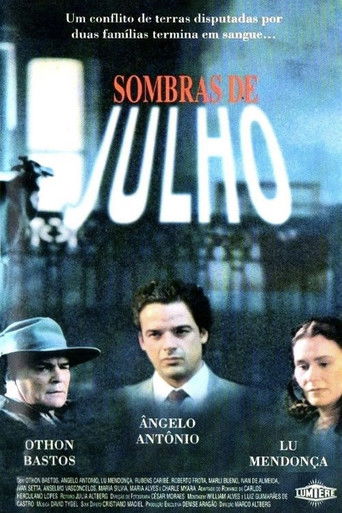
A tragedy happens when a cruel farmer forces his son to kill his best friend, son of a rival farmer's, in ambush. The crime brings about serious consequences for the two families, involved in a land dispute in Minas Gerais, a Brazilian state.
Sombras de Julho
1995