

Acting
Márcia Rodrigues
Born
1949-05-11 (77)
Place of birth
Rio de Janeiro, Rio de Janeiro, Brazil
Known for
Acting
Credits
24 titles
Born Márcia Lessin Rodrigues.
Known for
 7.0
Cláudia returns to her rural hometown in order to take revenge for the murder of her family a long time ago. She believes that the Flores family committed the crime and tries to destroy them....
Wildcat
1988
 9.0
The big shot Albert returns after three years, reuniting with his family — his parents and his sister. And he gets in touch with some acquaintances, such as his old friend Vitório and a decadent high society woman. And once again Albert, the Rockefeller gets involved with millionaires and opportunists.
The Return Of The Rockefeller
1973
 7.0
Unhappy in her marriage, Rachel decides to separate from her husband, the businessman Virgílio. Determined to turn her life around, she moves from Petrópolis to the southern zone of Rio de Janeiro with her daughter, Clara, and goes to live in her mother Laura's house in Ipanema. There she falls in love with the charming, but gruff, Heitor, owner of a mechanic shop. He lives with his sister, Irene, in an old townhouse, one of the main settings of the telenovela.
The Summer Sun
1982
 NR
No synopsis available yet.
Bandeira 2
1971
 7.7
No synopsis available yet.
O Pulo do Gato
1978
 7.5
No synopsis available yet.
Brilhante
1981
Film credits

1980s · 3 titles
 6.1
Ana is going through psychological problems. She and lifelong friend Cléia decide to revisit the place they spent their childhood together in an attempt to get better results in her treatment. But they meet a stranger who will upset their plans.
Wistful Lover
1984
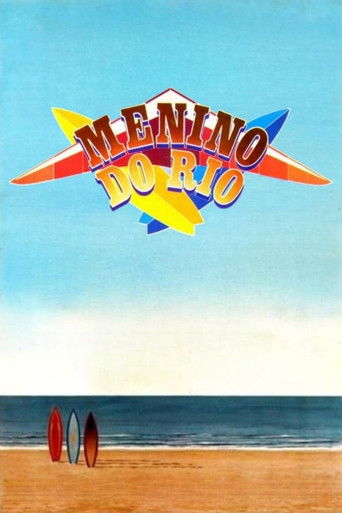 6.5
Romantic adventures of a group of Rio de Janeiro teenagers and surfers.
Menino do Rio
1982
 6.5
Irreverent adaptation of great writer Machado de Assis's masterpiece "Memórias Póstumas de Brás Cubas" ("Brás Cubas's Posthumous Memories"). A dead man tells about his love life and adventures, specially his affair with Virgília, a dubious married woman.
Brás Cubas
1985
1970s · 5 titles
 5.6
Solange is a recently married young woman whose wedding night did not end well. After constant fights with her husband, she decides to live through her sexual frustration by sleeping with strangers she picks up on crowded buses in Rio de Janeiro.
Lady on the Bus
1978
 4.7
In the 60's Lúcia McCartney is a call girl who is a fan of the Beatles. A diplomat tries to get her out of prostitution by falling in love with her.
Lucia McCartney, Call Girl
1971
 4.3
Tadeu, a poor lad from the Northeast of Brazil, comes to Rio de Janeiro to try his luck. His good looks and education win him the favor of rich people. In his spare time, he becomes the favorite among lonely and rich ladies. Soon he gets involved in trouble.
The Rich Are Something Else
1977
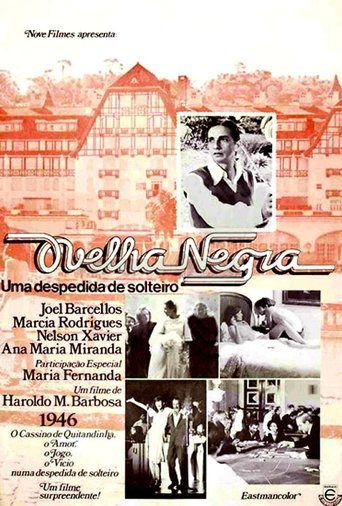 5.8
João, a playboy, spends his last day as a single in a resort hotel, where he seduces a teenager and gets involved with the casino singer.
Ovelha Negra, Uma Despedida de Solteiro
1974
 9.0
Experimental film by Haroldo Marinho Barbosa.
Vida de Artista
1971
1960s · 5 titles
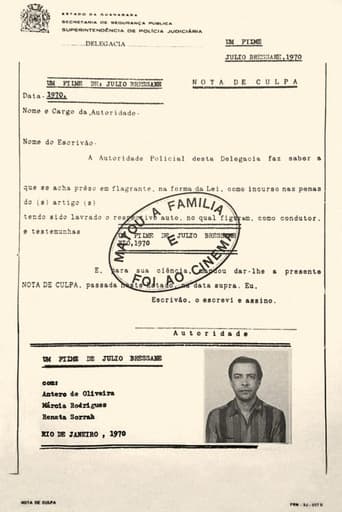 6.6
A man living with his parents in a low middle-class apartment in Rio de Janeiro coldly stabs them with a razor and then goes to the movies. Marcia, a rich and dissatisfied young woman, takes advantage of a trip from her husband to go to her home in Petrópolis, where she receives a visit from an old friend, Regina.
Killed the Family and Went to the Movies
1969
 6.3
Chronicles the life of a 17 year-old girl living in the upper-class Rio de Janeiro neighbourhood of Ipanema. Márcia lives a life of parties and spend her days among bohemians, musicians and intellectuals. While seeming happy in the outside, she's extremely anguished inside. Based on the famous song by Antonio Carlos Jobim and Vinicius de Moraes.
The Girl from Ipanema
1967
 6.8
During the Brazilian military government, journalist Estêvão is sent from Rio de Janeiro to Brasilia to cover the important statement of a minister, but takes the opportunity to deliver incriminating documents to another one.
On Borrowed Time
1968
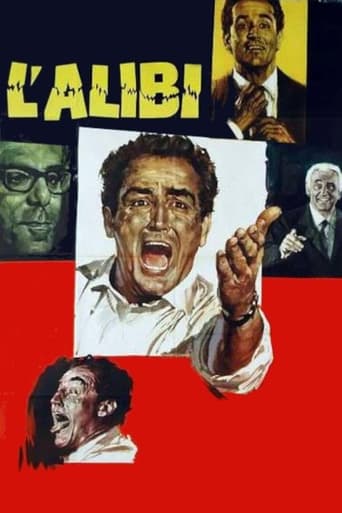 6.0
Three friends meeting after the absence of one of them for 15 years out of the country. This sudden gathering give them the opportunity to examine their life, to criticize one another on their achievements.
Alibi
1969
 5.9
A shockingly irreverent follow-up to the rural austerity of Barren Lives, dos Santos’ Godardian social satire owes more than a nod to the self-conscious antics of the French New Wave. The pampered son of a general, El Justicero is a hipster playboy who fancies himself a James Bond/Jean Paul Sartre urban hero. “Archetypical” yet “full of contradictions,” he sees that justice is achieved for the disadvantaged while taking advantage of certain bourgeois perks. His exploits are closely followed and eventually directed by his biographer who decides a film is not only more lucrative than a book, but it gives him the luxury of reviewing previous scenes. Unlike Bond, El Jus eventually experiences an awakening which threatens to compromise the entertainment value and glamour of his life story. - Harvard Film Archive
El Justicero
1967
Undated · 1 titles
Series credits
7.0Cláudia returns to her rural hometown in order to take revenge for the murder of her family a long time ago. She believes that the Flores family committed the crime and tries to destroy them....
Wildcat
1988
9.0The big shot Albert returns after three years, reuniting with his family — his parents and his sister. And he gets in touch with some acquaintances, such as his old friend Vitório and a decadent high society woman. And once again Albert, the Rockefeller gets involved with millionaires and opportunists.
The Return Of The Rockefeller
1973
7.0Unhappy in her marriage, Rachel decides to separate from her husband, the businessman Virgílio. Determined to turn her life around, she moves from Petrópolis to the southern zone of Rio de Janeiro with her daughter, Clara, and goes to live in her mother Laura's house in Ipanema. There she falls in love with the charming, but gruff, Heitor, owner of a mechanic shop. He lives with his sister, Irene, in an old townhouse, one of the main settings of the telenovela.
The Summer Sun
1982
NRNo synopsis available yet.
Bandeira 2
1971
7.7No synopsis available yet.
O Pulo do Gato
1978
7.5No synopsis available yet.
Brilhante
1981
 8.5
No synopsis available yet.
Corpo Santo
1987
 9.0
No synopsis available yet.
O Bofe
1972
 6.7
No synopsis available yet.
Viver a Vida
1984