

Acting
José Vasconcellos
Born — Died
1926-03-20 — 2011-10-11
Place of birth
Rio Branco, Acre, Brazil
Known for
Acting
Credits
17 titles
Known for
 NR
No synopsis available yet.
Balança Mas Não Cai
1968
 8.0
The irreverent Dulcinéa struggles to keep her revue theater, *Mambembe*, afloat; the building itself belongs to the traditional Maldonado family. The patriarch, Salvador Maldonado—a conservative man—keeps a tight rein on the clan, maintaining control over both the business and his children: Joana, an elegant and snobbish woman who is the staunchest defender of the views held by Pops, as the children call him; Téo, who has always silently submitted to the old man's high-handedness; Walter, dominated by his older sister and his father's favorite; and Lalucha, the youngest, a film student who challenges the status quo and rebels against the family's stuffy conservatism.
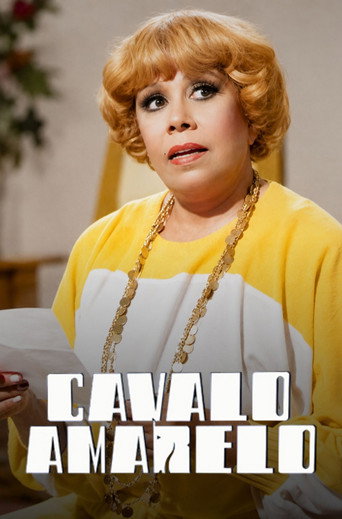
Cavalo Amarelo
1980
 7.0
Mário Fofoca, a bungling detective, moves to Rio and, with the help of a friend, investigates cases—starting with a wife's suspected infidelity.
Mário Fofoca
1983
 10.0
No synopsis available yet.
Faça Humor, Não Faça Guerra
1970
 NR
No synopsis available yet.
Satiricom
1973
 8.6
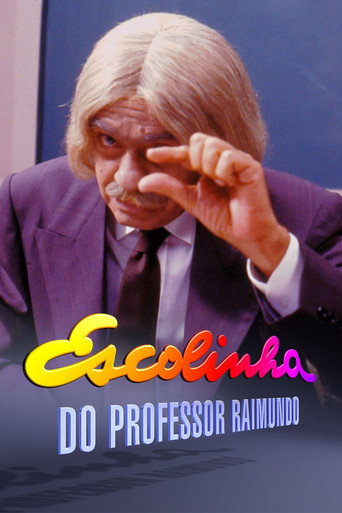
'Escolinha do Professor Raimundo' was a comedy program starring Chico Anysio, the unforgettable Professor Raimundo Nonato, and which brought together some of the biggest names in Brazilian comedy. Marked by informality and improvisation, the School was a landmark, immortalized catchphrases like "And the salary, huh?" and paved the way for new and established talents. Created in 1952 by radio host and comedian Haroldo Barbosa for Rádio Mayrink Veiga, the School arrived on TV five years later as a segment of the program Noites Cariocas, on TV Rio. For 38 years, the School was a segment hosted by Chico Anysio in various comedy programs. In 1990, it premiered as an independent program on Globo and became a classic of Brazilian television.
Escolinha do Professor Raimundo
1990
Film credits
2000s · 5 titles
 4.0
Felício, an old comedian, is in decadence after his partner Mandarim's suicide. When he finds out his former love Paloma has died, he leaves São Paulo and heads for the faraway State of Piauí, North of Brazil, in search of a new partner. He believes that if he manages to find him, the good times will return.
Onde Anda Você
2004
 NR
No synopsis available yet.
3 Clones
2003
 6.0
The tomboyish, outgoing Julieta is the daughter of a member of the Palmeiras soccer club board. She is constantly frustrated by what she sees as institutional bias against women in soccer. One day while watching her beloved Palmeiras, she is struck by a handsome man, Romeu, that she sees rooting for the Palmeiras' chief rivals, the Corinthians. After meeting the same man again in the middle of eye exam, Julieta and Romeu quickly become a couple. However, in order to avoid incurring the wrath of her parents, Romeu is forced to pretend to be an adoring Palmeiras fan, an increasingly difficult task for the die-hard Corinthiano.
Romeo and Juliet Get Married
2005
 NR
No synopsis available yet.
Bom Dia, Eternidade
2006
No synopsis available yet.
Ele é o Espetáculo: José Vasconcelos
2009
1980s · 2 titles
 5.0
A journey back in time in the form of a cartoon with characterizations of the Trapalhões, from the time of the Roman Empire to the present day, through the Middle Ages, the Old West and the First World War. They begin the film by doing a stand-up show at the Teatro Scala, in Rio de Janeiro, receiving on stage the designer Mauricio de Sousa. From then on, the story unfolds in a cartoon, in which Os Trapalhões is chased by an evil wizard whose aim is to try to hold Didi's (always unsuccessful) hand to rule the world during the passage of the famous Halley Comet.
Os Trapalhões no Rabo do Cometa
1986
 5.4
The Trapalhões put on a show to raise money for an orphanage run by Sister Maria (Xuxa), which is facing financial difficulties. During the performance, the ticket money is stolen. Now, the Trapalhões and Sister Maria must go on an adventure to catch the thieves.
Os Trapalhões no Reino da Fantasia
1985
1970s · 2 titles
No synopsis available yet.
Agência Lig-Pag
1974
 5.8
Two friends live without knowing a most awkward situation: each one is the lover of the other's wife. Jealous, they hire the same private eye to track their women, who, of course, gets very embarassed by the situation, especially when the two couples rent rooms at the same hotel.
Os Maridos Traem... e as Mulheres Subtraem
1970
1940s · 1 titles

Series credits
NRNo synopsis available yet.
Balança Mas Não Cai
1968
8.0The irreverent Dulcinéa struggles to keep her revue theater, *Mambembe*, afloat; the building itself belongs to the traditional Maldonado family. The patriarch, Salvador Maldonado—a conservative man—keeps a tight rein on the clan, maintaining control over both the business and his children: Joana, an elegant and snobbish woman who is the staunchest defender of the views held by Pops, as the children call him; Téo, who has always silently submitted to the old man's high-handedness; Walter, dominated by his older sister and his father's favorite; and Lalucha, the youngest, a film student who challenges the status quo and rebels against the family's stuffy conservatism.
Cavalo Amarelo
1980
7.0Mário Fofoca, a bungling detective, moves to Rio and, with the help of a friend, investigates cases—starting with a wife's suspected infidelity.
Mário Fofoca
1983
10.0No synopsis available yet.
Faça Humor, Não Faça Guerra
1970
NRNo synopsis available yet.
Satiricom
1973
8.6'Escolinha do Professor Raimundo' was a comedy program starring Chico Anysio, the unforgettable Professor Raimundo Nonato, and which brought together some of the biggest names in Brazilian comedy. Marked by informality and improvisation, the School was a landmark, immortalized catchphrases like "And the salary, huh?" and paved the way for new and established talents. Created in 1952 by radio host and comedian Haroldo Barbosa for Rádio Mayrink Veiga, the School arrived on TV five years later as a segment of the program Noites Cariocas, on TV Rio. For 38 years, the School was a segment hosted by Chico Anysio in various comedy programs. In 1990, it premiered as an independent program on Globo and became a classic of Brazilian television.
Escolinha do Professor Raimundo
1990
 3.0
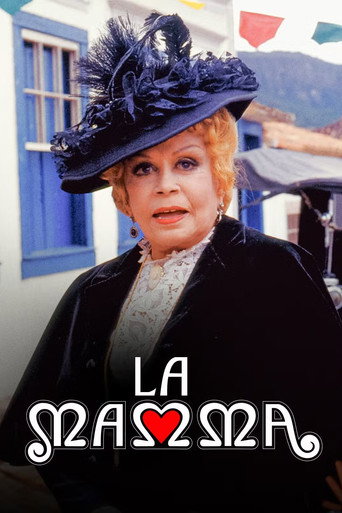
In 1920, in the Minas Gerais town of Bom Jesus da Moóca, La Mamma tries to protect her seductive son Manfredo Antônio from jealous husbands and a plot that threatens her reputation.
La Mamma
1990