
Acting
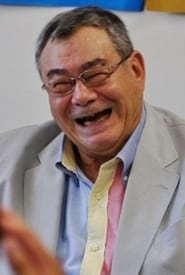
Masaya Nihei
Born — Died
1940-12-04 — 2021-08-21
Place of birth
Nagatachō, Tokyo, Japan
Known for
Acting
Credits
59 titles
Known for
 8.3
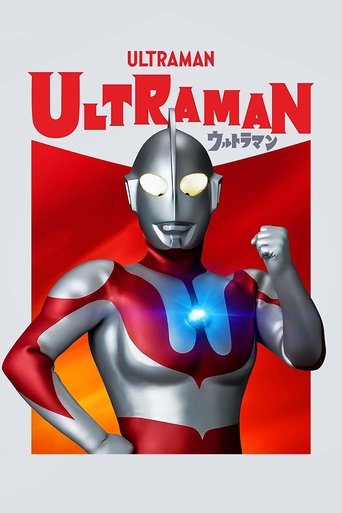
8.3Hayata is a member of the Science Patrol, an organization tasked with investigating bizarre anomalies. He is mortally wounded when accidently encountering an alien being from Land of Light, who grants Hayata new life as the two are merged into one. Now, whenever a threat arises that is too great for the Science Patrol to handle, Hayata activates the beta capsule and becomes the hero known as Ultraman.
Ultraman
1966
 8.0
8.0In 1999, advanced science and technology enriched people's lives, but the damage caused when they were misused for crimes or went out of control and went out of control was also great. The Special Rescue Police Winspector (abbreviated as WSP) was established to deal with such a situation. Their purpose is not only to investigate crimes and arrest suspects but also to save the lives of those involved in crimes and disasters.
Special Rescue Police Winspector
1990
 7.9
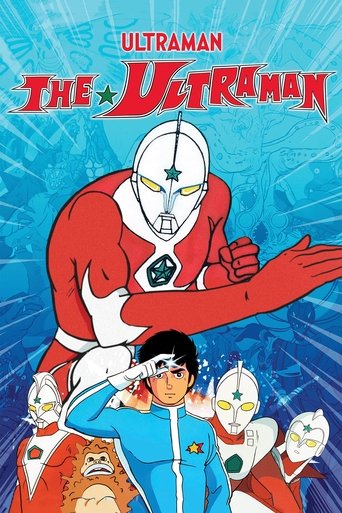
7.9Joneus (Joe), a new Ultraman from U-40, merges with young Science Garrison member Chôichirô Hikari to defend the Earth in the first animated Ultra Series entry.
The Ultraman
1979
 8.0
8.0As supernatural events and monster attacks rock Japan, the military and government look to be overwhelmed. Three intrepid young investigators—two pilots and a reporter—take it upon themselves to study these unexplained phenomena in order to inform and protect the public.
Ultra Q
1966
 10.0
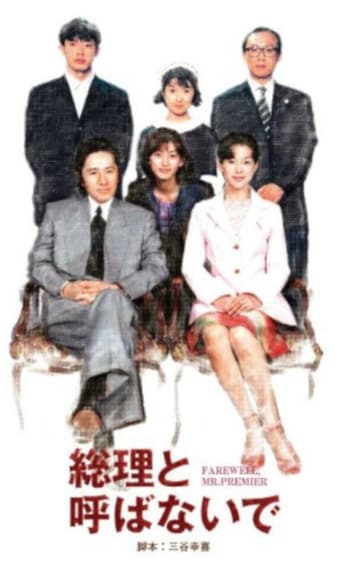
10.0What happens when the Prime Minister of Japan suddenly has the lowest approval ratings in history? Tamura Masakazu plays an unpopular Prime Minister who faces daily protests of citizens, inside betrayals, and the decision of a new Chief Cabinet Secretary. He makes an unprecedented selection, choosing his daughter's private tutor, who is only in his 20s and not even a politician! Will the Prime Minister be able to turn his ratings around, or will he be forced to resign? This drama focuses on the government of Japan, with a comedic twist.
Farewell, Mr. Premier
1997
 6.5
6.5Espionage team Mighty Jack, headquartered on a flying submarine, oppose an organization known as Q.
Mighty Jack
1968
Film credits
1990s · 3 titles
 7.1
7.1Ultraman Zearth hails from The Land of Pikari in Nebula Z95. He has a big red face and dislikes dirt, and will go to great lengths to wash it off his hands. His goal is to clean the polluted Earth. He transforms with an electric toothbrush, which is consistent with his hygiene fixation. He's not quite adept at being a superhero, but at least he tries his best.
Ultraman Zearth
1996
 7.0
7.0Ultraman Shadow, Ultraman Zearth's most terrifying adversary yet, is brought to Earth by the murderous alien, Lady Benzen to be Ultraman Zearth's assassin. Ultraman Shadow is a warrior of darkness equipped with mysterious powers. Prepare to witness the ultimate showdown, colossus versus mighty colossus, the battle ground: Planet Earth!
Ultraman Zearth 2: Superhuman Big Battle - Light and Shadow
1997
 5.8
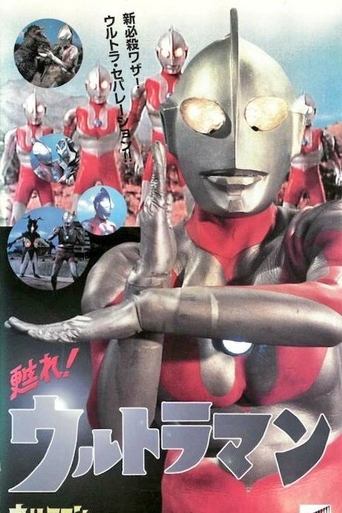
5.8The film is composed of stock footage from the original Ultraman television series with additional newly filmed content, and it served as an “epilogue” as Ultraman returns to Earth for one final battle.
Revive! Ultraman
1996
1980s · 4 titles
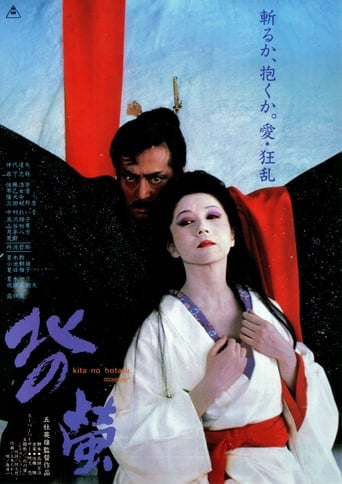 5.6
5.6Set in the icy wilderness of Hokkaido during the early days of the Meiji era, where the brutal warden of Kabato Prison terrorizes convicts sentenced to forced labor to build the roads needed to open up the territory.
Fireflies in the North
1984
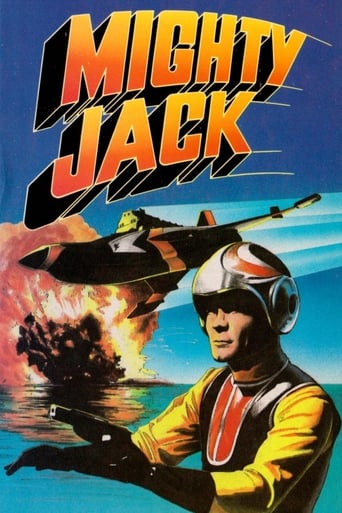 3.0
3.0The organization Mighty Jack is formed to combat the criminal syndicate known as "Q", and are given a large array of advanced weapons, chief among them being a high-tech submarine. Harold Hatari is abducted by Q, and Mighty Jack is dispatched to rescue him. Hatari is interrogated and threatened with blinding lights, but the Mighty Jack crew rescue him in the nick of time. Later, Q is discovered to be using "hot ice" (water that remains solid at room temperature) to create weapons and a secret ocean base disguised as an iceberg (though it's not precisely clear how hot ice could be a major world threat). Q then attempts to take over the Mighty Jack sub.
Mighty Jack
1987
 2.0
2.0The night in Ginza was shimmering with neon lights. A grand celebration was being held for the seventh anniversary of the club "Ayako." Among the celebrities gathered for the beautiful Madame Ayako were Ayako's patron, businessman Hisamatsu Kozo; Madame Kahoru of "Black Pearl"; Madame Reiko of "La Bonne"; and the drunken, disheveled Fukiko, the owner of "Pahiyon," who relentlessly insulted Ayako. The next day, Fukiko jumped from the roof of a building. Her suicide, the result of her failure to attract customers, seemed to symbolize the harshness of Ginza beneath its glamor.
Lady on 6th Street: Taste of Honey
1982
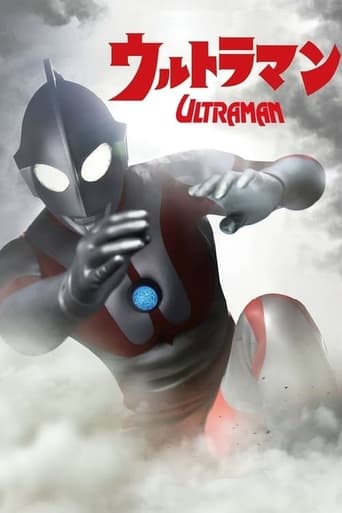 6.5
6.5Theatrical version of episode 20 of Ultraman (1966 TV series). An enormous bird-monster is attacking motorists on Route 87. The Science Patrol discovers a supernatural link between the monster and a statue located nearby.
Ultraman: Terror on Route 87
1989
1970s · 13 titles
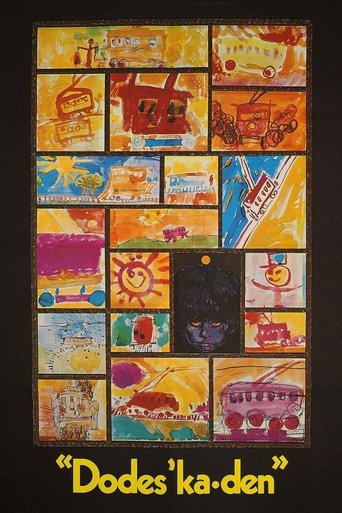 7.1
7.1On a Tokyo dump’s shantytown edge, interwoven vignettes follow residents scraping by: a boy who “drives” an imaginary trolley, a homeless father and son designing a dream house, a young woman brutalized at home, drunks, schemers, and saints of small kindnesses. Kurosawa crafts a ragged mosaic of hardship, fantasy, and flickers of grace that keep people moving forward.
Dodes'ka-den
1970
 6.0
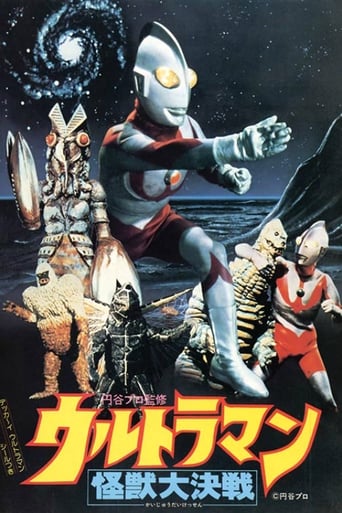
6.0A 1979 Japanese tokusatsu kaiju film produced by Tsuburaya Productions, consisting of re-edited material from the original television series Ultraman. Ultraman: The Great Decisive Battle was the 1st movie of the third Showa phase (Jissouji's Ultraman being first and Ultra Brothers vs. The Monster Army being second) and because of this Tsuburaya decided to make this a reunion of the last 12 Ultras (aside from Ultraman 80 which hadn't come out yet). Tsuburaya decided to give this a different tone than Jissouji's Ultraman, having more new scenes and appealing to the all-Ultra fan.
Ultraman: Great Monster Decisive Battle
1979
 7.8
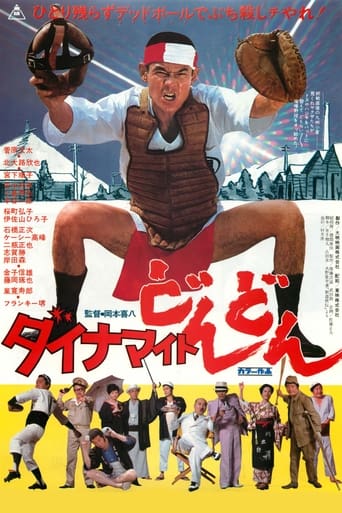
7.8Yakuza Gang War is at the height in North Kyūshū Area in the summer of 1950, particularly between the Okagen Group and the rising Hashiden Gang. Now with the mediation/interference of the Americans, they decide to settle it in a peaceful, *democratic* way, that is, to settle it with a baseball game. Now, with its money and power, The Hashiden group soon recruits a group of gamblers known to be good at baseball from the whole country. So, what is the Okagen Gumi gonna do?
Dynamite Don-Don
1978
 8.0
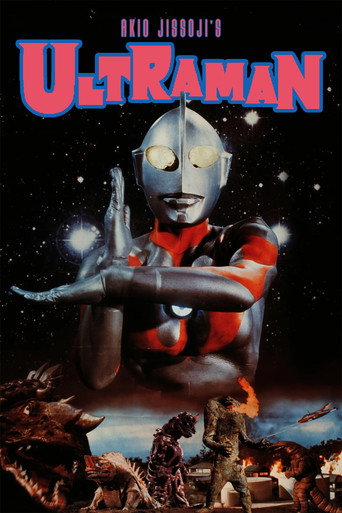
8.0Akio Jissoji's Ultraman is a 1979 Japanese tokusatsu kaiju film directed by Akio Jissoji. It is a compilation film made up of scenes from Jissoji's episodes of the original Ultraman TV series.
Akio Jissoji's Ultraman
1979
 NR
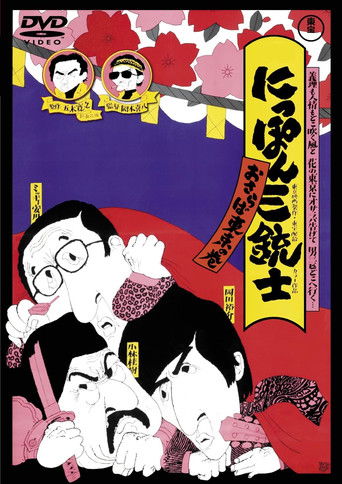
NRThree men with completely different backgrounds and beliefs—one in his forties who lived through the war, one in his thirties who grew up in the postwar era, and one in his twenties who has never experienced the war—hit it off and cause a great commotion.
The Three Musketeers of Japan: Adieu, Tokyo!
1972
 6.0
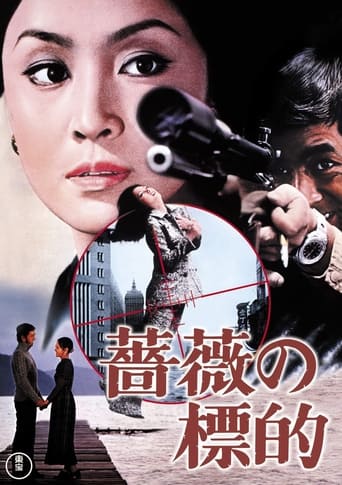
6.0A gunslinger is hired to kill a news photographer. The young ward of the shot photographer discovers the set-up behind the killing - that a laboratory is being set up by a Nazi organization to capture and train talented youth and that the photographer was about to expose it.
Red Target
1972
 NR
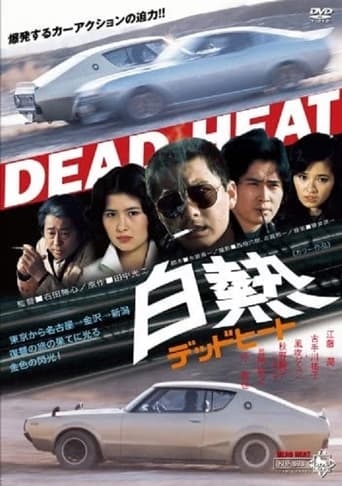
NRTaku abandons his job and his girlfriend and embarks on a journey of revenge in his turbo-tuned silver Celica LB, chasing the evil gold Skyline Hardtop GT, nicknamed "Phantom," that killed his friend.
Hakunetsu Dead Heat
1977
 6.7
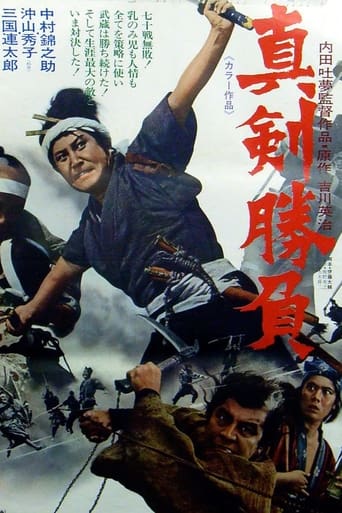
6.7In the sixth and final episode Rentaro Mikuni steals the show as Baiken Shishido, Musashi's nemesis. Mikuni is the nominal villain of the film, but he is a devoted husband and father as well. He tries to kill Musashi only to avenge the death of his brother-in-law. While Baiken (who wields a chain and sickle against Musashi's sword) is a very human character and the emotions that Mikuni displays in his performance are quite believable and engaging
Miyamoto Musashi VI: Swords of Death
1971
 6.5
6.5The disbandment of the Tanno clan left gang member Tetsu to stray from the crime family's fold. He roamed the streets as a one man band, wearing a denim jacket and long hair with sunglasses to cover his piercing eyes. Befriending a like-minded lone wolf by the name of Gebasaku, Tetsu builds a coalition against higher forces. A graphic portrayal of irrepressible anger and a friendship worth dying for.
Melody of Rebellion
1970
 NR
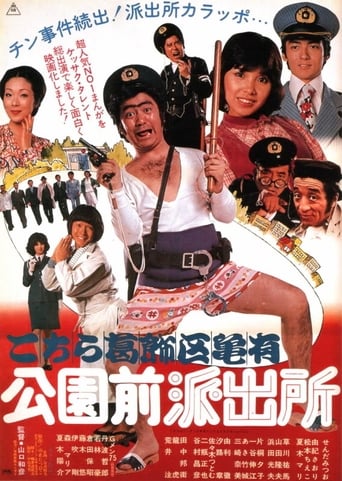
NRNo synopsis available yet.
The Extravagant Cops
1977
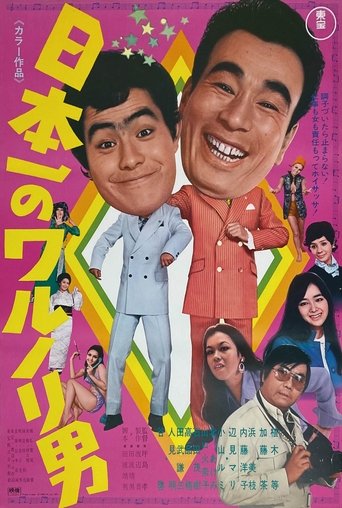 8.0
8.0The ninth installment of ten in Nippon Ichi film series.
Japan's No. 1 Mischievous Man
1970
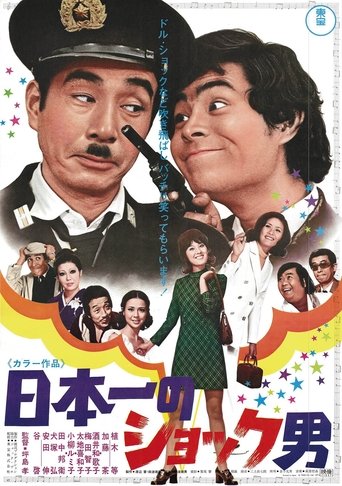 10.0
10.0The last (10th) Toho "Crazy film" in the Nippon Ichi series.
Japan's No. 1 Shocked Man
1971
 NR
NRA salaryman promoted against his will skips his first morning meeting and slips into a spiral of small rebellions—cafés, nightclubs, and a fleeting romance—while rejecting the rigid “medals” of corporate success. Torn between family and freedom, he plots a staged disappearance to reclaim a late-coming youth, in a bittersweet drama underscored by the haunting refrain of “Akita Ondo.”
Order of the Salaryman
1973
1960s · 31 titles
 7.3
7.3Japan, 1860. The men of the Mito clan, victims of the Ansei purge, anxiously prowl around the Sakurada Gate of Edo Castle with the intention of assassinating Naosuke Ii of Hikone, tairō of the Tokugawa shogunate and responsible for their misfortune.
Samurai Assassin
1965
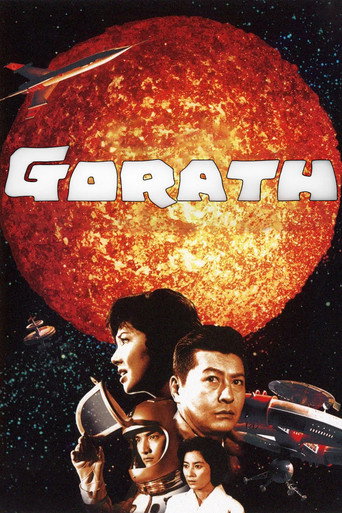 6.3
6.3In 1976, a drifting star named Gorath is discovered to be on a collision course with Earth. Although it is smaller than Earth, its enormous mass is enough to destroy the planet totally. A mission sent to observe Gorath is destroyed after the ship is drawn into the star, with a later mission barely escaping the same fate. However, Astronaut Tatsuma Kanai is left in a catatonic state due to his near death experience. Unable to destroy the invading star, Earth's scientists undertake a desperate plan to build giant rockets at the South Pole to move the planet out of Gorath's path before it is too late.
Gorath
1962
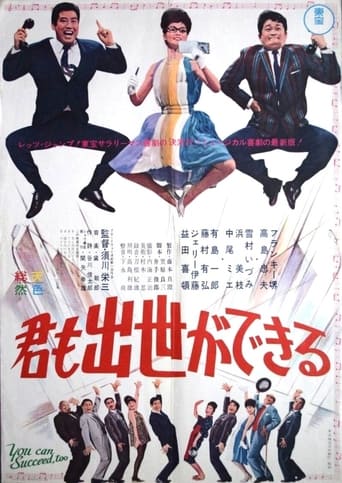 7.7
7.7A group of friends try to find success in corporate Japan.
You Can Succeed, Too
1964
 7.4
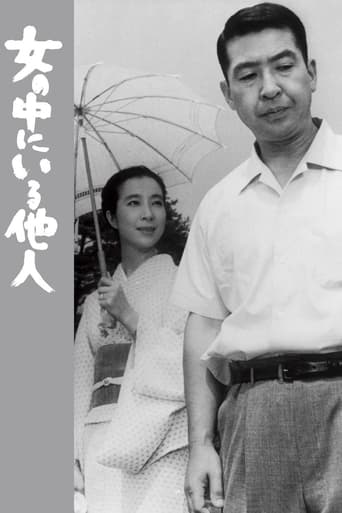
7.4Tashiro coincidentally meets his best friend Sugimoto in a bar very close to the apartment in which Sugimoto’s wayward wife is found dead. Although Tashiro is not a suspect in the police investigation, he is racked with guilt and confesses to his wife, Masako. In an effort to further relieve his tortured sense of guilt, he then confesses to Sugimoto. Neither his wife nor his friend can believe that he could have been involved.
The Stranger Within a Woman
1966
 7.0
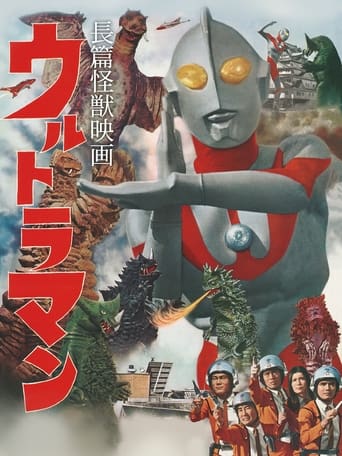
7.0The film consists of re-edited material from the original television series Ultraman. Episodes 1, 8, 26, and 27 were used for the film. They were narrated by Hikari Urano as an "Ultraman Documentary". Allegedly only one new scene was shot, and that some parts of the movie where shot in black and white for unknown reasons. The movie screened at the same time as the Toho movie King Kong Escapes.
Ultraman: Monster Movie Feature
1967
 7.6
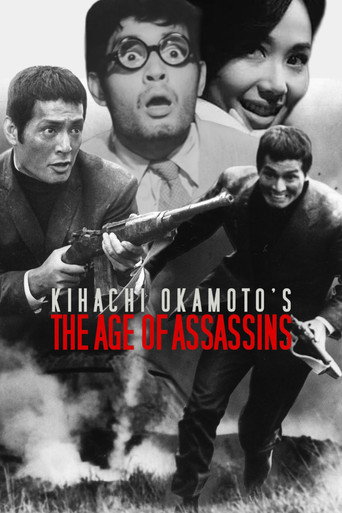
7.6A nerdy young college instructor named Shinji Kikyo returns home one day to find himself the target of a mad assassin. Surviving somewhat miraculously, he fends off other assassins and with the help of reporter Keiko Tsurumaki and car mechanic Bill Otomo, eventually discovering that a "population control" association is really an assassination squad led by Shogo Mizorogi, who has been training patients of a mental asylum to become killers.
The Age of Assassins
1967
 10.0
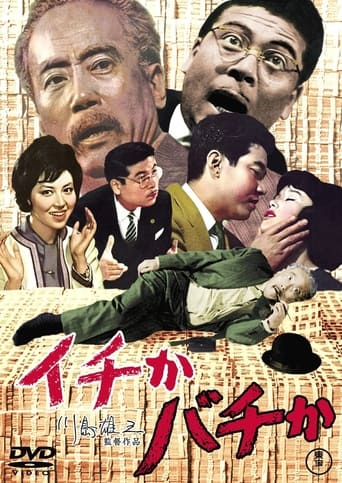
10.0The final film by Yuzo Kawashima.
Fifty-Fifty
1963
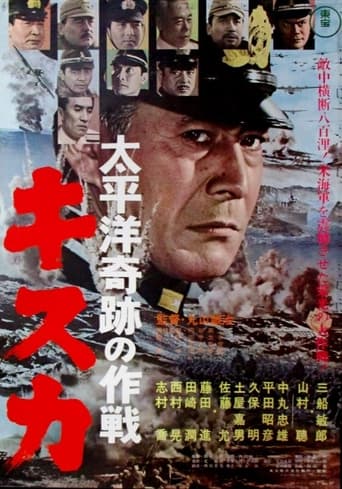 8.4
8.4In 1943, the Aleutian island of Kiska was fortified by a small contingent of Japanese soldiers. When word arrived of an impending attack by an overwhelming force of Americans, the Japanese Navy attempted one of the most daring and unlikely evacuations in military history. This is that story.
The Retreat from Kiska
1965
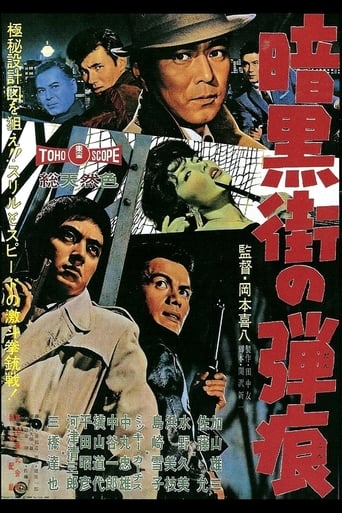 6.4
6.4Yuzo Kayama plays the protagonist, a whale-hunting cannon manufactuing supervisor, whose brother is an automobile tester for Komatsu Motors which has a fatal accident. As his brother investigates the "Accident" with his old college friend (makoto Sato), now a reporter... They stumble across murder, espionage and cover-ups. High-class night club, femme fatale, and a "Blueprint of Murder" all adds up to a bigger plot then first expected.
Blueprint of Murder
1961
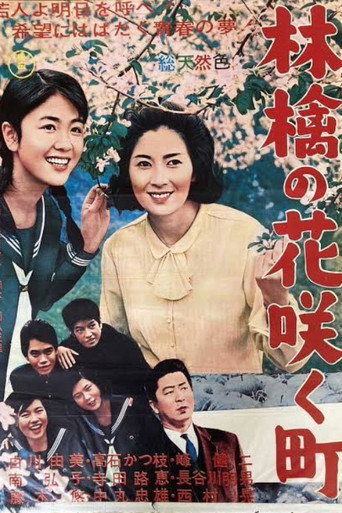 NR
NRNo synopsis available yet.
Apple Blossom Town
1963
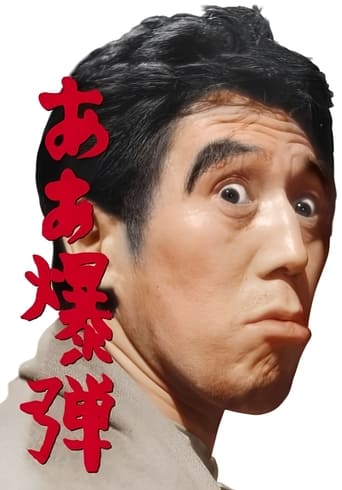 7.8
7.8During the mayoral election, two ex-prisoners decide to replace the lucky pen of an annoying candidate with a mini-bomb.
Oh, Bomb!
1964
 5.9
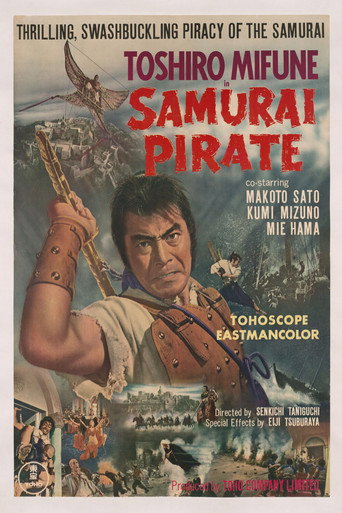
5.9An adventurous and daring sailor sets sail to the castle of an ailing king to stop an evil premier, hungry for power and wealth, from succeeding the throne and marrying the king's beautiful daughter. Along the way, with the help of some courageous rebels and a lustful wizard, he must overcome the powers of a bewitching witch, a band of ruthless pirates, and the castle's Imperial guards. He must also free those kidnapped into slavery and restore the king's reputation.
Samurai Pirate
1963
 9.0
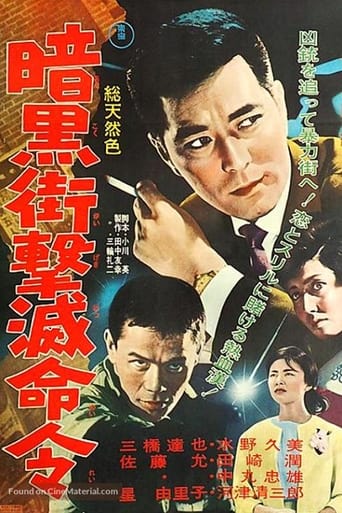
9.0Japanese neo-noir crime drama movie directed by Jun Fukuda
The Witness Killed
1961
 6.2
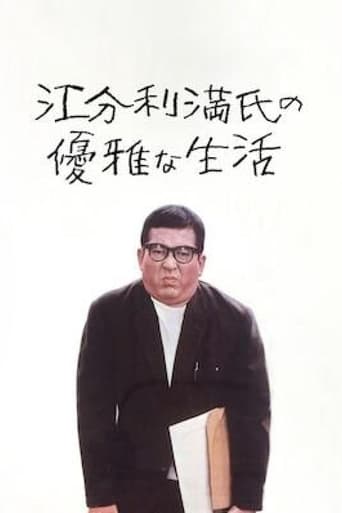
6.2An intoxicated man promises two magazine editors that he will write a masterpiece. Once he sobers up, he commits to his promise and writes a story based on his life.
The Elegant Life of Mr. Everyman
1963
 6.7
6.7A brave, highly principled warrior resigns his post as a bodyguard to the head of a powerful clan after he learns that his employers have been smuggling arms to the enemy. The remaining samurai try in vain to coerce him back, but their efforts are thwarted by crooked warriors who launch an attack.
Warring Clans
1963
 7.0
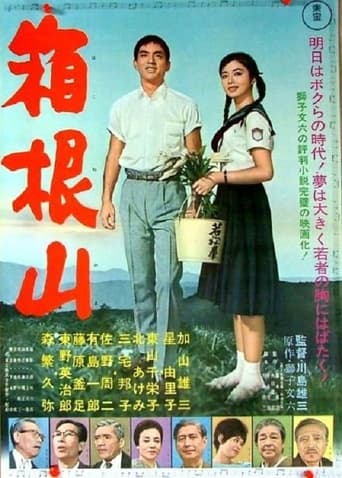
7.0Japanese drama.
Mount Hakone
1962
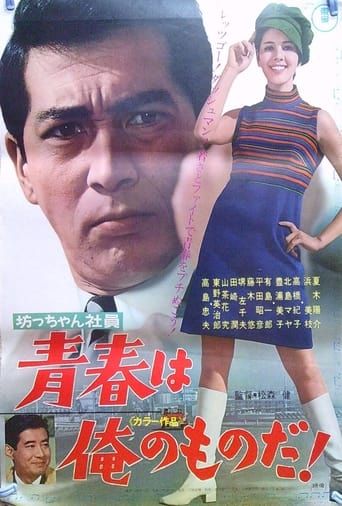 NR
NR1967 Japanese movie
Botchan shain seishun wa ore no monoda!
1967
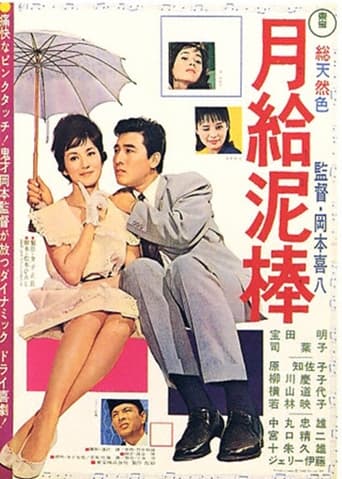 7.0
7.0A "hustler's hustler" (Takarada), works his way up the corporate ladder at a camera company. His biggest scheme involves winning the business of a foreign visitor by setting him up with a beautiful "model" (Tsukasa), actually a bar hostess, but the plan backfires when the would-be executive falls for the woman himself.
Anything For Success
1962
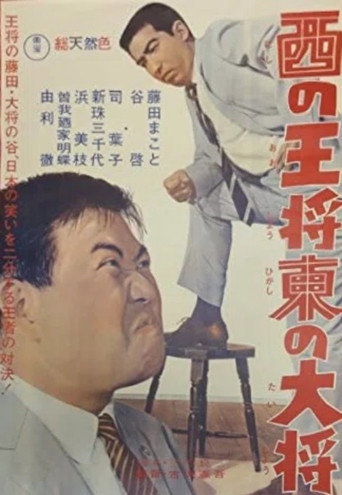 NR
NRNo synopsis available yet.
Western King, Eastern Leader
1964
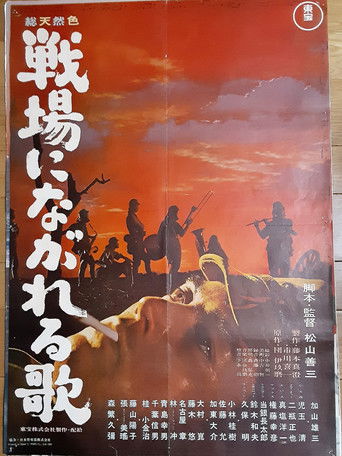 10.0
10.0Near the end of the war, a number of young Japanese join an army band hoping to avoid the front lines, but instead are sent to the Chinese Front.
We Will Remember
1965
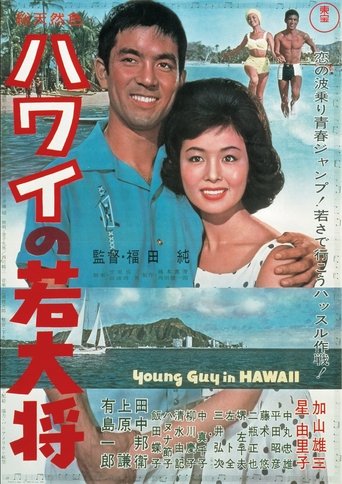 6.5
6.5Fourth entry in Toho's Wakadaishō series directed by Jun Fukuda and released on a simultaneous screening with Matango. Filmed on location in Hawaii.
Young Guy in Hawaii
1963
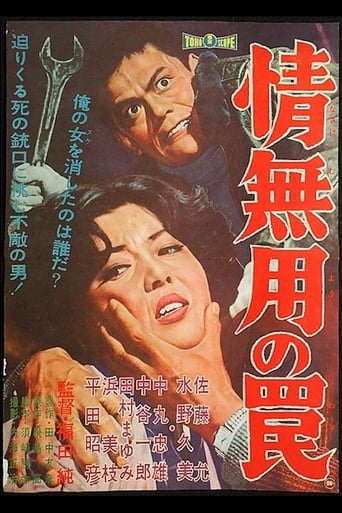 8.0
8.0Taut thriller about a too-perfect criminal case against an ex-convict that makes a nosy detective suspicious.
The Merciless Trap
1961
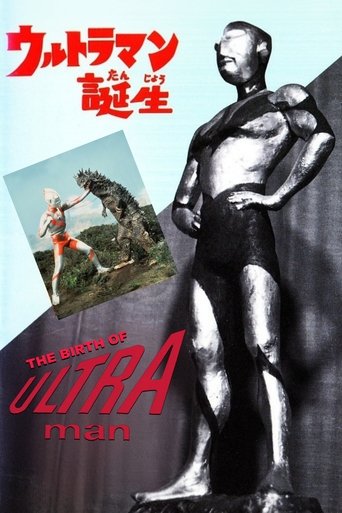 6.0
6.0In this recorded stage debut of the original Ultraman, self-proclaimed world's number one kaiju tamer, Eiji Tsuburaya introduces Ultraman, the Science Special Search Party (SSSP), and various kaiju.
The Birth of Ultraman
1966
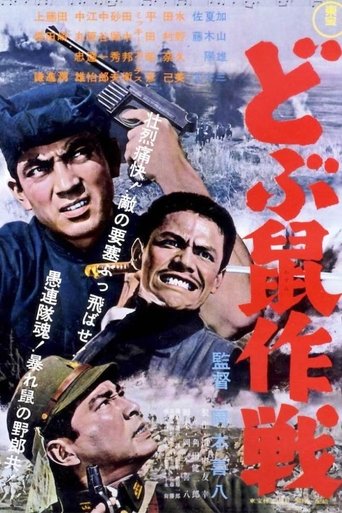 7.0
7.0Towards the end of World War II, five men are tasked with freeing the son of a general from Chinese captivity.
Operation Sewer Rats
1962
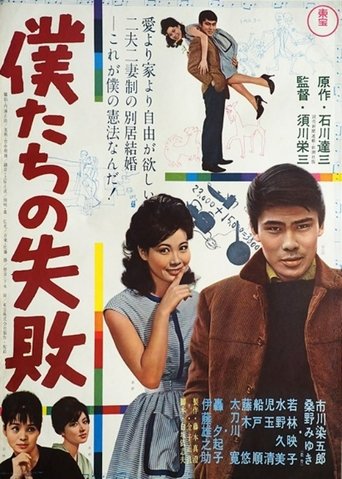 NR
NRTells the story of Shintaro, a lawyer who quits his job to work at a camera factory, and his love adventures.
Our Failures
1962
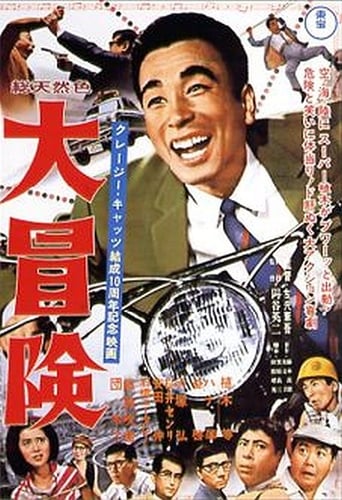 7.0
7.0After being mistaken for counterfeiters by the police, an inventor and reporter try to track down the real counterfeiters.
The Crazy Adventure
1965
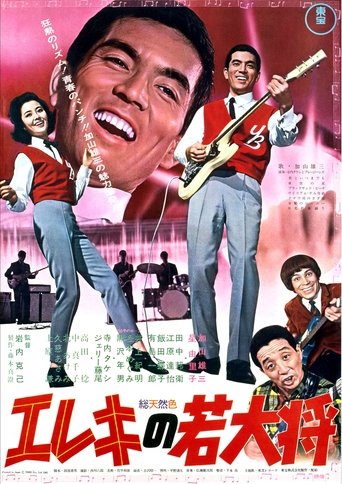 8.0
8.0Young Guy (Kayama) competes in an electric guitar competition and plays American-style football.
Campus A Go-Go
1965
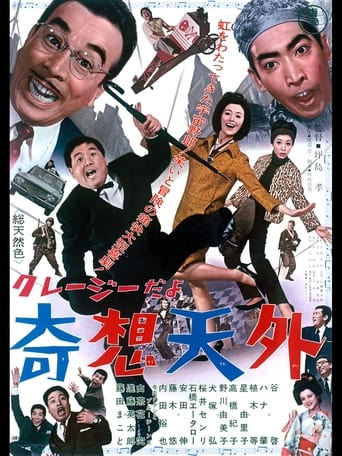 8.0
8.0A film produced by Toho and Watanabe Productions as part of the Crazy Movie project featuring The Crazy Cats comedy group and jazz band members. It is the sixth film in the Crazy Operation series where the lead role was handed over from Eikichi Ueki to Kei Tani. According to the plot, Planet Alpha Secretary severely worried by the effects of the Earth's atomic bomb experiment and sent Mistake 7 and Zero 8, as a watchers to Earth for a nuclear disarmament.
The Man from Planet Alpha
1966
 8.0
8.0Set in a juvenile detention center and depicted with a documentary touch.
Hidden Fangs
1961
 8.5
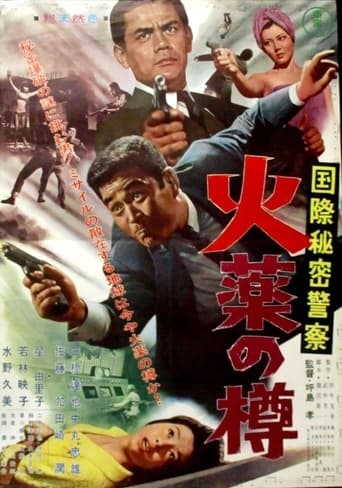
8.5In the third installment in the "Kokusai himitsu keisatsu" series, agent Jiro Kitami investigates the mysterious disappearance of a prominent scientist. Edited into Woody Allen's "What's Up, Tiger Lily?" along with the 4th film in the series, "Key of Keys".
A Keg of Powder
1964
 9.0
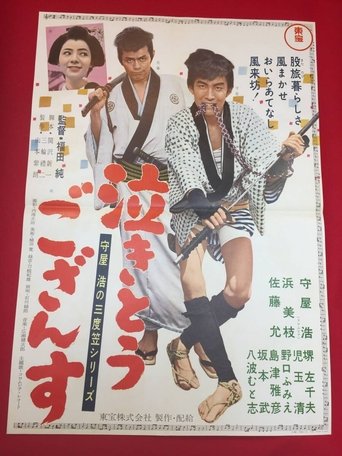
9.0A wandering swordsman helps a doll maker and his fiancée fight against a ruthless gang in a small town. As tensions escalate, epic duels and betrayals lead to a final showdown that shifts the balance of power. The swordsman departs, leaving a lasting impact on those he helped.
Hiroshi Moriya Sandogasa: I Want to Weep
1961
Series credits
8.3Hayata is a member of the Science Patrol, an organization tasked with investigating bizarre anomalies. He is mortally wounded when accidently encountering an alien being from Land of Light, who grants Hayata new life as the two are merged into one. Now, whenever a threat arises that is too great for the Science Patrol to handle, Hayata activates the beta capsule and becomes the hero known as Ultraman.
Ultraman
1966
8.0In 1999, advanced science and technology enriched people's lives, but the damage caused when they were misused for crimes or went out of control and went out of control was also great. The Special Rescue Police Winspector (abbreviated as WSP) was established to deal with such a situation. Their purpose is not only to investigate crimes and arrest suspects but also to save the lives of those involved in crimes and disasters.
Special Rescue Police Winspector
1990
7.9Joneus (Joe), a new Ultraman from U-40, merges with young Science Garrison member Chôichirô Hikari to defend the Earth in the first animated Ultra Series entry.
The Ultraman
1979
8.0As supernatural events and monster attacks rock Japan, the military and government look to be overwhelmed. Three intrepid young investigators—two pilots and a reporter—take it upon themselves to study these unexplained phenomena in order to inform and protect the public.
Ultra Q
1966
8.0As supernatural events and monster attacks rock Japan, the military and government look to be overwhelmed. Three intrepid young investigators—two pilots and a reporter—take it upon themselves to study these unexplained phenomena in order to inform and protect the public.
Ultra Q
1966
10.0What happens when the Prime Minister of Japan suddenly has the lowest approval ratings in history? Tamura Masakazu plays an unpopular Prime Minister who faces daily protests of citizens, inside betrayals, and the decision of a new Chief Cabinet Secretary. He makes an unprecedented selection, choosing his daughter's private tutor, who is only in his 20s and not even a politician! Will the Prime Minister be able to turn his ratings around, or will he be forced to resign? This drama focuses on the government of Japan, with a comedic twist.
Farewell, Mr. Premier
1997
6.5Espionage team Mighty Jack, headquartered on a flying submarine, oppose an organization known as Q.
Mighty Jack
1968