
Known for
 NR
Expressing the distinct personalities of the three daughters.
Three Pearls
1949
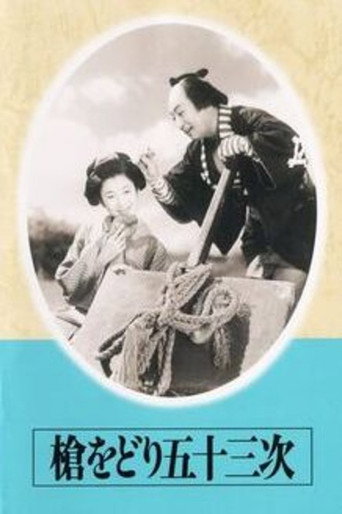 NR
A spearman who had long admired the samurai rises up after learning of cruelty of the samurai class.
Yari-odori gojūsantsugi
1946
Mizoguchi’s 30th film is the earliest surviving example of his work, and his only film of the 1920s to survive complete. Song of Home finds the director already concerning himself with the collision of traditional and modern values. The film is structured around the contrast of two country-bred boys: a coach driver who has never left his home, and a student who returns from Tokyo with city-slicker affectations and Western jazz records. Produced by the Ministry of Education, the film has a simplistic lesson-plan at its heart, but what lingers in the mind after viewing are its more ineffable qualities: The dulcet, lyric, evocation of a disappeared rural past.
Song of Home
1925
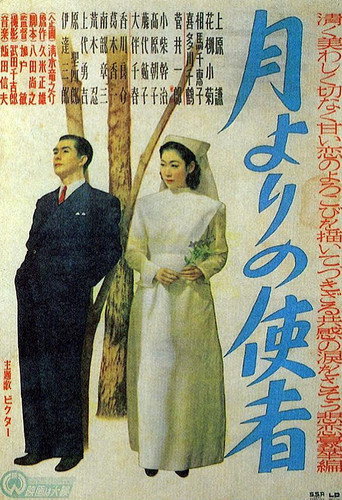 NR
It was a sanatorium in the highlands. Patients such as Totsuka, Hirota, and Hashida were battling their illnesses under the devoted care of Michiko, a nurse so beautiful and noble that she was nicknamed “The Messenger from the Moon.” When Totsuka learned that Hirota, who was about to be discharged, secretly loved Michiko, he devised a plan and arranged for them to spend some time alone in a birch grove. Hirota and Michiko made a firm vow for their future, but around that time, an unexpected visitor arrived at Hirota’s hospital room.
Messenger from the Moon
1949
No synopsis available yet.
Ōshima jōwa
1948
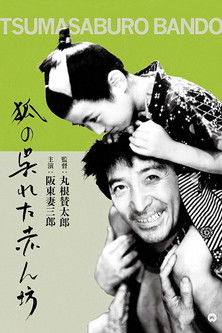 NR
A lowly drunken samurai finds an abandoned baby in the woods and takes it home. A gift from a fox. But there's something special about the boy.
A Baby Given by a Fox
1945
Behind the camera
NRExpressing the distinct personalities of the three daughters.
Three Pearls
1949
NRA spearman who had long admired the samurai rises up after learning of cruelty of the samurai class.
Yari-odori gojūsantsugi
1946
Mizoguchi’s 30th film is the earliest surviving example of his work, and his only film of the 1920s to survive complete. Song of Home finds the director already concerning himself with the collision of traditional and modern values. The film is structured around the contrast of two country-bred boys: a coach driver who has never left his home, and a student who returns from Tokyo with city-slicker affectations and Western jazz records. Produced by the Ministry of Education, the film has a simplistic lesson-plan at its heart, but what lingers in the mind after viewing are its more ineffable qualities: The dulcet, lyric, evocation of a disappeared rural past.
Song of Home
1925
NRIt was a sanatorium in the highlands. Patients such as Totsuka, Hirota, and Hashida were battling their illnesses under the devoted care of Michiko, a nurse so beautiful and noble that she was nicknamed “The Messenger from the Moon.” When Totsuka learned that Hirota, who was about to be discharged, secretly loved Michiko, he devised a plan and arranged for them to spend some time alone in a birch grove. Hirota and Michiko made a firm vow for their future, but around that time, an unexpected visitor arrived at Hirota’s hospital room.
Messenger from the Moon
1949
No synopsis available yet.
Ōshima jōwa
1948
NRA lowly drunken samurai finds an abandoned baby in the woods and takes it home. A gift from a fox. But there's something special about the boy.
A Baby Given by a Fox
1945
 NR
A man dies in an automobile accident and returns as a white-haired demon and seeks revenge on his wife and her lover
White-haired Demon
1949
 9.0
Princess Oboro, the queen of the Tanuki palace and stubborn at heart, falls in love with coffeehouse worker Kurotaro at first sight.
Hanakurabe tanuki-den
1949