
Acting
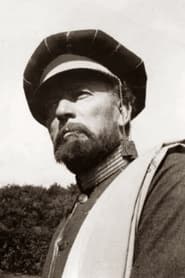
Nelo Cosimi
Born — Died
1894-01-01 — 1945-10-05
Place of birth
Macerata, Italy
Known for
Acting
Credits
46 titles
Nelo Cosimi was a film director, screenwriter and actor who was born in Macerata, Italy in 1894 and died in Buenos Aires, Argentina on October 5, 1945, the country where he had developed his activity in the cinema.
Known for
No synopsis available yet.
Jangada florida
1922
 NR
NRNo synopsis available yet.
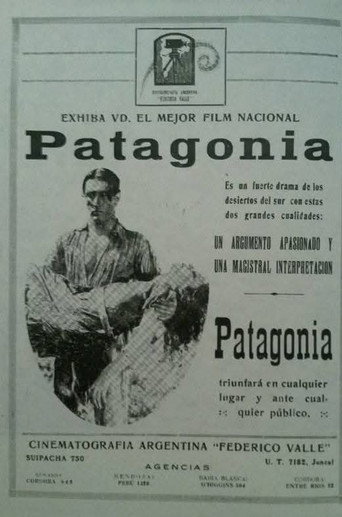
Patagonia
1922
No synopsis available yet.
Alla en el sur
1922
The confrontation of civic sophistication with uncontaminated humble rural life.
Campo ajuera
1919
 9.0
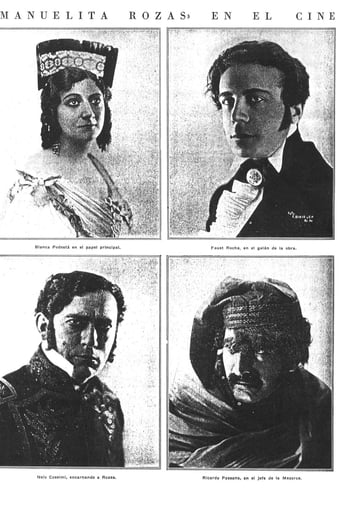
9.0The life and times of Manuelita Rosas.
Manuelita Rosas
1925
No synopsis available yet.
Venganza gaucha
1917
Film credits
1940s · 9 titles
A bandit is accused of killing a young man who was actually killed by his girlfriend's stepfather who was in love with her.
Sendas cruzadas
1942
 7.2
7.2A man loves a woman of strong character but she abandons her
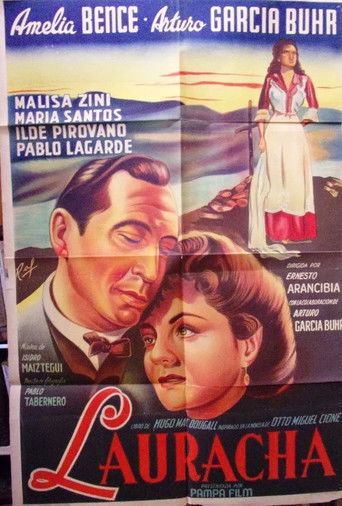
Lauracha
1946
 7.3
7.3No synopsis available yet.
Mirad los lirios del campo
1947
 9.5
9.5It takes place in 1827, in Carmen de Patagones, in the context of the confrontation between the militias of the United Provinces of the Río de la Plata and the navy troops of the Empire of Brazil. It is the story of a fort lieutenant who falls in love with a young woman.
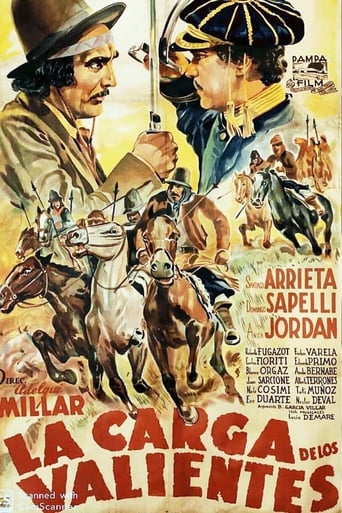
The Charge of the Brave
1940
 9.0
9.0Film about the life of Francisco Ramírez, leader of Entre Ríos.
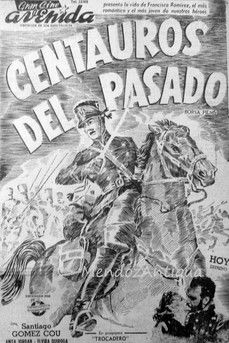
Centauros del pasado
1944
 7.8
7.8The relationship of the young night school teacher with her students.
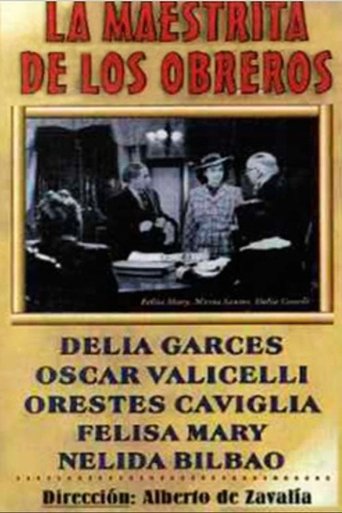
La maestrita de los obreros
1942
 10.0
10.0A threatened financier is impersonated during a train ride by an identical-looking salesman.
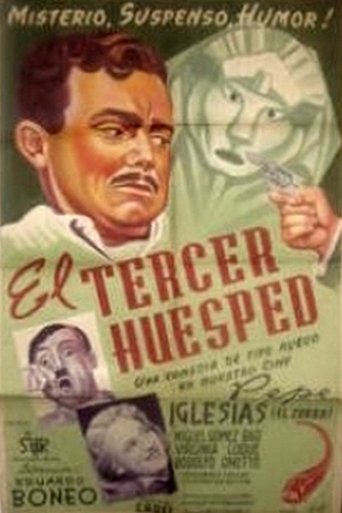
El tercer huésped
1946
 5.8
5.8Based on a quechua legend, Malambo tells the story of a woman who lost her husband and son because of the greedy patrón of an hacienda. She swore that she would never remove the cloth over her eyes until her dead were avenged by the deaths of the patrón and his daughter. Nature seems to be on her side, since a drought has afflicted the land. Her other son, Malambo, accepts the duty of revenge. Malambo is no normal human: he is the runa-uturungo, or Hombre Tigre, of Quechua lore, and he cannot be wounded by bullets. He leads the obreros to rise in revolt and defeats the patrón. However, instead of killing the patrón's daughter--the blind Urpila --he falls in love with her, thereby breaking his mother's heart.
Malambo
1942
 8.2
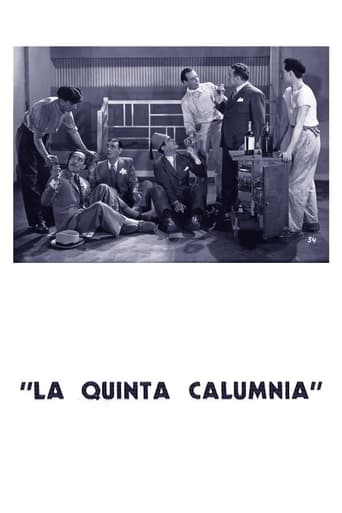
8.2A huge store in Buenos Aires is about to close due to restrictions on imports. The owner of the store returns from a vacation in France, and knowing the financial situation proceeds to throw a big gala party. He hires a man he had met abroad to pose as a fake earl, hoping to attract wealthy clients.
La quinta calumnia
1941
1930s · 3 titles
The film was filmed with sound, but the result was so poor that it had to be released as a silent film.
Defiende tu honor
1930
 NR
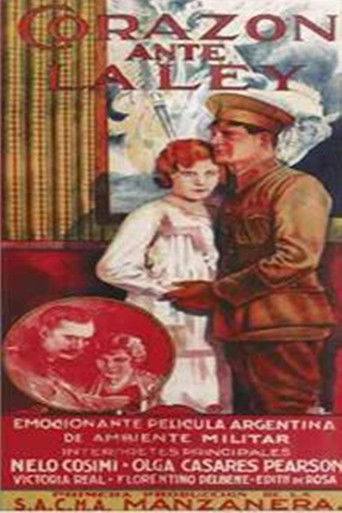
NRNo synopsis available yet.
Corazón ante la ley
1930
 9.0
9.0A 1931 silent melodrama, completely pro-military, filmed in real locations, with actors mixed in with sailors. The mere fact that it documented the army, which at the time ruled Argentina, being its first military coup, gives the film an even more cinematic value.
Dios y la Patria
1931
1920s · 11 titles
No synopsis available yet.
Jangada florida
1922
NRNo synopsis available yet.
Patagonia
1922
No synopsis available yet.
Alla en el sur
1922
9.0The life and times of Manuelita Rosas.
Manuelita Rosas
1925
A 1924 film.
Odio serrano
1924
A 1924 film.
El arriero de Yacanto
1924
 6.0
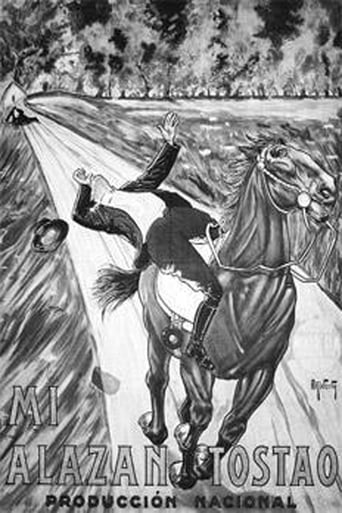
6.0Amancio, the son of a judge, is the real master and lord of a town, and wants to impose his property criteria over the owners of ranches and horses. He stops the eviction of Eulalia’s family ranch, with the hidden intention of making her his lover. Silvestre, an outsider that arrives at the village, meets Eulalia by chance, after suffering a zulky accident. He will find trouble as well, as his horse doesn’t have a property mark.
Mi alazán tostao
1922
A 1923 film.
La leyenda del puente inca
1923
 5.0
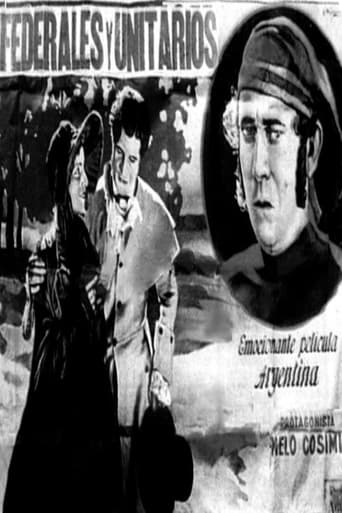
5.0No synopsis available yet.
Federales y Unitarios
1928
Pablo Luque, a young man from the south looking for work, arrives at Los Cardales, a flourishing ranch owned by Pedro Aguirre, after seeing his mother die. Aguirre hires Luque to work there. The rude young man sparks the curiosity of the ranch owner's young daughter, who sees him as very different from the rest of the gang members. A few days later, Luque, who thought of himself as a shy young man, demonstrates the courage of his fists and his heart.
Los hijos de naides
1921
A woman and his lover spend a season at the mountains, in order to recover from the excesses of life in the city. But peace doesn’t last long: he tries to seduce a country-woman and she invites a mongrel over to her bedroom. The film is, in essence, a melodrama filled with jealousy and betrayal, but it also showcases some original elements that no other cinematography would have dared to suggest in 1929, like the possibility of a romance between an Indian and a white woman (with her taking the first step).
La quena de la muerte
1929
1910s · 5 titles
The confrontation of civic sophistication with uncontaminated humble rural life.
Campo ajuera
1919
No synopsis available yet.
Venganza gaucha
1917
Inspired by the tango "De vuelta al pago", by the pianist Armando Chimenti.
De vuelta al pago
1919
 8.0
8.0A woman driven by misery to a path of degradation until the inexorable end of which the tango symbolizes, at the same time, her condemnation and her liberation.
El tango de la muerte
1917
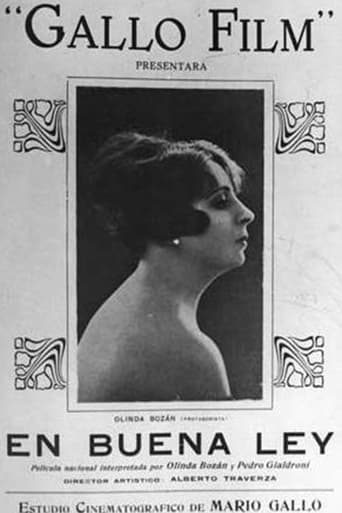 9.0
9.0Rural melodrama about the social and humanistic events that occurred at the dawn of the past times.
En buena ley
1919
Behind the camera
 7.0
7.0The life of the gaucho Juan Moreira, his fall into crime, persecution and death.
Juan Moreira
1936
7.0The life of the gaucho Juan Moreira, his fall into crime, persecution and death.
Juan Moreira
1936
A 1926 film.
El lobo de la ribera
1926
A 1922 film.
Buenos Aires también tiene
1922
6.0Amancio, the son of a judge, is the real master and lord of a town, and wants to impose his property criteria over the owners of ranches and horses. He stops the eviction of Eulalia’s family ranch, with the hidden intention of making her his lover. Silvestre, an outsider that arrives at the village, meets Eulalia by chance, after suffering a zulky accident. He will find trouble as well, as his horse doesn’t have a property mark.
Mi alazán tostao
1922
6.0Amancio, the son of a judge, is the real master and lord of a town, and wants to impose his property criteria over the owners of ranches and horses. He stops the eviction of Eulalia’s family ranch, with the hidden intention of making her his lover. Silvestre, an outsider that arrives at the village, meets Eulalia by chance, after suffering a zulky accident. He will find trouble as well, as his horse doesn’t have a property mark.
Mi alazán tostao
1922
No synopsis available yet.
Milonga Presidencial
1931
No synopsis available yet.
Regeneración
1928
A 1922 film.
El remanso
1922
Unreleased Argentine film.
El cantor del circo
1940
5.0No synopsis available yet.
Federales y Unitarios
1928
Pablo Luque, a young man from the south looking for work, arrives at Los Cardales, a flourishing ranch owned by Pedro Aguirre, after seeing his mother die. Aguirre hires Luque to work there. The rude young man sparks the curiosity of the ranch owner's young daughter, who sees him as very different from the rest of the gang members. A few days later, Luque, who thought of himself as a shy young man, demonstrates the courage of his fists and his heart.
Los hijos de naides
1921
The film was filmed with sound, but the result was so poor that it had to be released as a silent film.
Defiende tu honor
1930
NRNo synopsis available yet.
Corazón ante la ley
1930
9.0A 1931 silent melodrama, completely pro-military, filmed in real locations, with actors mixed in with sailors. The mere fact that it documented the army, which at the time ruled Argentina, being its first military coup, gives the film an even more cinematic value.
Dios y la Patria
1931
A woman and his lover spend a season at the mountains, in order to recover from the excesses of life in the city. But peace doesn’t last long: he tries to seduce a country-woman and she invites a mongrel over to her bedroom. The film is, in essence, a melodrama filled with jealousy and betrayal, but it also showcases some original elements that no other cinematography would have dared to suggest in 1929, like the possibility of a romance between an Indian and a white woman (with her taking the first step).
La quena de la muerte
1929
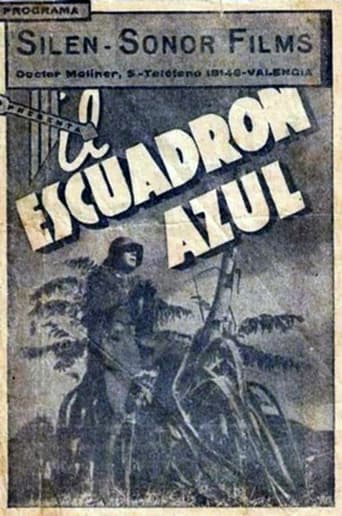 7.0
7.0Young officer is tried for espionage when some documents turn up missing.
El escuadrón azul
1937
No synopsis available yet.
La mujer y la bestia
1928