
Known for
 6.4
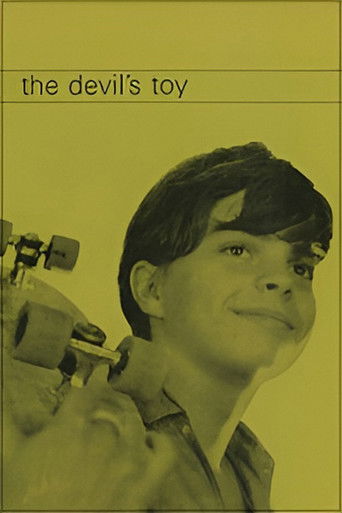
6.4Dedicated “to all victims of intolerance,” "The Devil’s Toy" is a faux–public service documentary that chronicles the early days of skateboarding in Montreal. Framed as mock anti-skateboarding propaganda, Claude Jutra contrasts official hostility with the exhilaration and freedom experienced by youths racing downhill through city streets, shortly before the activity was banned.
The Devil's Toy
1966
 6.0
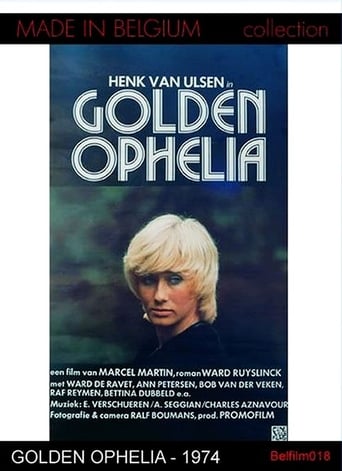
6.0In a surreal, bureaucratically rigid society where ending one’s own life requires an official government permit, depressed florist Stefan Pielek makes the mistake of attempting suicide without the proper paperwork. Under police supervision, he submissively files his official application and closes his shop while waiting for the approval. However, during his aimless wanderings through the city, he meets a young woman who calls herself Ophelia. After falling deeply in love and rediscovering the joy of living, Stefan receives the ultimate bureaucratical blow: his suicide permit is approved, meaning that by law, he no longer exists.
Golden Ophelia
1974
Docu-drama about a youth club which is preparing to make a film on priest Daens and his political socail movement Daensisme.
Hello Daens
1980
 5.0
5.0An atmospheric mood piece photographed in the winter at the giant dam built by Hydro Quebec in the northern wilds of the province. The story concerns a worker's wife, who is bored with her dreary existence in the wilderness. She walks around in the snow recalling how she met her husband, then goes to the landing field to catch a departing plane. But she remains when her husband tells her how much his work means to him. This moving and very humanistic tale represents the NFB at its best.
The Snow Has Melted on the Manicouagan
1965
 7.0
7.0No synopsis available yet.
Algérie 1962: Chronique d'un conflit
1962
 10.0
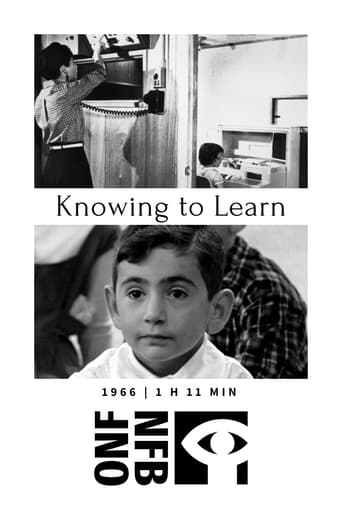
10.0This feature documentary about education explores the mid-century state of learning in the classrooms of North America. New approaches to learning and the emerging technologies that facilitate them are explored, including the new roles of the computer, tape recorder and television. Directed by Quebec cinema giant Claude Jutra (Mon Oncle Antoine), the film was produced with the collaboration of researchers studying all forms of education, from infancy to adulthood.
Knowing to Learn
1966
Behind the camera
6.4Dedicated “to all victims of intolerance,” "The Devil’s Toy" is a faux–public service documentary that chronicles the early days of skateboarding in Montreal. Framed as mock anti-skateboarding propaganda, Claude Jutra contrasts official hostility with the exhilaration and freedom experienced by youths racing downhill through city streets, shortly before the activity was banned.
The Devil's Toy
1966
6.0In a surreal, bureaucratically rigid society where ending one’s own life requires an official government permit, depressed florist Stefan Pielek makes the mistake of attempting suicide without the proper paperwork. Under police supervision, he submissively files his official application and closes his shop while waiting for the approval. However, during his aimless wanderings through the city, he meets a young woman who calls herself Ophelia. After falling deeply in love and rediscovering the joy of living, Stefan receives the ultimate bureaucratical blow: his suicide permit is approved, meaning that by law, he no longer exists.
Golden Ophelia
1974
Docu-drama about a youth club which is preparing to make a film on priest Daens and his political socail movement Daensisme.
Hello Daens
1980
5.0An atmospheric mood piece photographed in the winter at the giant dam built by Hydro Quebec in the northern wilds of the province. The story concerns a worker's wife, who is bored with her dreary existence in the wilderness. She walks around in the snow recalling how she met her husband, then goes to the landing field to catch a departing plane. But she remains when her husband tells her how much his work means to him. This moving and very humanistic tale represents the NFB at its best.
The Snow Has Melted on the Manicouagan
1965
7.0No synopsis available yet.
Algérie 1962: Chronique d'un conflit
1962
10.0This feature documentary about education explores the mid-century state of learning in the classrooms of North America. New approaches to learning and the emerging technologies that facilitate them are explored, including the new roles of the computer, tape recorder and television. Directed by Quebec cinema giant Claude Jutra (Mon Oncle Antoine), the film was produced with the collaboration of researchers studying all forms of education, from infancy to adulthood.
Knowing to Learn
1966