

Known for
 NR
Salamatik (Your Saftey) is an awareness program that comes in cooperation with the Gulf Cooperation Council Joint Program Production Foundation and the Local House for Public Relations for Media, produced in 1980 by a decision of the Ministries of Health. Four parts of it were produced during that period and had a significant impact on the health awareness of every household in the community.
Your Safety
1980
 NR
Mansour marries Hayat, and he thinks that he will live a simple, decent life with her, but he is surprised by her mother’s interference in all their affairs, and debts control him, and every time he tries to overcome his problems, he falls into another problem.
Harassment
1988
 NR
A traditional comedy series, which deals with the memoirs of Juha and his son, the poet Ajib, their adventures in trade, and their passage in funny situations that expose them to embarrassment, their determination and their efforts to earn the sustenance of their day and to satisfy Juha's wife, the greedy.
Juha’s Diaries
1979
 NR
Fouad Bukrouh leaves his wife Naima because of his many problems with her and her brothers Rami and Hanadi in order to live away from them simply and away from problems, but Naima does not leave him as she pursues him in order to bring him home by making plans with the help of her neighbor Laila, which aims through these plans to continue the problems between Naima and Fouad in order to She takes money from Naima.
He Came Back, But
1989
 NR
Suad, a secretary, secretly loves Noah, an engineer who barely notices her. Her sister Maryam intervenes with playful schemes to bring them together, sparking unexpected twists and heartfelt moments.
Private Lesson
1981
 10.0
The series revolves around the two sisters (Ruqaya) and (Sabeeka), who work selling old women's necessities, where they meet (Diab), who works as a driver, who marries (Sabeeka) and then discovers that the house in which (Sabeeka) and (Ruqaya) live belongs to them and events escalate
Ruqaya and Sabeeka
1986
Film credits
1990s · 3 titles

1980s · 6 titles
 NR
Awaniess Play
Al-Awans
1987
 NR
The Fish Trap Kuiwit Play
Al-Qarqor
1984
 NR
No synopsis available yet.
مسرحية الشاطر حسن
1984
 6.0
The Play Speaks about the problems during the 80’s during the parliament elections and the difficulties the people are facing in the State of Kuwait
Representative Of The People
1980
 NR
No synopsis available yet.
شمس الشموس
1987
No synopsis available yet.
توم وجيري عفوا جسوم و مشيري
1983
1970s · 5 titles
 NR
A Kuwaiti play shown in 1970
Ruznama
1970
 5.5
Egyptian socialite Dalal is determined to win over Kuwaiti businessman Abdullah, who’s fallen for Dolly, a Lebanese seamstress. Dalal’s wild schemes to sabotage their romance lead to a hilarious clash of love and cultural quirks.
Also, Hello Dolly
1974
 NR
Radi The Judge
The Judge Radhi
1970
 8.0
Umm Salih is an authoritarian woman who controls the home and Abu Salih, and she has the first and last word in the house and the situation continues like this until her husband's nephew Ahmed is discharged from the mental hospital, as he returned to avenge his uncle's wife or Salih because it was the reason he entered the hospital, and before that he had suffered a lot from Injustice and domination. He continued to claim madness to reveal many of the secrets that occur in the house to his uncle, which made him regain control of the house, but after his daughter Hoda was lost with a young man.
Bu Saleh's House
1978
 7.0
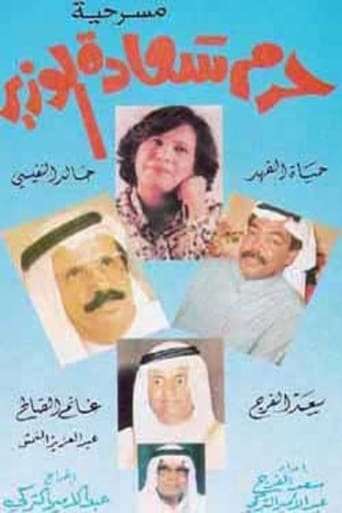
Her Excellency the Minister wife , a black comedy that reflects aspects of our bitter reality. There is no doubt that the theatrical drama since the first manifestation of its manifestation until now has not changed the law that Aristotle planned and codified for him, in addition to its dependence on the availability of the requirements of the dramatic conflict whereby he adopted the necessity of events and drew visions through beauty tools The technician is known, however, that the concept of conflict is beginning to change
The Minister’s Wife
1979
1960s · 4 titles
 NR
The events revolve around a man who lives an unstable and suspicious life, then it develops and becomes doubtful of everyone around him, causing him great damage to his life and his relationships.
Vacation
1968
 NR
In Seize Your Day, a greedy fabric merchant’s selfishness sparks endless conflicts, leading him to lose both business and relationships in a satirical take on the folly of unchecked ambition.
Seize the Day
1965
 NR
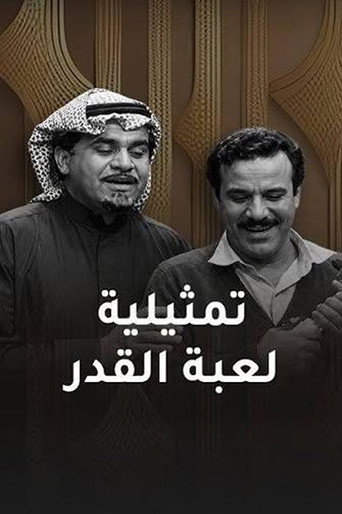
In Game of Fate, we follow Haji Ibrahim, a humble man struggling to build a better life for his family amid the social and economic hardships of 1960s Kuwait. Despite his determination, he finds himself at the mercy of fate, facing unexpected challenges that threaten to derail his dreams. Supported by his resilient wife Amina and caught in complex relationships with those around him, Haji Ibrahim’s journey captures a compelling story of ambition, sacrifice, and the unpredictable twists of life.
Game of Fate
1960
 6.5
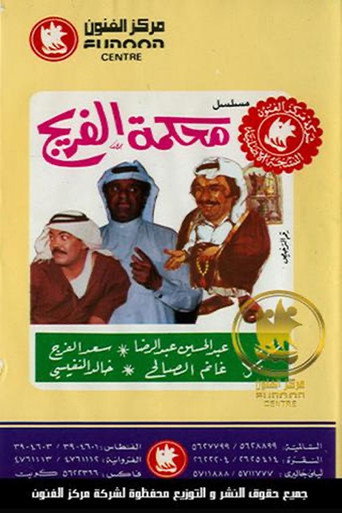
The Court of The district is a comedy play of the daily problems in the Kuwaiti Families which is solved in the Court
The Court of the District
1967
Series credits
NRSalamatik (Your Saftey) is an awareness program that comes in cooperation with the Gulf Cooperation Council Joint Program Production Foundation and the Local House for Public Relations for Media, produced in 1980 by a decision of the Ministries of Health. Four parts of it were produced during that period and had a significant impact on the health awareness of every household in the community.
Your Safety
1980
NRMansour marries Hayat, and he thinks that he will live a simple, decent life with her, but he is surprised by her mother’s interference in all their affairs, and debts control him, and every time he tries to overcome his problems, he falls into another problem.
Harassment
1988
NRA traditional comedy series, which deals with the memoirs of Juha and his son, the poet Ajib, their adventures in trade, and their passage in funny situations that expose them to embarrassment, their determination and their efforts to earn the sustenance of their day and to satisfy Juha's wife, the greedy.
Juha’s Diaries
1979
NRFouad Bukrouh leaves his wife Naima because of his many problems with her and her brothers Rami and Hanadi in order to live away from them simply and away from problems, but Naima does not leave him as she pursues him in order to bring him home by making plans with the help of her neighbor Laila, which aims through these plans to continue the problems between Naima and Fouad in order to She takes money from Naima.
He Came Back, But
1989
NRSuad, a secretary, secretly loves Noah, an engineer who barely notices her. Her sister Maryam intervenes with playful schemes to bring them together, sparking unexpected twists and heartfelt moments.
Private Lesson
1981
10.0The series revolves around the two sisters (Ruqaya) and (Sabeeka), who work selling old women's necessities, where they meet (Diab), who works as a driver, who marries (Sabeeka) and then discovers that the house in which (Sabeeka) and (Ruqaya) live belongs to them and events escalate
Ruqaya and Sabeeka
1986
 NR
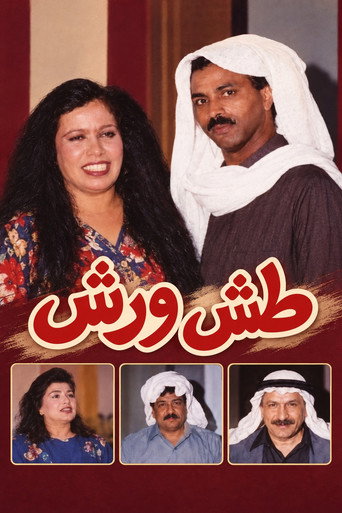
A Saudi comedy about Abu Saud, who inherits his father's house and sees a chance to finally quit his job — until a property valuation reveals the house is registered under someone else's name. What follows is a farcical tangle of debts, deals, and bureaucratic chaos as he scrambles to claim what he believes is rightfully his.
Tash Wa Rash
1993
 NR
The events of the series revolve around the Kuwaiti reality in particular, and the Gulf reality in general, through a group of adults and children, where the two generations meet, and many influential situations occur between them.
Birds on The water
1981
Behind the camera
 NR
No synopsis available yet.
مسرحية الدرجة الرابعة
1971
 8.0
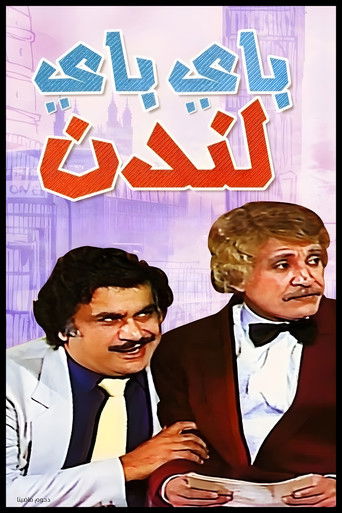
A comedy about an old married man that travels to London with his nephew who does his to save him from exposure to fraud, and being mugged in London, the play also covers some political aspects and projections in addition to social criticism of some of the Arab situations.
Bye Bye London
1982
 NR
The story of a young Kuwaiti man who married an Egyptian during his studies in Egypt and had a son, then he left the son with his mother and returned to Kuwait in the hope of returning to them again, but he lost his memory in an accident.
The boy is Kuwaiti
1992
NRThe events revolve around a man who lives an unstable and suspicious life, then it develops and becomes doubtful of everyone around him, causing him great damage to his life and his relationships.
Vacation
1968
 7.0
The work follows a man struggling with alcohol addiction, exploring its destructive effects on his family, finances, home, and the future of his children. Set in a dramatic context, it highlights the far-reaching consequences of addiction on both personal and familial stability.
The Deterioration
1985
 6.0
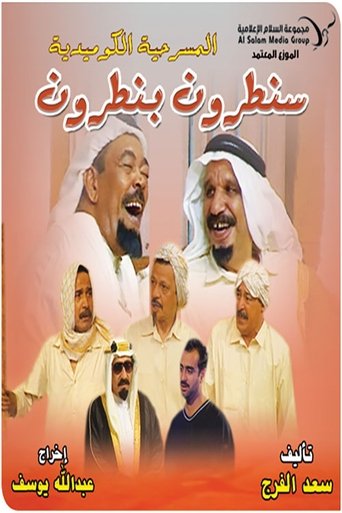
What was the impact of the emergence of oil on Kuwait in particular and on the Gulf society in general? How did people behave? What were their customs and traditions?! What was the impact of oil on them, bringing about many changes? The play deals with one of the Kuwaiti villages overlooking the sea, in the late forties, when World War II was ending, and the State of Kuwait, and the Gulf states in general, were preparing to move from the sea - to depend on their livelihood - to the land and desert, where oil began to flow, and with it flowed new customs, different behavior, and ideas that Kuwaiti society was not familiar with.
Santaron Bantaron
1999