
Acting
Tsumasaburō Bandō
Born — Died
1901-12-14 — 1953-07-07
Place of birth
Chiyoda, Tokyo, Japan
Known for
Acting
Credits
48 titles
Known for
 7.0
7.0The tale of Nakayama Yasubei’s duel is famous, even if he in reality probably did not cut down 18 opponents. The story has been related in film, rakugo, kodan and on stage many times, in part because Nakayama later joined the famous 47 Ronin (Chushingura) as Horibe Yasubei. But Makino and Inagaki’s version gives no hint of this more serious future, playing up the thrills and the comedy with Bando’s bravura performance. The multiple pans of Yasubei running to the duel are an exemplar of the experimental flourishes of 1930s Japanese cinema and the final duel, performed virtually like a dance number, is a marker of Makino’s love of rhythm and one of the best sword fights in Japanese film history. The film was originally released under the title Chikemuri Takadanoba (Bloody Takadanobaba) with a length of 57 minutes, but suffered some cuts and a title change when it was re-released in 1952.
Blood Spilled at Takadanobaba
1937
 6.7
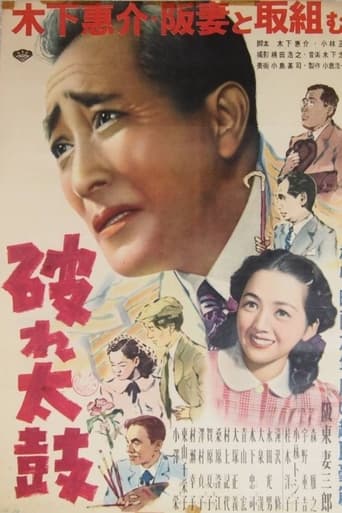
6.7When the future of his construction company falls into danger, a controlling father pushes his children into unsatisfying marriages and careers in order to regain financial stability.
Broken Drum
1949
 NR
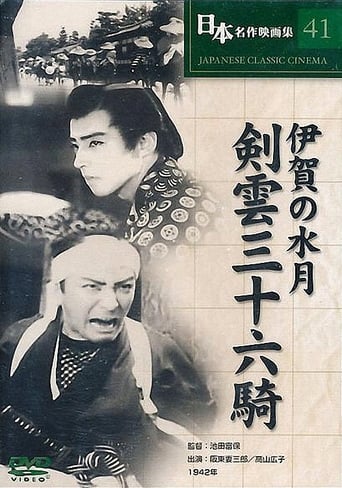
NRFamed swordsman Araki Mataemon must face his best friend as they are forced to take opposite sides in a vendetta caused by the murder of a family member.
Vengeance at Iga
1942
 NR
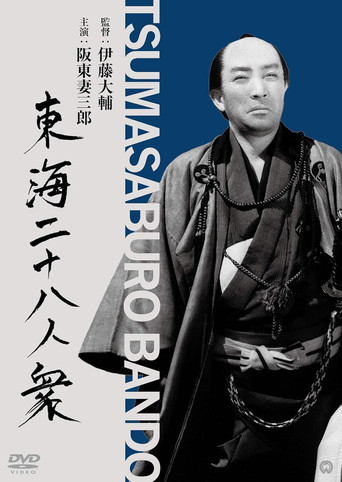
NRNo synopsis available yet.
Tōkai suikoden
1945
 7.0
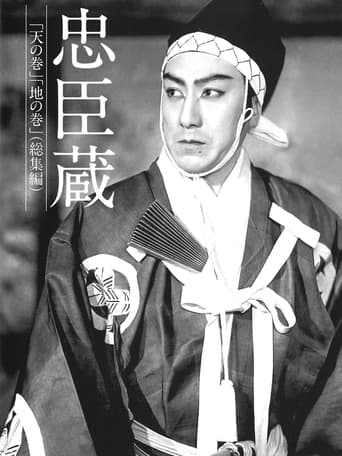
7.0The vassals of the Asano clan, who surrendered the castle & became wanderers, deceive the enemy and the public, wait for an opportunity to avenge their master and his family.
Chushingura
1938
 NR
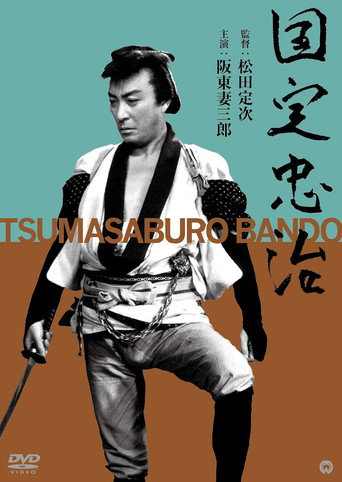
NRNo synopsis available yet.
Kunisada Chūji
1946
Film credits
1950s · 11 titles
 8.0
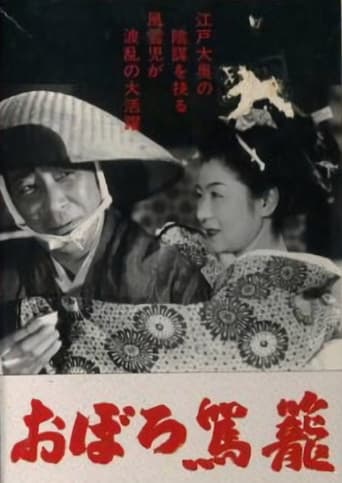
8.0A period mystery in which an unconventional priest exposes the truth behind the bizarre death of a maid in the shogun's harem. Kinuyo Tanaka stylishly plays a constantly intoxicated geisha in this all-star entertainment film.
The Inner Palace Conspiracy
1951
 10.0
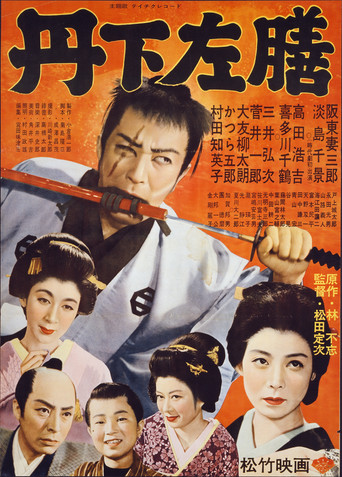
10.0Drama about a famous one-eyed, one-armed samurai swordsman of the middle of the Tokugawa period by the name of Tange Sazen. By chance, Tange gets an old pot in which the secret of the treasure of 1000000 ryos of gold is hidden. However, a bunch of different people hunt for the pot and Tange will have to apply his phenomenal fencing skills with the sword.
Tange Sazen
1952
 8.0
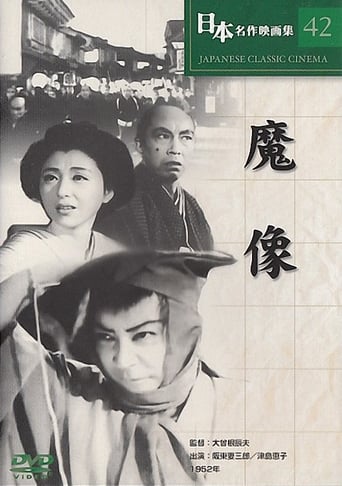
8.0A gallant swordsman takes on the forces of evil with the help of his trusty friends.
Devil’s Statue
1952
 NR
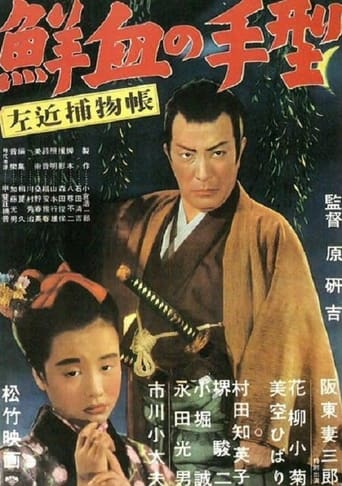
NRNo synopsis available yet.
Sakon Detective Story: Handprint in Fresh Blood
1950
 NR
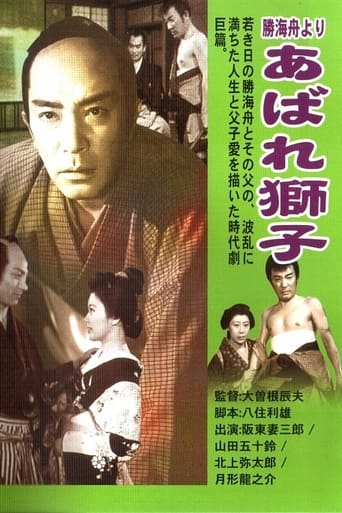
NRA gripping historical drama that follows the explosive growth of Katsu Kaishu, the hero of the Meiji era, and the interesting human image of his father, Kokichi, who lived for the common people, his neighbors and his children. A film about paternal and maternal love and conjugal love in the creation of mankind, about the healing power of which laughter and tears have. The film that became the last work of the giant star Tsumasaburo Bando.
Wild Lion
1953
 NR
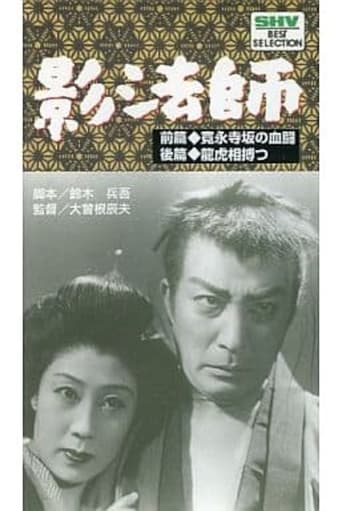
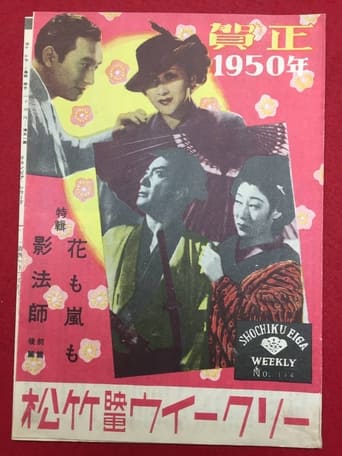
NRA continuation of the prior film (影法師).
Zoku kagebōshi ryūkoaiutsutsu
1950
 NR
NROn the night the shogunate's treasury was breached, the guard Utsugi had already been taken down. His colleague Ryunosuke felt responsible and decided to catch the culprit, not only for the sake of the beautiful wife of Utsugi, Chika, but also for his own honor. Chika's younger brother Shinjiro and the powerful Uechi family living near Ryunosuke's abode, join hands to support Ryunosuke. Counterfeit coins begin to surface—a scheme by the corrupt faction led by Yanagisawa. The henchman behind this is Koyamada Tesshin, who gathers ronin to amplify Yanagisawa's power. Among those ronin is Tendo Sakon—a man who drinks silently and plays the flute when in a mood.
Kagebōshi
1950
 10.0
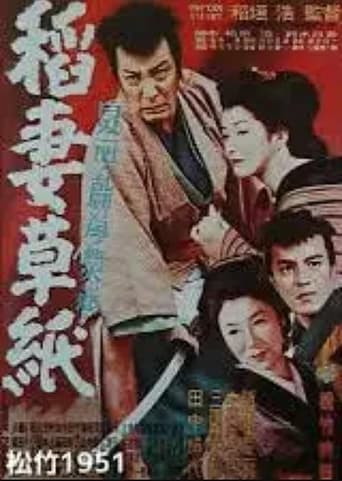
10.0Gensaburo Funaki and Oyuki were childhood friends, but Gensaburo misunderstood that Oyuki was hesitant to get married because he had to feed his father and younger brother. I left the town.
Story of Lightning
1951
No synopsis available yet.
Tales of a Drifter
1951
 6.0
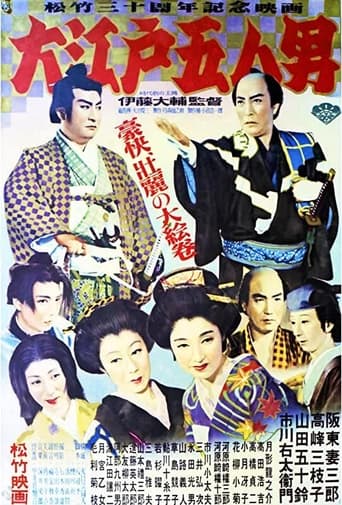
6.0During the 17th Century roving bands of hatamoto were causing trouble in the new capital city of Edo and constantly fought with the townspeople at every turn. The leader of these ruthless samruai was Mizuno Jirozaemon, who despite his high rank was in deep financial distress, thus leading to a tragedy that shook the very streets of the city.Opposing him was Banzui-in Chobei, the ‘Protector of the Weak’ who was willing to put his life on the line to save the 808 districts of Edo from the 80,000 hatamoto whose violent behavior threatened to destroy the fabric of society. Starring Bando Tsumasaburo, the first great star of the silver screen along with mega-star Ichikawa Utaemon, this is a story not to be missed. Torn from the pages of history, this true story has been told many times, but never as powerfully as this!
Five Men of Edo
1951
 NR
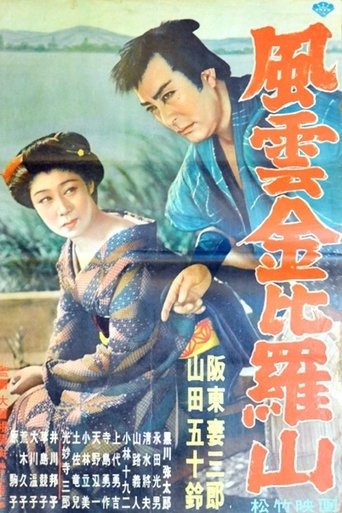
NRNo synopsis available yet.
風雲金毘羅山
1950
1940s · 22 titles
6.7When the future of his construction company falls into danger, a controlling father pushes his children into unsatisfying marriages and careers in order to regain financial stability.
Broken Drum
1949
NRFamed swordsman Araki Mataemon must face his best friend as they are forced to take opposite sides in a vendetta caused by the murder of a family member.
Vengeance at Iga
1942
NRNo synopsis available yet.
Tōkai suikoden
1945
NRNo synopsis available yet.
Kunisada Chūji
1946
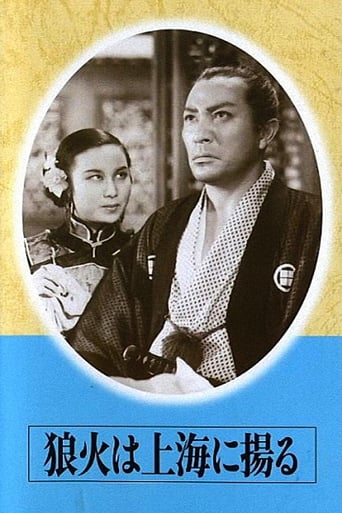 7.8
7.8During the Taiping Rebellion of the mid-19th century, anti-Qing (Manchu) Chinese forces led by Taiping commander Li Xiucheng march on Shanghai. Although the Western powers are officially neutral, the British consul in Shanghai sides with the Qing imperial government, and counter to his own government's policy he retains American adventurer Frederick Townsend Ward to raise a mercenary force of foreigners in Shanghai and oppose the Taipings. Ward's force is routed, with heavy casualties, but since many of the casualties are British, the British army soon is drawn in on the side of the Qings. The only support for the Chinese comes from Japanese in Shanghai and anti-imperialist demonstrations in Japan. A family drama plays out against this historical background. After a Chinese home is destroyed by careless British shelling, killing the father and crippling a daughter, the surviving son vows revenge but begins to see that his true friends may be the Japanese.
Signal Fires of Shanghai
1944
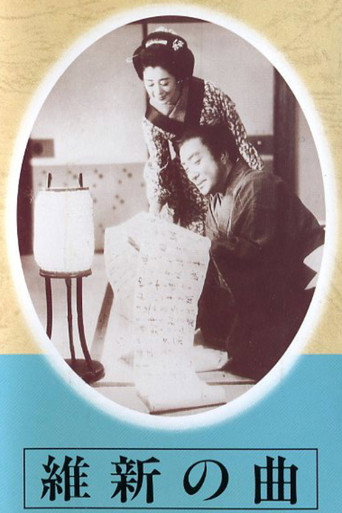 NR
NRThe first film produced by Daiei.
The March of the Restoration
1942
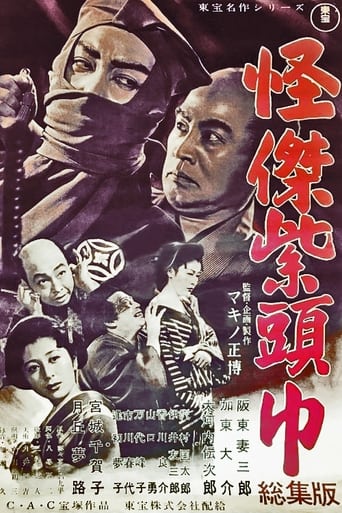 NR
NRThe purple hood reveals the embezzlement of public money by officials. A remake of Masahiro Makino's 1923 film.
Saheiji’s Casebooks: The Purple Hood
1949
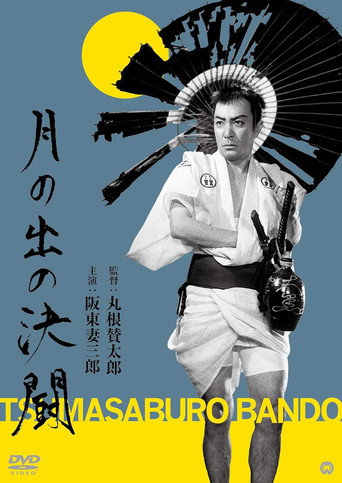 NR
NRA yakuza bodyguard is persuaded by Ōhara Yūgaku to take the farmers’ side.
Duel at Moonrise
1947
 9.0
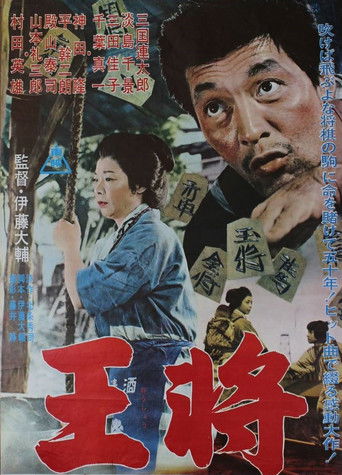
9.0Shogi, a Japanese form of chess, is a game that requires skill and determination. When poor sandal-maker Sakata decides to pursue his dream of becoming the Shogi Grand Master Champion, everything is at stake – including his family. What will it cost for Sakata to follow his passion?
The Grand Master
1948
 NR
NR1947 Japanese movie
Political Theater
1947
 NR
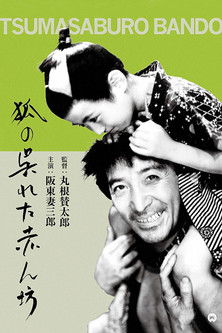
NRA lowly drunken samurai finds an abandoned baby in the woods and takes it home. A gift from a fox. But there's something special about the boy.
A Baby Given by a Fox
1945
 6.8
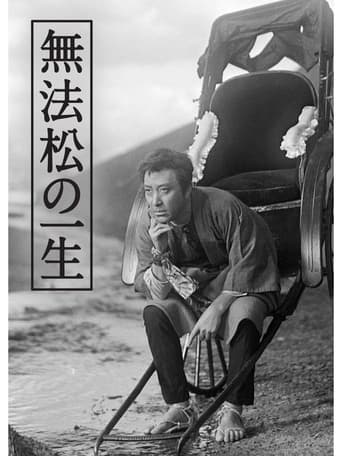
6.8Matsugoro is a poor rickshaw driver whose animated spirit and optimistic demeanor make him a favorite of the town. Matsu helps an injured boy, Toshio, and is hired by the boy's parents.
The Life of Matsu the Untamed
1943
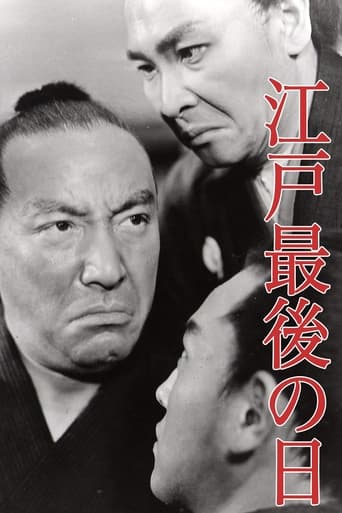 9.0
9.0It is a historical drama that follows Katsu Kaishu's efforts to surrender Edo Castle bloodlessly in the first year of the Meiji period.
Last Days of Edo
1941
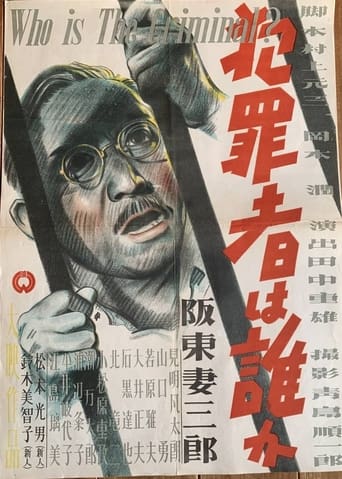 NR
NR1945 Japanese movie
Who Is the Criminal?
1945
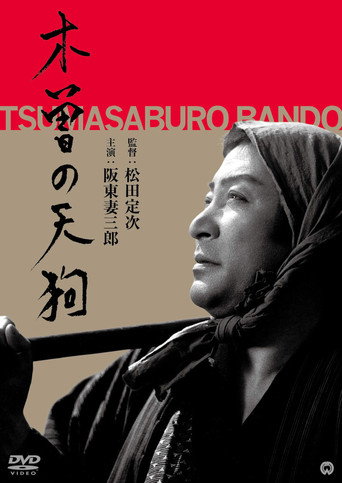 NR
NRNo synopsis available yet.
Tengu of Kiso
1948
1945 Japanese movie
Ikeru isu
1945
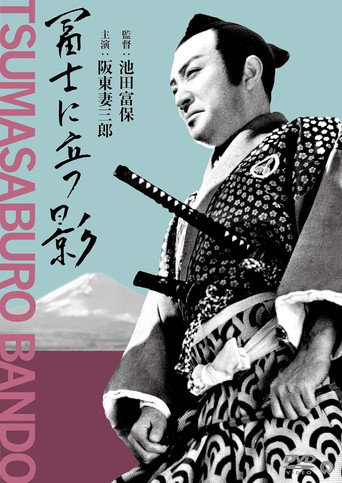 NR
NRNo synopsis available yet.
Shadow Over Fuji
1942
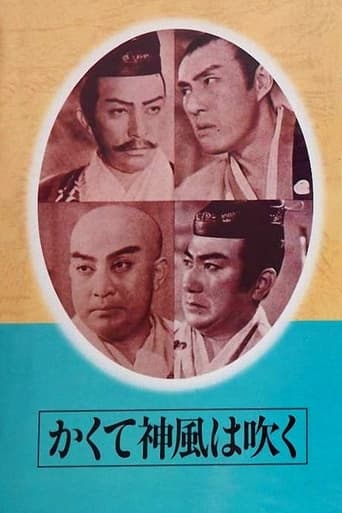 NR
NRSet in the late thirteenth century, this film depicts the defense of southern Japan led by the Kono clan against the Mongol invasion in 1281.
Thus the Divine Wind Blows
1944
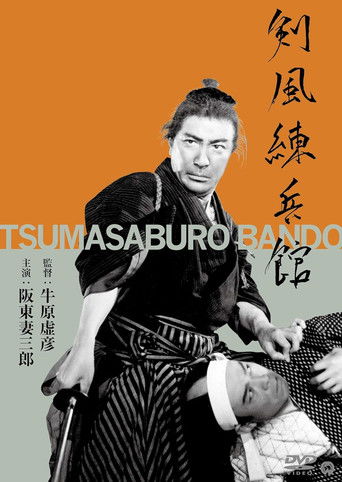 NR
NRNear the end of the shogunate in Japan, Katsura Shogoro and his fellow samurai from the southwestern domain of Choshu enter the dojo of Saito Yakuro, the famed Shindo Munen Ryu swordsmen of Renpeikan in Edo. Katsura is initially not welcomed by the other, senior dojo followers. Undeterred, he focuses on improving his skill not only in swordsmanship but also learning how to repel the foreign British and American ships that threaten their domain.
Kenpu Renpeikan
1944
No synopsis available yet.
The General, Staff and Soldiers
1942
No synopsis available yet.
Hakata Dontaku
1947
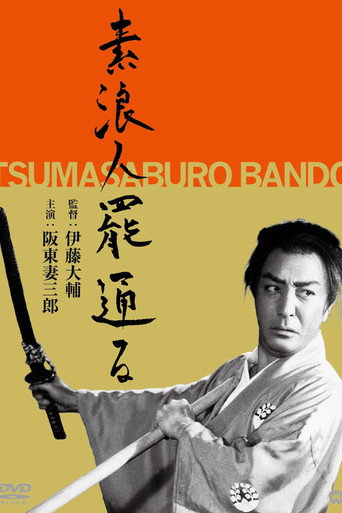 NR
NRReimagining of the Ten'ichibō Incident.
Surônin makaritôru
1947
1930s · 6 titles
7.0The tale of Nakayama Yasubei’s duel is famous, even if he in reality probably did not cut down 18 opponents. The story has been related in film, rakugo, kodan and on stage many times, in part because Nakayama later joined the famous 47 Ronin (Chushingura) as Horibe Yasubei. But Makino and Inagaki’s version gives no hint of this more serious future, playing up the thrills and the comedy with Bando’s bravura performance. The multiple pans of Yasubei running to the duel are an exemplar of the experimental flourishes of 1930s Japanese cinema and the final duel, performed virtually like a dance number, is a marker of Makino’s love of rhythm and one of the best sword fights in Japanese film history. The film was originally released under the title Chikemuri Takadanoba (Bloody Takadanobaba) with a length of 57 minutes, but suffered some cuts and a title change when it was re-released in 1952.
Blood Spilled at Takadanobaba
1937
7.0The vassals of the Asano clan, who surrendered the castle & became wanderers, deceive the enemy and the public, wait for an opportunity to avenge their master and his family.
Chushingura
1938
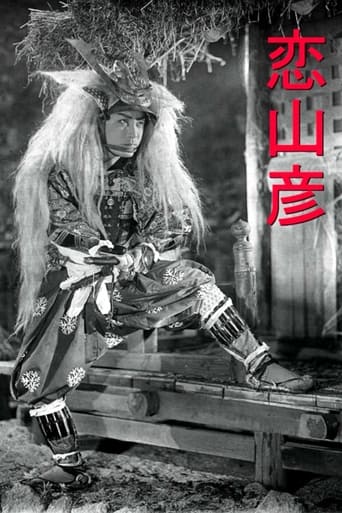 NR
NRA man is brutally murdered and his famed shamisen (a three-stringed musical instrument) called the "Yamabiko" stolen. Prince Kogenta swears to avenge his father-in-law's death and retrieve the family heirloom.
Echo of Love
1937
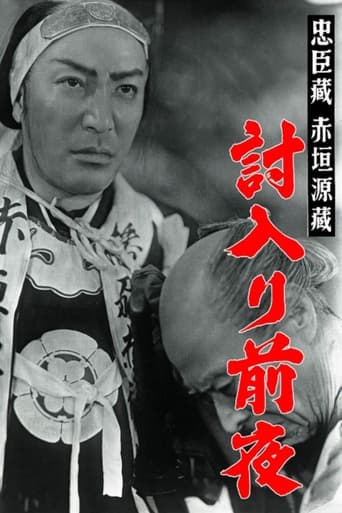 NR
NRForty-seven Ronin of the Ako clan are waiting for the right moment to avenge the insult and death of their master. The film tells the story of one of them named Akagaki Genzo.
Akagaki Genzo
1938
No synopsis available yet.
Rogoku no hanayome zenpen
1931
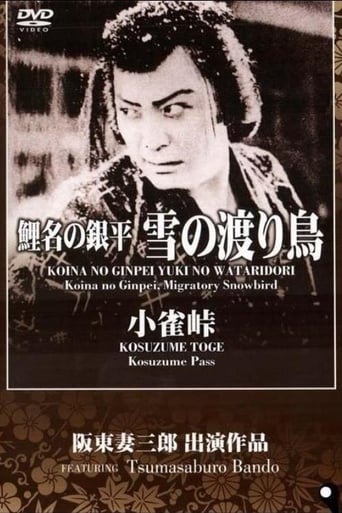 6.0
6.0Based on the original story of a wandering gambler written by the popular author Shin Hasegawa. This is the first film adaptation of his story, which later inspired many filmmakers to create further adaptations of his work. The first half of the movie depicts a man's jealousy of his best friend and the woman he loves. The second part depicts a hero who is ready to put the past behind him and risk his life for his friend.
Koina no Ginpei, Migratory Snowbird
1931
1920s · 9 titles
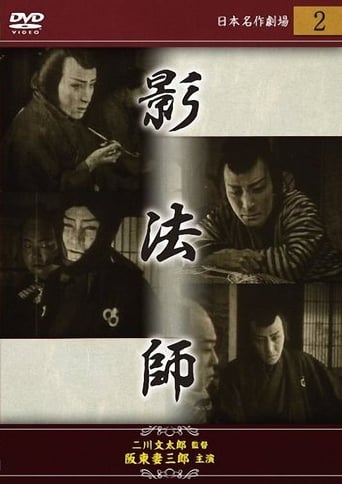 NR
NRKageboshi, based on the screenplay by Rokuhei Rokuhei Susukita, depicts the life of the ‘jovial thief’, Kageboshi.
Edo kaizoku-den : Kagebôshi
1925
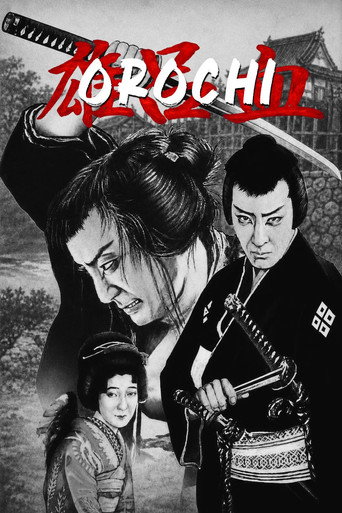 6.9
6.9This is the story of a samurai who falls on hard times due to misunderstandings and follows the plots of his enemies.
Orochi
1925
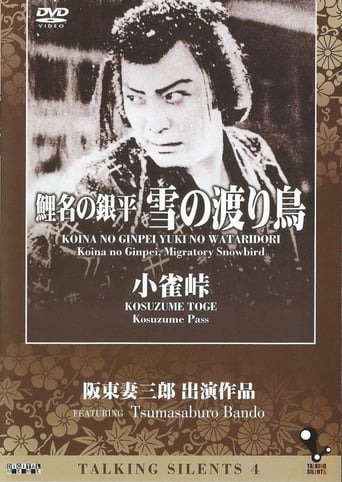 5.5
5.5Tokutaro is an orphan child who becomes a street candy vendor. He sells candies, humming a song he learned long ago from his mother. One day he met with thieves along the way and this encounter changes their lives in ways they cannot imagine.
Kosuzume Pass
1923
No synopsis available yet.
Kumo
1926
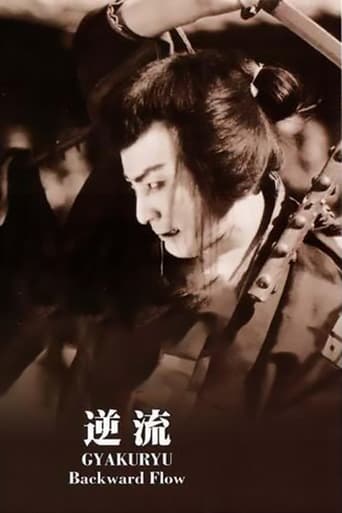 5.8
5.8Nanjo Mikisaburo is a young samurai trying to restore his ruined family to its past glory. Enduring the contempt and disdain of high-ranking samurai, Mikisaburo devotes himself to the way of the warrior, mastering the literary and martial arts. His master Kurahashi Jupeita's daughter Misao feels for Mikisahuro who maintains his pride in the face of the arrogant samurai's scorn. She sympathizes with and encourages him. However this sympathy ignites a passionate love for her in Mikisaburo.
Backward Flow
1924
Japanese horror movie from 1923.
Tenjiku Tokubei
1923
Ryôma Sakamoto unites the Choshu and Satsuma clans and paves the way for the Meiji Restoration.
Sakamoto Ryōma
1928
A chambara film starring Bandō Tsumasaburō.
Kirarazaka
1925
No synopsis available yet.
Ahôshige
1923