

Writing
Friedrich Schiller
Born — Died
1759-11-10 — 1805-05-09
Place of birth
Marbach am Neckar, Germany
Known for
Writing
Credits
10 titles
Friedrich Schiller was born on Nov. 10, 1759, in Marbach, Germany. His father was an army doctor. Growing up in a very poor environment, Schiller eventually managed to get the support of a wealthy duke that enabled him to study medicine. He served as a military doctor first, but through the efforts of Johann Wolfgang von Goethe he finally went to Jena and Weimar, where he died on the May 9, 1805. Schiller is an important German author of his time, most famous for his stage plays. They were highly acclaimed--and mostly forbidden, because of their contents. His first big work, "Die Räuber", dealt with the revolt of sons against their parents and environment, a very modern topic for the time a…
Known for
 9.0
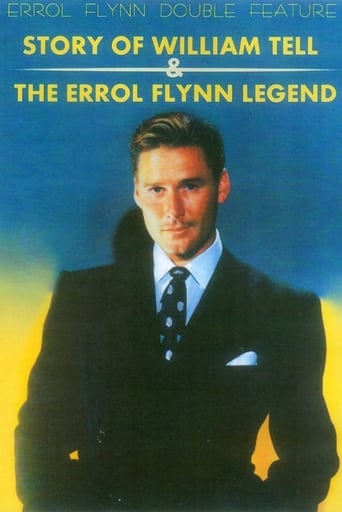
A short that follows the legend of Wilhelm Gorkeit of Tellikon (William Tell), the legendary archer and hero from Switzerland.
The Story of William Tell
1953
 5.6
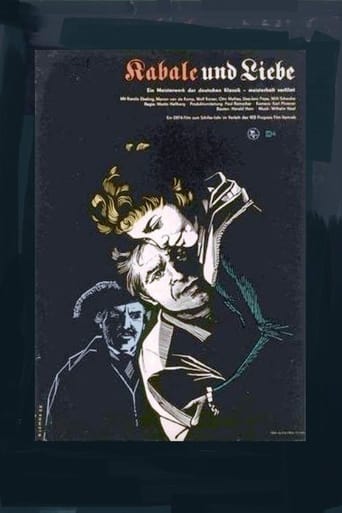
Ferdinand is an army major and son of President von Walter, while Luise Miller is the daughter of a middle-class musician. They fall in love with each other, but both their fathers urge them to end the affair.
Intrigue and Love
1959
No synopsis available yet.
Kabale und Liebe
1980
 10.0
This documentation of a Kortner stage rehearsal shows in detail and fascinatingly how Kortner developed psychological tensions with meticulous precision in linguistic expression and gestural construction.
Fünfter Akt, siebente Szene. Fritz Kortner probt Kabale und Liebe
1965
 9.0
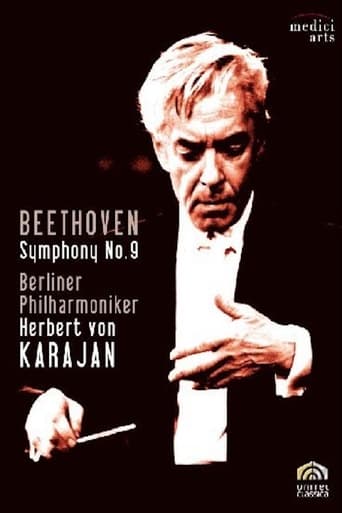
Karajan's very best video Beethoven 9th Symphony, recorded December 31, 1977. The Quartet of vocal soloists and Chorus in IV are superb. This is much better than Karajan's 1968 Berlin Philharmonic Beethoven 9 video (DG), filmed in the Philharmonie with no live audience present.
Beethoven Symphony No. 9
1977
 5.6
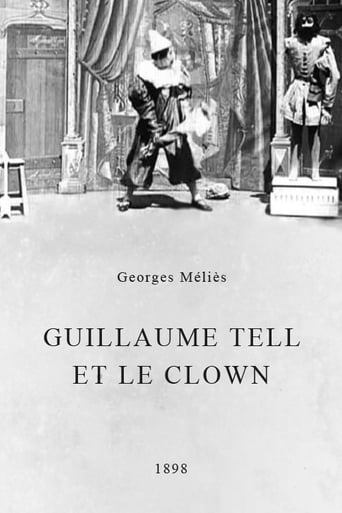
The scene opens in an artist's studio where the unfinished statue of William Tell stands upon a pedestal. A clown appears and sticks a clay arm and clay head on the statue, thus completing it. He places a large brick on top of the head to make it stick. When he turns his back the statue turns into a living representation of William Tell. (Edison Catalog)
Adventures of William Tell
1898
Behind the camera
9.0A short that follows the legend of Wilhelm Gorkeit of Tellikon (William Tell), the legendary archer and hero from Switzerland.
The Story of William Tell
1953
5.6Ferdinand is an army major and son of President von Walter, while Luise Miller is the daughter of a middle-class musician. They fall in love with each other, but both their fathers urge them to end the affair.
Intrigue and Love
1959
No synopsis available yet.
Kabale und Liebe
1980
10.0This documentation of a Kortner stage rehearsal shows in detail and fascinatingly how Kortner developed psychological tensions with meticulous precision in linguistic expression and gestural construction.
Fünfter Akt, siebente Szene. Fritz Kortner probt Kabale und Liebe
1965
9.0Karajan's very best video Beethoven 9th Symphony, recorded December 31, 1977. The Quartet of vocal soloists and Chorus in IV are superb. This is much better than Karajan's 1968 Berlin Philharmonic Beethoven 9 video (DG), filmed in the Philharmonie with no live audience present.
Beethoven Symphony No. 9
1977
5.6The scene opens in an artist's studio where the unfinished statue of William Tell stands upon a pedestal. A clown appears and sticks a clay arm and clay head on the statue, thus completing it. He places a large brick on top of the head to make it stick. When he turns his back the statue turns into a living representation of William Tell. (Edison Catalog)
Adventures of William Tell
1898
No synopsis available yet.
Maria Stuart
1986
 6.0
Opera in four acts Libretto by Victor-Joseph Étienne de Jouy and Hippolyte-Louis-Florent Bis
William Tell
2024
 7.5
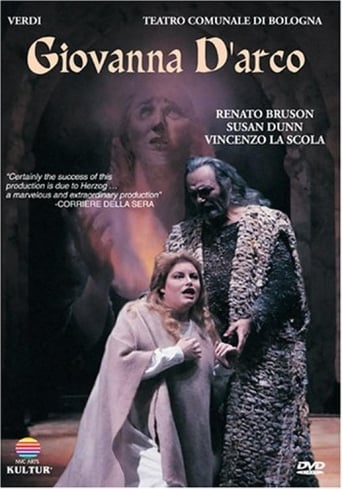
Director Werner Herzog, one of the most highly acclaimed German film makers, joins forces with the great Italian conductor Riccardo Chailly to effect a masterful rendition of this rarely-performed opera involving spectacular scenes of alternating light and dark, pageantry and intimacy. Staged and recorded at Teatro Comunale di Bologna in Bologna, Italy.
Giovanna d'Arco
1989
 NR
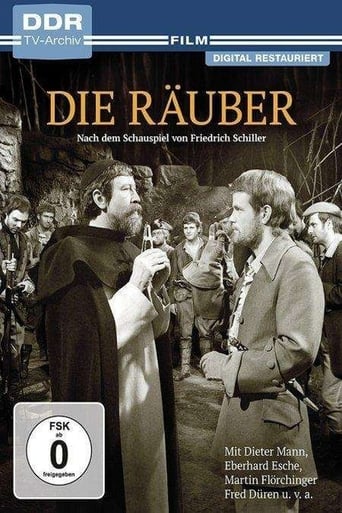
Germany in the 18th century. Two brothers rebel against the narrow confines of the small state and feudal despotism. However, Franz and Karl Moor have very different motives: Franz is interested in satisfying his personal needs, power and wealth, while Karl has a vision of a new, better society. To achieve this, he needs support. He finds it in a gang of robbers, of which he becomes the leader. He soon learns that anarchy can neither rally the masses nor challenge the existing order.
Die Räuber
1967