
Directing
F. Percy Smith
Born — Died
1880-01-12 — 1945-03-24
Place of birth
London, England
Known for
Directing
Credits
26 titles
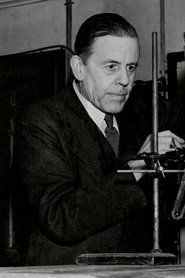
A distinguished pioneer of scientific filmmaking, Percy Smith was born in London in 1880. Working as a clerk at the Board of Education, Percy began to photograph the natural world around him, nursing a lifelong fascination with all manner of plant and animal life. His close-up photograph of a bluebottle's tongue caught the attention of film entrepreneur Charles Urban, who quickly began to exhibit Percy's work in London theatres. After the considerable success of sequences such as The Balancing Bluebottle, where he recorded flies juggling, Percy finally joined Urban as a full-time filmmaker in 1910. Before the outbreak of the First World War, Percy completed over fifty nature films for th…
Known for
Time lapse photography of roots growing underground. Part of the “Secrets of Nature” series.
Down Under
1930
 NR
NRMosses are seen on walls, old roofs and in hedgerows.
Gathering Moss
1933
 NR
NRShort film showing (with limited accuracy) the life-cycle of myxomycetes.
Magic Myxies
1931
 5.0
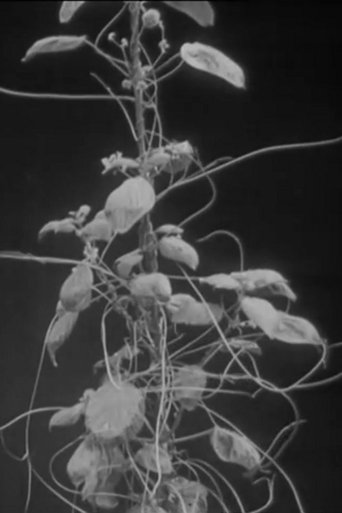
5.0The Strangler shows the life history of dodder, from its earliest stage as a seedling, to its parasitic stage feeding off its host.
The Strangler
1930
 6.5
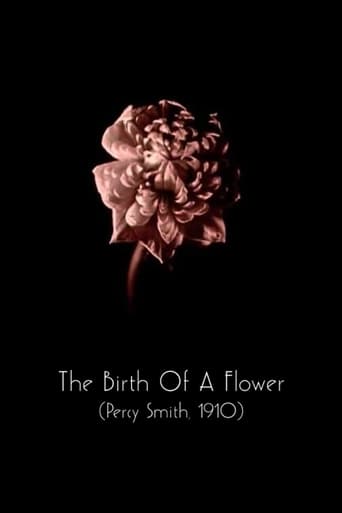
6.5"Percy Smith (1880-1944) was world famous as a photographer of plant life. Probably the first British example of time-lapse photography as applied to the growth of plants." Monthly Film Bulletin, November 1955.
The Birth of a Flower
1910
 6.0
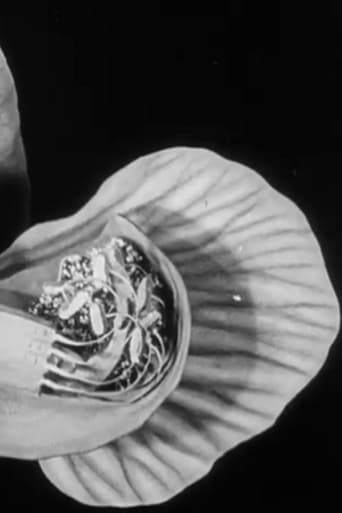
6.0The film shows the birth, life and reproduction of sweet peas, a familiar and well loved plant of British gardeners.
Peas and Cues
1930
Behind the camera
Time lapse photography of roots growing underground. Part of the “Secrets of Nature” series.
Down Under
1930
NRMosses are seen on walls, old roofs and in hedgerows.
Gathering Moss
1933
NRShort film showing (with limited accuracy) the life-cycle of myxomycetes.
Magic Myxies
1931
5.0The Strangler shows the life history of dodder, from its earliest stage as a seedling, to its parasitic stage feeding off its host.
The Strangler
1930
6.5"Percy Smith (1880-1944) was world famous as a photographer of plant life. Probably the first British example of time-lapse photography as applied to the growth of plants." Monthly Film Bulletin, November 1955.
The Birth of a Flower
1910
6.0The film shows the birth, life and reproduction of sweet peas, a familiar and well loved plant of British gardeners.
Peas and Cues
1930
 NR
NRA short documentary study of hops, barley and yeast, and how they interact.
Brewster's Magic
1933
 2.0
2.0Charming animated illustration of one of nature's wonders from Britain's most inventive pioneer of wildlife filmmaking.
To Demonstrate How Spiders Fly
1909
The life cycle of the larva of the phantom-fly. Released in a silent (1926) and sound (1930) version.
The Phantom
1926
If you are sitting comfortably then Archie the Ant will begin his bedtime story, although sadly Archie’s creator left it unfinished. Frank Percy Smith was a true pioneer of natural history filmmaking and a real lover of insects. “Marking time”, as he later put it, between working on educational films he spent two years making this “Bedtime Stories of Archie the Ant” series, which was seemingly never released. The film is left as it was when Smith abandoned work on it. It’s out of sequence, and has repeat alternate takes giving an insight into his working methods. The intertitles are bunched at the end, offering a tantalising glimpse of where the story was going.
Bertie's Cave
1925
 NR
NRShort documentary showing infusoria in a wine-glass.
The World in a Wine-Glass
1931
 9.0
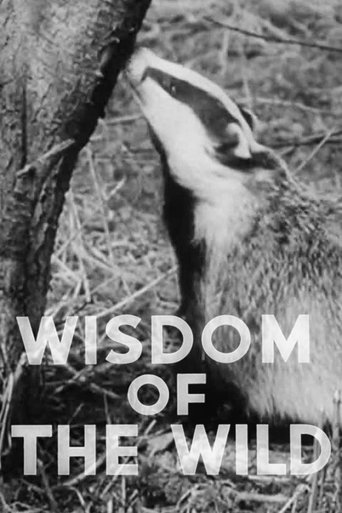
9.0A wildlife film with a difference: it has A Message for any humans in the house. "The squirrel in the tree, the fox below, the birds, insects, all know that a time of plenty will not last forever". Austerity-stricken wartime viewers can learn from their economical feeding habits. An entertaining hybrid of public information and natural history from the makers of wildlife series Secrets of Life. Released in the BFI boxset Ration Books and Rabbit Pies: Films from the Home Front.
Wisdom of the Wild
1940
 NR
NRThe struggle between plants for existence and methods of seed dispersal. The plant movements are shown at twenty thousand times their normal speed and in extreme close up.
The Battle of the Plants
1926
 NR
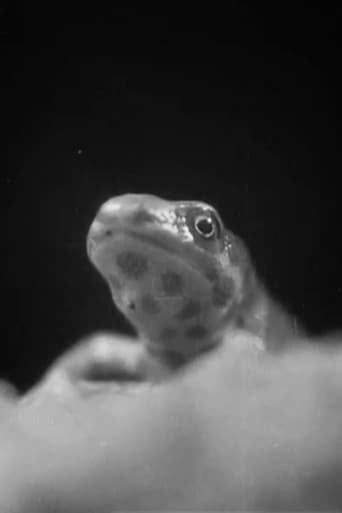
NRShort, anthropomorphically-inclined documentary showing the life-cycle of the common newt.
Romance in a Pond
1932
A life history of the Frog. Released in a silent (1929) and sound (1930) version.
The Frog
1929
 NR
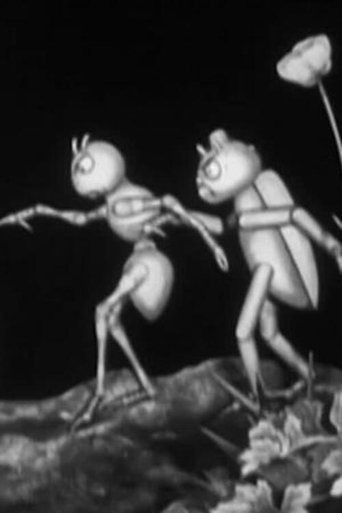
NRA bug’s life laid bare in this charming cut-out animated tale.
Tale of a Tendril
1925
 NR
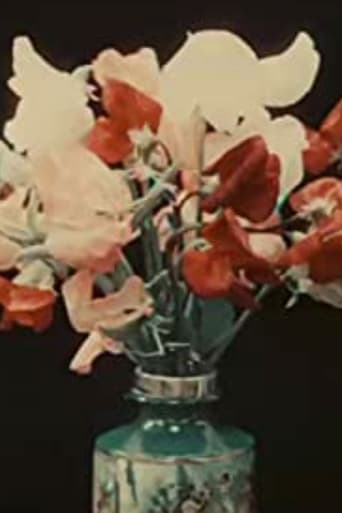
NRAn early British Kinemacolor short, in which delicate tones and shades of color are beautifully reproduced in examples of highly cultivated sweet pea flowers.
Varieties of Sweet Peas
1911
 NR
NRShort documentary film using innovative filming techniques to show how moulds grow and germinate.
The Plants of the Pantry
1927
 NR
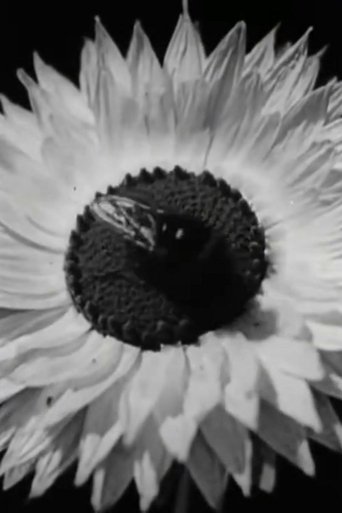
NRA short black-and-white silent documentary film featuring the sexual elements of pollenation in Dandelion, Globe thistle, Daisy, Cornflower, Carline thistle and Everlastings.
Floral Co-operative Societies
1927
The film uses stop-frame animation to create maps on the screen, and showed the then-current military situation in the Dardanelles, using various maps to assist understanding. Small cardboard cut-outs show the deployment of men and ships. Intertitles explain tactics, and shelling explosions are illustrated by clouds of cotton wool.
Fight for the Dardanelles
1915
A short, early documentary work showing insects exhibiting extreme strength and agility.
The Strength and Agility of Insects
1911
 NR
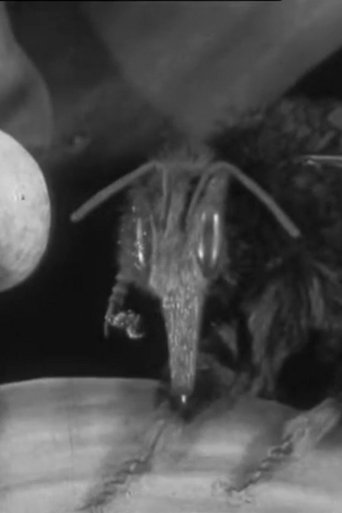
NRTime lapse photography of the broad bean flower unfurling. Released in a silent (1929) and sound (1930) version.
Scarlet Runner & Co
1929
This hand-tinted picture shows a series of hothouse flowers turning upon a pedestal, then displays time-lapse photography of flower growth.
Etude de fleurs
1910
Propped upon the tail-end of a match, a housefly performs astonishing feats, alternately juggling a series of objects - a blade of grass, a cork, a miniature dumbbell… Most extraordinary of all is the sequence in which the fly spins a ball twice its own size, while a second fly perches on top. In the final sequence, the fly repeats some of its earlier tricks while apparently seated on a tiny chair.
The Acrobatic Fly
1910
Nature’s Handiwork presents the marvelous and critical stages of transformation of caterpillars, moths and butterflies. Through microscopic techniques, this silent film captures hidden nature's secrets in action and composes an alien and strange looking world.
Nature's Handiwork
1921
No synopsis available yet.
Story of the Silk Moth
1908