

Editing
Geof Bartz
Born
1943-12-03 (82)
Place of birth
Detroit, Michigan, USA
Known for
Editing
Credits
5 titles
Geof Bartz has been the Supervising Editor for HBO Documentary Films since 1998. Geof started his career as an assistant editor on the 1969 CBS special "Simon and Garfunkel: Songs of America" and has gone on to edit, or supervise the editing of, more than 100 non-fiction films, among them the classic documentary "Pumping Iron." Geof was the co-producer and supervising editor of the 1979 NBC Emmy winning series "Lifeline;" and he produced and co-edited the 1984 20th Century Fox feature "Stripper." In 2000 and 2001, two short documentaries Geof cut, "King Gimp" and "Big Mama", won back-to-back Academy Awards. In 2015, his film "Crisis Hotline: Veterans Press 1" took home the Oscar. The foll…
Known for
 5.4
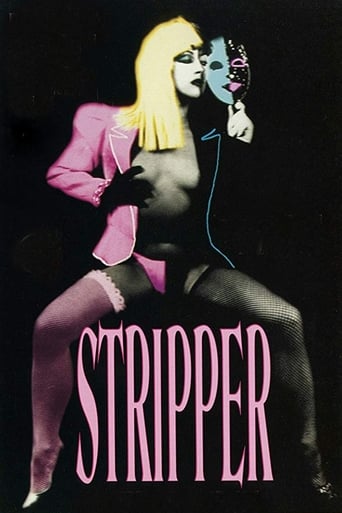
5.4A strippers' convention and a major contest. The movie focuses on a few strippers, each with her own strong motive to win.
Stripper
1985
 8.3
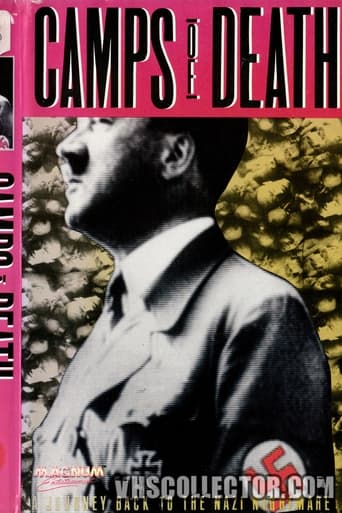
8.3Human torture. Factories of death. War atrocities. The crimes that haunt the pagse of history are chronicled in the piercing documentary Camps of Death. Following Hitler's murderous career, the film traces his rise to power, his ultimate demise, and the subsequent nuremberg trials that publicized the horrors of Hitler's regime. Concentration camp footage combines with chilling POW interviews to graphically create the nazi nightmare that few could hope to survive. A powerful look at the third reich adn the horrifying fate of its enemies.
The Camps of Death
1983
 7.5
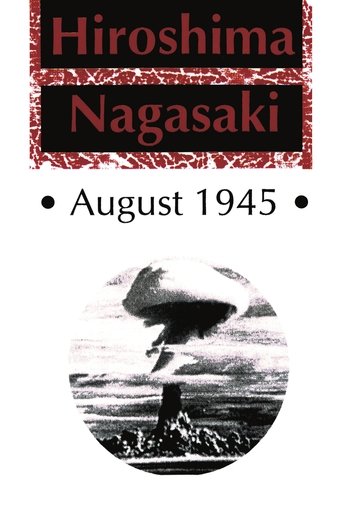
7.5This documentary is a compilation of silent black-and-white film footage shot by the Japanese in Hiroshima and Nagasaki shortly after the atomic bomb blasts in early August 1945. English-language voice-over narration has been added, along with a few scenes from American sources. The film shows the destruction and injury caused by the atomic bombs in graphic detail.
Hiroshima Nagasaki August, 1945
1970
Film credits
Behind the camera
5.4A strippers' convention and a major contest. The movie focuses on a few strippers, each with her own strong motive to win.
Stripper
1985
8.3Human torture. Factories of death. War atrocities. The crimes that haunt the pagse of history are chronicled in the piercing documentary Camps of Death. Following Hitler's murderous career, the film traces his rise to power, his ultimate demise, and the subsequent nuremberg trials that publicized the horrors of Hitler's regime. Concentration camp footage combines with chilling POW interviews to graphically create the nazi nightmare that few could hope to survive. A powerful look at the third reich adn the horrifying fate of its enemies.
The Camps of Death
1983
8.3Human torture. Factories of death. War atrocities. The crimes that haunt the pagse of history are chronicled in the piercing documentary Camps of Death. Following Hitler's murderous career, the film traces his rise to power, his ultimate demise, and the subsequent nuremberg trials that publicized the horrors of Hitler's regime. Concentration camp footage combines with chilling POW interviews to graphically create the nazi nightmare that few could hope to survive. A powerful look at the third reich adn the horrifying fate of its enemies.
The Camps of Death
1983
7.5This documentary is a compilation of silent black-and-white film footage shot by the Japanese in Hiroshima and Nagasaki shortly after the atomic bomb blasts in early August 1945. English-language voice-over narration has been added, along with a few scenes from American sources. The film shows the destruction and injury caused by the atomic bombs in graphic detail.
Hiroshima Nagasaki August, 1945
1970