
Directing
Albert Capellani
Born — Died
1874-08-23 — 1931-09-26
Place of birth
Paris, France
Known for
Directing
Credits
42 titles
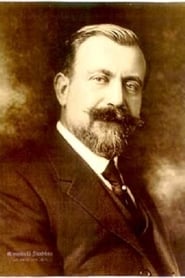
Albert Capellani (23 August 1874 – 26 September 1931) was a French film director and screenwriter of the silent era. He directed many films between 1905 and 1922. One of his brothers was the actor-sculptor Paul Capellani, and another, film director Roger Capellani.
Known for
 5.9
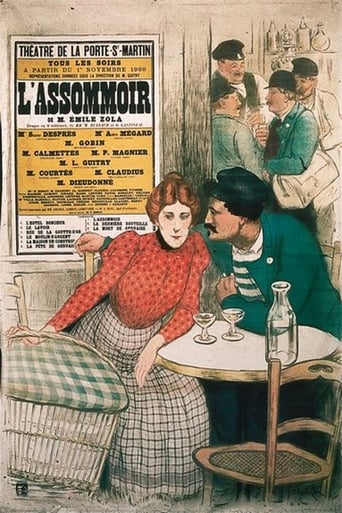
5.9Everyman Coupeau's attempts to stop drinking are routinely thwarted by the wicked and vengeful Virginie. Based on Zola's novel, Capellani's film is about the free fall of a group of working-class French folk into degradation and tragedy due to carelessness, jealousy, and alcohol abuse. At the time of its release, L'Assommoir was hugely successful.
L'Assommoir
1908
 4.0
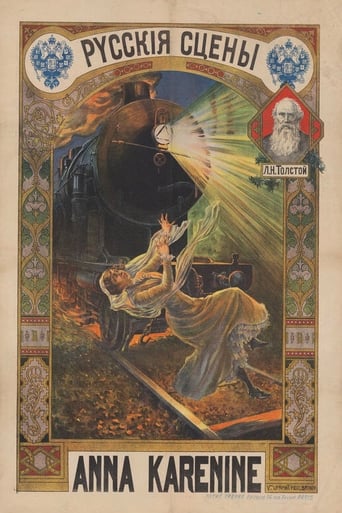
4.0In Imperial Russia, Anna, wife of the officer Karenin, goes to Moscow to visit her brother. On the way, she meets charming cavalry officer Vronsky, to whom she's immediately attracted. But in St. Petersburg’s high society, a relationship like this could destroy a woman’s reputation.
Anna Karenina
1912
 NR
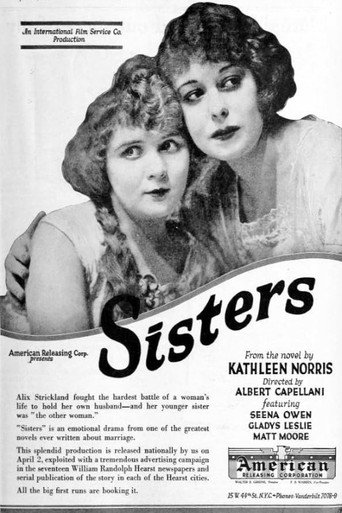
NRCherry, the youngest daughter of Dr. Strickland, marries Martin Lloyd; and Peter, a neighbor who was in love with her, unhappily begins a world tour. Returning home, Peter finds that the doctor has died, leaving the older daughter, Alix, alone; and he marries her out of desperation. Cherry, unhappy with her marriage, leaves her husband and comes to live with her sister and Peter; learning that Peter still loves her, Cherry agrees to run away with him, but they are discovered by his wife and upbraided. Martin is injured in a logging camp accident, and Cherry, realizing that she still loves her husband, goes to him. Peter resolves to free Alix, but she forgives him and they agree to start anew.
Sisters
1922
 5.7
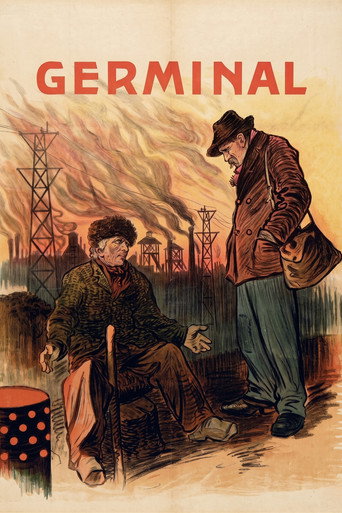
5.7Based on Emile Zola's novel, an uncompromisingly harsh and realistic story of a coalminers' strike in northern France in the 1860s.
Germinal
1913
 7.0
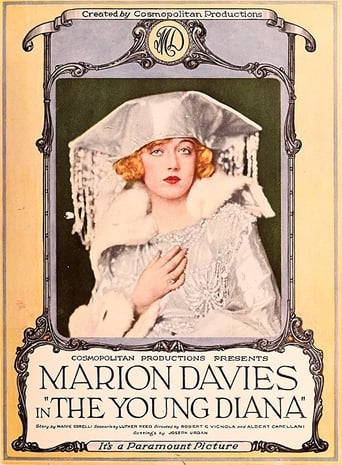
7.0Mr. May wants his daughter Diana to marry into society. The man he wishes her to wed is a scientist, Dr. Dimitrius, but Diana is in love with an officer, Commander Cleeve.
The Young Diana
1922
 8.0
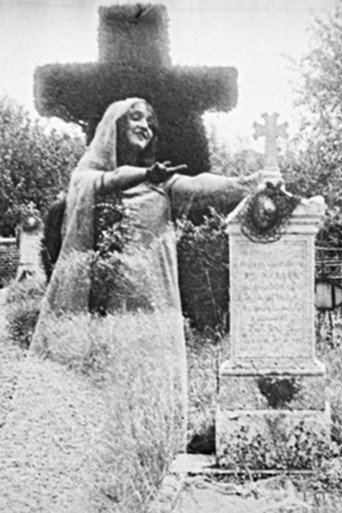
8.0No synopsis available yet.
Éternel amour
1914
Film credits
1910s · 2 titles
 NR
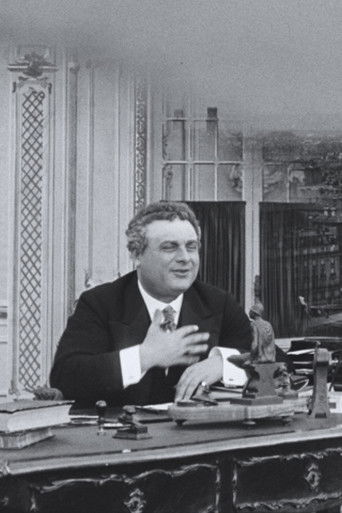
NRBernard Jeansoulet supports his brother Louis and his mother through his work. Louis finds a job in Paris, where he gets carried away by the intoxicating atmosphere, and ends up in prison... An adaptation of Alphonse Daudet's work by one of the pioneers of cinema.
Le Nabab
1913
 8.0
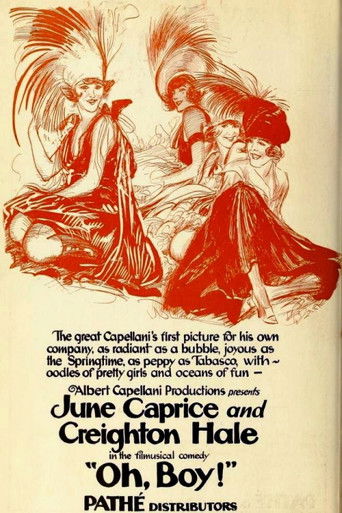
8.0George elopes with Lou Ellen, a judge's daughter, against the wishes of both their families. Simultaneously, George's friend Jim is in love with Jackie, an actress who gets into trouble for punching a bumbling constable at a raided party. George foolishly allows Jackie to hide in his home, leading to a series of comedic complications as he tries to keep her presence a secret from his new wife, her parents (especially her strict judge father), and his Quaker aunt.
Oh Boy!
1919
Behind the camera
5.9Everyman Coupeau's attempts to stop drinking are routinely thwarted by the wicked and vengeful Virginie. Based on Zola's novel, Capellani's film is about the free fall of a group of working-class French folk into degradation and tragedy due to carelessness, jealousy, and alcohol abuse. At the time of its release, L'Assommoir was hugely successful.
L'Assommoir
1908
5.9Everyman Coupeau's attempts to stop drinking are routinely thwarted by the wicked and vengeful Virginie. Based on Zola's novel, Capellani's film is about the free fall of a group of working-class French folk into degradation and tragedy due to carelessness, jealousy, and alcohol abuse. At the time of its release, L'Assommoir was hugely successful.
L'Assommoir
1908
4.0In Imperial Russia, Anna, wife of the officer Karenin, goes to Moscow to visit her brother. On the way, she meets charming cavalry officer Vronsky, to whom she's immediately attracted. But in St. Petersburg’s high society, a relationship like this could destroy a woman’s reputation.
Anna Karenina
1912
NRCherry, the youngest daughter of Dr. Strickland, marries Martin Lloyd; and Peter, a neighbor who was in love with her, unhappily begins a world tour. Returning home, Peter finds that the doctor has died, leaving the older daughter, Alix, alone; and he marries her out of desperation. Cherry, unhappy with her marriage, leaves her husband and comes to live with her sister and Peter; learning that Peter still loves her, Cherry agrees to run away with him, but they are discovered by his wife and upbraided. Martin is injured in a logging camp accident, and Cherry, realizing that she still loves her husband, goes to him. Peter resolves to free Alix, but she forgives him and they agree to start anew.
Sisters
1922
5.7Based on Emile Zola's novel, an uncompromisingly harsh and realistic story of a coalminers' strike in northern France in the 1860s.
Germinal
1913
5.7Based on Emile Zola's novel, an uncompromisingly harsh and realistic story of a coalminers' strike in northern France in the 1860s.
Germinal
1913
7.0Mr. May wants his daughter Diana to marry into society. The man he wishes her to wed is a scientist, Dr. Dimitrius, but Diana is in love with an officer, Commander Cleeve.
The Young Diana
1922
8.0No synopsis available yet.
Éternel amour
1914
 8.0
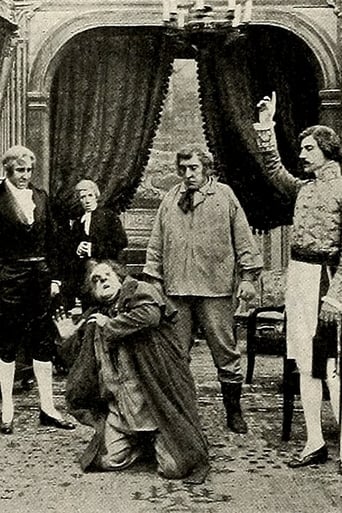
8.0No synopsis available yet.
The Mysteries of Paris
1912
8.0No synopsis available yet.
The Mysteries of Paris
1912
The Count of Champcenetz is governor of the Palace of the Tuileries. His mistress Grace Elliott, a young widow, begs him not to go the Palace where he must defend King Louis XVI, who is threatened by the Revolution. After a few hours fight, in spite of the Count's best efforts, the crowd captures the King, the Queen, their children and their are taken to the prison of the Temple. Champcenetz, wounded, escapes and, disguised as a sans-culotte, walks back to Mrs. Elliott's. He leaves out of the country with her and marries her.
The Escape from the Tuileries
1910
 9.0
9.0“The Queen of Judah has gained her throne by eliminating the Royal Princes, but one is still alive and protected by the high priest. In a dream the Queen sees the young Prince as a king. She orders an assault on the Temple but when the Priest draws back a curtain to reveal the child king on his throne, she rushes from the scene believing it to be the fulfilment of her dream (incomplete).” - BFI.
Athalie
1910
 NR
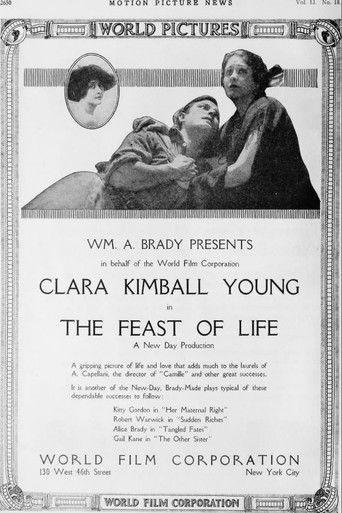
NRAurora Fernandez, a poor Cuban girl, is persuaded against her will to become betrothed to Don Armada, a wealthy Cuban. She loves Pedro, a young fisherman, who lives with his uncle, Father Venture, and his sister Celida, who has been secretly stealing to Don Armada's villa, but is cast off by him on his engagement to Aurora. Longing for a sight of Pedro, disguised as a dancing girl, Aurora goes to an inn where Pedro comes with other fishermen for a nights revelry.
The Feast of Life
1916
The story begins with Jean Valjean as a humble worker endeavoring to provide for his invalid mother. They live in a squalid home, made more wretched by his inability to provide sufficient food. He goes out in search of work, but is unsuccessful. Finally, in desperation, he steals a loaf of bread regardless of consequences. He hastens home with it, pursued by a crowd, and gives it to his mother. Valjean is arrested for the theft and sentenced to five years at hard labor.
Les Misérables - Part 1: Jean Valjean
1913
 NR
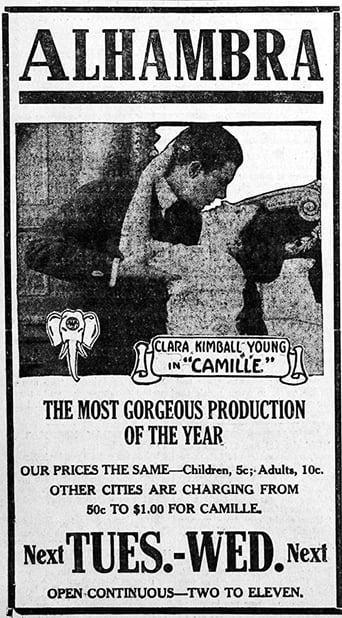
NRCamille is a courtesan in Paris. She falls deeply in love with a young man of promise, Armand Duval. When Armand's father begs her not to ruin his hopes of a career and position by marrying Armand, she acquiesces and leaves her lover. However, when poverty and terminal illness overwhelm her, Camille discovers that Armand has not lost his love for her.
Camille
1915
 NR
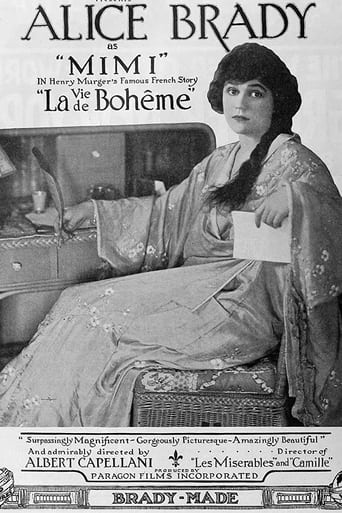
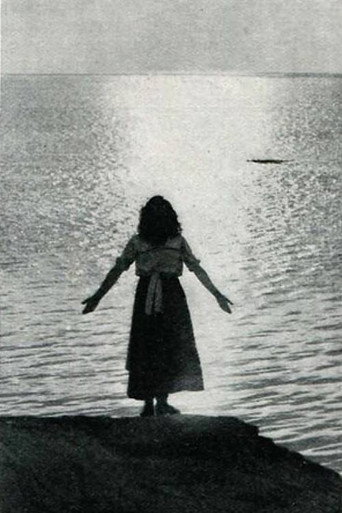
NRMimi, an orphan, is taken in by a drunken innkeeper and becomes a domestic. She meets Rudolphe, scion of a well-to-do family, who rescues her from the unwanted advances of a drunken hotel guest. They fall madly in love, but Rudolphe's uncle, M. Durandin, wants Rudolphe to marry a family friend, Madame de Rouvre, and writes Mimi a letter, telling her that she is ruining Rudolphe's life. Musette and Marcel, friends of Mimi, also try to break up the romance by introducing Mimi to other men, and Rudolphe becomes jealous and leaves her. Brokenhearted, Mimi declines in health and eventually throws herself into the river but is rescued and taken to the hospital. Realizing it is only a matter of time before she dies, she drags herself back to the room where she and Rudolphe were happiest. Rudolphe is there and she dies knowing that he loves her.
La Vie de Bohème
1916
 NR
NRComedy of errors about Sir Anothony, his twin brother Blink and his son Aubrey. Mary Priestly is fooled but by the end flourishes.
The Impostor
—
 5.5
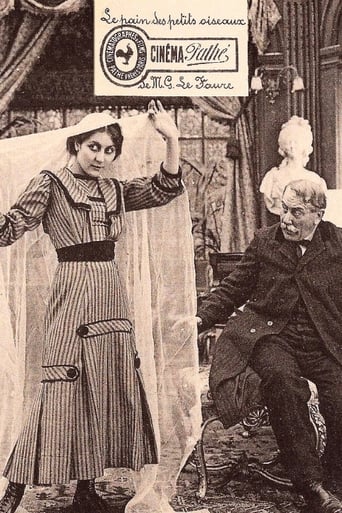
5.5Like Max Ophüls, Capellani set many films in the theatre – backstage, on stage, in the public eye; Here is a rags-to-riches story of a dancer and her older benefactor, a kind-hearted piano tutor.
Bread for the Birds
1911
The story of a free-spirited Bohemian. Capellani would remake the film in the U.S. in 1916 with a longer runtime.
La Bohème
1912
No synopsis available yet.
Patrie
1914
No synopsis available yet.
Patrie
1914
Jean Valjean, guilty of a minor theft of food, is pursued and hounded for years by a relentless lawman, Javert.
Les Misérables - Part 2: Fantine
1913
 4.6
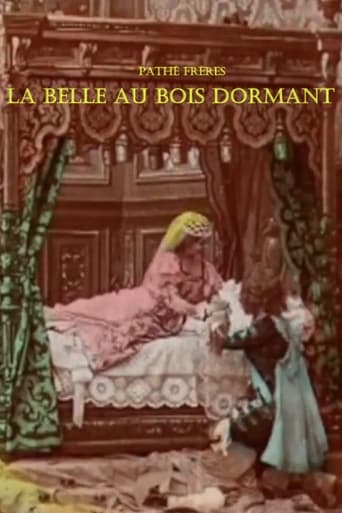
4.6Based on the story of "Sleeping Beauty" by Charles Perrault. Titles read: The Christening of the Princess; The Good Fairies Fatal Prediction; The Royal Edict; The Princess is Sixteen Years Old; Searching for the Princess; The Prediction Comes True; Thou Shalt Sleep for a Hundred Years; A Hundred Years later the Prince Charming Goes Hunting; Prince Charming Dismisses His Escort; The Castle of Sleep; The Guard's Hall; You Have Been a Long Time Coming, prince; The Wedding of the Sleeping Beauty to Prince Charming.
Sleeping Beauty
1908
Seventeen-year-old Des Grieux, studying philosophy at Amiens, comes from a noble and landed family, but forfeits his hereditary wealth and incurs the disappointment of his father by running away with Manon on her way to a convent. In Paris, the young lovers enjoy a blissful cohabitation, while Des Grieux struggles to satisfy Manon's taste for luxury. He acquires money by borrowing from his unwaveringly loyal friend Tiberge and by cheating gamblers.
Manon Lescaut
1912
 5.5
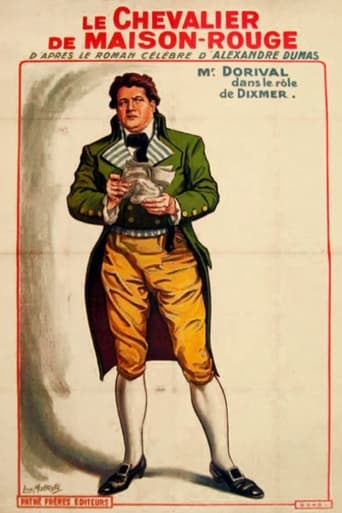
5.5The scene takes place in Paris in March 1793 during the Reign of Terror. The Knight of Maison-Rouge, posing as Citizen Morand, is organizing the escape of Queen Marie-Antoinette. He is assisted in his undertaking by Dixmer, a master tanner who passes himself off as an ardent revolutionary and his wife Geneviève, who also happens to be the Knight's sister. While on mission with her brother, she is saved from arrest thanks to the intervention of Lieutenant Maurice Lindey. Geneviève, who is married without love to Dixmer, falls for the young man, who requites her love. A tunnel is dug between a house rented by Dixmer and the Tower of the Temple but the various attempts to rescue the queen attempts fail. Marie-Antoinette risks the guillotine/ Moreover, Lindey finds himself involved in the plot...
The Reign of Terror
1914
 NR
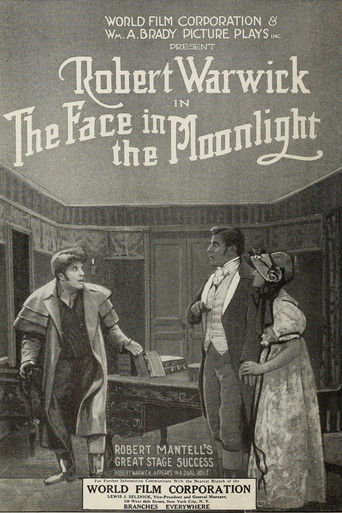
NRNo synopsis available yet.
The Face in the Moonlight
1915
 6.5
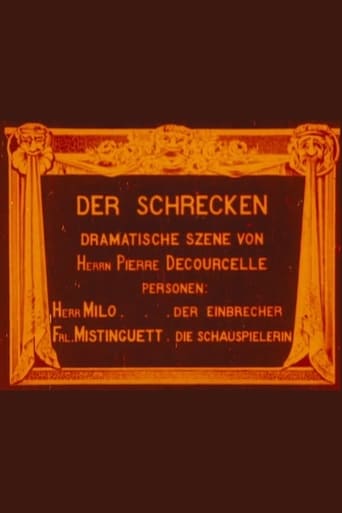
6.5An actress returns from the theatre and discovers her apartment has been burglarized; she lights a cigarette and the room catches fire; the burglar saves her life, and she, in return, saves his, and he returns her jewels.
The Terror
1911
 6.2
6.2The legend of Aladdin and his magic lamp: Aladdin finds a magic lamp which brings him wealth, luxury, and marriage to a princess. But his rival, an evil magician, steals the lamp for himself. Aladdin must regain the lamp or lose everything.
Aladdin and His Wonder Lamp
1906
6.2The legend of Aladdin and his magic lamp: Aladdin finds a magic lamp which brings him wealth, luxury, and marriage to a princess. But his rival, an evil magician, steals the lamp for himself. Aladdin must regain the lamp or lose everything.
Aladdin and His Wonder Lamp
1906
La Glu tells the story of a woman, separated from her husband, and of evil reputation, who at a summer resort tries to capture the fortune of a wealthy aristocrat whose nephew had been in love with her, and is herself caught in the toils of her interest in a poor and primitive Breton lobster-fisherman. His simple soul discovering the past career and the heartlessness of the Parisian woman, in despair he tries to kill himself by throwing him-self on the rocks. When the Glu, the name given to the woman in question, tries to see the youth, his mother kills her with a mallet on the steps leading to the room of the invalid.
The Siren
1913
 9.0
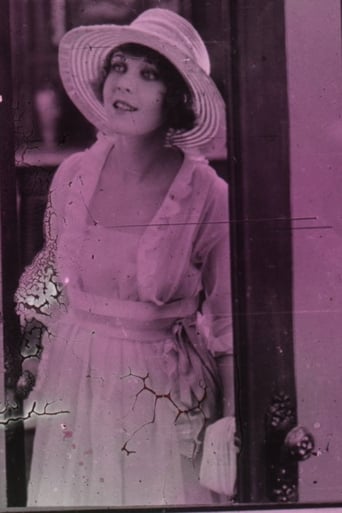
9.0Maud March, the rebellious daughter of a millionaire, goes to New York to see her sweetheart Geoffrey who left town years ago. Her aunt Carolyn wants Maud to marry her son Reggie and sends the Maud's brother Percy after her to act as chaperone. Maud, trying to escape, enters a taxi where she meets handsome composer George Bevan. The man falls in love with the young lady who, when she sees how Geoffrey has changed, soon agrees to marry George.
A Damsel in Distress
1919
 8.0
8.0The film depicts the main events in the life of Mary, Queen of Scots. She married Francis II, King of France. After her husband's death in 1560, Mary Stuart left France and returned to her native Scotland. Her father having died around the same time, she became Queen. She was about 19 years old, and her youth, great beauty, and charming manner won the hearts of the Scots. She was a devout Catholic, and when she ascended the throne, she found the country in the hands of Protestants, who caused much unrest. They revolted and imprisoned the young Queen. She escaped and sought help from Queen Elizabeth, but Elizabeth betrayed her and imprisoned her again. With the help of a page, she escaped through a window, but Elizabeth had her recaptured by her soldiers after a fierce struggle. She was therefore returned to prison once again and sentenced to death after a sham trial. It was with her gentle smile that Marie laid her head on the block.
Marie Stuart
1908
 7.5
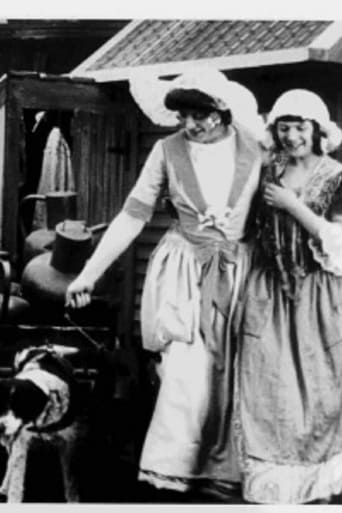
7.5Dries, a farmer and a widower, lives with his mother-in-law Grietje and his son Peter. He falls in love with Minna, a widow, and marries her despite the opposition of his family and friends. In anger his son Peter leaves home to enlist, while Grietje takes up her residence in another cottage. Six years pass, during which Grietje becomes acquainted with Minna's daughter Dina. Peter falls ill in Sumatra, but after falling in love with Dina, through the medium of photographs, he recovers and is drafted home again to Holland. He meets Dina and the two find that they truly love.
The Absentee
1913
 10.0
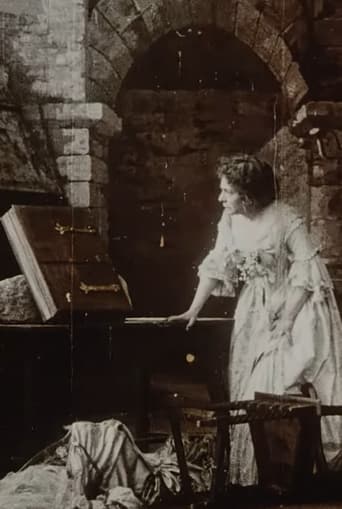
10.0During a wedding party, according to tradition, hide-and-seek is played in a local abandoned castle. The bride falls into a hidden corridor. As she enters a room, the door falls shut behind her. Inside, she finds a dead woman and a book that says she cannot get out of here. However, a cat taking her scarf outside is her salvation. The cat puts the searchers on the right track, and the groom finds his bride.
The Missing Bride
1910
 5.4
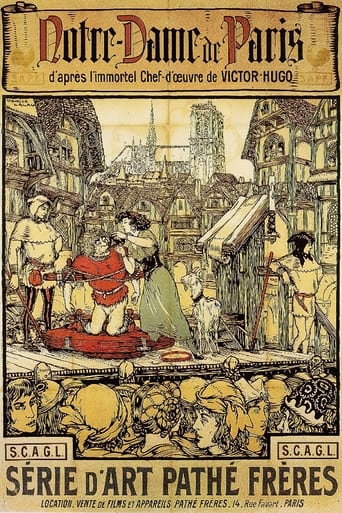
5.4Esmeralda, a beautiful gypsy street dancer, arouses the desire of men, especially of Claude Frollo, the archdeacon of Notre Dame. The latter asks Quasimodo, the deaf and deformed bell-ringer of the cathedral, to kidnap the girl. Quasimodo, who has been adopted by Frollo and obeys his every word, captures the gypsy but she is saved thanks to Phoebus, a handsome captain, and his archers. Arrested by Phoebus, the hunchback is condemned to be flogged at the pillory. When Esmeralada, moved to pity by his lot, gives him water to drink, Quasimodo falls in love with her. Later, Phoebus is stabbed to death and Esmeralda is wrongly accused of the murder. Sentenced to hang, she is saved by Quasimodo who offers her asylum and... the love of his heart.
The Hunchback of Notre Dame
1911
 6.5
6.5"Le Pied de Mouton" is an adaptation of an old French stage play titled "The Talisman" written by Alphonse Martainville and César Ribié. The atmosphere is hilarious, oneiric and delicious. The film tells the story of Gusman and Léonora, two lovers who must deal with many spells and troubles in order to preserve their love. The tale is full of princes and princesses, damsels in distress, good witches and wicked lords and is an amazing piece of work.
The Talisman
1907
 7.0
7.0In Paris Mildred White becomes romantically involved with both Derwent Ainsworth and Dr. Mario Martinez. She prefers Derwent, but when he leaves suddenly to see his dying father, Mario convinces Mildred that he has deserted her. World War I begins, Derwent returns for Mildred, but upon learning that she is leaving Paris with Mario, he enlists in the army. Mildred, learning of Mario's deception joins the Red Cross to be near Derwent. When he is blinded in battle unbeknownst to him Mildred assumes his care. Their love renewed, though he is unaware of her identity, the two soon marry. Mildred then prevails upon Mario to perform a special operation on Derwent's eyes. His vision restored the pair restate their love.
The Dark Silence
1916
 8.0
8.0The picture starts with Robert Warwick walking into the office of director Albert Capellani (the film's actual director). Capellani offers him the role of a heavy and hands him the script. The next four reels show Warwick playing a Raffles-like character, an ingenious crook who moves through society, committing robberies and even murder.
The Flash of an Emerald
1915
A insane child killer is loose! He finds a place to hide. A home where a little girl and an infant are alone.....
Le signalement
1912
NRBernard Jeansoulet supports his brother Louis and his mother through his work. Louis finds a job in Paris, where he gets carried away by the intoxicating atmosphere, and ends up in prison... An adaptation of Alphonse Daudet's work by one of the pioneers of cinema.
Le Nabab
1913