
Directing
Willard Van Dyke
Born — Died
1906-12-05 — 1986-01-23
Place of birth
Denver, Colorado, USA
Known for
Directing
Credits
27 titles
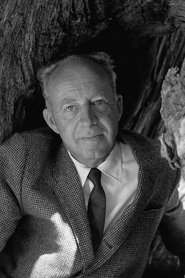
Willard Van Dyke (December 5, 1906 – January 23, 1986) was an American filmmaker, photographer, arts administrator, teacher, and former director of the film department at the Museum of Modern Art. Van Dyke went to the University of California, dropping out for a time to avoid taking an ROTC course. Van Dyke died in January 23, 1986 of a heart attack on his way to Cambridge, Mass., where he was named Laureate Artist in Residence at Harvard. He was 79 years old. Van Dyke is survived by his second wife, the former Barbara Millikin, of New York; a daughter, Alison Van Dyke, of Ithaca, N.Y.; three sons, Peter of New York City; Murray of Santa Fe and Neil of Stowe, Vt., and six grandchildren. De…
Known for
 6.0
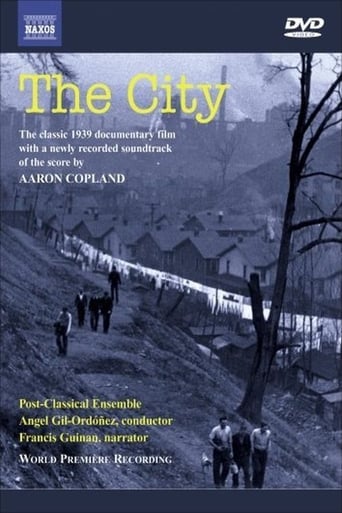
6.0A prescient documentary about city planning, which presents idyllic suburbs and nuclear families as a solution to the chaos, poverty and social decay of industrialized inner cities.
The City
1939
 7.0
7.0Jonas Mekas assembles 160 portraits, appearances, and fleeting sketches of underground and independent filmmakers captured between 1955 and 1996. Fast-paced and archival in spirit, the film celebrates the avant-garde as its own “nation of cinema,” a vital community existing outside the dominance of commercial film.
Birth of a Nation
1997
 8.4
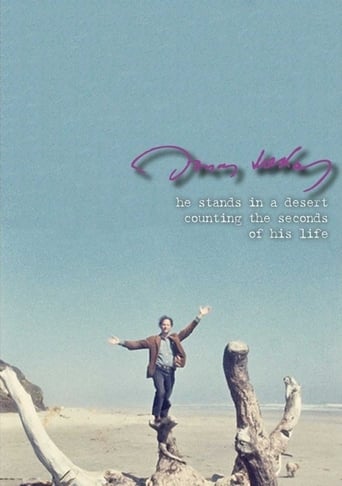
8.4A film collage tracing the story of the lives, loves, and deaths within the artistic community surrounding Jonas Mekas.
He Stands in a Desert Counting the Seconds of His Life
1986
 7.5
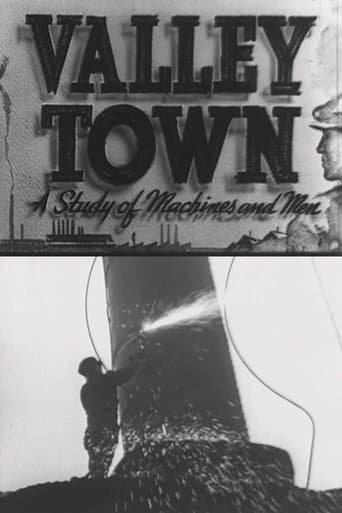
7.5A documentary examining the effects of industrial automation on a small American town.
Valley Town: A Study of Machines and Men
1940
Various juvenile delinquents have encounters with the local police.
Headed for Trouble
—
 4.5
4.5A short film about Pete Seeger and the birth of banjo music throughout the Southern United States.
To Hear Your Banjo Play
1947
Film credits
Behind the camera
6.0A prescient documentary about city planning, which presents idyllic suburbs and nuclear families as a solution to the chaos, poverty and social decay of industrialized inner cities.
The City
1939
7.5A documentary examining the effects of industrial automation on a small American town.
Valley Town: A Study of Machines and Men
1940
7.5A documentary examining the effects of industrial automation on a small American town.
Valley Town: A Study of Machines and Men
1940
Various juvenile delinquents have encounters with the local police.
Headed for Trouble
—
4.5A short film about Pete Seeger and the birth of banjo music throughout the Southern United States.
To Hear Your Banjo Play
1947
4.5A short film about Pete Seeger and the birth of banjo music throughout the Southern United States.
To Hear Your Banjo Play
1947
 NR
NR"This unfinished civil rights-era film details how segregation affects the daily lives of African Americans, and includes portions of interviews with James Farmer, Roy Wilkins, Whitney Young, and Ralph Metcalfe. Farmer, Wilkins, and Young were considered to be among the “Big Four” leaders in the U.S. civil rights movement, along with Martin Luther King, Jr. The film also describes the strides and challenges faced by African Americans in the areas of voting, housing, and education. The film was written by Louis Lomax, produced by Willard Van Dyke, directed by Graeme Ferguson, and narrated by Charles Gordone" (US National Archives).
The American Negro
1963
Annual report to stockholders highlighting General Mills’s accomplishments of the past year.
The Year's Work
—
 NR
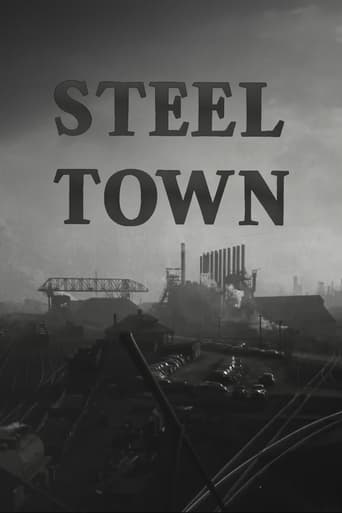
NRDocumentary examining the steel industry in Youngstown, Ohio during World War II. Focuses on steel production, including the smelting process, slagging and the blast furnace. Workers reflect upon their lives and the importance of their jobs. Emphasizes the importance of teamwork in the mills and on the plant's labor relations committee to help win the war. Preserved by the Academy Film Archive in 2012.
Steel Town
1944
 NR
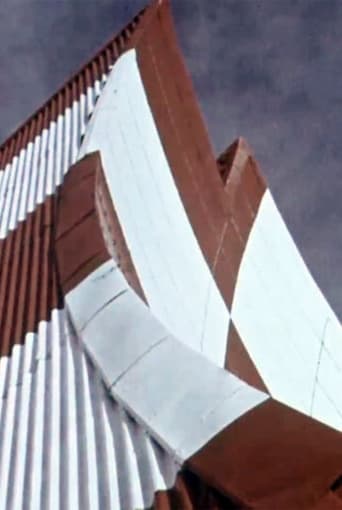
NRFilm sponsored by Western Electric (AT&T's equipment manufacturing division), the builder of the United States Air Force's White Alice Communications System in Alaska. Introduces the people and geography of the new state as well as the Western Electric radio-relay system, which links far-flung military sites, alert stations, and missile-warning facilities. Ralph Caplan praised the film's "intrinsically dramatic and highly photogenic" portrayal of communications equipment.
Land of White Alice
1960
Documentary profiling an Appalachian farming family struggling to scrape out a living. Linking education and economic development, The Children Must Learn suggests that better schooling, especially in agricultural techniques, would bring improvement.
The Children Must Learn
1940
The blacklisted American documentarian Willard Van Dyke filmed this tale about tobacco workers in the heart of the Puerto Rican countryside. Heeding their wives’ advice, individuals join forces in a cooperative so they can sell their crop of tobacco leaves at fair market value.
The One with White Shanks
1955
 7.2
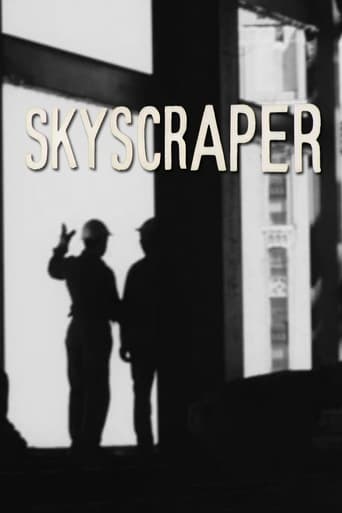
7.2Nominated for an Academy Award, this live-action short film playfully chronicles the construction of the Tishman Building at 666 Fifth Avenue in New York City.
Skyscraper
1959
7.2Nominated for an Academy Award, this live-action short film playfully chronicles the construction of the Tishman Building at 666 Fifth Avenue in New York City.
Skyscraper
1959
After Caroline Cram finds herself in an analyst's office, she starts groping for the truth about her hopelessness, fears, loneliness and anxieties. A fact and fiction documentary financed by the U. S. Public Health Service and endorsed by the National Association for Mental Health and the National Institute for Mental Health.
The Lonely Night
1954
 NR
NRThe notable non-theatrical film distributor Thomas Brandon produced Tall Tales, a 1941 celebration of the American folk song featuring Josh White, Burl Ives, and Will Geer.
Tall Tales
1940
A documentary/recruitment film originally intended for showings outside the United States to promote careers in public health and American methods in public health education. Directed by social documentarian Willard Van Dyke, and delivered entirely in the characteristic voice-over narration of that genre, the film centers around a young doctor, who during the course of his medical residency at the New York Presbyterian Hospital becomes disillusioned with the failures of the medical profession to address larger social and environmental health factors and discovers the field of public health. The young doctor moves to Baltimore to study at the Johns Hopkins School of Hygiene and Public Health and finds his professional calling fighting a diphtheria outbreak in the poverty-stricken streets and row-houses of East Baltimore. Preserved by the Academy Film Archive, Academy War Film Collection, in 2011.
Journey Into Medicine
1947
Internationalist film exploring the economic and political importance of Latin America to the United States. A document of the “Good Neighbor Policy” era, The Bridge shows the endemic poverty and recent industrialization of Latin America and looks to such postwar advances as air travel, the “bridge” that will eventually link the United States with its neighbors to the south. The New York Times quoted Willard Van Dyke as saying, “We cannot expect to do much trade with South America in the long run if we do not help our Southern neighbors develop a buying power.”
The Bridge
—
Internationalist film exploring the economic and political importance of Latin America to the United States. A document of the “Good Neighbor Policy” era, The Bridge shows the endemic poverty and recent industrialization of Latin America and looks to such postwar advances as air travel, the “bridge” that will eventually link the United States with its neighbors to the south. The New York Times quoted Willard Van Dyke as saying, “We cannot expect to do much trade with South America in the long run if we do not help our Southern neighbors develop a buying power.”
The Bridge
—
An artistic short on the floral beauty of Puerto Rico set to folk music.
Mayo florido
1956
A school teacher/wheat farmer is solicited by several oil companies for the rights to drill on his family's farm. After accepting an offer, he realizes that North Dakota is again a new frontier in America.
American Frontier
1953
A school teacher/wheat farmer is solicited by several oil companies for the rights to drill on his family's farm. After accepting an offer, he realizes that North Dakota is again a new frontier in America.
American Frontier
1953
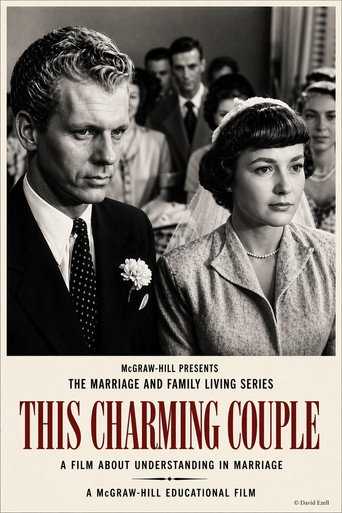 NR
NRMarriage training film dramatizing a partnership too fraught with conflicts to survive. Produced as part of a post-World War II initiative to make marriages more sustainable in the face of postwar dislocation.
This Charming Couple
1950
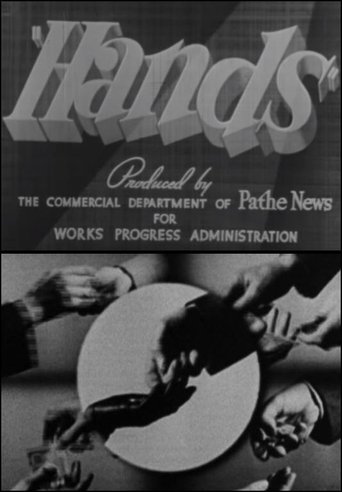 6.4
6.4A commercial for the Works Progress Administration. We see hands close up: working, playing, praying, whittling, and strumming. Hands use saws and hammers, lift stones, turn wheels, then write, type, apply a bandage, play a violin, use a compass, and hold a U.S. Treasury note. Hands put a shoe on a customer, shake a thermometer, and count out bills and coins into other waiting hands. A hand places an engagement ring on a finger, buys a movie ticket, and reels in a fishing line. There are multiple images repeating what we've seen. A chicken is basted; other chickens get grain. It's a national celebration.
Hands
1934
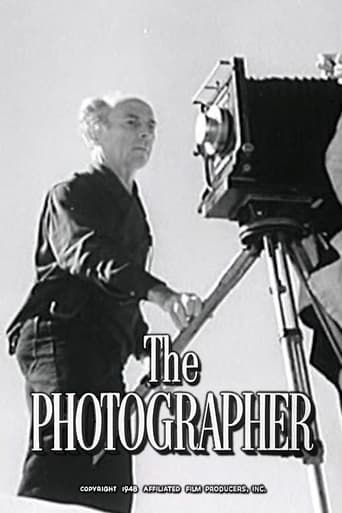 8.5
8.51948 ARC Identifier 46998 / Local Identifier 306.131. FEATURES THE PERSONALITY, PHILOSOPHY, TECHNIQUES AND ARTISTRY OF EDWARD WESTON, AS SHOWN THROUGH SCENES OF THE ARTIST AT HOME, ON LOCATION AND AT WORK WITH HIS STUDENTS. U.S. Information Agency. (1982 - 10/01/1999) Made possible by a donation from Simon Phipps
The Photographer
1948