
Directing
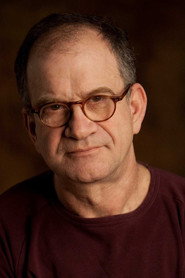
Renen Schorr
Born — Died
1952-07-06 — 2025-02-26
Place of birth
Jerusalem, Israel
Known for
Directing
Credits
12 titles
Renen Schorr, the prominent Israeli filmmaker, is a director and producer of "Late Summer Blues" (1987), winner of the Israeli Ophir Award for Best Picture. He is the founding director of Sam Spiegel Film School in Jerusalem (1989-2020). Schorr established the The Israeli Film Fund (1979), The New Fund for Cinema and TV (1992) and, amongst others, the Sam Spiegel International Film Lab (2011-2019). Following his retirement, Schorr directed and produced the epic full length documentary film - "Wake Up, Grandson" (2024).
Known for
 5.5
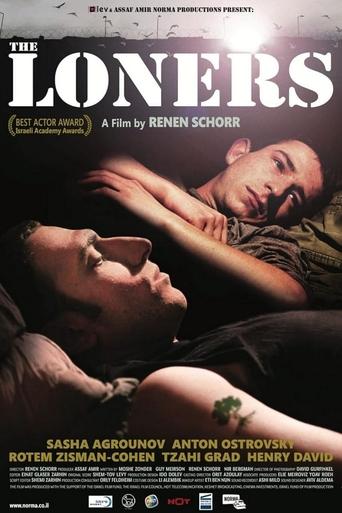
5.5This human drama centers around two loner Russian soldiers who are caught smuggling arms and consequently arrested. The two characters do not want to lose their honor as soldiers even though they have committed a crime considered unforgivable in military society and want go through an honorable military trial. The military is not at all concerned with their wishes, and pushes to get them tried as civilians. This causes conflicts that send the story towards an unexpected direction.
The Loners
2009
 NR
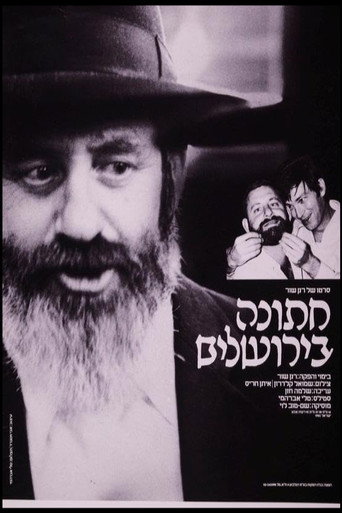
NRRenan Schorr documented the wedding of Uri Zohar's son to Arik Einstein's daughter.
Wedding in Jerusalem
1985
 7.8
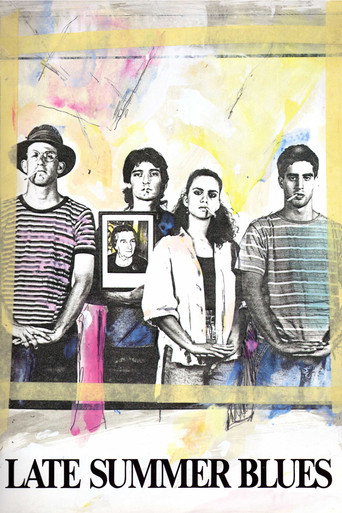
7.8The time: 1970, the end of the War of Attrition. Mossi, Arah'le, Margo, Zvillich, Kobi, Naomi and Shosh – the protagonists of Late Summer Blues – live out their last summer vacation at the beach, in the streets, and on the rooftops of Tel Aviv, throwing caution to the wind as if there were no tomorrow, as if they were going to die tomorrow.
Late Summer Blues
1987
 NR
NRDirector Yeud Levanon’s feature-length debut follows the story of Itzik (Gedalia Besser), a military radio station producer who, in between having to navigate all the internal power struggles at the station, must also juggle his estranged wife (Gila Almagor), teenage daughter, young pregnant partner (Dafna Armoni), and a soldier with whom he is having an affair (Irit Sheleg). Meanwhile, he is also working on getting a young Middle Eastern folk singer’s (Arnon Zadok) album produced. The film’s protagonist is living a mile-a-minute life made up of constant downward spirals or ego-tripping highs. However, try as he might to have his cake and eat it – it is only a matter of time until his whole world comes crashing down on him.
Not for Broadcast
1981
A weekend in the life of a field nurse at the height of the 1973 Yom Kippur War takes her from the frontlines to her home in Tel Aviv and back.
After
1977
 7.2
7.2Fifty years after Slow Down by Avraham Heffner won a prize at Venice Film Festival, top alumni of the Jerusalem Sam Spiegel Film School challenge the 1968 legendary black and white
Voice Over
2018
Film credits
Behind the camera
5.5This human drama centers around two loner Russian soldiers who are caught smuggling arms and consequently arrested. The two characters do not want to lose their honor as soldiers even though they have committed a crime considered unforgivable in military society and want go through an honorable military trial. The military is not at all concerned with their wishes, and pushes to get them tried as civilians. This causes conflicts that send the story towards an unexpected direction.
The Loners
2009
5.5This human drama centers around two loner Russian soldiers who are caught smuggling arms and consequently arrested. The two characters do not want to lose their honor as soldiers even though they have committed a crime considered unforgivable in military society and want go through an honorable military trial. The military is not at all concerned with their wishes, and pushes to get them tried as civilians. This causes conflicts that send the story towards an unexpected direction.
The Loners
2009
NRRenan Schorr documented the wedding of Uri Zohar's son to Arik Einstein's daughter.
Wedding in Jerusalem
1985
7.8The time: 1970, the end of the War of Attrition. Mossi, Arah'le, Margo, Zvillich, Kobi, Naomi and Shosh – the protagonists of Late Summer Blues – live out their last summer vacation at the beach, in the streets, and on the rooftops of Tel Aviv, throwing caution to the wind as if there were no tomorrow, as if they were going to die tomorrow.
Late Summer Blues
1987
7.8The time: 1970, the end of the War of Attrition. Mossi, Arah'le, Margo, Zvillich, Kobi, Naomi and Shosh – the protagonists of Late Summer Blues – live out their last summer vacation at the beach, in the streets, and on the rooftops of Tel Aviv, throwing caution to the wind as if there were no tomorrow, as if they were going to die tomorrow.
Late Summer Blues
1987
NRDirector Yeud Levanon’s feature-length debut follows the story of Itzik (Gedalia Besser), a military radio station producer who, in between having to navigate all the internal power struggles at the station, must also juggle his estranged wife (Gila Almagor), teenage daughter, young pregnant partner (Dafna Armoni), and a soldier with whom he is having an affair (Irit Sheleg). Meanwhile, he is also working on getting a young Middle Eastern folk singer’s (Arnon Zadok) album produced. The film’s protagonist is living a mile-a-minute life made up of constant downward spirals or ego-tripping highs. However, try as he might to have his cake and eat it – it is only a matter of time until his whole world comes crashing down on him.
Not for Broadcast
1981
A weekend in the life of a field nurse at the height of the 1973 Yom Kippur War takes her from the frontlines to her home in Tel Aviv and back.
After
1977
A weekend in the life of a field nurse at the height of the 1973 Yom Kippur War takes her from the frontlines to her home in Tel Aviv and back.
After
1977
7.2Fifty years after Slow Down by Avraham Heffner won a prize at Venice Film Festival, top alumni of the Jerusalem Sam Spiegel Film School challenge the 1968 legendary black and white
Voice Over
2018
 NR
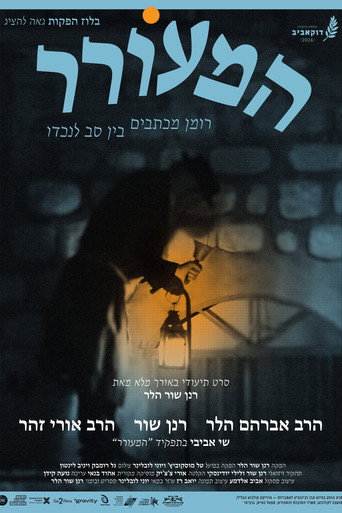
NRThe late Renen Schorr (Late Summer Blues) turns his camera on the 25-year exchange of letters between himself and his grandfather Rabbi Avraham Heller, hero of the 1948 Battle of Safed. Their correspondence reveals a generational and ideological rift, articulating the contradictions of Schorr’s generation of Israelis.
Wake Up, Grandson - Letters to my Rebellious Rabbi
2024