

Directing
Jean Renoir
Born — Died
1894-09-15 — 1979-02-12
Place of birth
Paris, France
Known for
Directing
Credits
75 titles
Jean Renoir (15 September 1894 – 12 February 1979) was a French film director, screenwriter, actor, producer and author. As a film director and actor, he made more than forty films from the silent era to the end of the 1960s. As an author, he wrote the definitive biography of his father, the painter, Pierre-Auguste Renoir, Renoir, My Father (1962). In the 1930s, Renoir was associated with the Popular Front, and several of his films reflect the movement's left-wing politics and deal with social issues as well as class disparities. He was perhaps the most significant director of the poetic realism movement. The satirical comedy-drama film The Rules of the Game (1939) is often cited by critics…
Known for
 8.0
8.0No synopsis available yet.
Discorama
1959
 8.7
8.7No synopsis available yet.
Cinépanorama
1956
 7.5
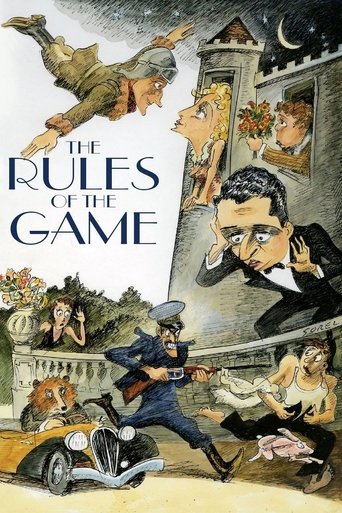
7.5The Marquis de la Chesnaye and his wife host a weekend gala where a variety of complicated romantic and social entanglements between guests and servants lead to tragedy, all against the backdrop of a looming war.
The Rules of the Game
1939
 7.9
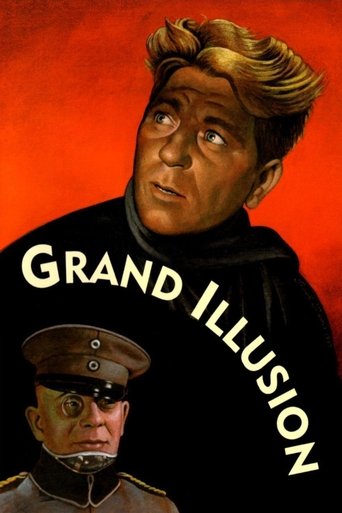
7.9A group of French soldiers, including the patrician Captain de Boeldieu and the working-class Lieutenant Maréchal, grapple with their own class differences after being captured and held in a World War I German prison camp. When the men are transferred to a high-security fortress, they must concoct a plan to escape beneath the watchful eye of aristocratic German officer von Rauffenstein, who has formed an unexpected bond with de Boeldieu.
Grand Illusion
1937
Produced for television by Claude-Jean Philippe, the « Encyclopédie audiovisuelle du cinéma », recounts the history of French cinema from its birth to the beginning of the 1960s. With commentary read by Jean Rochefort.
Encyclopédie audiovisuelle du cinéma
1978
 6.6
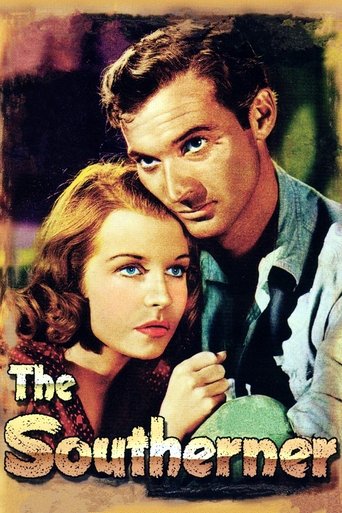
6.6Sam Tucker, a cotton picker, in search of a better future for his family, decides to grow his own cotton crop. In the first year, the Tuckers battle disease, a flood, and a jealous neighbor. Can they make it as farmers?
The Southerner
1945
Film credits
2020s · 2 titles
 6.6
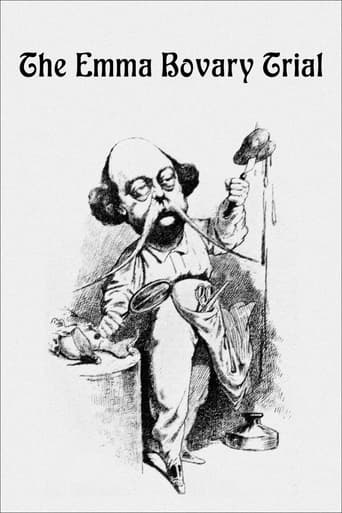
6.6On January 31, 1857, the French writer Gustave Flaubert (1821-80) took his place in the dock for contempt of public morality and religion. The accused, the real one, is, through him, Emma Bovary, heroine with a thousand faces and a thousand desires, guilty without doubt of an unforgivable desire to live.
The Emma Bovary Trial
2021
 7.7
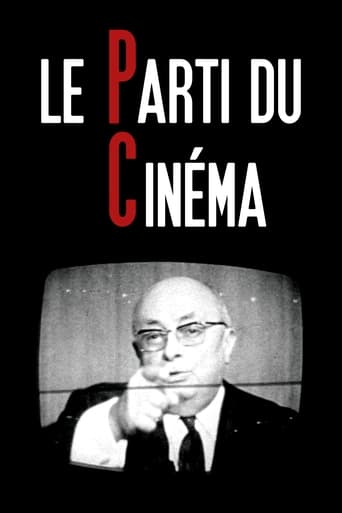
7.7No synopsis available yet.
Le Parti du cinéma
2021
2010s · 3 titles
 5.8
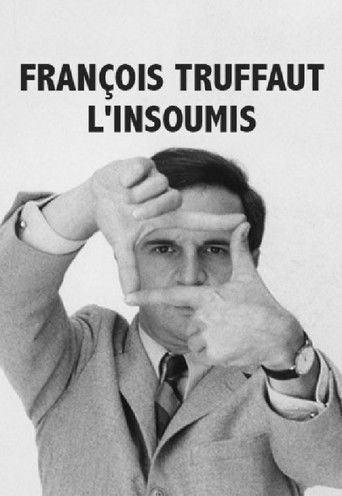
5.8This portrait of the world-famous French director based on his personal correspondance reveals the little known insurgent side of his personnality. Featuring interviews with close collaborators, friends and family, this definitive documentary tells his intimate story, from the streets of Paris to the filmmaking accolades and high profile marriages at the height of his career.
François Truffaut l'insoumis
2014
 10.0
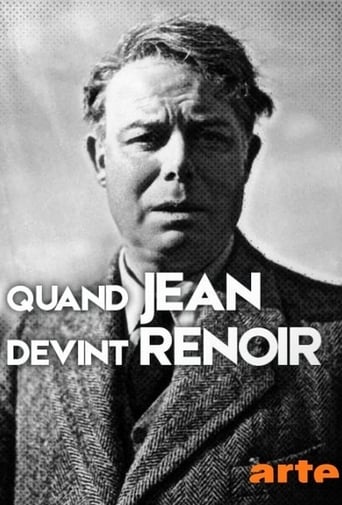
10.0The fascinating story of a man destined to be only a son of and who sought all his life to become "someone" by getting rid of the overwhelming image of his genius as a father, the painter Pierre-Auguste Renoir.
Quand Jean devint Renoir
2017
 5.0
5.0No synopsis available yet.
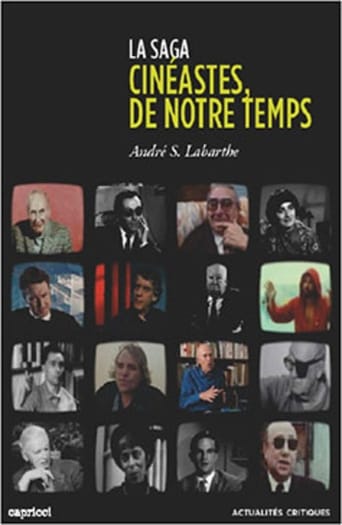
Cinéastes de notre temps : Erich von Stroheim
2012
1990s · 2 titles
 8.5
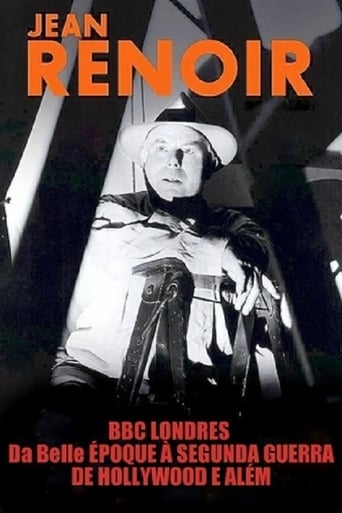
8.5Part one of a BBC documentary about Jean Renoir.
Jean Renoir: Part One - From La Belle Époque to World War II
1993
 6.5
6.5Edited from 4½ hours of unused material left over from the shooting of Jean Renoir's 1936 PARTIE DE CAMPAGNE (A Day in the Country) and donated by the producer Pierre Braunberger to the Cinémathèque Française. Re-edited for a new version, much of the film is shot with synchronised sound with Renoir's voice instructing and guiding the actors.
Un tournage à la campagne
1994
1970s · 3 titles
 6.8
6.8Three vignettes and a musical interlude showcase acclaimed auteur Jean Renoir's eclectic range at the end of his career: the relationship between an old man and an old woman, both homeless; an opera-like story of a woman obsessed with polishing her floors; Jeanne Moreau performs 'When Love Dies'; and an elderly man and his young wife coming to terms when she has an affair with a man her own age.
The Little Theatre of Jean Renoir
1974
 5.3
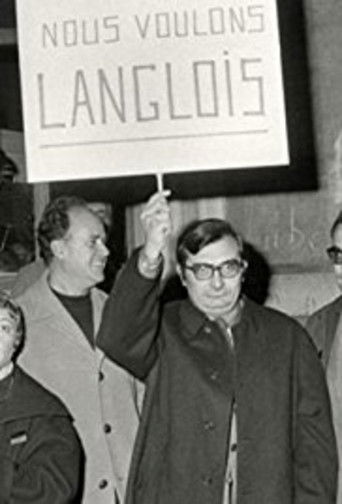
5.3Documentary portrait of Henri Langlois, co-founder of the Cinémathèque Française.
Langlois
1970
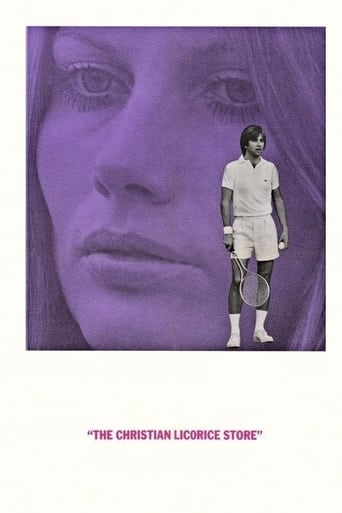 4.8
4.8A tennis champ falls in with the Hollywood crowd, finds himself being corrupted by the life in the fast lane.
The Christian Licorice Store
1971
1960s · 8 titles
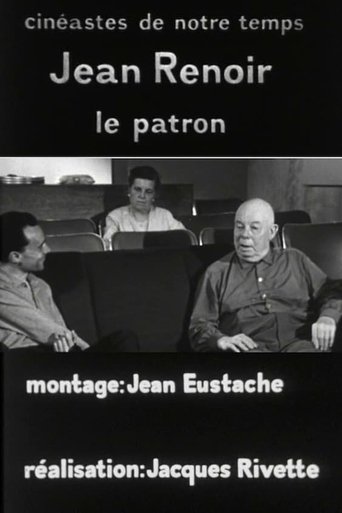 NR
NRIn the third part of a Cinéastes triptych on Jean Renoir, the director sits alone in a cinema analyzing scenes from La Marseillaise and The Rules of the Game, and discussing his editing and storytelling techniques.
Jean Renoir, le patron, 3e partie: La règle et l'exception
1967
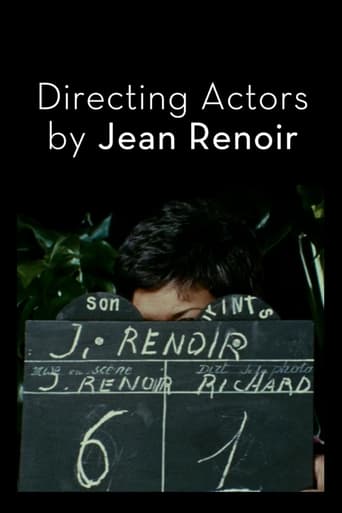 7.0
7.0A example of Jean Renoir's talents as a director as he works Gisèle Braunberger into the right frame of mind.
Directing Actors by Jean Renoir
1969
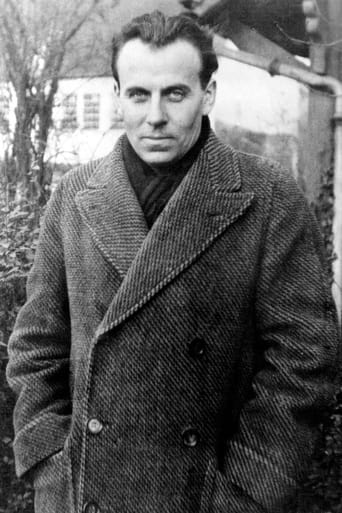 7.0
7.0Passers-by, those who knew him in his youth, René Barjavel, witness of his beginnings, his wife, his doctor, writers ... By questioning them Michel Polac tries to better understand the troubled personality of Louis-Ferdinand Céline, Notorious anti-Semite and genius writer.
D'un Céline l'autre
1969
 7.2
7.2Eric Rohmer leads a conversation with Jean Renoir and Henri Langlois on the art of filmmaker Louis Lumière.
Louis Lumière
1968
 5.0
5.0Jean Renoir talks about the making of La Petite Marchande d'allumettes.
Postface: La Petite Marchande d'allumettes
1969
 8.3
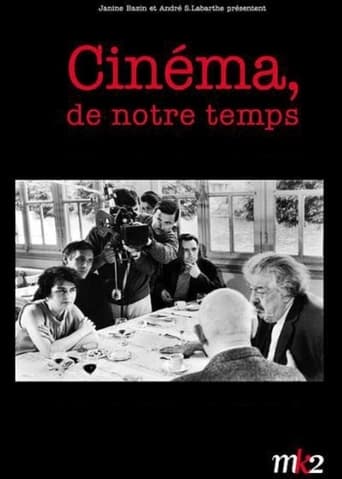
8.3Second in the documentary trilogy from mastermind Jacques Rivette, featuring a conversation between Jean Renoir and Michel Simon, who celebrate their reunion by discussing, among other things, La Chienne (1931) and Boudu Saved from Drowning (1932).
Jean Renoir, le patron, 2e partie: La direction d'acteur
1967
 9.0
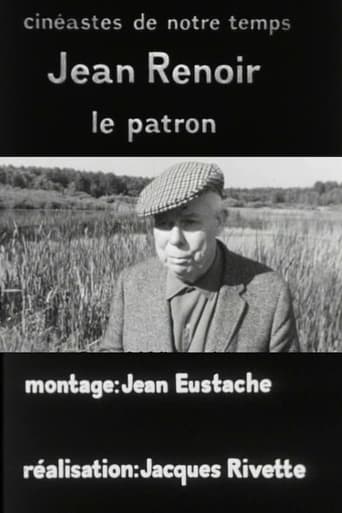
9.0The first of three documentaries by Rivette on Jean Renoir.
Jean Renoir, le patron, 1re partie: La recherche du relatif
1967
 NR
NRThree-part interview with French film director Jean Renoir, conducted by French New Wave director Jacques Rivette.
Jean Renoir parle de son art
1961
1930s · 7 titles
7.5The Marquis de la Chesnaye and his wife host a weekend gala where a variety of complicated romantic and social entanglements between guests and servants lead to tragedy, all against the backdrop of a looming war.
The Rules of the Game
1939
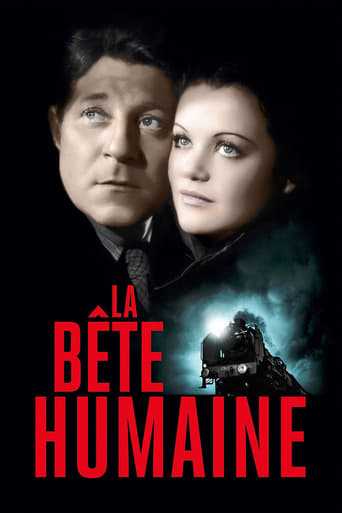 7.1
7.1Returning by train to the French port of Le Havre, Jacques Lantier, a tormented railwayman, meets by chance the impulsive stationmaster Roubard and Séverine, his wife.
La Bête Humaine
1938
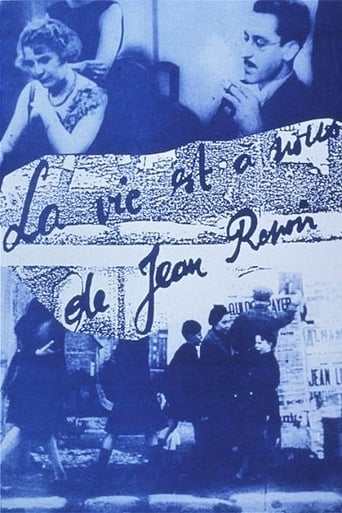 6.4
6.4A propaganda film of the communist party of France, showing how the comrades help the proletariat against the capitalists.
Life Is Ours
1936
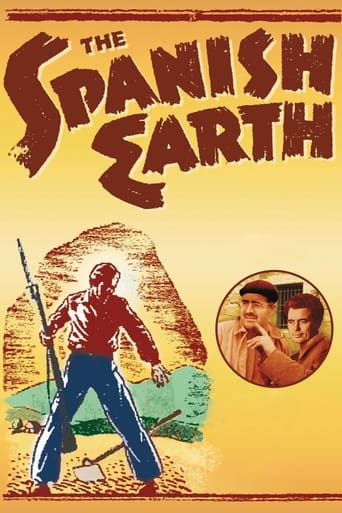 6.7
6.7Joris Ivens’s advocacy documentary for the Republican cause intercuts a besieged Madrid with a nearby village digging an irrigation canal, linking the war to bread, land, and survival. Produced by the writers’ collective Contemporary Historians, edited by Helen van Dongen, scored by Marc Blitzstein, and narrated in its U.S. version by Ernest Hemingway (after an initial Orson Welles track), it blends frontline reportage with persuasion against Franco’s forces and their German–Italian backers.
The Spanish Earth
1937
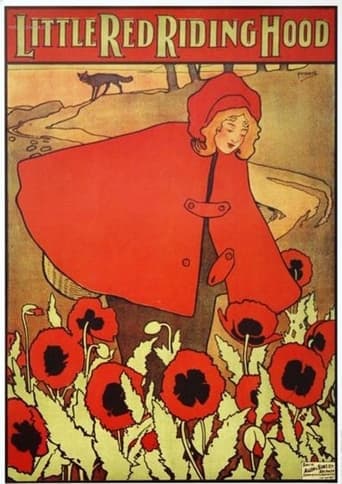 7.0
7.0This is 1929: the little red riding hood is still with us and her life is more complicated than ever. She still has to go through the forest and she once again comes up against a wolf. This time around the big bad wolf has become a lecherous tramp who keeps stalking the girl trying to wolf her down ... in his own way of course.
Little Red Riding Hood
1930
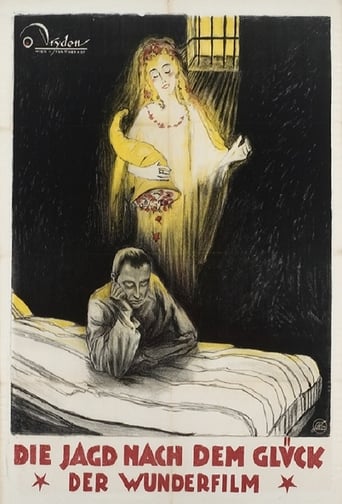 8.0
8.0No synopsis available yet.
The Pursuit of Happiness
1930
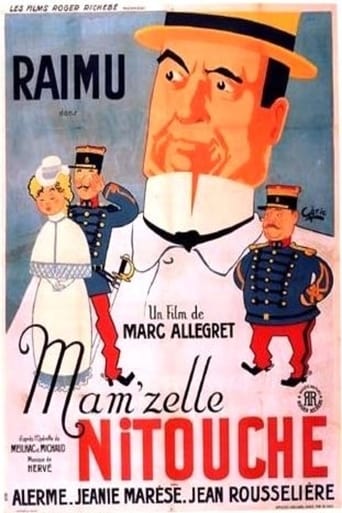 7.0
7.0Célestin, the organist of a convent, has written and composed a light operetta under the name of Floridor. One day, the Mother Superior asks him to chaperone one of the boarders, Denise de Flavigny, who is returning home to get married. Now, Denise, for all her goody goody looks, soon proves as saucy as can be. Things get even more complicated when Célestin starts courting Corinne, the star of his operetta, to the great displeasure of a commander of dragons, the young woman's lover. Worse, the latter is none other than the Mother Superior's brother... To say nothing of Lieutenant Fernand de Champlatreux, who happens to fall in love with Denise, his fiancée that he has never seen before...!
Mam'zelle Nitouche
1931
1920s · 3 titles
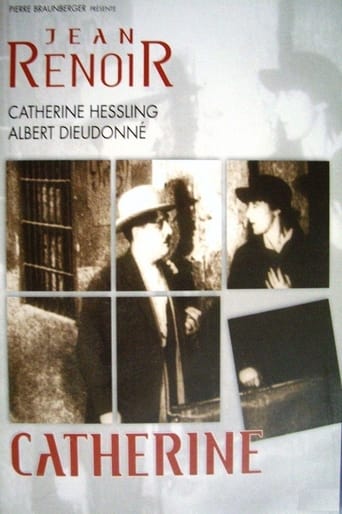 6.8
6.8About the conflict between social classes through the life of the unhappy Catherine Ferrand, an orphan girl, who is a victim of the jealousy of women and the greed of men.
Backbiters
1927
 5.1
5.1La P’tite Lili is a silent short drama depicting the fate of a young orphaned girl in the working-class districts of Paris. The film follows Lili, a teenage girl marked by innocence and vulnerability, as she is drawn into the city’s underworld after encountering a man who exploits her circumstances. Told through impressionistic visual style rather than dialogue, the film presents a tragic portrait of social marginalization and moral collapse within an urban environment.
La P’tite Lili
1927
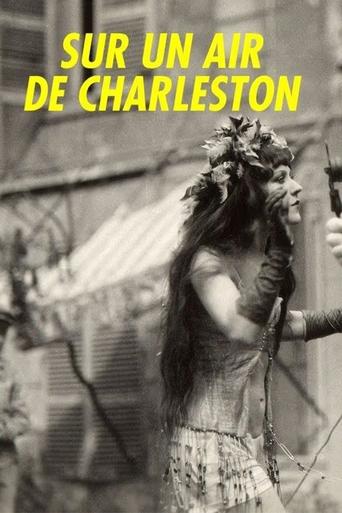 6.0
6.0Shot in three days, this surreal, erotic silent short shows a native white girl teaching a futuristic African airman the Charleston dance.
Charleston Parade
1927
Series credits
8.0No synopsis available yet.
Discorama
1959
8.7No synopsis available yet.
Cinépanorama
1956
Produced for television by Claude-Jean Philippe, the « Encyclopédie audiovisuelle du cinéma », recounts the history of French cinema from its birth to the beginning of the 1960s. With commentary read by Jean Rochefort.
Encyclopédie audiovisuelle du cinéma
1978
Behind the camera
7.5The Marquis de la Chesnaye and his wife host a weekend gala where a variety of complicated romantic and social entanglements between guests and servants lead to tragedy, all against the backdrop of a looming war.
The Rules of the Game
1939
7.5The Marquis de la Chesnaye and his wife host a weekend gala where a variety of complicated romantic and social entanglements between guests and servants lead to tragedy, all against the backdrop of a looming war.
The Rules of the Game
1939
7.5The Marquis de la Chesnaye and his wife host a weekend gala where a variety of complicated romantic and social entanglements between guests and servants lead to tragedy, all against the backdrop of a looming war.
The Rules of the Game
1939
7.9A group of French soldiers, including the patrician Captain de Boeldieu and the working-class Lieutenant Maréchal, grapple with their own class differences after being captured and held in a World War I German prison camp. When the men are transferred to a high-security fortress, they must concoct a plan to escape beneath the watchful eye of aristocratic German officer von Rauffenstein, who has formed an unexpected bond with de Boeldieu.
Grand Illusion
1937
7.9A group of French soldiers, including the patrician Captain de Boeldieu and the working-class Lieutenant Maréchal, grapple with their own class differences after being captured and held in a World War I German prison camp. When the men are transferred to a high-security fortress, they must concoct a plan to escape beneath the watchful eye of aristocratic German officer von Rauffenstein, who has formed an unexpected bond with de Boeldieu.
Grand Illusion
1937
6.6Sam Tucker, a cotton picker, in search of a better future for his family, decides to grow his own cotton crop. In the first year, the Tuckers battle disease, a flood, and a jealous neighbor. Can they make it as farmers?
The Southerner
1945
6.6Sam Tucker, a cotton picker, in search of a better future for his family, decides to grow his own cotton crop. In the first year, the Tuckers battle disease, a flood, and a jealous neighbor. Can they make it as farmers?
The Southerner
1945
 6.2
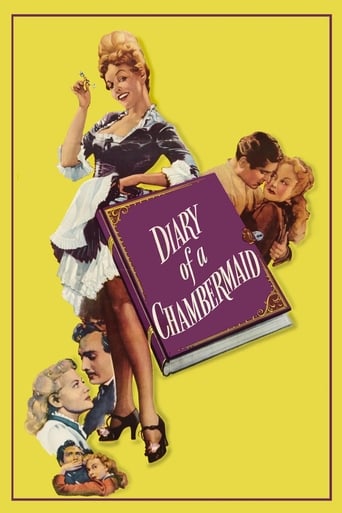
6.2Celestine, the chamber-maid, has a new job in the country, at the Lanlaires. She has decided to use her beauty to seduce a wealthy man, but Mr. Lanlaire is not a right choice: the house is firmly controlled by Madame Lanlaire, helped by the strange valet Joseph. Then she tries the neighbour, former officer Mauger. This seems to work. But soon the son of the Lanlaires comes back. He is young, attractive and does not share his mother's antirepublican opinions. So Celestine's beauty attracts Captain Mauger, young Georges Lanlaire, and Joseph. Three men, from three different social classes, with three different conceptions of life. Will Celestine be able to convince Georges of her sincerity?
The Diary of a Chambermaid
1946
 7.2
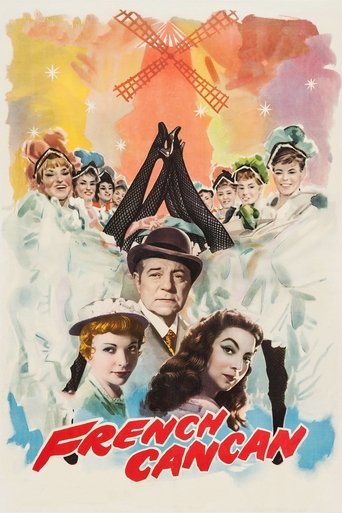
7.2Nineteenth-century Paris comes vibrantly alive in Jean Renoir’s exhilarating tale of the opening of the world-renowned Moulin Rouge. Jean Gabin plays the wily impresario Danglard, who makes the cancan all the rage while juggling the love of two beautiful women—an Egyptian belly-dancer and a naive working girl turned cancan star.
French Cancan
1955
7.2Nineteenth-century Paris comes vibrantly alive in Jean Renoir’s exhilarating tale of the opening of the world-renowned Moulin Rouge. Jean Gabin plays the wily impresario Danglard, who makes the cancan all the rage while juggling the love of two beautiful women—an Egyptian belly-dancer and a naive working girl turned cancan star.
French Cancan
1955
 7.2
7.2Inhabitants of a flophouse struggle to survive under the harsh treatment imposed by the landlord, Kostyleva. One resident, young thief Wasska Pepel, ends his affair with the landlord's wife, Vassilissa, and takes up with her sister, Natacha. Pepel also befriends the baron, a former nobleman fallen on hard times, but Pepel's attempts at happiness are complicated when he's accused of murder by a spiteful Vassilissa.
The Lower Depths
1936
7.2Inhabitants of a flophouse struggle to survive under the harsh treatment imposed by the landlord, Kostyleva. One resident, young thief Wasska Pepel, ends his affair with the landlord's wife, Vassilissa, and takes up with her sister, Natacha. Pepel also befriends the baron, a former nobleman fallen on hard times, but Pepel's attempts at happiness are complicated when he's accused of murder by a spiteful Vassilissa.
The Lower Depths
1936
 6.0
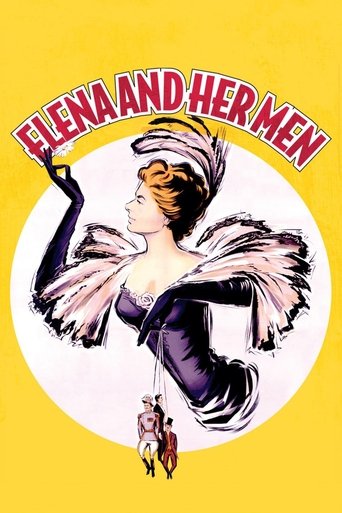
6.0Set amid the military maneuvers and Quatorze Juillet carnivals of turn-of-the-century France, Jean Renoir’s delirious romantic comedy Elena and her Men stars a radiant Ingrid Bergman as a beautiful, but impoverished, Polish princess who drives men of all stations to fits of desperate love. When Elena elicits the fascination of a famous general, she finds herself at the center of romantic machinations and political scheming, with the hearts of several men—as well as the future of France—in her hands.
Elena and Her Men
1956
6.0Set amid the military maneuvers and Quatorze Juillet carnivals of turn-of-the-century France, Jean Renoir’s delirious romantic comedy Elena and her Men stars a radiant Ingrid Bergman as a beautiful, but impoverished, Polish princess who drives men of all stations to fits of desperate love. When Elena elicits the fascination of a famous general, she finds herself at the center of romantic machinations and political scheming, with the hearts of several men—as well as the future of France—in her hands.
Elena and Her Men
1956
 7.2
7.2Director Jean Renoir’s entrancing first color feature—shot entirely on location in India—is a visual tour de force. Based on the novel by Rumer Godden, the film eloquently contrasts the growing pains of three young women with the immutability of the Bengal river around which their daily lives unfold. Enriched by Renoir’s subtle understanding and appreciation for India and its people, The River gracefully explores the fragile connections between transitory emotions and everlasting creation.
The River
1951
7.2Director Jean Renoir’s entrancing first color feature—shot entirely on location in India—is a visual tour de force. Based on the novel by Rumer Godden, the film eloquently contrasts the growing pains of three young women with the immutability of the Bengal river around which their daily lives unfold. Enriched by Renoir’s subtle understanding and appreciation for India and its people, The River gracefully explores the fragile connections between transitory emotions and everlasting creation.
The River
1951
7.2Director Jean Renoir’s entrancing first color feature—shot entirely on location in India—is a visual tour de force. Based on the novel by Rumer Godden, the film eloquently contrasts the growing pains of three young women with the immutability of the Bengal river around which their daily lives unfold. Enriched by Renoir’s subtle understanding and appreciation for India and its people, The River gracefully explores the fragile connections between transitory emotions and everlasting creation.
The River
1951
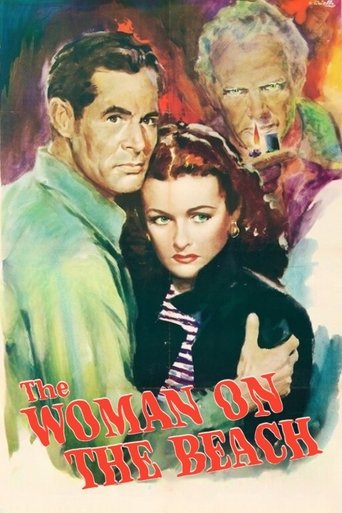 6.1
6.1A sailor suffering from post-traumatic stress becomes involved with a beautiful and enigmatic seductress married to a blind painter.
The Woman on the Beach
1947
6.1A sailor suffering from post-traumatic stress becomes involved with a beautiful and enigmatic seductress married to a blind painter.
The Woman on the Beach
1947
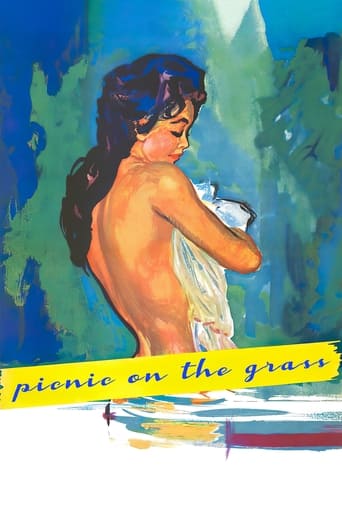 6.3
6.3New Europe presidential candidate Etienne Alexis is a scientist promoting artificial insemination for social betterment and therapy to eliminate passion. To celebrate his engagement to a cousin, he hosts an aseptic picnic, where Mother Nature asserts herself. A shepherd's flute conjures a windstorm throwing Alexis together with the luscious Nénette, a farm lass who, although unimpressed with men, wants to have a baby.
Picnic on the Grass
1959
6.3New Europe presidential candidate Etienne Alexis is a scientist promoting artificial insemination for social betterment and therapy to eliminate passion. To celebrate his engagement to a cousin, he hosts an aseptic picnic, where Mother Nature asserts herself. A shepherd's flute conjures a windstorm throwing Alexis together with the luscious Nénette, a farm lass who, although unimpressed with men, wants to have a baby.
Picnic on the Grass
1959
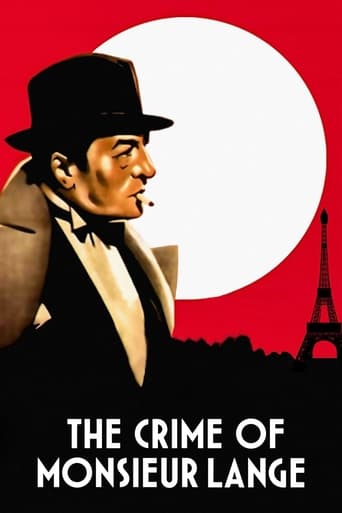 7.1
7.1Mild-mannered novelist of Western fiction, Amédée Lange, and his colleagues take over a publishing house after their exploitative boss disappears, only for the superior to return and try to reclaim the profits from their successful cooperative.
The Crime of Monsieur Lange
1936
7.1Mild-mannered novelist of Western fiction, Amédée Lange, and his colleagues take over a publishing house after their exploitative boss disappears, only for the superior to return and try to reclaim the profits from their successful cooperative.
The Crime of Monsieur Lange
1936
7.1Returning by train to the French port of Le Havre, Jacques Lantier, a tormented railwayman, meets by chance the impulsive stationmaster Roubard and Séverine, his wife.
La Bête Humaine
1938
7.1Returning by train to the French port of Le Havre, Jacques Lantier, a tormented railwayman, meets by chance the impulsive stationmaster Roubard and Séverine, his wife.
La Bête Humaine
1938
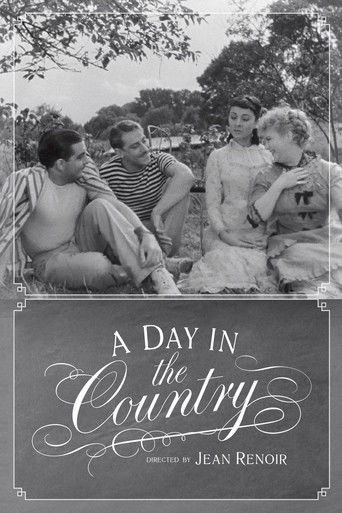 7.3
7.3The family of a Parisian shop-owner spends a day in the country. The daughter falls in love with a man at the inn, where they spend the day.
A Day in the Country
1946
7.3The family of a Parisian shop-owner spends a day in the country. The daughter falls in love with a man at the inn, where they spend the day.
A Day in the Country
1946
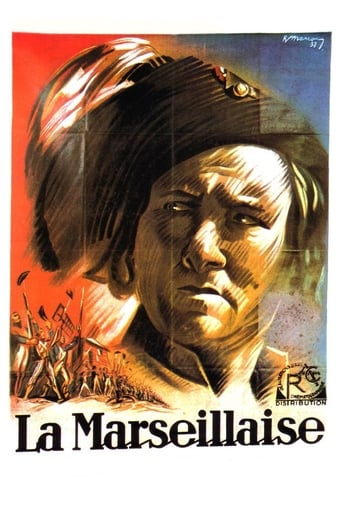 6.8
6.8The early days of the French Revolution, as seen through the eyes of the ordinary citizens in Marseille and the royal court, including King Louis XVI and Marie Antoinette.
La Marseillaise
1938
6.8The early days of the French Revolution, as seen through the eyes of the ordinary citizens in Marseille and the royal court, including King Louis XVI and Marie Antoinette.
La Marseillaise
1938
6.8The early days of the French Revolution, as seen through the eyes of the ordinary citizens in Marseille and the royal court, including King Louis XVI and Marie Antoinette.
La Marseillaise
1938
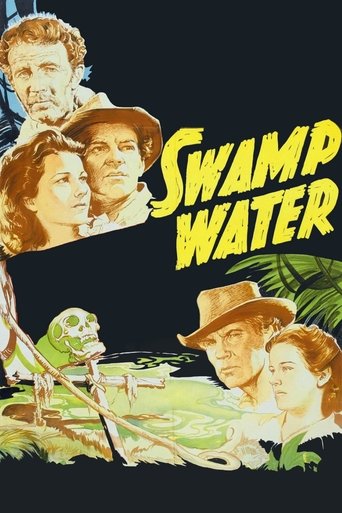 6.4
6.4A hunter happens upon a fugitive and his daughter living in a Georgia swamp. He falls in love with the girl and persuades the fugitive to return to town.
Swamp Water
1941
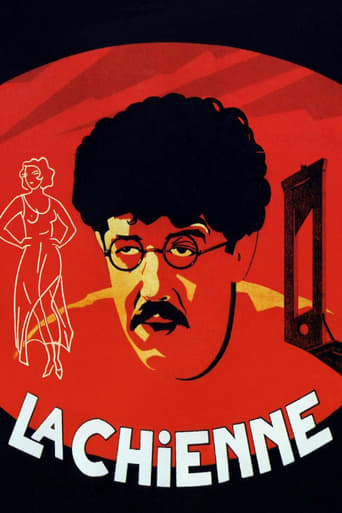 7.3
7.3Cashier Maurice Legrand is married to the wretched Adele. By chance, he meets Lucienne, 'Lulu', and makes her his mistress. He thinks he has finally found love, but Lulu is a streetwalker, still in love with her pimp.
La Chienne
1931
7.3Cashier Maurice Legrand is married to the wretched Adele. By chance, he meets Lucienne, 'Lulu', and makes her his mistress. He thinks he has finally found love, but Lulu is a streetwalker, still in love with her pimp.
La Chienne
1931
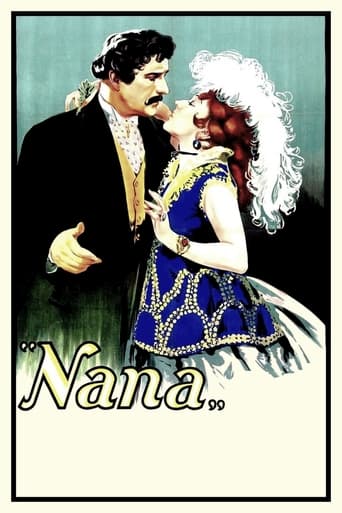 6.7
6.7Count Moffat becomes infatuated with Nana, a presumptuous stage actress, vulgar, hypocritical and promiscuous, willing to do anything to succeed.
Nana
1926
6.7Count Moffat becomes infatuated with Nana, a presumptuous stage actress, vulgar, hypocritical and promiscuous, willing to do anything to succeed.
Nana
1926
 7.1
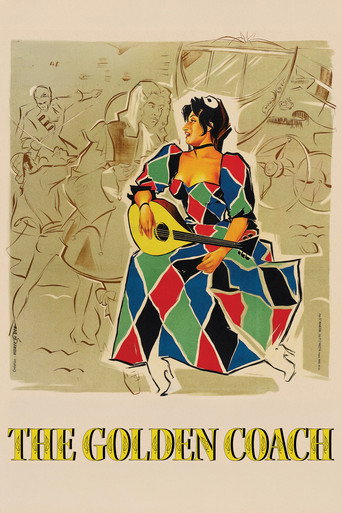
7.1A viceroy, a nobleman and a bullfighter court a comedy-troupe actress in 18th-century Peru.
The Golden Coach
1952
7.1A viceroy, a nobleman and a bullfighter court a comedy-troupe actress in 18th-century Peru.
The Golden Coach
1952
 4.7
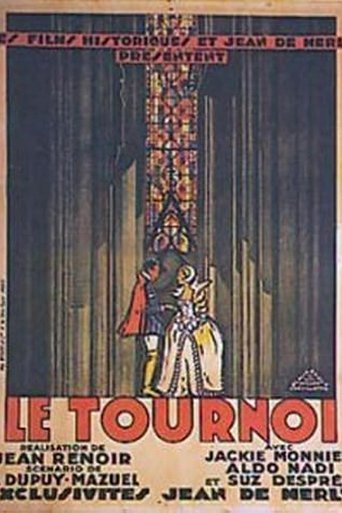
4.7Rival knights compete for the hand of a beautiful maiden in this period feature from Jean Renoir.
The Tournament
1928
 7.1
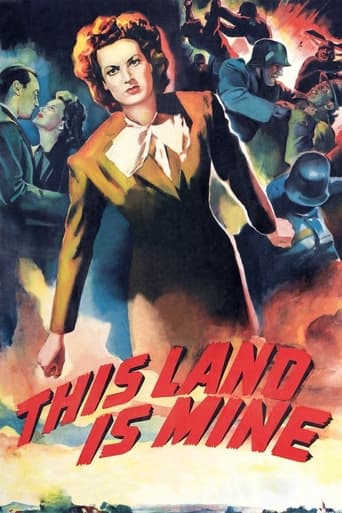
7.1Somewhere in Europe, in a city occupied by the Nazis, a gentle school teacher finds himself torn between collaboration and resistance, cowardice and courage.
This Land Is Mine
1943
7.1Somewhere in Europe, in a city occupied by the Nazis, a gentle school teacher finds himself torn between collaboration and resistance, cowardice and courage.
This Land Is Mine
1943