

Directing
Georges Méliès
Born — Died
1861-12-08 — 1938-01-21
Place of birth
Paris, France
Known for
Directing
Credits
101 titles
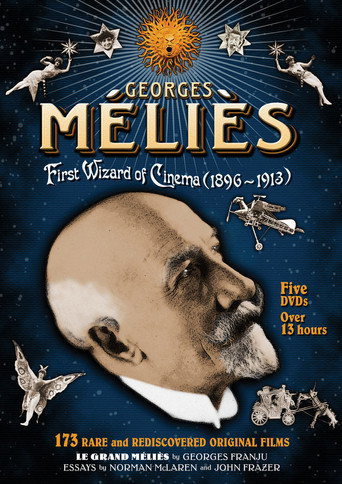
Georges Méliès (December 8, 1861 - January 21, 1938), full name Marie-Georges-Jean Méliès, was a French illusionist and filmmaker famous for leading many technical and narrative developments in the earliest days of cinema. One of the first filmmakers to use multiple exposures, time-lapse photography, tracking shots, dissolves, and hand-painted color in his work, Méliès pioneered effects that would define cinematic special effects for decades to come. A prolific innovator in the use of special effects, Méliès accidentally discovered the substitution stop trick in 1896, a method of creating seamless disappearing and/or appearing effects used throughout both films and television for decades to…
Known for
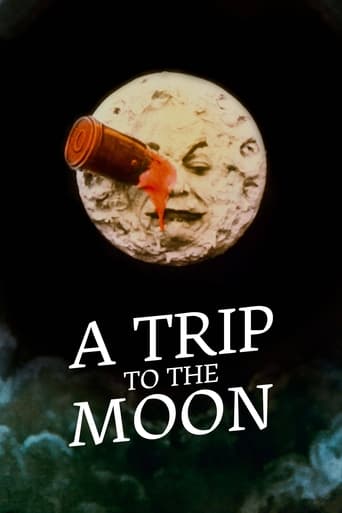 7.9
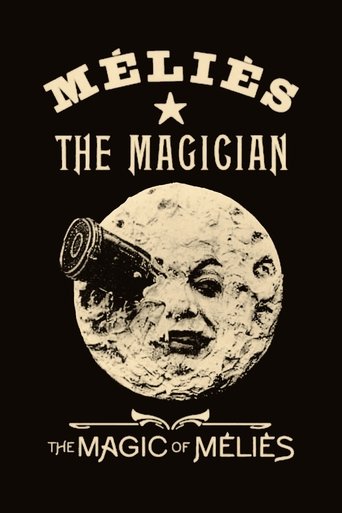
Professor Barbenfouillis and five of his colleagues from the Academy of Astronomy travel to the Moon aboard a rocket propelled by a giant cannon. Once on the lunar surface, the bold explorers face the many perils hidden in the caves of the mysterious planet.
A Trip to the Moon
1902
Produced for television by Claude-Jean Philippe, the « Encyclopédie audiovisuelle du cinéma », recounts the history of French cinema from its birth to the beginning of the 1960s. With commentary read by Jean Rochefort.
Encyclopédie audiovisuelle du cinéma
1978
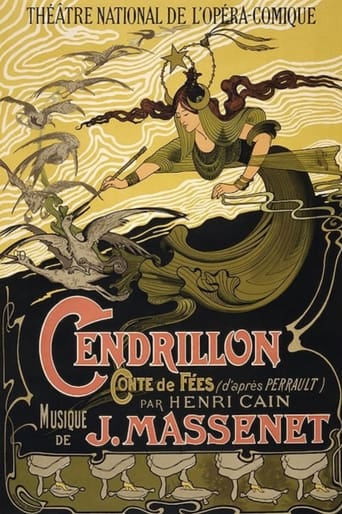 6.2
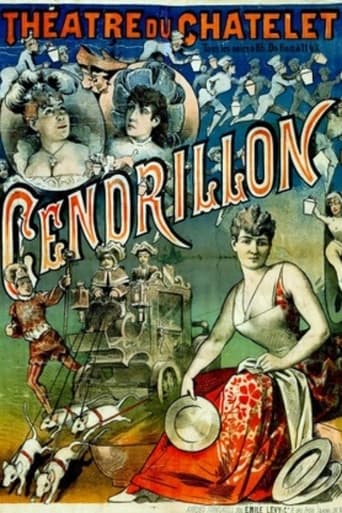
A fairy godmother magically turns Cinderella's rags to a beautiful dress, and a pumpkin into a coach. Cinderella goes to the ball, where she meets the Prince - but will she remember to leave before the magic runs out? Méliès based the art direction on engravings by Gustave Doré. First known example of a fairy-tale adapted to film, and the first film to use dissolves to go from one scene to another.
Cinderella
1899
 7.2
One of the greatest of black art pictures. The conjurer appears before the audience, with his head in its proper place. He then removes his head, and throwing it in the air, it appears on the table opposite another head, and both detached heads sing in unison. The conjurer then removes it a third time. You then see all three of his heads, which are exact duplicates, upon the table at one time, while the conjurer again stands before the audience with his head perfectly intact, singing in unison with the three heads upon the table. He closes the picture by bowing himself from the stage.
The Four Troublesome Heads
1898
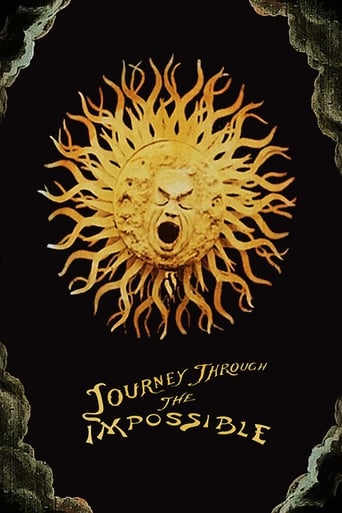 7.3
Using every known means of transportation, several savants from the Geographic Society undertake a journey through the Alps to the Sun which finishes under the sea.
The Impossible Voyage
1904
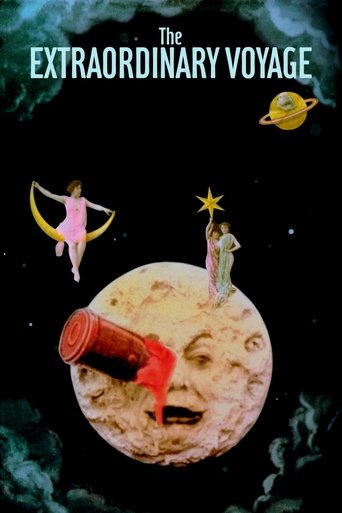 7.7
An account of the extraordinary life of film pioneer Georges Méliès (1861-1938) and the amazing story of the copy in color of his masterpiece A Trip to the Moon (1902), unexpectedly found in Spain and restored thanks to the heroic efforts of a group of true cinema lovers.
The Extraordinary Voyage
2011
Film credits

2010s · 3 titles
7.7An account of the extraordinary life of film pioneer Georges Méliès (1861-1938) and the amazing story of the copy in color of his masterpiece A Trip to the Moon (1902), unexpectedly found in Spain and restored thanks to the heroic efforts of a group of true cinema lovers.
The Extraordinary Voyage
2011
 NR
A look back at the life, style and influences of the famed filmmaker Georges Méliès and an examination of his role in the story of "Hugo."
The Cinemagician, Georges Méliès
2012
 6.0
The extraordinary life of cinema pioneer Segundo de Chomón.
El hombre que quiso ser Segundo
2014

1910s · 2 titles
 5.8
Georges Méliès's first attempt at Cinderella was in 1899. That film was extraordinary then for having multiple scenes and a semblance of a narrative; additionally, the use of dissolves as transitions in it influenced other filmmakers for years to do the same. Méliès was the cinema world's preeminent leader then. By 1912, however, that was no longer the case; frankly, as evidenced by this feature, his style had become dated. Moreover, Méliès had begun to adopt techniques from other filmmakers, such as direct cuts instead of dissolves, and there's even a match on action shot during the slipper trying-on scene.
Cinderella or The Glass Slipper
1912
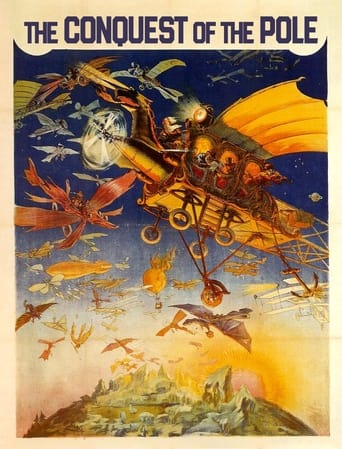 6.2
A science fantasy film that deals with an extraordinary race to the north pole by rival parties of balloonists. Based on the novel "The Adventures of Captain Hatteras" by Jules Verne.
The Conquest of the Pole
1912
1900s · 34 titles
7.9Professor Barbenfouillis and five of his colleagues from the Academy of Astronomy travel to the Moon aboard a rocket propelled by a giant cannon. Once on the lunar surface, the bold explorers face the many perils hidden in the caves of the mysterious planet.
A Trip to the Moon
1902
7.3Using every known means of transportation, several savants from the Geographic Society undertake a journey through the Alps to the Sun which finishes under the sea.
The Impossible Voyage
1904
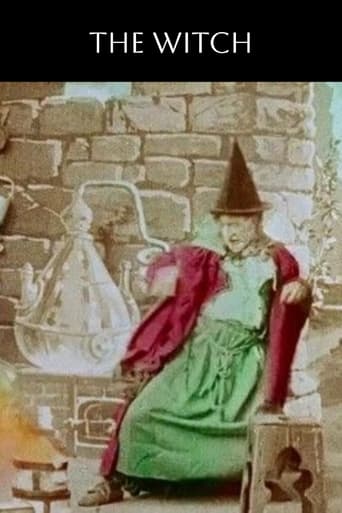 6.3
A penniless troubadour consults witch Carabosse about his future, but offends her by paying with a bag of sand. He evades the witch's revenge, and saves the beautiful princess.
The Witch
1906
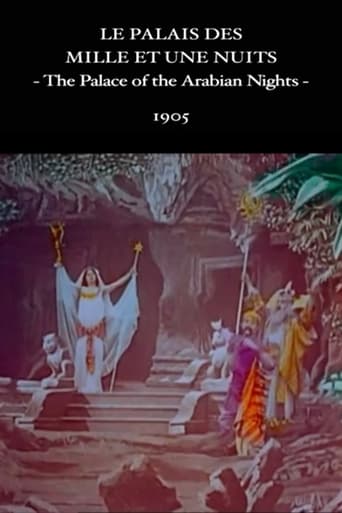 5.7
A poor but honest man wins great wealth, and the hand of a beautiful princess, after facing a series of exciting trials in the tunnels and catacombs of ancient Araby. Guided by the mysterious Khalafar, the troupe (alongside him go some cowardly scholars) encounter skeletons, fire-breathing lizards, and mirages on their journey through the lower world.
The Palace of the Arabian Nights
1905
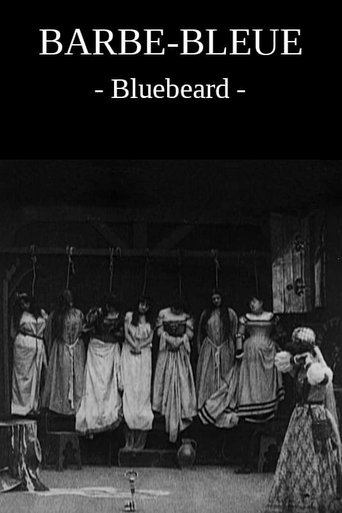 6.3
A young woman becomes the eighth wife of the wealthy Bluebeard, whose first seven wives have died under mysterious circumstances.
Bluebeard
1901
 7.0
An astronomer has a terrifying dream.
The Astronomer's Dream
1900
 6.5
A traveler at an inn is harassed by a mischievous devil in his room.
The Black Imp
1905
 7.0
At the royal court, a prince is presenting the princess whom he is pledged to marry when a witch suddenly appears. Though driven off, the witch soon returns, summons some of her servants, and carries off the princess. A rescue party is quickly organized, but the unfortunate captive has been taken to a strange, forbidding realm, from where it will be impossible to rescue her without some special help.
The Kingdom of the Fairies
1903
 6.3
A green-skinned demon places a woman and two courtiers into a flaming cauldron.
The Infernal Cauldron
1903
 5.2
The film, a parody of the novel Twenty Thousand Leagues Under the Sea by Jules Verne, follows a fisherman, Yves, who dreams of traveling by submarine to the bottom of the ocean, where he encounters both realistic and fanciful sea creatures, including a chorus of naiads played by dancers from the Théâtre du Châtelet. Méliès's design for the film includes cut-out sea animals patterned after Alphonse de Neuville's illustrations for Verne's novel.
20,000 Leagues Under the Sea
1907
 4.4
Three burglars invade a house, kill two people, and blind a third person, a woman. The police arrest the wrong man.
Not Guilty
1908
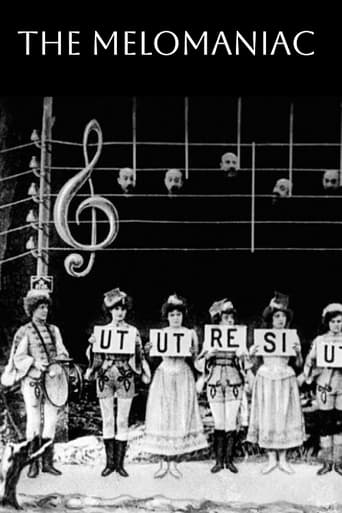 6.6
The leader of a marching band demonstrates an unusual way of writing music.
The Melomaniac
1903
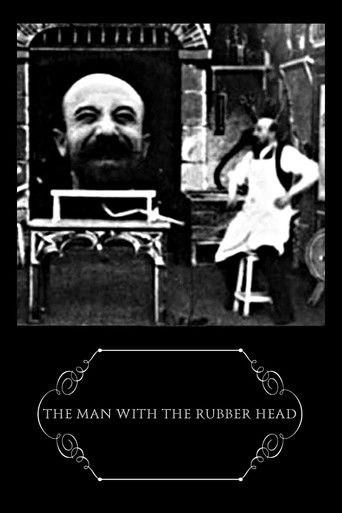 7.1
A chemist carries out a bizarre experiment with his own head.
The Man with the Rubber Head
1901
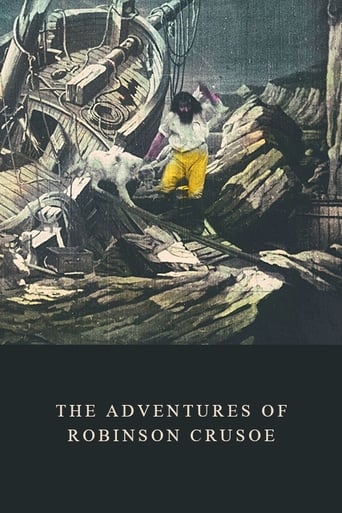 5.7
Georges Méliès adaptation of Robinson Crusoe, the first film adaptation of the story. Filmed in black & white, Méliès would then paint the film by hand to colour it. Originally a 15 minute film, twelve and a half minutes of painted film have been found and have been restored.
Robinson Crusoe
1902
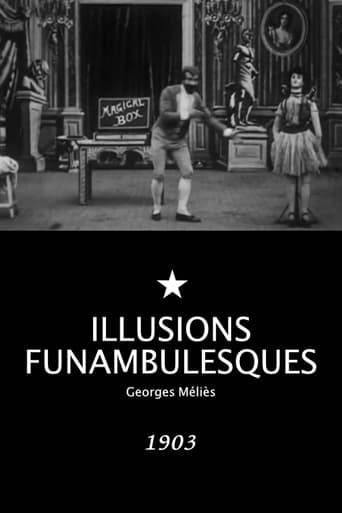 6.1
Pioneer filmmaker Georges Méliès performs his cine-magic act.
Extraordinary Illusions
1903
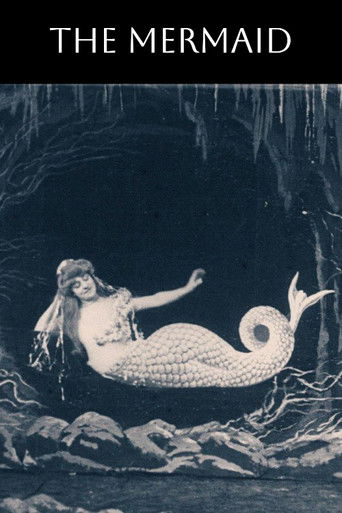 5.8
A magician conjures up a mermaid while fishing.
The Mermaid
1904
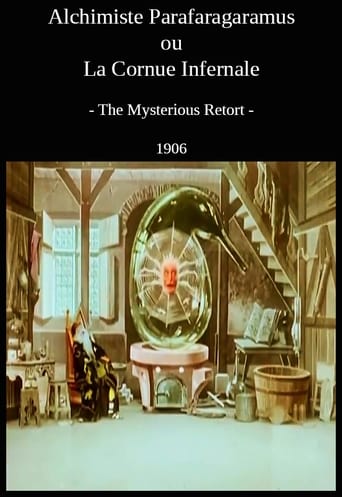 5.7
A wizard sleeps at a table in his well-appointed sitting room. From a drawer in the table, a snake appears.
The Mysterious Retort
1906
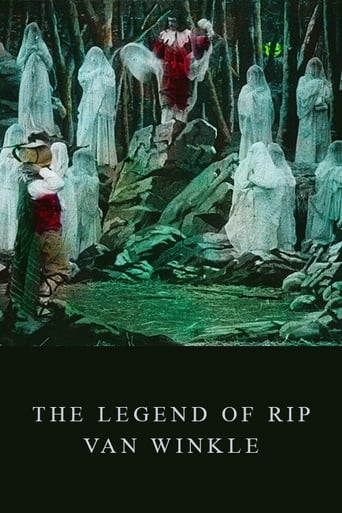 5.8
The Melies version of the old Rip Van Winkle tale.
Rip's Dream
1905
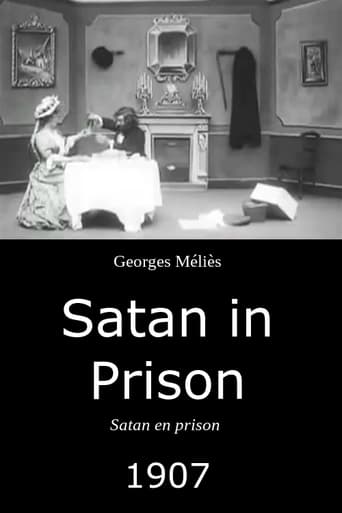 5.7
The title is vital, since the bulk of the action consists of a well-dressed man magically producing a series of items to furnish a bare room, culminating in his summoning up a charming lady to share his meal. Hearing the guards approaching, the man reverses the process, ending with a bare room when the two men enter.
Satan in Prison
1907
 5.5
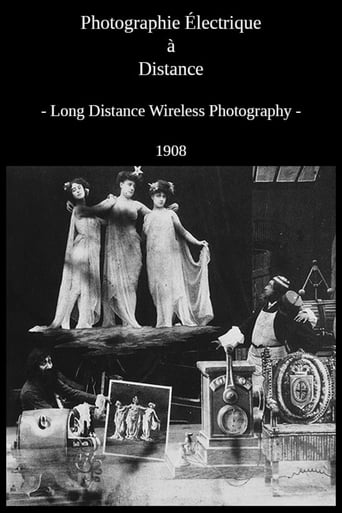
Into a photography studio full of large fantastic machines steps an elderly couple. The bearded proprietor explains the equipment and gives them a demonstration: he starts machines whirring, and projects a painting of three women onto a large screen; suddenly the women begin to move. The customers are impressed. First the women sits in the special seat: she's projected onto the screen, and her good nature comes out in the laughing image. Then it's the man's turn, but the machine discloses a vastly different nature in him. Will his reaction threaten our proprietor's inventions?
Long Distance Wireless Photography
1908
 6.4
A man is murdered and the killer brought to justice by guillotine. This film is partly lost.
A Desperate Crime
1906
 5.0
Faust and his love Marguerite are sentenced to Hell where they are showed the torture that awaits.
Faust and Marguerite
1904
 4.7
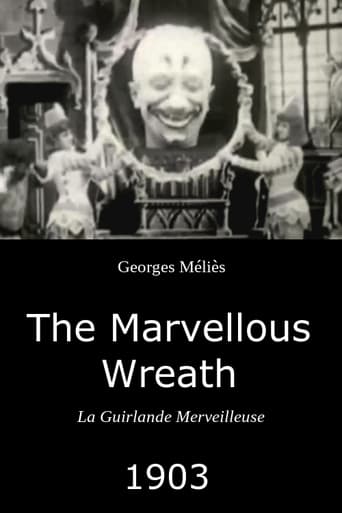
A magician performs tricks with a marvelous wreath.
The Marvellous Wreath
1903
 6.5
The plot follows King Edward VII and President Armand Fallières dreaming of building a tunnel under the English Channel.
Tunneling the English Channel
1907
 6.7
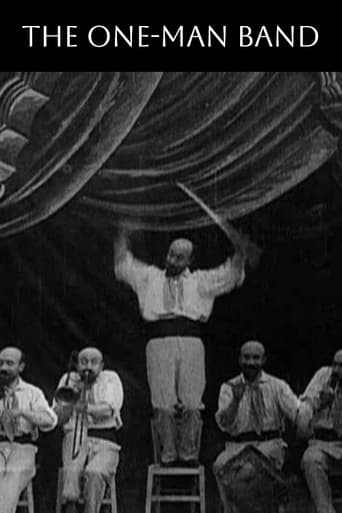
A band-leader has arranged seven chairs for the members of his band. When he sits down in the first chair, a cymbal player appears in the same chair, then rises and sits in the next chair. As the cymbal player sits down, a drummer appears in the second chair, and then likewise moves on to the third chair. In this way, an entire band is soon formed, and is then ready to perform.
The One-Man Band
1900
 6.9
A divinely inspired peasant woman becomes an army captain for France and then is martyred after she is captured.
Joan of Arc
1900
 5.2
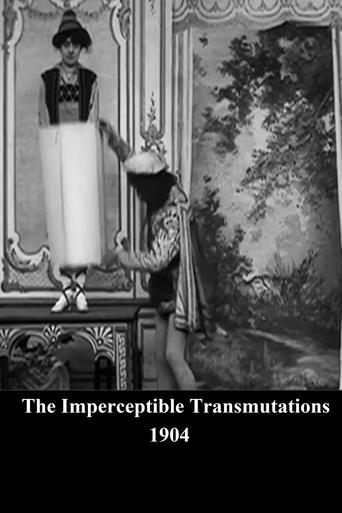
This shows a prince entering upon the stage of the King's private theatre. He is about to do a few mystifying tricks for the amusement of the court.
The Imperceptible Transmutations
1904
 5.5
The Merchant, the Farrier, and the Roman accompany a mysterious woman into a magical cave full of terrors and wonders.
Tribulations; or, The Misfortunes of a Cobbler
1908
 5.6
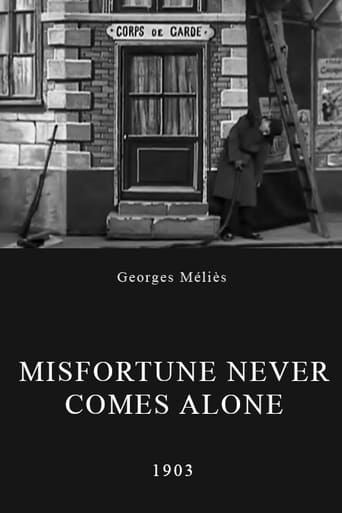
The scene takes place in front of a barrack, where a young soldier is on duty --most laughable and comical
Misfortune Never Comes Alone
1903
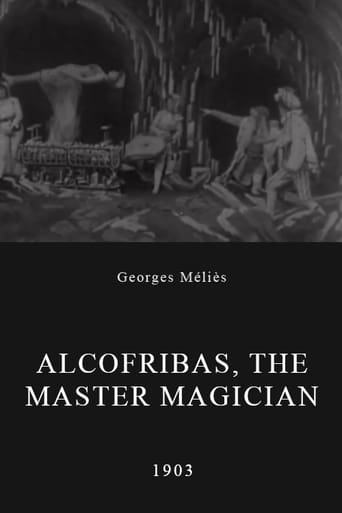 5.1
Two men in a cave perform magic.
Alcofribas, The Master Magician
1903
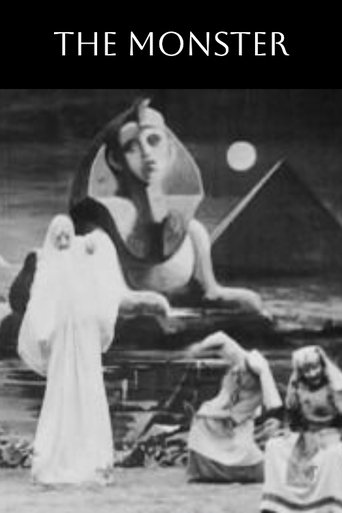 6.1
An Egyptian prince has lost his beloved wife and he has sought a dervish who dwells at the base of the sphinx.
The Monster
1903
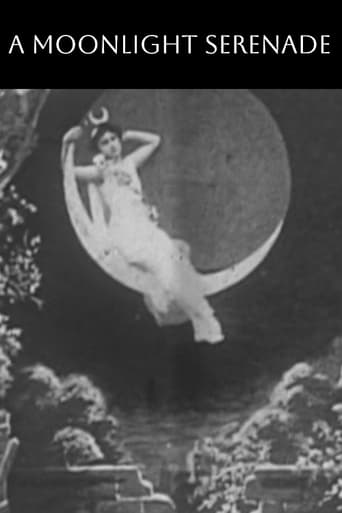 5.3
Pierrot goes to the house of his love to serenade her, but her father kicks him out. Soon the moon and its goddess Diana come towards the man and offers him something better.
A Moonlight Serenade
1903
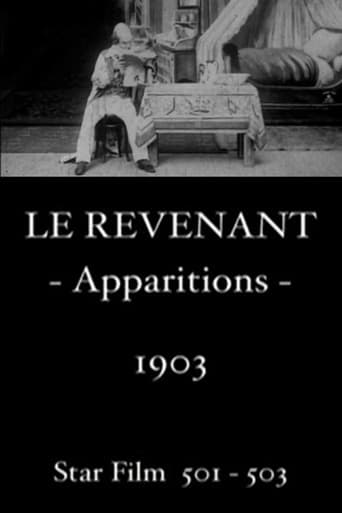 5.7
Alone in his room at an inn, a lustful old man is haunted by spirits.
Apparitions
1903
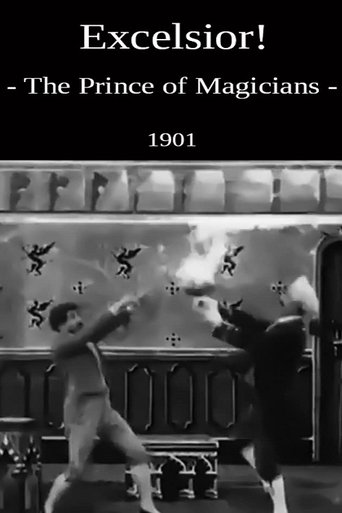 6.4
A magician does tricks with the aid of his assistant, the Human Pump.
The Prince of Magicians
1901
1890s · 16 titles
6.2A fairy godmother magically turns Cinderella's rags to a beautiful dress, and a pumpkin into a coach. Cinderella goes to the ball, where she meets the Prince - but will she remember to leave before the magic runs out? Méliès based the art direction on engravings by Gustave Doré. First known example of a fairy-tale adapted to film, and the first film to use dissolves to go from one scene to another.
Cinderella
1899
7.2One of the greatest of black art pictures. The conjurer appears before the audience, with his head in its proper place. He then removes his head, and throwing it in the air, it appears on the table opposite another head, and both detached heads sing in unison. The conjurer then removes it a third time. You then see all three of his heads, which are exact duplicates, upon the table at one time, while the conjurer again stands before the audience with his head perfectly intact, singing in unison with the three heads upon the table. He closes the picture by bowing himself from the stage.
The Four Troublesome Heads
1898
 6.4
In a medieval castle, a dark magician thought to be Mephistopheles conjures up a series of bizarre creatures and events in order to torment a pair of interloping cavaliers.
Le manoir du diable
1896
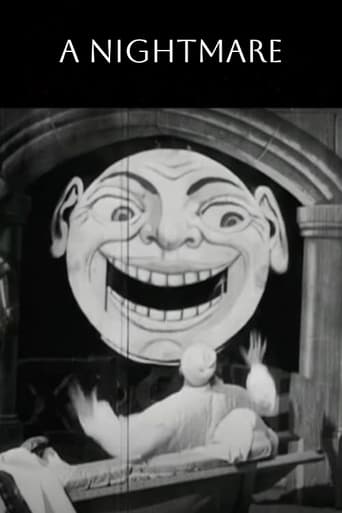 6.1
A man has a fantastical nightmare involving, among other things, a grinning malevolent moon.
A Nightmare
1896
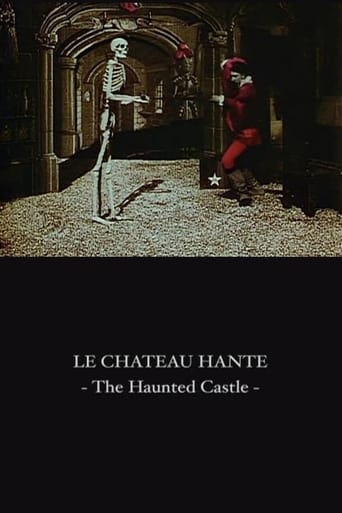 5.7
A man has an encounter with several spooky apparitions in a castle that is evidently owned by the Devil.
Le château hanté
1897
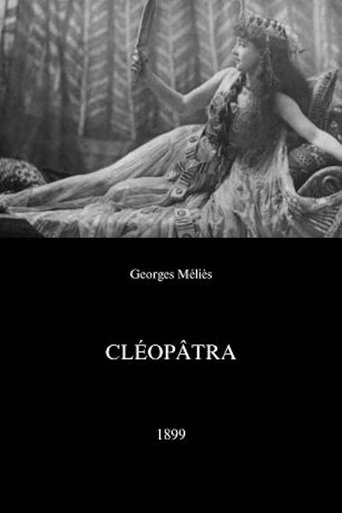 1.7
A lost film. A man digging inside an Egyptian tomb chops up a mummy, then resurrects the woman inside it. This film is presumably lost.
Cleopatra's Tomb
1899
 6.2
A film from Méliès has him playing a magician who does a few tricks including making a woman disappear.
An Up-to-Date Conjurer
1899
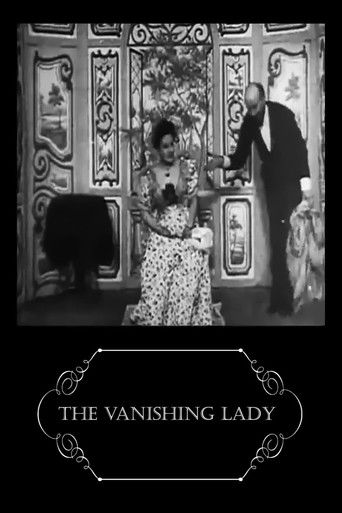 6.2
Georges Méliès makes a woman disappear, then reappear.
The Vanishing Lady
1896
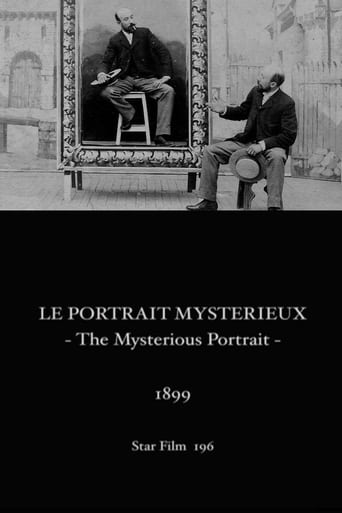 6.1
A magician produces a living portrait of himself.
The Mysterious Portrait
1899
 4.9
Three friends are playing cards in a beer garden. One of them orders drinks. The waitress comes back with a bottle of wine and three glasses on a tray. The man serves his friends. They clink glasses and drink. Then the man asks for a newspaper. He reads a funny story in it and the three friends burst out laughing while the waitress merely smiles.
Playing Cards
1896
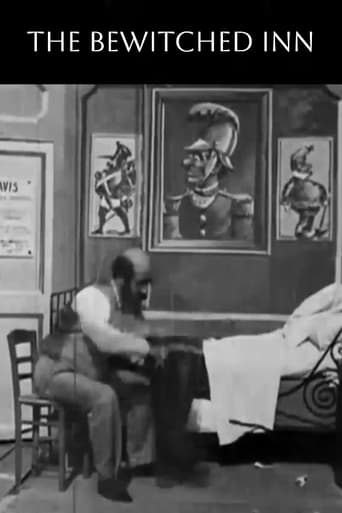 6.3
A weary traveler stops at an inn along the way to get a good night's sleep, but his rest is interrupted by odd happenings when he gets to his room--beds vanishing and re-appearing, candles exploding, pants flying through the air and his shoes walking away by themselves.
The Bewitched Inn
1897
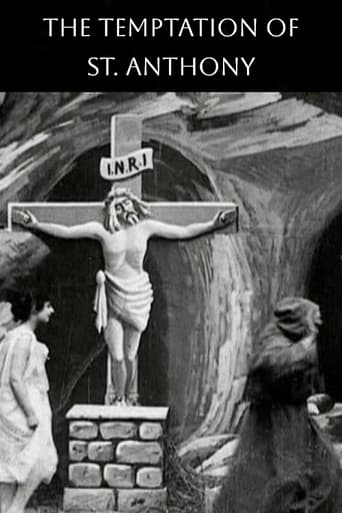 5.8
St. Anthony is tempted by visions of women, including one that is transformed from the image of Jesus Christ Himself!
The Temptation of St. Anthony
1898
 6.3
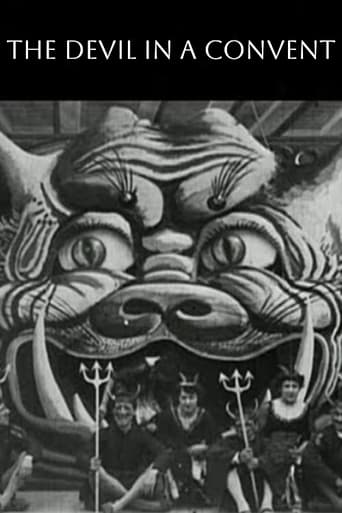
A priest is officiating at a convent, when suddenly he is transformed into the devil, who frightens away the nuns and turns the place into pandemonium.
The Devil in a Convent
1899
 6.1
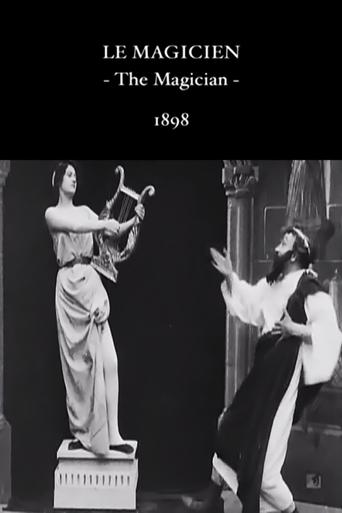
In this scene is shown a magician behind an ordinary table, upon which he suddenly and mysteriously causes to appear a large box, into which he leaps. The sides of the box fall to the ground, but instead of containing the magician a lively clown steps forth who further mystifies the audience by causing the box to disappear, and in its place is seen a fully laid table with a smoking dinner, to which the clown applies himself. The table, however, suddenly disappears much to the astonishment of the clown, who is confronted by the magician in the garb of Mephistopheles. This he suddenly changes to that of a sculptor, and in the background is seen a pedestal with the bust of a young lady, which comes to life as the sculptor applies the mallet and chisel.
The Magician
1898
 5.2
A man tries to get a good night's sleep, but is disturbed by a giant spider that leaps onto his bed, and a battle ensues in hilarious comic fashion.
A Terrible Night
1896
 5.8
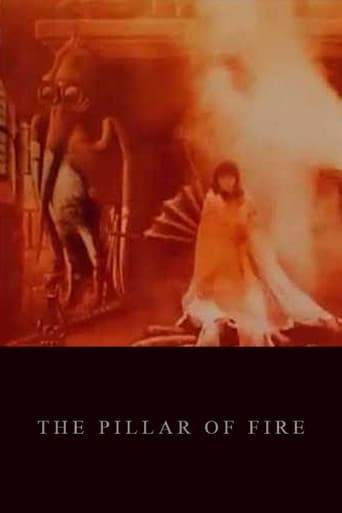
A devil wearing bat-like wings and brandishing a trident dances around a giant pot, conjuring forth flame from his trident to lit a fire beneath the pot. After the devil works the fire with bellows, an angelic woman emerges from the pot. The devil and the pot vanish as the woman performs a dance, waving about her diaphanous sleeves until she conjures forth another fire, then she rises amongst the smoke into the air.
The Pillar of Fire
1899
Series credits
Behind the camera
7.9Professor Barbenfouillis and five of his colleagues from the Academy of Astronomy travel to the Moon aboard a rocket propelled by a giant cannon. Once on the lunar surface, the bold explorers face the many perils hidden in the caves of the mysterious planet.
A Trip to the Moon
1902
7.9Professor Barbenfouillis and five of his colleagues from the Academy of Astronomy travel to the Moon aboard a rocket propelled by a giant cannon. Once on the lunar surface, the bold explorers face the many perils hidden in the caves of the mysterious planet.
A Trip to the Moon
1902
7.9Professor Barbenfouillis and five of his colleagues from the Academy of Astronomy travel to the Moon aboard a rocket propelled by a giant cannon. Once on the lunar surface, the bold explorers face the many perils hidden in the caves of the mysterious planet.
A Trip to the Moon
1902
6.2A fairy godmother magically turns Cinderella's rags to a beautiful dress, and a pumpkin into a coach. Cinderella goes to the ball, where she meets the Prince - but will she remember to leave before the magic runs out? Méliès based the art direction on engravings by Gustave Doré. First known example of a fairy-tale adapted to film, and the first film to use dissolves to go from one scene to another.
Cinderella
1899
7.2One of the greatest of black art pictures. The conjurer appears before the audience, with his head in its proper place. He then removes his head, and throwing it in the air, it appears on the table opposite another head, and both detached heads sing in unison. The conjurer then removes it a third time. You then see all three of his heads, which are exact duplicates, upon the table at one time, while the conjurer again stands before the audience with his head perfectly intact, singing in unison with the three heads upon the table. He closes the picture by bowing himself from the stage.
The Four Troublesome Heads
1898
7.3Using every known means of transportation, several savants from the Geographic Society undertake a journey through the Alps to the Sun which finishes under the sea.
The Impossible Voyage
1904
7.3Using every known means of transportation, several savants from the Geographic Society undertake a journey through the Alps to the Sun which finishes under the sea.
The Impossible Voyage
1904
7.3Using every known means of transportation, several savants from the Geographic Society undertake a journey through the Alps to the Sun which finishes under the sea.
The Impossible Voyage
1904
6.3A penniless troubadour consults witch Carabosse about his future, but offends her by paying with a bag of sand. He evades the witch's revenge, and saves the beautiful princess.
The Witch
1906
6.3A penniless troubadour consults witch Carabosse about his future, but offends her by paying with a bag of sand. He evades the witch's revenge, and saves the beautiful princess.
The Witch
1906
6.3A penniless troubadour consults witch Carabosse about his future, but offends her by paying with a bag of sand. He evades the witch's revenge, and saves the beautiful princess.
The Witch
1906
6.4In a medieval castle, a dark magician thought to be Mephistopheles conjures up a series of bizarre creatures and events in order to torment a pair of interloping cavaliers.
Le manoir du diable
1896
6.4In a medieval castle, a dark magician thought to be Mephistopheles conjures up a series of bizarre creatures and events in order to torment a pair of interloping cavaliers.
Le manoir du diable
1896
6.4In a medieval castle, a dark magician thought to be Mephistopheles conjures up a series of bizarre creatures and events in order to torment a pair of interloping cavaliers.
Le manoir du diable
1896
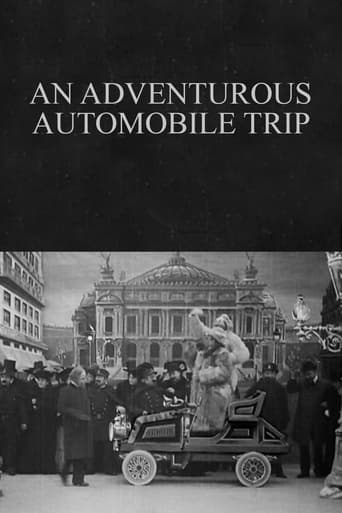 5.8
A man needs to get to Monte Carlo from Paris, but finds out that a train will take 17 hours to get there. He decides to go with a man with a special car, who claims that he can get there in just two hours. Complications ensue.
An Adventurous Automobile Trip
1905
5.7A poor but honest man wins great wealth, and the hand of a beautiful princess, after facing a series of exciting trials in the tunnels and catacombs of ancient Araby. Guided by the mysterious Khalafar, the troupe (alongside him go some cowardly scholars) encounter skeletons, fire-breathing lizards, and mirages on their journey through the lower world.
The Palace of the Arabian Nights
1905
6.1A man has a fantastical nightmare involving, among other things, a grinning malevolent moon.
A Nightmare
1896
6.1A man has a fantastical nightmare involving, among other things, a grinning malevolent moon.
A Nightmare
1896
6.3A young woman becomes the eighth wife of the wealthy Bluebeard, whose first seven wives have died under mysterious circumstances.
Bluebeard
1901
6.3A young woman becomes the eighth wife of the wealthy Bluebeard, whose first seven wives have died under mysterious circumstances.
Bluebeard
1901
6.3A young woman becomes the eighth wife of the wealthy Bluebeard, whose first seven wives have died under mysterious circumstances.
Bluebeard
1901
5.7A man has an encounter with several spooky apparitions in a castle that is evidently owned by the Devil.
Le château hanté
1897
5.7A man has an encounter with several spooky apparitions in a castle that is evidently owned by the Devil.
Le château hanté
1897
5.7A man has an encounter with several spooky apparitions in a castle that is evidently owned by the Devil.
Le château hanté
1897
7.0An astronomer has a terrifying dream.
The Astronomer's Dream
1900
7.0An astronomer has a terrifying dream.
The Astronomer's Dream
1900
7.0An astronomer has a terrifying dream.
The Astronomer's Dream
1900
6.5A traveler at an inn is harassed by a mischievous devil in his room.
The Black Imp
1905
6.5A traveler at an inn is harassed by a mischievous devil in his room.
The Black Imp
1905
5.8Georges Méliès's first attempt at Cinderella was in 1899. That film was extraordinary then for having multiple scenes and a semblance of a narrative; additionally, the use of dissolves as transitions in it influenced other filmmakers for years to do the same. Méliès was the cinema world's preeminent leader then. By 1912, however, that was no longer the case; frankly, as evidenced by this feature, his style had become dated. Moreover, Méliès had begun to adopt techniques from other filmmakers, such as direct cuts instead of dissolves, and there's even a match on action shot during the slipper trying-on scene.
Cinderella or The Glass Slipper
1912
 5.7
Surviving fragment of a longer film. A magician makes a butterfly woman appear, and a woman in a star. Exhausted, the magician falls asleep and the star woman turns into a spider, dragging the butterfly into her web.
The Spider and the Butterfly
1909
1.7A lost film. A man digging inside an Egyptian tomb chops up a mummy, then resurrects the woman inside it. This film is presumably lost.
Cleopatra's Tomb
1899
6.2A film from Méliès has him playing a magician who does a few tricks including making a woman disappear.
An Up-to-Date Conjurer
1899
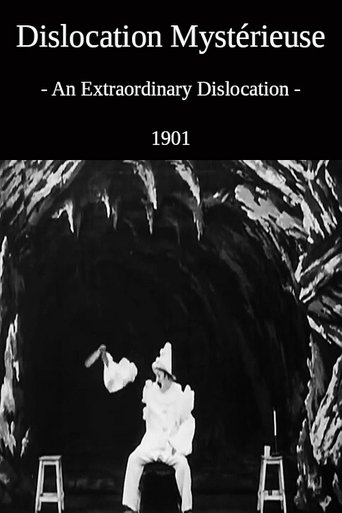 6.1
A clown performs various feats of magic based on his ability to detach and reattach different parts of his body.
An Extraordinary Dislocation
1901