
Directing
François Weyergans
Born — Died
1941-08-02 — 2019-05-27
Place of birth
Etterbeek, Belgium
Known for
Directing
Credits
11 titles
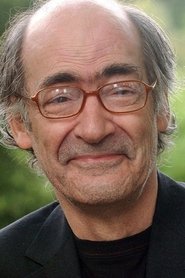
François Weyergans (2 August 1941 – 27 May 2019) was a Belgian writer and director. His father, Franz Weyergans, was a Belgian and also a writer, while his mother was from Avignon in France. François Weyergans was elected to the Académie française on 26 March 2009, taking the 32nd seat which became vacant with the death of Alain Robbe-Grillet in 2008. He started film studies at the IDHEC (Hautes Études Cinématographiques), where he came to love the films of Robert Bresson and Jean-Luc Godard, among others. He soon began to write for Cahiers du cinéma and directed his first film in 1961, on Maurice Béjart, which led to his expulsion from the school as students were banned from making profess…
Known for
 8.5
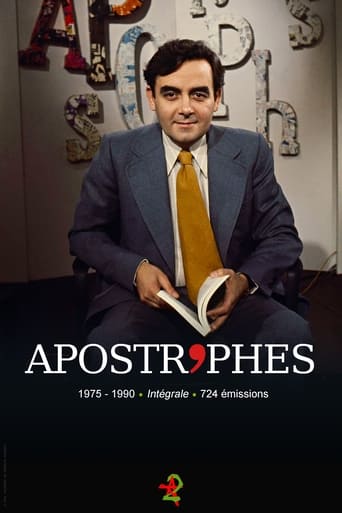
8.5Apostrophes was a live, weekly, literary, prime-time, talk show on French television created and hosted by Bernard Pivot. It ran for fifteen years (724 episodes) from January 10, 1975, to June 22, 1990, and was one of the most watched shows on French television (around 6 million regular viewers). It was broadcast on Friday nights on the channel France 2 (which was called "Antenne 2" from 1975 to 1992). The hourlong show was devoted to books, authors and literature. The format varied between one-on-one interviews with a single author and open discussions between four or five authors.
Apostrophes
1975
 5.0
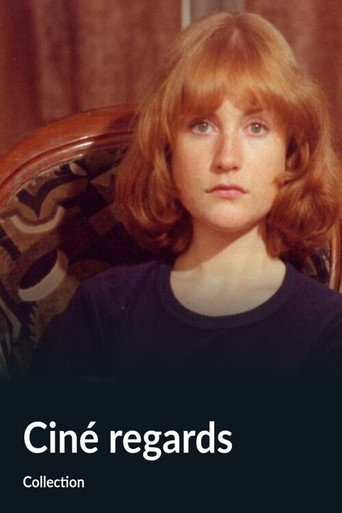
5.0No synopsis available yet.
Ciné regards
1978
 6.0
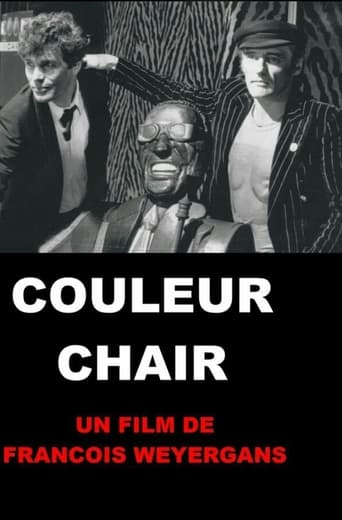
6.0Anna is a coach and a stripper at night.
Flesh Color
1978
 9.0
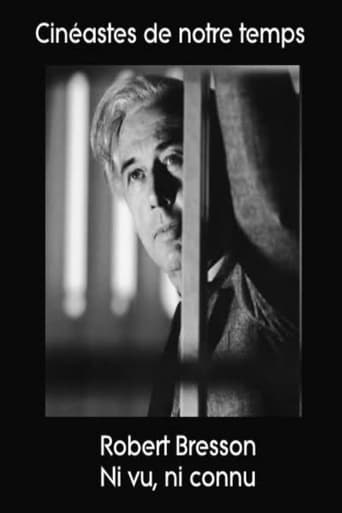
9.0An episode of the television program Cinéastes de notre temps in which the director gives his first on-camera interview.
Bresson: Without a Trace
1965
A 16 year old girl panics when she finds out she's pregnant. Based on a novel by (Charles Ferdinand) Ramuz, clearly influenced by Dryer and Bresson and hailed by Godard.
Aline
1967
 6.2
6.2Cannes Film Festival 1975
Je t'aime, tu danses
1977
Film credits
Series credits
8.5Apostrophes was a live, weekly, literary, prime-time, talk show on French television created and hosted by Bernard Pivot. It ran for fifteen years (724 episodes) from January 10, 1975, to June 22, 1990, and was one of the most watched shows on French television (around 6 million regular viewers). It was broadcast on Friday nights on the channel France 2 (which was called "Antenne 2" from 1975 to 1992). The hourlong show was devoted to books, authors and literature. The format varied between one-on-one interviews with a single author and open discussions between four or five authors.
Apostrophes
1975
5.0No synopsis available yet.
Ciné regards
1978
Behind the camera
6.0Anna is a coach and a stripper at night.
Flesh Color
1978
6.0Anna is a coach and a stripper at night.
Flesh Color
1978
9.0An episode of the television program Cinéastes de notre temps in which the director gives his first on-camera interview.
Bresson: Without a Trace
1965
A 16 year old girl panics when she finds out she's pregnant. Based on a novel by (Charles Ferdinand) Ramuz, clearly influenced by Dryer and Bresson and hailed by Godard.
Aline
1967
6.2Cannes Film Festival 1975
Je t'aime, tu danses
1977
 9.0
9.0In modern Paris, a sick and nervous man, a "déclassé", tries to seduce others by means of his illness. He meets three women, mixes up his life and his fantasies. Is he unhappy because he wants to be or not? He lives in a painter's studio that one of his friends has lent him.
Maladie mortelle
1977
 8.0
8.0A documentary that pretends to be a fictional film. About the work and the life of a man, a man called Pierre Henry at the beginning of the film and who ends up calling himself "someone".
Un film sur quelqu'un
1972
 7.4
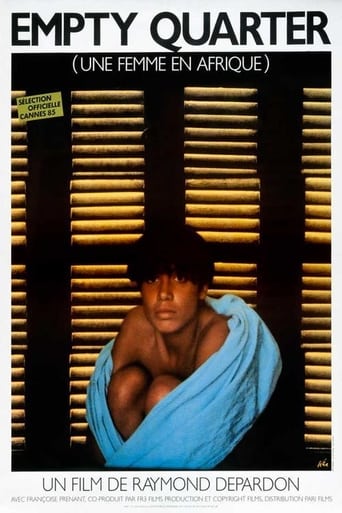
7.4A man invites a woman to share his room in a hostel and gradually falls in love with her.
Empty Quarter: A Woman in Africa
1985