
Directing
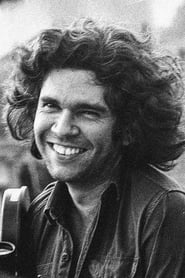
Aloysio Raulino
Born — Died
1947-01-01 — 2013-05-17
Place of birth
Rio de Janeiro, Rio de Janeiro, Brazil
Known for
Directing
Credits
32 titles
Aloysio Raulino (1947-2013) was a Brazilian cinematographer, screenwriter and director, who worked extensively in documentary shorts. His films, mostly shot in São Paulo, are usually centered around the poverty and misery that plagues large numbers of the Brazilian population.
Known for
 6.0
The path of Paraguayan immigrants who drive to Asuncion and then arrive in São Paulo. They are rural workers, musicians, vendors and underemployed people. Two parallel worlds: the Guarani culture and the Brazilian adventure in São Paulo juxtaposed with Paraguayan songs and the Guarani language, spoken by the main characters.
Noites Paraguayas
1982
 4.6
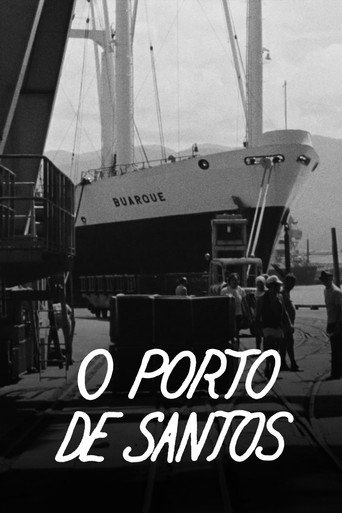
A portrait of Santos Port, its geography, workers and the life that surrounds it, including the poor, prostitutes and the night life inhabitants.
O Porto de Santos
1978
 8.0
No synopsis available yet.
Vozes do Medo
1972
Supported by the works of poet/musician Claude Miller, the film portraits a snippet of brazilian reality.
Inventário da Rapina
1986
 7.4
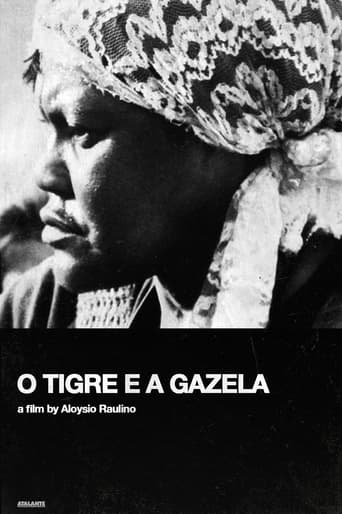
The faces, the gestures and speech of beggars, madmen and revelers passing through the streets of São Paulo. The sounds and images are illustrated with Frantz Fanon extracts.
O Tigre e a Gazela
1976
 8.0
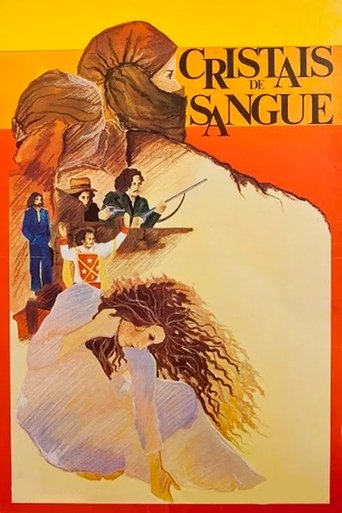
Rui arrives in a small town looking for his father, a prospector. Before that, he gets involved with Maria, who is facing problems in the family. Maria's stepfather is the head of a gang and will go to any lengths to prevent Rui from finding his father.
Cristais de Sangue
1975
Behind the camera
6.0The path of Paraguayan immigrants who drive to Asuncion and then arrive in São Paulo. They are rural workers, musicians, vendors and underemployed people. Two parallel worlds: the Guarani culture and the Brazilian adventure in São Paulo juxtaposed with Paraguayan songs and the Guarani language, spoken by the main characters.
Noites Paraguayas
1982
4.6A portrait of Santos Port, its geography, workers and the life that surrounds it, including the poor, prostitutes and the night life inhabitants.
O Porto de Santos
1978
4.6A portrait of Santos Port, its geography, workers and the life that surrounds it, including the poor, prostitutes and the night life inhabitants.
O Porto de Santos
1978
8.0No synopsis available yet.
Vozes do Medo
1972
Supported by the works of poet/musician Claude Miller, the film portraits a snippet of brazilian reality.
Inventário da Rapina
1986
Supported by the works of poet/musician Claude Miller, the film portraits a snippet of brazilian reality.
Inventário da Rapina
1986
Supported by the works of poet/musician Claude Miller, the film portraits a snippet of brazilian reality.
Inventário da Rapina
1986
7.4The faces, the gestures and speech of beggars, madmen and revelers passing through the streets of São Paulo. The sounds and images are illustrated with Frantz Fanon extracts.
O Tigre e a Gazela
1976
7.4The faces, the gestures and speech of beggars, madmen and revelers passing through the streets of São Paulo. The sounds and images are illustrated with Frantz Fanon extracts.
O Tigre e a Gazela
1976
7.4The faces, the gestures and speech of beggars, madmen and revelers passing through the streets of São Paulo. The sounds and images are illustrated with Frantz Fanon extracts.
O Tigre e a Gazela
1976
8.0Rui arrives in a small town looking for his father, a prospector. Before that, he gets involved with Maria, who is facing problems in the family. Maria's stepfather is the head of a gang and will go to any lengths to prevent Rui from finding his father.
Cristais de Sangue
1975
8.0Rui arrives in a small town looking for his father, a prospector. Before that, he gets involved with Maria, who is facing problems in the family. Maria's stepfather is the head of a gang and will go to any lengths to prevent Rui from finding his father.
Cristais de Sangue
1975
 8.0
Arnulfo Silva, a former abandoned child, retells his childhood difficulties living on the streets.
We Shall Have a Childhood
1974
8.0Arnulfo Silva, a former abandoned child, retells his childhood difficulties living on the streets.
We Shall Have a Childhood
1974
 8.0
Deutrudes Carlos da Rocha, a 24-year-old Brazilian, black, illiterate, is a car washer and lives in São Paulo. Through his testimony and also holding the camera, he brings us closer to his experience and vision of the world.
Jardim Nova Bahia
1971
8.0Deutrudes Carlos da Rocha, a 24-year-old Brazilian, black, illiterate, is a car washer and lives in São Paulo. Through his testimony and also holding the camera, he brings us closer to his experience and vision of the world.
Jardim Nova Bahia
1971
 NR
Mixing new images to existing São Paulo movies takes, the documentary presents the city from the perspective of five main attributes: transformation, anonymity, crowd, precariousness and dimension.
São Paulo, Cinemacity
1994
 NR
The experiences of the vocational education at Oswaldo Aranha Highschool, São Paulo, based on a ideia of creating a social microcosm to put the children in a direct touch with their Country reality.
Ensino Vocacional
1969
 NR
The street carnival in the city of São Paulo: the scenary, the samba schools, the blocks, the passers-by, the trance. Film made from black and white photographs, with classic samba songs in the soundtrack.
Arrasta a Bandeira Colorida
1970
 5.5
This documentary takes us on a ride through Marginal Tietê, an important avenue in São Paulo, Brazil, then recently opened to the public. The places it crosses and the people living nearby force the viewer to think about the core of this big city.
Lacrimosa
1970
5.5This documentary takes us on a ride through Marginal Tietê, an important avenue in São Paulo, Brazil, then recently opened to the public. The places it crosses and the people living nearby force the viewer to think about the core of this big city.
Lacrimosa
1970
5.5This documentary takes us on a ride through Marginal Tietê, an important avenue in São Paulo, Brazil, then recently opened to the public. The places it crosses and the people living nearby force the viewer to think about the core of this big city.
Lacrimosa
1970
 1.0
A young man returns to the country and find surprises,
Retorna, Vencedor
1968
1.0A young man returns to the country and find surprises,
Retorna, Vencedor
1968
1.0A young man returns to the country and find surprises,
Retorna, Vencedor
1968
"Against an adverse sky, Celeste raises her flight. If he went up, nobody knows, nobody saw."
Celeste
2009
Second part of the trilogy that approaches puberty in three Brazilian socio economic classes: A, B and C. The youngsters talks freely about their fears and projects, unveiling a broad outlook about the pre-adolescence universe in São Paulo.
Puberdade 2
1996
Documentary shot in 14 different dancing rooms, showing the variety of genres, styles e social groups in the São Paulo city.
Como Dança São Paulo
1991
An essay on street art in Sao Paulo during the early 90s.
Graffitti nos Muros Recortados
1994
First part of the trilogy that approaches puberty in three Brazilian socio economic classes: A, B and C. The youngsters talks freely about their fears and projects, unveiling a broad outlook about the pre-adolescence universe in São Paulo.
Puberdade 1
1994
Last part of the trilogy that approaches puberty in three Brazilian socio economic classes: A, B and C. The youngsters talks freely about their fears and projects, unveiling a broad outlook about the pre-adolescence universe in São Paulo.
Puberdade 3
1996