
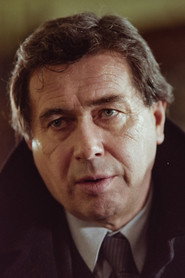
Acting
Janusz Gajos
Born
1939-09-23 (87)
Place of birth
Dąbrowa Górnicza, Poland
Known for
Acting
Credits
83 titles
Janusz Gajos (Polish pronunciation: [ˈjanuʂ ˈɡajɔs]; born 23 September 1939) is a Polish film, television and theatre actor as well as pedagogue and photographer. Professor of Theatre Arts and an Honorary Doctor of the National Film School in Łódź, he is considered one of the greatest Polish actors. He is the recipient of numerous awards and honours including the Gold Cross of Merit (1974),[3] Gloria Artis Medal for Merit to Culture (2007), five Polish Film Awards (2001, 2007, 2016, 2016, 2019), Commander's Cross with Star of the Order of Polonia Restituta (2011), and Diamond Lions Award at the Gdynia Film Festival (2015). Description above from the Wikipedia article Janusz Gajos, licensed…
Known for
 8.3
8.3The Ten Commandments, exact and uncompromising, literally cast in stone, continues to provide a source of moral conflict in contemporary society. In the ten part collection of films, The Decalogue, Krzysztof Kieślowski examines the dilemma of fundamental sin in the lives of ordinary Warsaw citizens.
Dekalog
1989
 7.4
7.4Polish immigrant Karol Karol finds himself out of a marriage, a job and a country when his French wife, Dominique, divorces him after six months due to his impotence. Forced to leave France after losing the business they jointly owned, Karol enlists fellow Polish expatriate Mikołaj to smuggle him back to their homeland.
Three Colors: White
1994
 6.8
6.8The town is shocked with a brutal double murder. The "Courier" hands the case to an experienced journalist - Witold Wanycz. At the same time, he learns about the mysterious suicide of two teenagers. Together with Piotr, a young journalist, they start their own investigation.
The Mire
2018
 7.8
7.8Exploring one of the defining features of modern society, therapy, as seen through the eyes of a psychiatrist whose professional and personal life is on the verge of collapse.
In Treatment
2011
 7.5
7.5The dark world of crime: murders, racketeering, drugs, kidnappings. There are no rules here. Working in this world makes cops cynical and ruthless. There is a fine line between them and criminals - will any of them cross it? The main characters are officers from the Department for Counteracting Criminal Terror and Homicides. The action of the series is an extension of the threads that appear in the feature film. It presents in a realistic way the brutal and dark world of crime that officers encounter on a daily basis. They're not just tracking down murderers. They fight racketeering, kidnapping, drug trafficking while struggling with their own day to day life and problems.
Pitbull
2005
 7.8
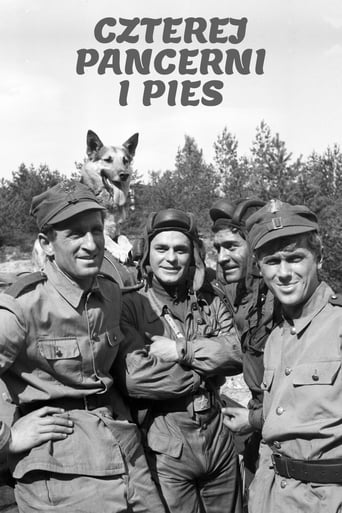
7.8Czterej pancerni i pies was a Polish black and white TV series based on the book by Janusz Przymanowski. Made between 1966 and 1970, the series is composed of 21 episodes of 55 minutes each, divided into three seasons. It is set in 1944 and 1945, during World War II, and follows the adventures of a tank crew and their T-34 tank in the 1st Polish Army. Although both the book and the TV series contain elements of pro-Soviet propaganda, they have achieved and retain a cult series status in Poland, Soviet Union and other Eastern Bloc countries. The T-34 tank Rudy with the identifying number "102", a German Shepherd dog from Siberia Szarik and to a lesser extent the crew Jan Kos, Gustaw Jeleń, Grigorij Saakaszwili, Tomasz Czereśniak, and their commander and mentor Olgierd Jarosz, as well as other heroes of the series, have become icons in Polish popular culture.
Four Tank-Men and a Dog
1966
Film credits
2020s · 3 titles
 5.2
5.2Maciek is a bright and savvy 20-year-old, although he has to borrow money and a car for a date from his dad. His father, on his eighteenth birthday, set off an explosive device, stole a car, contributed to the wrecking of two police cars and deceived for big money a shady businessman. At the same time, he won the heart of a beautiful woman. So he set the bar high, and it will soon become clear whether his son has inherited his bravado and propensity for dangerous intrigue. All this will happen through a date that will connect him with two unpredictable women and draw him into a game at stake - big money and even bigger love.
Fuks²
2024
The film was inspired by one of the most important documentaries shot by Krzysztof Kieślowski, Talking Heads (1980). The director asked his interlocutors seemingly simple questions, such as “Who are you?” and “What do you want?”.
Talking Heads 2021
2021
 4.4
4.4Joanna Warczewska, daughter of an eminent writer, is at the peak of her life. Her thriving political career and family happiness are instantly destroyed by a terrorist attack in which her beloved husband is killed. When fate gives her a new chance in life, another blow hits her. Someone sends her photos and documents undermining her family ties and suggesting that her mother has collaborated with the Security Service in the past. Joanna decides to conduct a historical investigation on her own and unravel the mystery that casts a shadow on her family. What she discovers not only makes her look at her mother in a completely different way, but will also make her find her own identity. Joanna will be forced to face the blackmailer herself and make a choice that will change her life forever.
The Secret of Little Rose
2023
2010s · 8 titles
 6.5
6.5The fate of three Catholic priests were linked together through tragic events a few years back. Every year, on the anniversary of the catastrophe, they gather to celebrate their survival of the tragedy. Lisowski works at a curia in a big city, building his career while dreaming of the Vatican. Standing in his way, Mordowicz, the archbishop, a luxurious church dignitary who is making use of his political connections to build the largest sanctuary in Poland. Trybus, is a parish priest and often submits to human weaknesses. Kukuła also is not doing well. Despite his passion for faith, he is losing the trust of his flock. Soon, through new tragic events, the paths of the three priests will cross again.
Clergy
2018
 6.3
6.3The film is set in the Tricity in 2003, ten years after the end of communism in Poland. The plot, apparently based on the real-life experiences of Kraków businessmen Lech Jerzorny and Paweł Rey, is about three young, talented businessmen who open a high-tech factory. This comes to the attention of the local state ‘mafia’, the local Prosecutor, played by Janusz Gajos, and tax office boss, played by Kasimierz Kaczor, who are both jealous and would like to make money for themselves. We are in Poland, so success must be punished.
The Closed Circuit
2013
 6.2
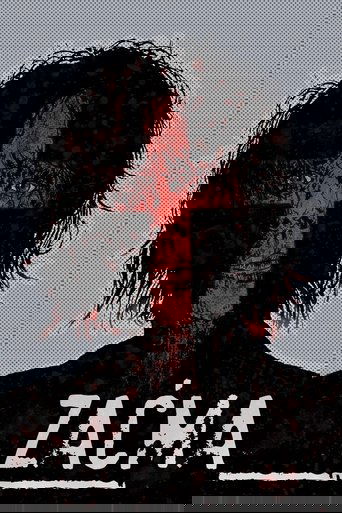
6.2A little known episode from the life of Stalinist security police office Julia Brystiger. Her nickname Bloody Luna was a reference to her incredibly brutal methods of interrogation. In the early 1960s, she appears in a centre for the blind on the outskirts of Warsaw, a place often visited by Cardinal Wyszyński, whose imprisonment in 1953-1956 Brystiger supervised personally. During a difficult and heated discussion with the cardinal, Brystiger denounces the communist ideology and begs for forgiveness for her crimes and for guidance in her search for God.
Blindness
2016
 6.0
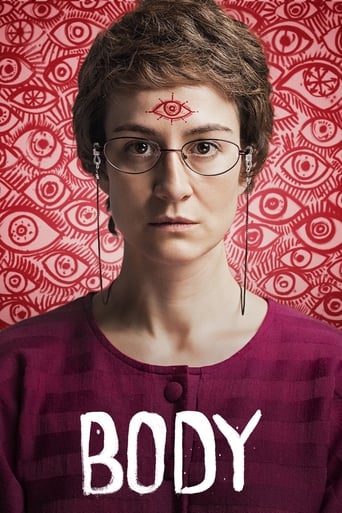
6.0A busy attorney, worried that his anorexic daughter Olga, who is still grieving her recently deceased mother, might try to harm herself, sends her to see a psychiatrist who's dealing with her own loss in an unusual way.
Body
2015
 6.6
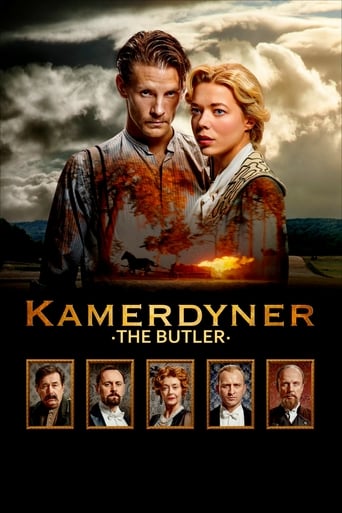
6.6The love between Mateusz Krol, a Kashubian boy, and Marita von Krauss, a Prussian aristocrat in whose family home he is taken in when his mother dies, grows and matures thorough the years, while Kashubia, the northern Polish region where they live, suffers the consequences of the tragedies that will ravage Europe from the beginning of the 20th century until the end of the World War II.
The Butler
2018
 7.6
7.6Based on true events. In 1980s Poland, Jerzy Górski is a young man who finds the determination to struggle against his drug addiction through athletic training, with the aim of competing in the US Ironman Triathlon.
Breaking the Limits
2017
 4.2
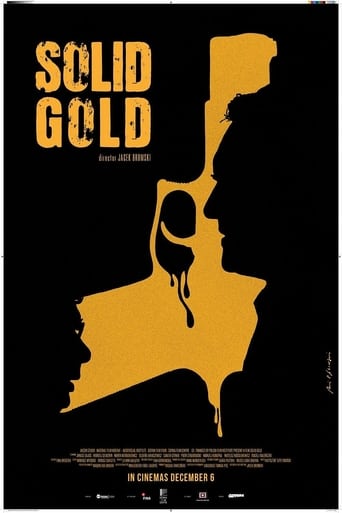
4.2Kaja Miller is a police officer that is abducted and abused on one of her missions. Eight years later she meets her former boss Nowicki, who takes her to Gdynia with the task of exposing a large criminal circuit.
Solid Gold
2019
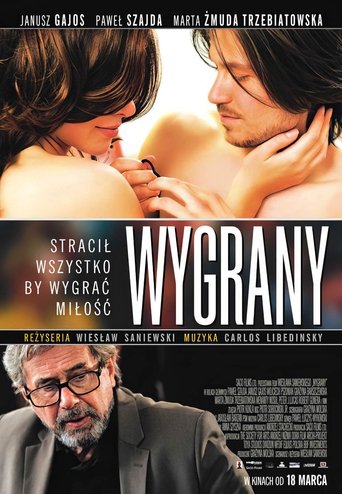 6.7
6.7Oliver is a talented young pianist of Polish American heritage. After breaking off his European tournée, he is forced to repay the tour organizers 250 thousand Euros. On his journey, he meets the very colorful character of a retired high school math teacher and a great enthusiast of the horse races. He dreams of returning to America as a somebody, but can only do so after wining a momentous prize. From then on the two friends endeavor to gain success. They discover true friendship. Together they fulfill Franks dream of winning at the horse races, which in turn allows Oliver to buy back his personal freedom. Having recovered from a dramatically ended marriage, the young man is able to open up to a new love.
The Winner
2011
2000s · 11 titles
 6.0
6.0Polish-born Russian subject Cezary Baryka comes of age during a tumultous period of ten years from 1914 to 1924, during which he witnesses revolution, rebirth of Poland, war with the Soviets and communist plots.
Przedwiośnie
2001
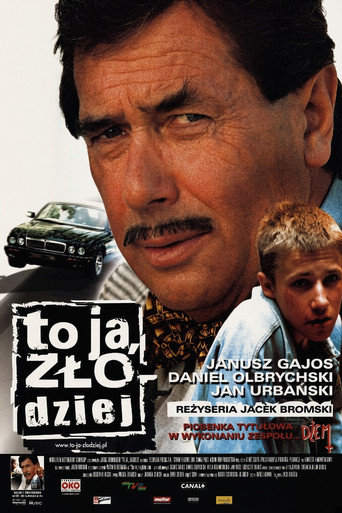 6.5
6.5A teenager works in a car repair shop and makes a living from petty thefts. In order to impress the boss of a gang of car thieves, he decides to steal a jaguar. What’s more, he can realize his grandmother's dream – he can drive her to mass in the basilica.
It's Me, the Thief
2000
 5.2
5.2There is a writer who in the late 1970s managed to publish a poem in the monthly "Nowy Wyraz". It was enough to become a self-confessed writer whose name began to appear in the state media. The writer takes full advantage of his privileges - he flirts with power, sympathizes with the opposition, and collapses his studies at the same time. He is saved from going to the army by an exalted essayist whose sister is the head of the psychiatric hospital in Tworki. In a psychiatric institution, a writer meets a schizophrenic who writes a novel. After his suicide, the protagonist takes over the draft, which he publishes outside of censorship under his name, thanks to which he gains fame, fame and money. August '80 breaks out....
Lesser Evil
2009
 5.7
5.7A winter day at a Polish castle, half owned by a fatalistic notary and half by a volcanic old soldier's niece. The old soldier, Cupbearer, and the notary are sworn enemies, which may doom the love between the niece, Klara, and the notary's son, Waclaw. On this day, the tongue-tied Cupbearer asks a braggart courtier, Papkin, to sue on his behalf for the hand of the widow Hanna. Papkin succeeds and
The Revenge
2002
 5.5
5.5The film is based on the well-known, translated into many languages novel of writer Pawel Huelle. It is imbued with nostalgia and the atmosphere of mystery story of a group of children, fascinated by the figure of a man named David Weiser.
Weiser
2001
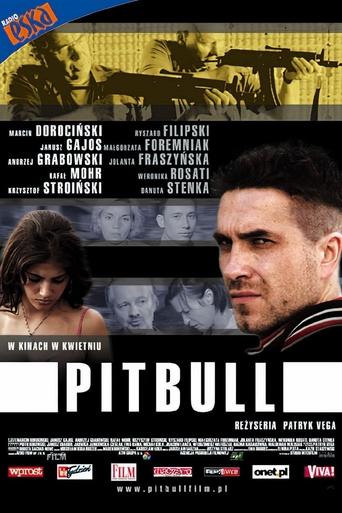 6.4
6.4Police officers from the Warsaw Homicide Department are trying to arrest a dangerous Armenian criminal.
Pitbull
2005
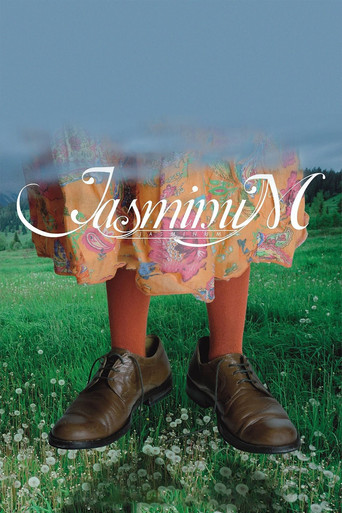 6.2
6.2The peaceful world of a monastery, in a small town Jasmine, is destroyed by the arrival of monument restorers, Natasha, along with her daughter Eugenia. The legend associated with the monastery bode revelation in him a saint in the near future. Despite initial reluctance, Natasha starts the maintenance of the image stored there. The secrets of the monastery are unraveled: the unhappy lovers bodies placed in the catacombs, the secret elixir of love, created with the smell of the monks.
Jasminum
2006
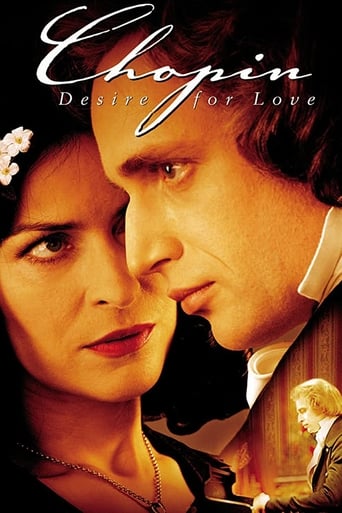 5.2
5.2The biography of world famous Polish composer Fryderyk Chopin.
Chopin: Desire for Love
2002
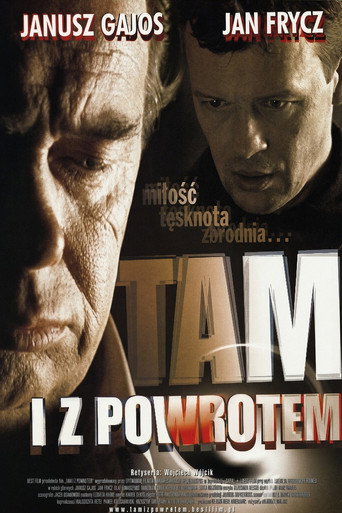 7.4
7.4In the mid-1960s, a respected surgeon dreams of leaving Poland to see his wife and daughter in England. To get the money for his escape, he needs to consider taking part in a bank robbery.
There and Back
2002
The play by Wojciech Tomczyk. The topic taken up by Wojciech Tomczyk is a very hot one, dealing with the still painful settlements with the People's Republic of Poland, the problem of victims and executioners, entangled in the communist and post-communist system. A retired military counterintelligence officer is approached by a journalist. Hanka wants to get information about the colonel with whom our retiree met at the infantry school, where they studied since the fall of 1953. Stefan Kolodziej, however, has other plans. He wants to tell Hanka his biography, which is suspiciously intertwined with the journalist's life. The Colonel's confession reveals the horrifying cesspool of communism: finished people, destroyed families and careers.
Norymberga
2006
 6.6
6.6The main character - a man who suffers from alcoholism - wants to change his tumultuous life. The day before Christmas Eve he receives a gift from his son - a yellow scarf. A gift is a kind of talisman he receives from loved ones, and every time he loses it. When after another banquet he falls into delirium, his ex-wife and secretary bring him to his mother. She helps him to sober up and arranges holiday celebration for two of them. She gives her son another yellow scarf, in belief that it will help him break the pernicious habit.
The Yellow Scarf
2000
1990s · 10 titles
7.4Polish immigrant Karol Karol finds himself out of a marriage, a job and a country when his French wife, Dominique, divorces him after six months due to his impotence. Forced to leave France after losing the business they jointly owned, Karol enlists fellow Polish expatriate Mikołaj to smuggle him back to their homeland.
Three Colors: White
1994
 7.5
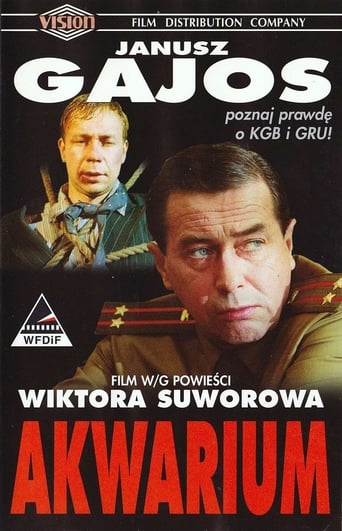
7.5Film based on the book of Viktor Suvorov, a former Soviet military intelligence officer. The story of the strange friendship between the two GRU officers. That relationship began in the Soviet military range where daring young officer Witek action drew the attention of Colonel Kravcov. With the protection of Colonel Witek gets to the interview. Price to be paid for this "favor" is the total loyalty to his patron.
Aquarium
1996
 7.0
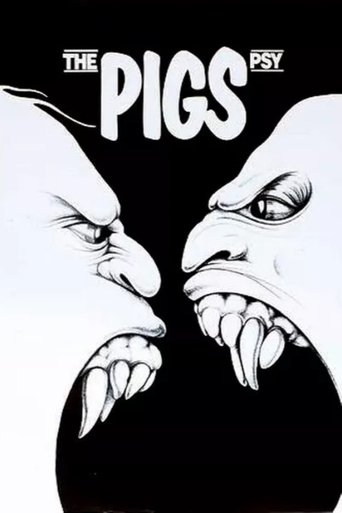
7.0In post-communist Poland, former secret police agent Franz Maurer works as a regular cop pursuing a major drug ring. As he and his old comrades lose their privileges and face public scorn in the new reality, Franz realizes that some of his former colleagues are now on the opposite side of the law.
The Pigs
1992
 7.5
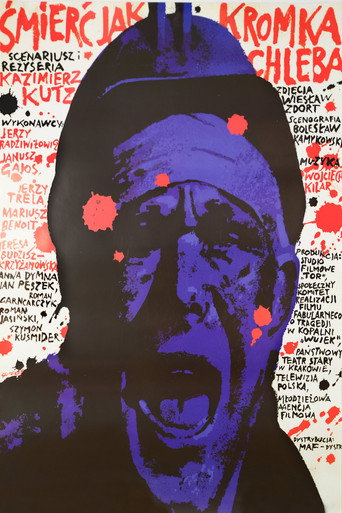
7.5Katowice, the night of December 12-13, 1981. Military units occupy strategic points in the city. A group of Zomovniks, smashing union security, drags the chairman of the Company Commission of the NSZZ Solidarity in the Wujek mine out of his apartment. The news quickly spreads to the miners. Initially surprised, they soon react with spontaneous protest. On December 14, a strike breaks out at the plant. The miners demand the lifting of martial law and the release of the chairman. When negotiations fail, the army, ZOMO and militia storm the mine.
Death as a Slice of Bread
1994
 5.5
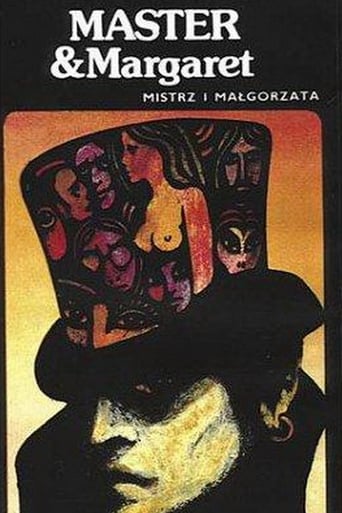
5.5The Master and Margarita (Mistrz i Małgorzata) is a four-part Polish television production based on the novel by Mikhail Bulgakov.
The Master and Margarita
1990
 5.8
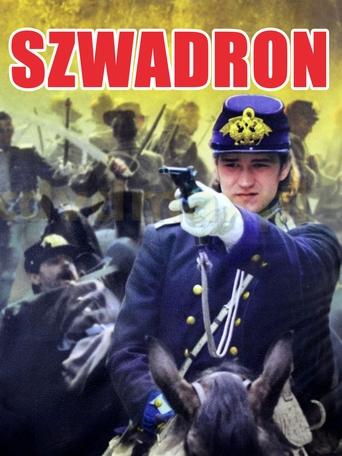
5.8A young Russian aristocrat, Baron Fyodor Jeremin, volunteers to serve with a Dragon squadron to impress the girl who rejected his love. Just at this time the 1863 insurrection explodes in Poland. He enlists to serve in the army being sent to suppress the revolt. He believes that now it's enough to defeat the Poles, become an officer and hero, get a bunch of medals, and then return and lay all of this at the feet of her beloved. However, the "little Polish war" looks completely different to the way that young Jeremin imagined it to be. In course of time, he learns to be on the wrong side. But there is no escape - he must kill or he will be killed. What's more, he falls in love with a beautiful Polish girl...
Squadron
1992
 6.3
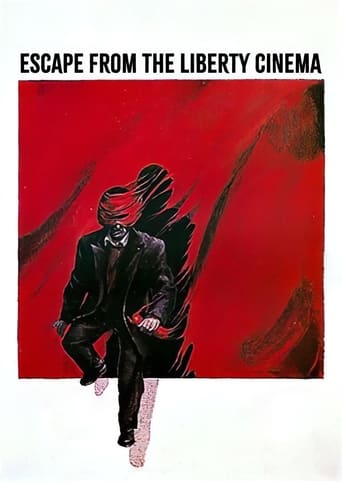
6.3The screening of a movie "Daybreak" at the "Liberty" Cinema is interrupted by an unusual event - actors come to life on the screen, start conversations among themselves, draw the audience into them. Crowds gather around the cinema, the relevant authorities and services wonder what to do in this complicated situation. Also arriving is the censor, a man reaching his fifties, a one-time literary critic and journalist. The line between fiction and reality begins to blur.
Escape from the Liberty Cinema
1990
 6.0
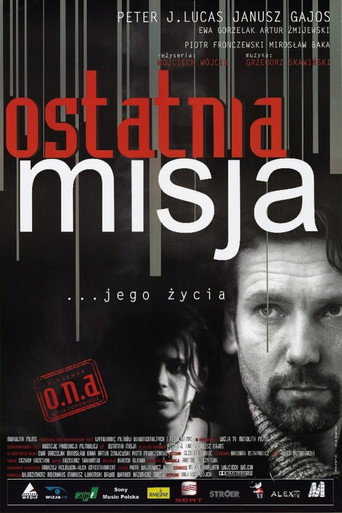
6.0Andre, an assassin working on behalf of French government goes to Poland to kill Polish businessman Muran.
Last Mission
1999
 8.5
8.5A grieving man tries to find the cause of his young wife's suicide by spending the night next to her dead body and bringing back memories from their past.
A Gentle Creature
1996
 6.0
6.0Further fate of Dzidzius Górkiewicz, the protagonist of Andrzej Munk's film "Eroica". After retiring, Górkiewicz moved to a small town near Warsaw. After years filled with doing numerous, not always clean businesses, he leads a quiet, honest life of a provincial. A group of local businessmen see him as an ideal candidate for the new mayor. Gorkiewicz himself is undecided about what to do. Then he dreams of a meeting of the municipal council, where he wants to present his program.
Straszny sen Dzidziusia Górkiewicza
1994
1980s · 17 titles
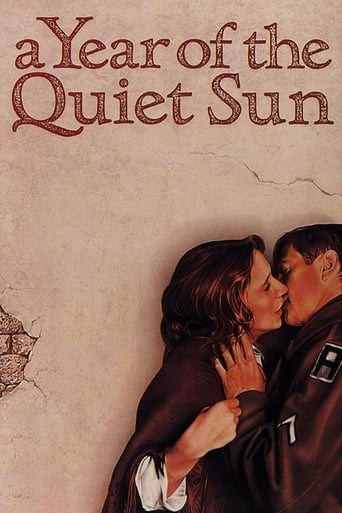 6.5
6.5Shortly after World War II an American soldier (Norman) and a Polish refugee (Emilia) fall in love. Eventually he will return to the U.S. and both expect that she will soon follow him with her mother. Emilia's mother is sick, but will recover with the right medicine. But the mother, and not Emilia, knows that there will only be one ticket...
A Year of the Quiet Sun
1984
 6.8
6.8Poland, Christmastime. A band of hyperintelligent, bloodthirsty Martians take over the country and enlist hapless television newscaster Iron Idem as the voice of their propaganda machine. But when Iron dares to go off message, he makes an enemy even greater than the aliens—the state itself.
The War of the Worlds: Next Century
1981
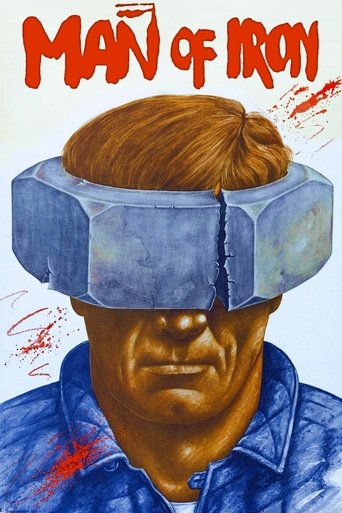 7.0
7.0In Warsaw in 1980, the Communist Party sends disgruntled radio reporter Winkel to Gdańsk to dig up dirt on the shipyard strikers - particularly on Maciek Tomczyk, an independent labour union leader whose father was killed in the December 1970 protests. Posing as sympathetic, Winkel interviews the people surrounding Tomczyk, including his detained wife, Agnieszka.
Man of Iron
1981
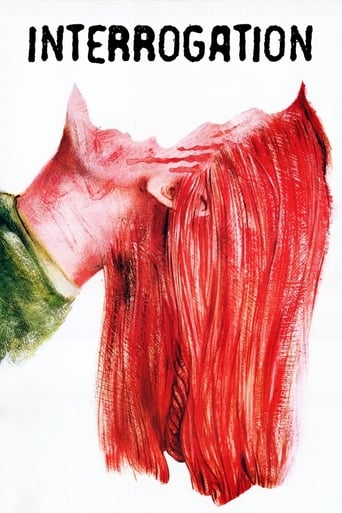 7.1
7.1In Stalinist Poland, cabaret singer Tonia decides to spend the evening drinking with a group of friends. The next morning, she awakes to find that, for reasons unknown to her, she has been jailed as a political prisoner. As prison officials interrogate, torture and humiliate her, she fights for survival and to maintain her innocence by refusing to sign a false confession. As her years of imprisonment pass, her relationship with her captors grows more complicated.
Interrogation
1989
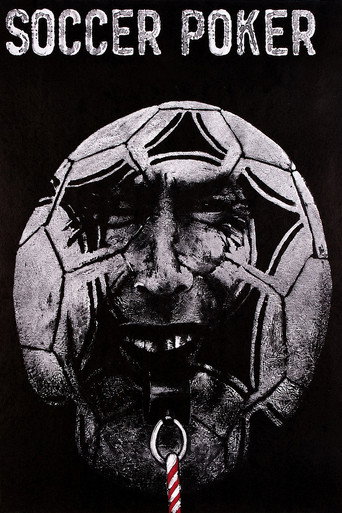 7.2
7.2Laguna was once a great soccer player whose career was interrupted by an injury. He spent years climbing the ranks to become an international referee. He sees the prevailing arrangements, manipulations, and bribery around him. Now desperate, he decides to stage an extraordinary culmination of his career: he wants to create a so-called "miracle Sunday" by "printing" the final round of games - taking substantial bribes from the interested clubs and manipulating the matches so that the results align in the order he set up.
Soccer Poker
1989
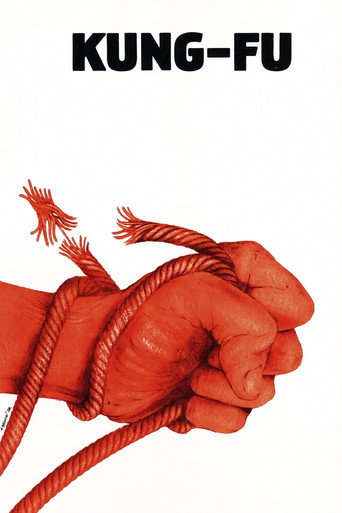 6.5
6.5A well-regarded engineer in a big enterprise is hounded by trumped up attacks on his integrity when he delves too deeply into how bonuses are handled by the management. He gets into an argument with the guard, is arrested and subsequently fired. An old friend, a journalist, tries to sort things out but the victim's stubbornness and past problems with his wife lead to lossess by both.
Kung-Fu
1980
 7.8
7.8A father and daughter, Michał and Anka, have a unique intimacy, which the college-aged Anka is beginning to feel conflicted about. When she finds an unopened letter from her deceased mother, it seems to justify her attraction to Michał, who may not in fact be her father.
Decalogue IV
1989
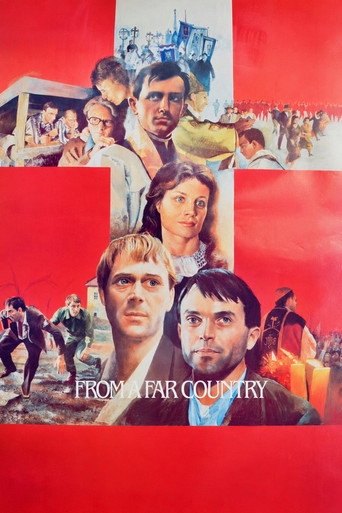 4.6
4.6This heroic story follows the life of Karol Wojtyla, a Polish Roman catholic who ascends the throne of St. Peter as Pope John Paul II. As a young boy, Karol is a bright and talented student. Archbishop Sapieha recognizes the very special, moving qualities Karol possesses and encourages him to consider the priesthood. Although determined to study Polish literature, Karol turns to the church; he is ordained and studies in Italy, France, and Belgium. Torn by fear and repression in post-Stalin Eastern Europe, Karol becomes a poisonous thorn in the communists' side. His deer reverence and commitment return him to Poland as Pope John Paul II.
From a Far Country
1981
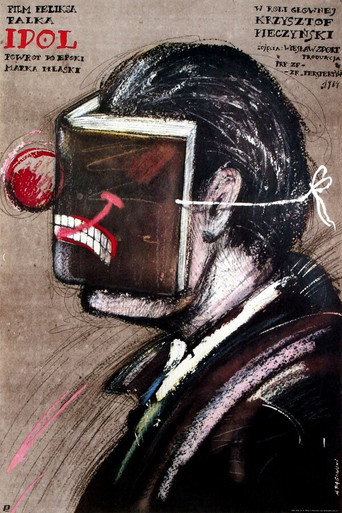 6.0
6.0In 1969 a young writer decides to write an essay on a well known Polish writer, who had to leave the country in the 50's, later living, working and dying in exile. He slowly assembles the character and even the exterior appearances of his idol until his own identity tragically disappears.
Idol
1985
 6.0
6.0Michal Szmańda suffers from epilepsy, depression and other conditions. He is cared for by his sister Aniela. The only bright ray in her life is the "garden" arranged in the kitchen. They do not live with their mother. When they were children, and this was in Stalinist times, the mother was a labor leader. Possessed by the new ideology, she neglected the house and children. When little Michael was sent to a sanatorium, his mother did not visit him at Christmas. This caused trauma for the rest of his life.
Wahadełko
1981
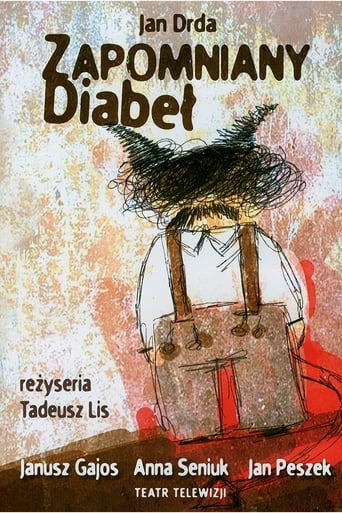 NR
NRNo synopsis available yet.
Zapomniany diabeł
1985
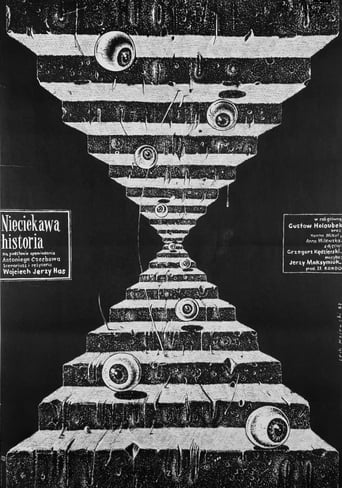 6.3
6.3A well-known professor of medicine finding himself at the threshold of autumn of his life, takes stock of his achievements and experiences. "In the end it ends with what has been known for a long time: that conscious life without a fixed worldview is not life, but torment, horror. - wrote Anton Chekhov in one of his letters summarizing "An Uninteresting Story". The protagonist, Professor Nikolai Stepanovich, is a character characteristic of Chekhov's entire oeuvre - a Russian intellectual from the late nineteenth century, depressed by boredom and a sense of his own uselessness and the meaninglessness of his existence.
An Uneventful Story
1983
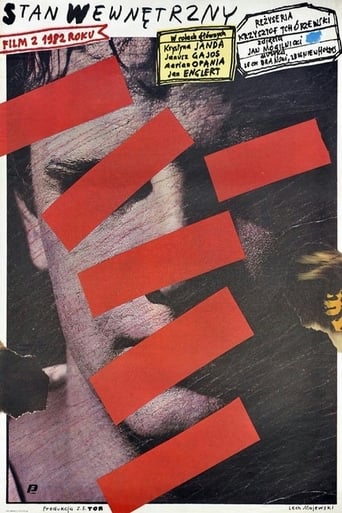 9.0
9.0December, 1981. World-class champion Ewa Jaskólska is looking forward to a cruise around the world with her yacht. At her farewell party, several people are present that are connected to the new Solidarnośc movement. The guests are filmed by a TV journalist. The introduction of the martial law in Poland leads to problems for all people involved. Can Ewa go back to her home country after these dramatic changes in Poland?
Inner State
1989
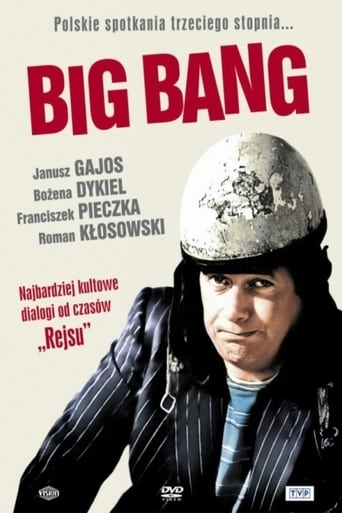 6.7
6.7A UFO lands at night in a typical Masovian village. The villagers feel honored and want to be as hospitable as possible for the unexpected alien guests.
Big Bang
1986
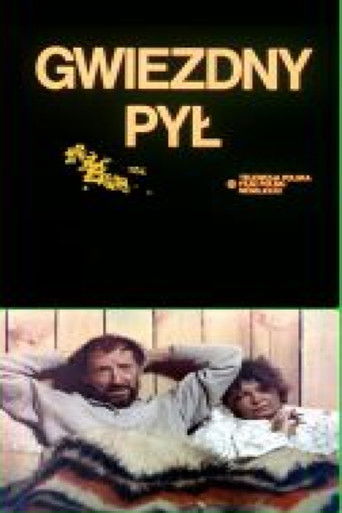 6.6
6.6An odd couple of old people lead their simple lives close to nature. The man is an amateur constructor and his goal now is to build a small river dam to produce electricity for his country house.
Stardust
1982
 6.2
6.2A violinist in a provincial Polish orchestra, whose husband is the director of the ensemble, on a visit to the US ties up with the world- renowned symphony conductor. As it turns out he was once in love with violinist's mother. The conductor, a slightly unstable hypochondriac, returns to Poland to lead the provincial orchestra. He also tries to revive old love affair using the violinist as a surrogate of her mother. Her husband is resentful of the conductor for both personal and professional reasons.
The Conductor
1980
 NR
NRAn adaptation of the 1869 novel ‘The Idiot’ by Fyodor Dostoevsky.
Myshkin
1986
1970s · 5 titles
 5.8
5.8A young militia lieutenant goes undercover as a journalist to investigate a Zakopane smuggling ring.
Kocie ślady
1971
 7.0
7.0A mysterious Mania appears in Warsaw. The girl, together with the other children, experiences amazing adventures.
Zaczarowane podwórko
1974
 7.3
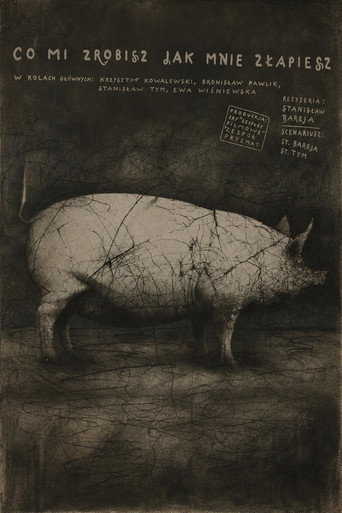
7.3Tadeusz Krzakoski, the director of a failing state-owned company, is married with problems. His mistress, the daughter of a Communist party bigwig, says she's pregnant and Tadeusz knows he'll have to marry her to save his reputation and his job. But divorce is never simple and Bareja's screwball comedies are never boring.
What Will You Do When You Catch Me?
1978
 8.0
8.0Żagota lost his fortune, family and friends. His only hope is a horse which got stolen.
Beniamiszek
1976
 5.2
5.2A former partisan now 38 years old remembers his childhood in the war.
The Card Index
1979
1960s · 6 titles
 6.9
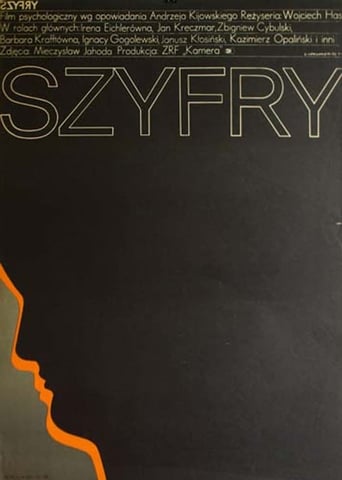
6.9An elderly man returns to Poland to find his long-lost son, missing since World War II. In his quest the man is forced to contemplate the elusive and coded nature of truth itself.
The Codes
1966
 NR
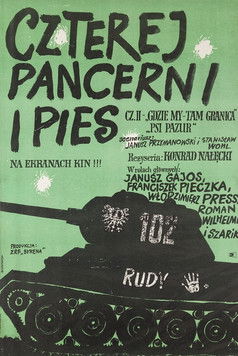
NRThe second of four theatrically released episode compilations of the TV series, featuring episodes 3 and 4.
Four Tankmen and a Dog Part Two
1968
 9.0
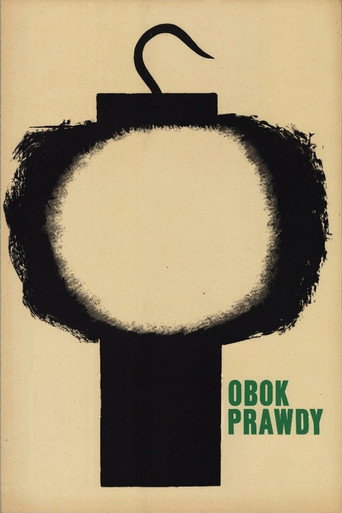
9.0After a disaster in the mine, Łopot, a technician, protects the perpetrator. He soon faces a moral dilemma.
Obok prawdy
1965
 6.8
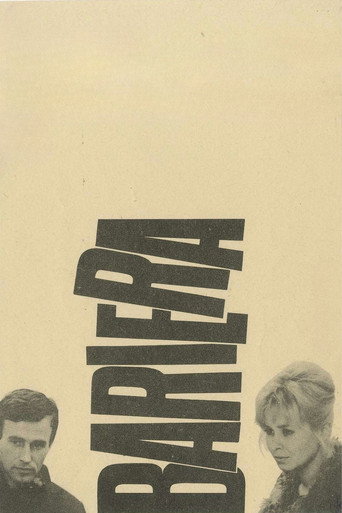
6.8A dream-like meditation on post-industrial life in Communist Poland.
Barrier
1966
 NR
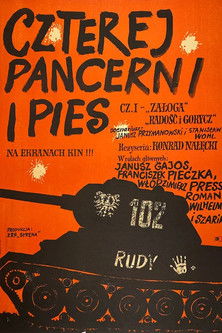
NRThe first of four theatrically released episode compilations of the TV series, featuring episodes 1 and 2. “The plot follows the adventures of the heroic crew of the Soviet tank “Rudy” and their loyal dog Szarik as they fight across the Eastern Front in World War II, blending thrilling battles with moments of friendship, compassion, and youthful innocence.
Four Tankmen and a Dog Part One
1968
 9.0
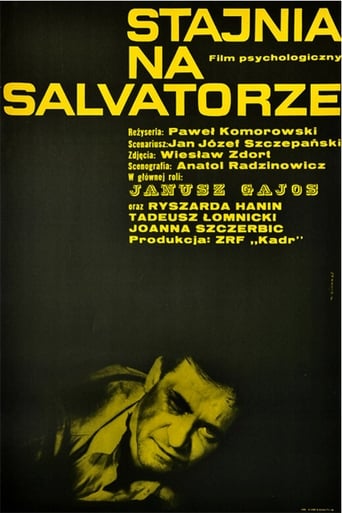
9.0WWII. Zyga, one of the Resistance soldiers in Kraków is arrested by Gestapo. Soon later the Germans make a number of other arrests and Zyga is accused of being an informer.
Stajnia na Salvatorze
1967
Series credits
8.3The Ten Commandments, exact and uncompromising, literally cast in stone, continues to provide a source of moral conflict in contemporary society. In the ten part collection of films, The Decalogue, Krzysztof Kieślowski examines the dilemma of fundamental sin in the lives of ordinary Warsaw citizens.
Dekalog
1989
6.8The town is shocked with a brutal double murder. The "Courier" hands the case to an experienced journalist - Witold Wanycz. At the same time, he learns about the mysterious suicide of two teenagers. Together with Piotr, a young journalist, they start their own investigation.
The Mire
2018
6.8The town is shocked with a brutal double murder. The "Courier" hands the case to an experienced journalist - Witold Wanycz. At the same time, he learns about the mysterious suicide of two teenagers. Together with Piotr, a young journalist, they start their own investigation.
The Mire
2018
7.8Exploring one of the defining features of modern society, therapy, as seen through the eyes of a psychiatrist whose professional and personal life is on the verge of collapse.
In Treatment
2011
7.5The dark world of crime: murders, racketeering, drugs, kidnappings. There are no rules here. Working in this world makes cops cynical and ruthless. There is a fine line between them and criminals - will any of them cross it? The main characters are officers from the Department for Counteracting Criminal Terror and Homicides. The action of the series is an extension of the threads that appear in the feature film. It presents in a realistic way the brutal and dark world of crime that officers encounter on a daily basis. They're not just tracking down murderers. They fight racketeering, kidnapping, drug trafficking while struggling with their own day to day life and problems.
Pitbull
2005
7.8Czterej pancerni i pies was a Polish black and white TV series based on the book by Janusz Przymanowski. Made between 1966 and 1970, the series is composed of 21 episodes of 55 minutes each, divided into three seasons. It is set in 1944 and 1945, during World War II, and follows the adventures of a tank crew and their T-34 tank in the 1st Polish Army. Although both the book and the TV series contain elements of pro-Soviet propaganda, they have achieved and retain a cult series status in Poland, Soviet Union and other Eastern Bloc countries. The T-34 tank Rudy with the identifying number "102", a German Shepherd dog from Siberia Szarik and to a lesser extent the crew Jan Kos, Gustaw Jeleń, Grigorij Saakaszwili, Tomasz Czereśniak, and their commander and mentor Olgierd Jarosz, as well as other heroes of the series, have become icons in Polish popular culture.
Four Tank-Men and a Dog
1966
 7.3
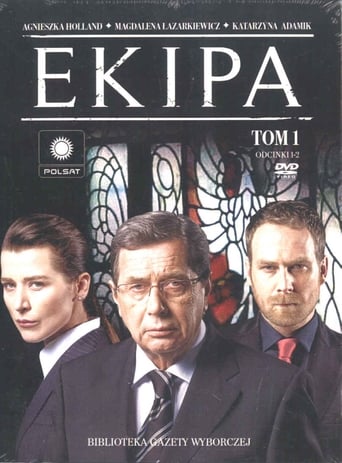
7.3Ekipa is a Polish political drama TV series created and directed by Agnieszka Holland, aired from 13 September 2007 until 6 December 2007 on Polsat. Ekipa is the second Polish political fiction series after the 1980s miniseries The Career of Nicodemus Dyzma.
Ekipa
2007
7.3Ekipa is a Polish political drama TV series created and directed by Agnieszka Holland, aired from 13 September 2007 until 6 December 2007 on Polsat. Ekipa is the second Polish political fiction series after the 1980s miniseries The Career of Nicodemus Dyzma.
Ekipa
2007
 6.1
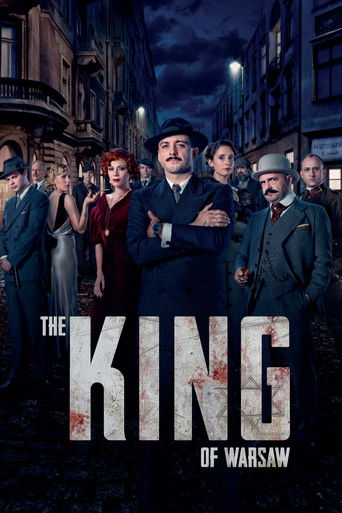
6.11937 Warsaw, Poland. The Jewish mafia rules the city. Head honcho is gangster socialist, Buddy Kaplica. His right-hand man, boxer, Jakub Szapiro who dreams of taking over Buddy's top spot as King of Warsaw.
The King of Warsaw
2020
 8.1
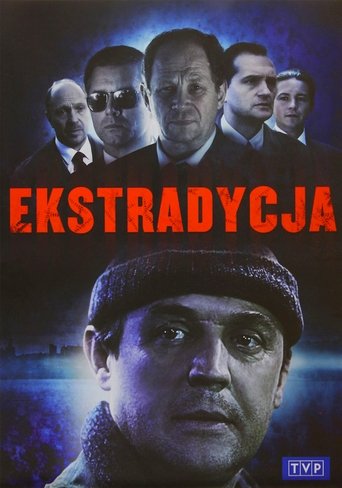
8.1One of the most important action series created during the transition period. It brilliantly and credibly portrays the realities of the 1990s and the work of police officers in a new reality, one in which entirely new criminal groups emerged – drug dealers and warring gangs.
Ekstradycja
1995
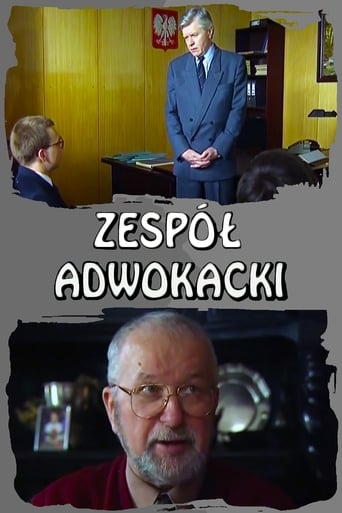 8.0
8.0A story about the professional and personal struggles of the lawyers at a law firm in a town near Warsaw. In their work, they encounter a wide range of human problems, while often dealing with complicated family lives of their own.
Zespół adwokacki
1994
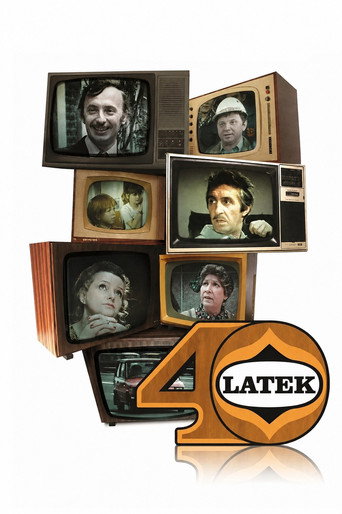 7.6
7.6Czterdziestolatek or 40-latek was a Polish television comedy series broadcast between 1974 and 1977. The first series enjoyed so much popularity that it has successfully continued and led to the release of a feature film I'm a Butterfly, a 40-year-old Love Affair and a New Year's Eve television program in 1975. The series was written by Jerzy Gruza and Krzysztof Teodor Toeplitz and was broadcast on Telewizja Polska. In total, 21 episodes were produced. The series followed the fate of a Warsaw family and explored topics related to midlife crisis, such as extra-marital affairs, attempts to quit smoking, obsession with hair loss, efforts to maintain physical fitness, pride in achievements and professional life, the desire to seek self-fulfillment through social activities, etc.
Czterdziestolatek
1975
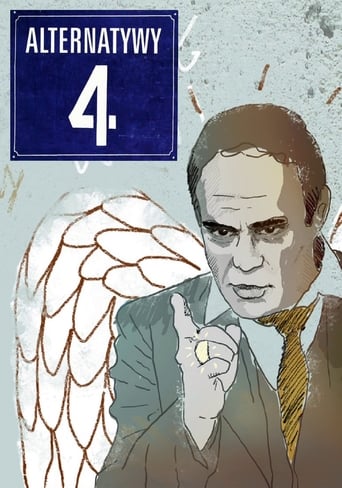 8.4
8.44 Alternative Street was a Polish comedy TV show that was finished in 1983 and aired in 1986 due to censorship. Many famous Polish actors appeared in the series. The filming location used in the mini series was a residential complex which is still in existence at 3 Grzegorzewska Street in Warsaw, Poland. The series was a satire to the communist rule in Poland, spoken in a way that it passed through communist censorship office.
4 Alternative Street
1986
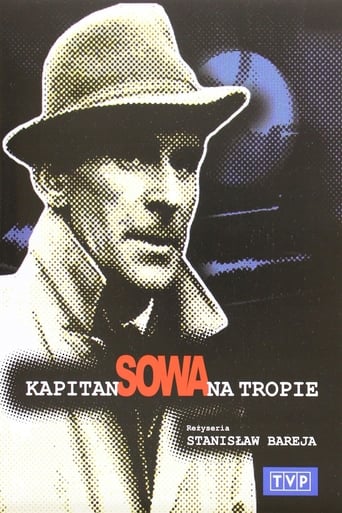 7.2
7.2Kapitan Sowa na tropie is a Polish series from 1965 directed by Stanisław Bareja. It was the first Polish criminal series made after World War II.
Kapitan Sowa na tropie
1965
7.2Kapitan Sowa na tropie is a Polish series from 1965 directed by Stanisław Bareja. It was the first Polish criminal series made after World War II.
Kapitan Sowa na tropie
1965
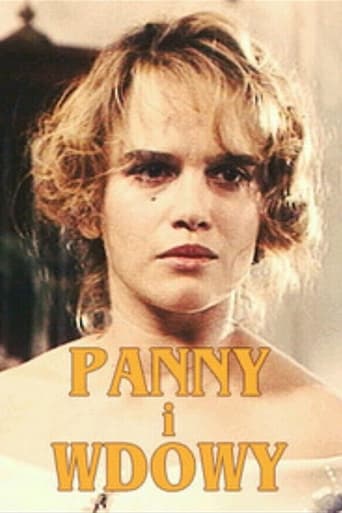 6.0
6.0An epic tale of a hundred years of Polish history from the perspective of women, the titular maidens and widows. Set against the backdrop of turbulent historical events.
Panny i wdowy
1992
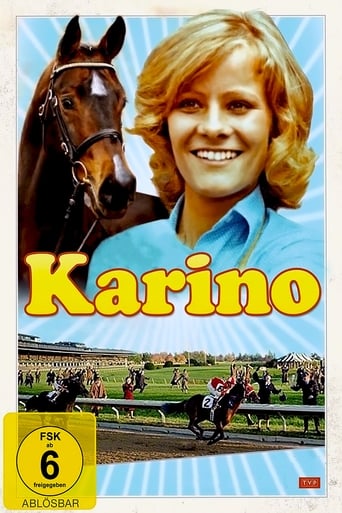 6.0
6.0The horse Karino is born during winter and when his mother dies, a young woman starts to care for the helpless foal. Their adventures together are followed during the years to come, from the age of a newborn to the time when Karino’s a full-grown competition horse.
Karino
1975
No synopsis available yet.
The Butler
2022
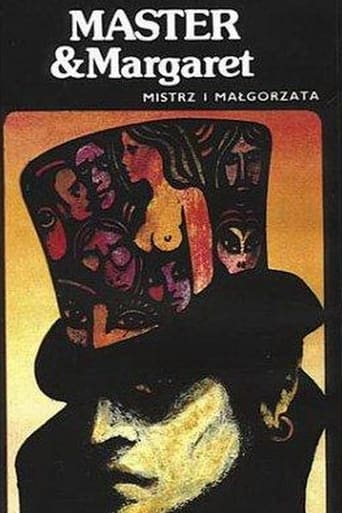 NR
NRThe Master and Margarita is a Polish television production of Polish Film Producers Teams, based on the novel by Mikhail Bulgakov.
The Master and Margarita
1990
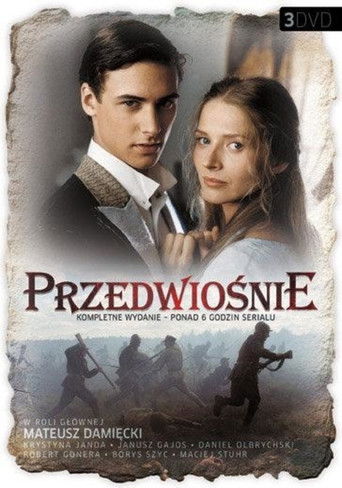 NR
NRNo synopsis available yet.
Przedwiośnie
2002
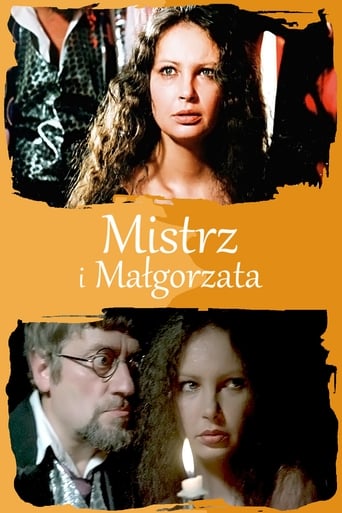 NR
NRNo synopsis available yet.
Mistrz i Małgorzata
1990
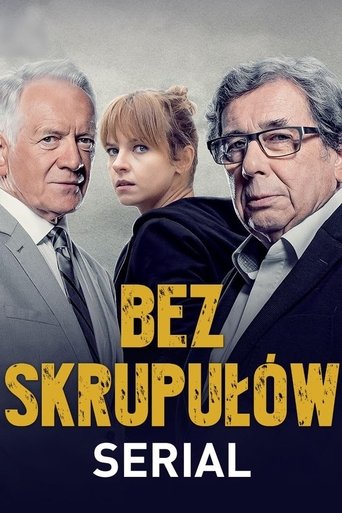 3.5
3.5No synopsis available yet.
Bez skrupułów
2020
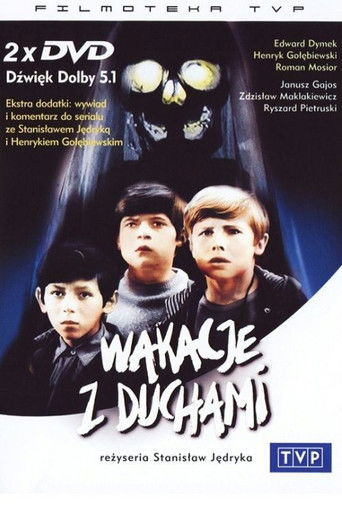 8.2
8.2Three boys are investigating a ruins of the old fortress during summer vacations.
Vacations with Ghosts
1970