
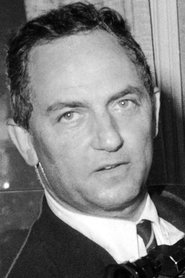
Directing
François Reichenbach
Born — Died
1921-07-03 — 1993-02-02
Place of birth
Paris, France
Known for
Directing
Credits
54 titles
François Arnold Reichenbach (3 July 1921 – 2 February 1993) was a French film director, cinematographer producer and screenwriter. He directed 40 films between 1954 aEarly life François Reichenbach was born in 1921 in Neuilly-sur-Seine. His father Bernard Reichenbach was a successful businessman and his mother Germaine Angèle Sarah Monteux had a passion for music, which she passed on to young François. His maternal grandfather Gaston Monteux was a wealthy industrialist: he was one of the first to buy paintings by Chagall, Braque, Picasso, Soutine, Utrillo and Modigliani. In his memoirs François Reichenbach says: "At the age of five I was terrified by all the faces in the paintings. And I b…
Known for
 9.5
9.5Marcello Mastroianni, Isabelle Adjani, Alain Delon, Martin Scorsese, Woody Allen... the biggest stars in cinema were welcomed by Christian Defaye on his show Spécial cinéma. Between intimate confessions from actors and immersion in the world of the greatest filmmakers, Christian Defaye took viewers on a journey into the fascinating world of cinema for nearly thirty years.
Spécial cinéma
1974
 5.7
5.7No synopsis available yet.
Sacrée soirée
1987
 8.5
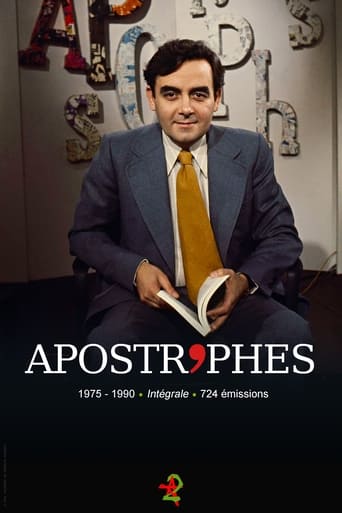
8.5Apostrophes was a live, weekly, literary, prime-time, talk show on French television created and hosted by Bernard Pivot. It ran for fifteen years (724 episodes) from January 10, 1975, to June 22, 1990, and was one of the most watched shows on French television (around 6 million regular viewers). It was broadcast on Friday nights on the channel France 2 (which was called "Antenne 2" from 1975 to 1992). The hourlong show was devoted to books, authors and literature. The format varied between one-on-one interviews with a single author and open discussions between four or five authors.
Apostrophes
1975
 8.0
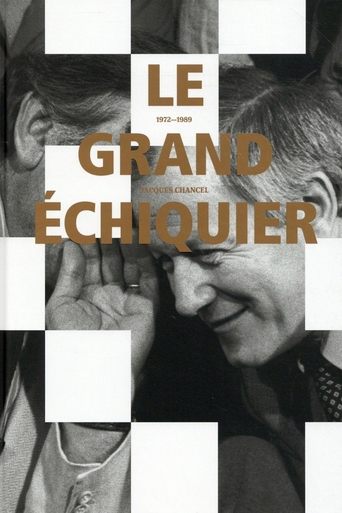
8.0Le Grand Échiquier is a French variety television program created and presented by Jacques Chancel. It aired at 8:30 pm on the first channel of the ORTF from January 12, 1972 to July 12, 1972, then on the second color channel of the ORTF from September 1972 to December 1974, and finally on Antenne 2 from January 1975 to December 21, 1989. The program returned to France 2 on December 20, 2018 and is hosted by Anne-Sophie Lapix.
Le Grand Échiquier
1972
No synopsis available yet.
Samedi soir
1971
 8.7
8.7No synopsis available yet.
Cinépanorama
1956
Film credits

1970s · 3 titles
 7.4
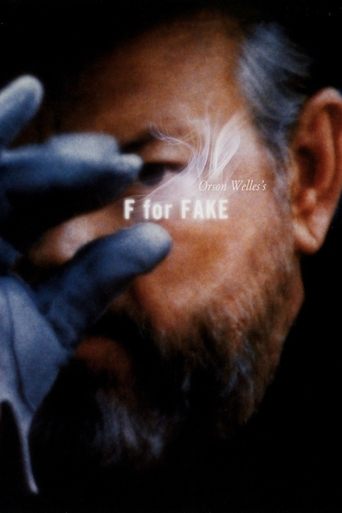
7.4Documents the lives of infamous fakers Elmyr de Hory and Clifford Irving. De Hory, who later committed suicide to avoid more prison time, made his name by selling forged works of art by painters like Picasso and Matisse. Irving was infamous for writing a fake autobiography of Howard Hughes. Welles moves between documentary and fiction as he examines the fundamental elements of fraud and the people who commit fraud at the expense of others.
F for Fake
1973
 9.3
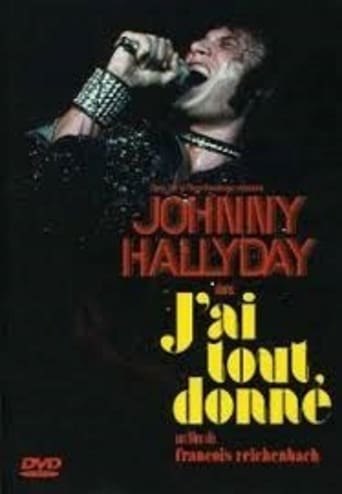
9.3An intimate cinéma vérité style documentary following french mega star Johnny Hallyday's summer tour.
J'ai tout donné
1972
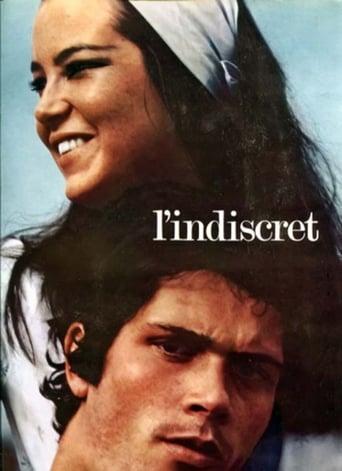 7.0
7.0Study of the passengers of a steamship during a Mediterranean cruise. (uniFrance)
L’Indiscret
1974
1960s · 2 titles
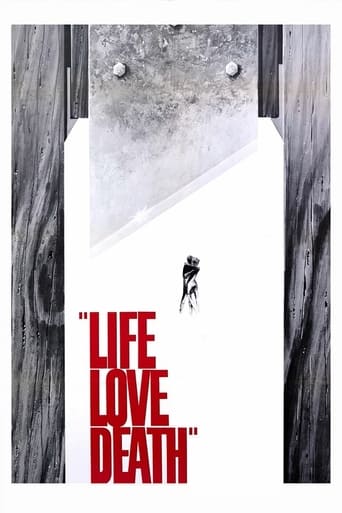 5.5
5.5François Toledo, married businessman and father, falls head-over-heels in love with Janine, a work colleague. However, he is soon found out: after three dates, he strangles some prostitutes, when, the victim of blackmail, he becomes dishonored. He is taken to court, and sentenced to be killed by a guillotine.
Life Love Death
1969
 NR
NRA documentary, originally produced in 1966 for the French TV series "Pour le plaisir," about Robert Bresson's film "Au Hasard Balthazar," featuring interviews and discussions with Bresson, Jean-Luc Godard, Louis Malle, Marguerite Duras and others.
Un metteur en ordre: Robert Bresson
1966
Series credits
9.5Marcello Mastroianni, Isabelle Adjani, Alain Delon, Martin Scorsese, Woody Allen... the biggest stars in cinema were welcomed by Christian Defaye on his show Spécial cinéma. Between intimate confessions from actors and immersion in the world of the greatest filmmakers, Christian Defaye took viewers on a journey into the fascinating world of cinema for nearly thirty years.
Spécial cinéma
1974
5.7No synopsis available yet.
Sacrée soirée
1987
8.5Apostrophes was a live, weekly, literary, prime-time, talk show on French television created and hosted by Bernard Pivot. It ran for fifteen years (724 episodes) from January 10, 1975, to June 22, 1990, and was one of the most watched shows on French television (around 6 million regular viewers). It was broadcast on Friday nights on the channel France 2 (which was called "Antenne 2" from 1975 to 1992). The hourlong show was devoted to books, authors and literature. The format varied between one-on-one interviews with a single author and open discussions between four or five authors.
Apostrophes
1975
8.0Le Grand Échiquier is a French variety television program created and presented by Jacques Chancel. It aired at 8:30 pm on the first channel of the ORTF from January 12, 1972 to July 12, 1972, then on the second color channel of the ORTF from September 1972 to December 1974, and finally on Antenne 2 from January 1975 to December 21, 1989. The program returned to France 2 on December 20, 2018 and is hosted by Anne-Sophie Lapix.
Le Grand Échiquier
1972
No synopsis available yet.
Samedi soir
1971
8.7No synopsis available yet.
Cinépanorama
1956
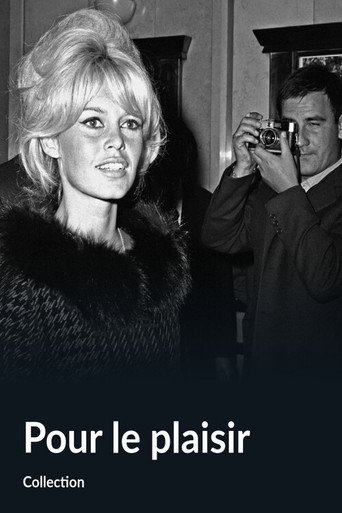 NR
NRNo synopsis available yet.
Pour le plaisir
1964
Behind the camera
7.4Documents the lives of infamous fakers Elmyr de Hory and Clifford Irving. De Hory, who later committed suicide to avoid more prison time, made his name by selling forged works of art by painters like Picasso and Matisse. Irving was infamous for writing a fake autobiography of Howard Hughes. Welles moves between documentary and fiction as he examines the fundamental elements of fraud and the people who commit fraud at the expense of others.
F for Fake
1973
7.4Documents the lives of infamous fakers Elmyr de Hory and Clifford Irving. De Hory, who later committed suicide to avoid more prison time, made his name by selling forged works of art by painters like Picasso and Matisse. Irving was infamous for writing a fake autobiography of Howard Hughes. Welles moves between documentary and fiction as he examines the fundamental elements of fraud and the people who commit fraud at the expense of others.
F for Fake
1973
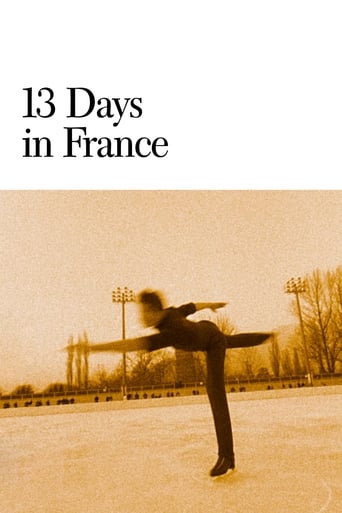 6.7
6.7This colorful documentary chronicles the events of the 1968 Winter Olympics in France. The events made international celebrities of skater Peggy Fleming and skier Jean-Claude Killy for their gold-medal performances. The camera accurately catches the speed of bobsleds and downhill racers and ski jumpers as they race for the gold. President Charles DeGaulle is shown observing the action over 13 days, which saw France earn the best performance to date in the winter games.
13 Days in France
1968
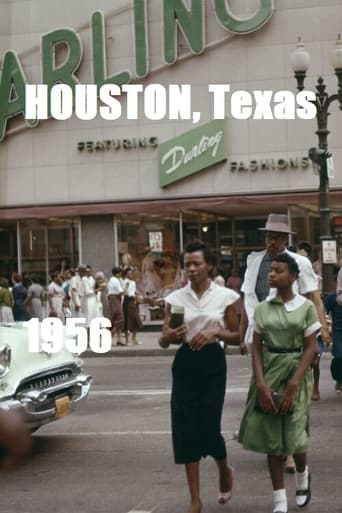 8.0
8.0A report on this extraordinary boom town that owes its fortune to oil.
Houston Texas
1956
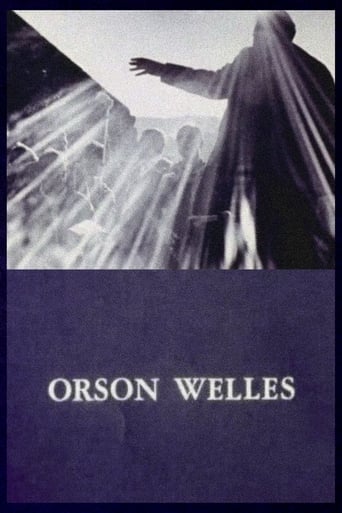 6.9
6.9Excerpts and fragments from different interviews with Orson Welles making a statement to journalists in fluent French about his career and his conception of life.
Portrait: Orson Welles
1968
6.9Excerpts and fragments from different interviews with Orson Welles making a statement to journalists in fluent French about his career and his conception of life.
Portrait: Orson Welles
1968
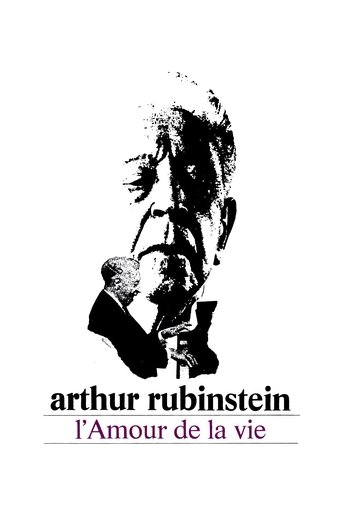 6.9
6.9Documentary about Polish-American pianist, Arthur Rubinstein.
Arthur Rubinstein: The Love of Life
1969
9.3An intimate cinéma vérité style documentary following french mega star Johnny Hallyday's summer tour.
J'ai tout donné
1972
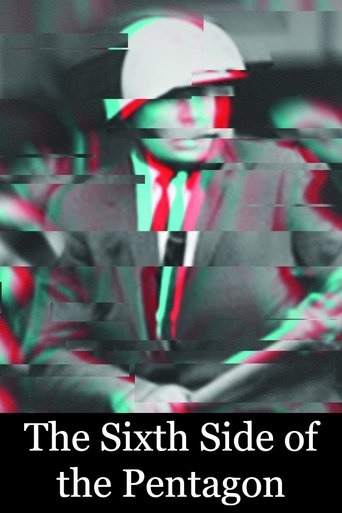 6.8
6.8Chris Marker and François Reichenbach document the massive anti–Vietnam War protest held in Washington, D.C., on October 21, 1967, where more than 100,000 demonstrators gathered at the Lincoln Memorial before marching on the Pentagon. Filmed amid the crowd, the short captures the tension, idealism, and growing radicalism of the American peace movement.
The Sixth Side of the Pentagon
1968
 7.3
7.3Documentary of a 154-person bus and truck tour that set out to spread the gospel of flower power to the hinterlands of the U.S.
Medicine Ball Caravan
1971
 8.0
8.0The rock-wild youth of the 1960s during the apparitions of their idols.
In Memory of Rock
1963
8.0The rock-wild youth of the 1960s during the apparitions of their idols.
In Memory of Rock
1963
Part of Reichenbach's series of short documentaries on America.
L'américain se détend
1958
Part of Reichenbach's series of short documentaries on America.
L'américain se détend
1958
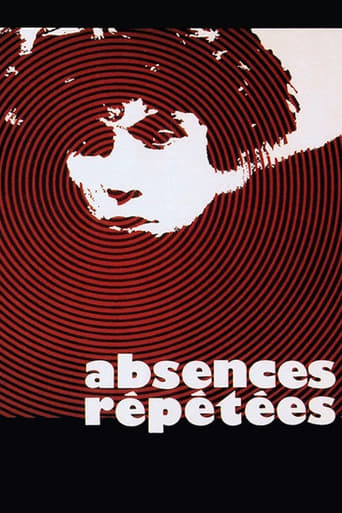 4.6
4.6François Naulet turns his bedroom into an island of drugs, loneliness and despair.
Repeated Absences
1972
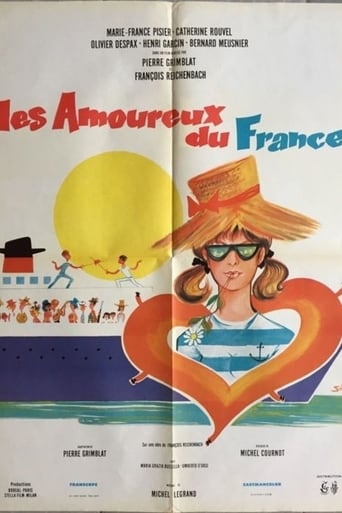 9.0
9.0Seeing an opportunity to make a financial recovery for the family, a nobleman attempts to wed his son to his wealthy friend's daughter. His plan is to send the boy for a cruise on the SS France with the prospective female. Upon arriving to meet the lovely girl, the young man switches places with his valet. Unbeknownst to him, however, is the fact that the girl has pulled a similar deception. Though Jean-Marc Ripert is responsible for much of the cinematography in this New Wave comedy, it is Francois Reichenbach who handled the camera for many of the ocean-liner scenes.
The Lovers of the France
1964
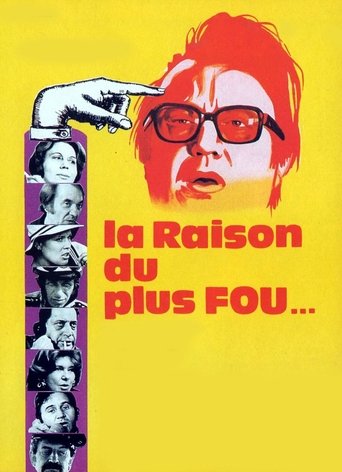 6.4
6.4The guardian of a nursing home lends a compassionate ear to the complaints of two new pensioners who love each other and have only one dream: to see the sea. To help them realize their dream, the brave man steals the car of the director. She quickly discovers the crime and drags her pale husband to the pursuit of the trio, aboard a tanker truck...
The Right of the Maddest
1973
6.4The guardian of a nursing home lends a compassionate ear to the complaints of two new pensioners who love each other and have only one dream: to see the sea. To help them realize their dream, the brave man steals the car of the director. She quickly discovers the crime and drags her pale husband to the pursuit of the trio, aboard a tanker truck...
The Right of the Maddest
1973
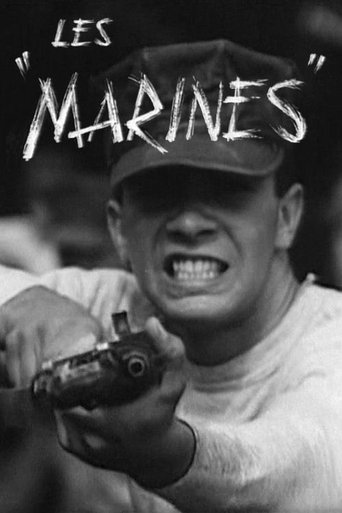 5.9
5.9François Reichenbach follows a group of young men from the day they enlist in the US Marine Corps, all the way through basic training.
The Marines
1957
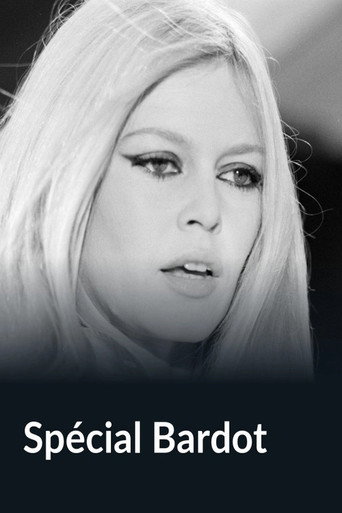 8.5
8.5And the image created the myth... Bardot as a brunette, blonde or redhead. Bardot in thigh-high boots, mini-dress or swimsuit, Bardot in London, at La Madrague or on a Harley... In all her states, BB sings with Gainsbourg and Sacha Distel: "Bonnie and Clyde", "Comic strip", "Mister Sun"... Reichenbach's camera sublimates the icon.
Spécial Bardot
1968
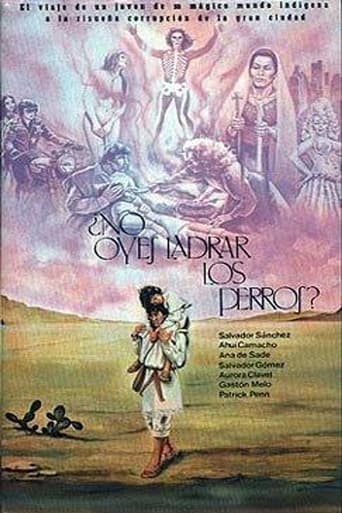 7.3
7.3Carrying his son on his back, a man travels from place to place looking for a doctor to treat the sick boy. As they journey, the indio father tells the boy stories to keep him distracted. These stories reveal the life of native peoples in Mexico, both in the countryside and in cities, and they shed light on characteristic beliefs and rituals.
Do You Hear the Dogs Barking?
1974
7.3Carrying his son on his back, a man travels from place to place looking for a doctor to treat the sick boy. As they journey, the indio father tells the boy stories to keep him distracted. These stories reveal the life of native peoples in Mexico, both in the countryside and in cities, and they shed light on characteristic beliefs and rituals.
Do You Hear the Dogs Barking?
1974
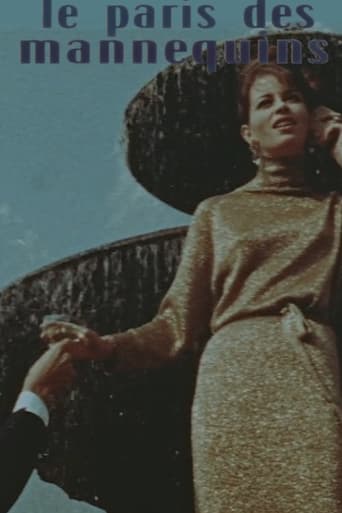 6.0
6.0A photoshoot on the roofs and in the streets of Paris, under the astonished eyes of the inhabitants.
Le Paris des mannequins
1963
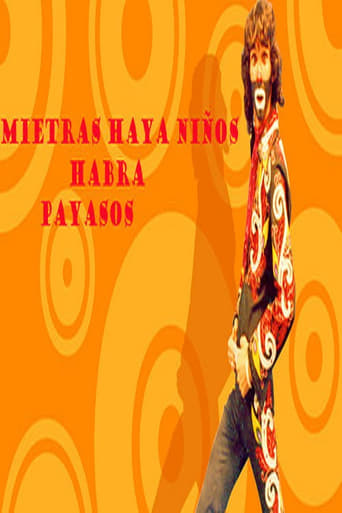 10.0
10.0In Mexico, young orphan Ricky's life will be turned upside down when the most famous clown in the country comes to his village.
Tant qu'il y aura des enfants il y aura des clowns
1980
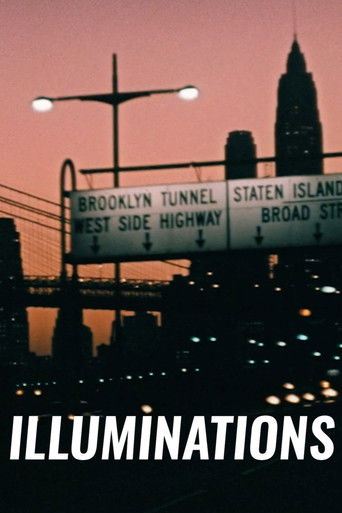 6.5
6.5Light is everywhere. Sunlight illuminates the beauty of solitary landscapes. Twilight, on the other hand, illuminates New York City, a city both swarming with people and spectral. This is a mysterious spectacle, enhanced by Rimbaud's poetry and Michel Legrand's music.
Illuminations
1963
No synopsis available yet.
Michel Legrand
1992
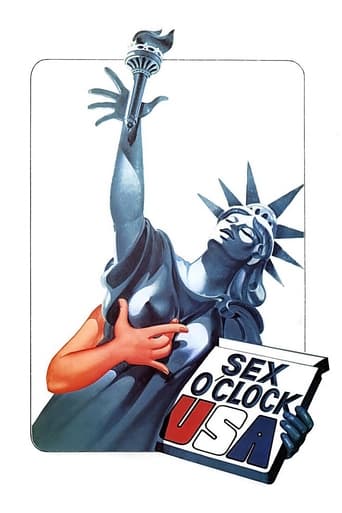 5.4
5.4The American sexual revolution in motion through Reichenbach's sharp eye: peep shows, gay theatre, X-rated film shoots...
Sex O’Clock USA
1976
Portrait of violin prodigy Yehudi Menuhin: an account of his career, his professional and private life and his profession of faith, inspired by Eastern philosophy.
Yehudi Menuhin, chemin de lumière
1970
Portrait of violin prodigy Yehudi Menuhin: an account of his career, his professional and private life and his profession of faith, inspired by Eastern philosophy.
Yehudi Menuhin, chemin de lumière
1970
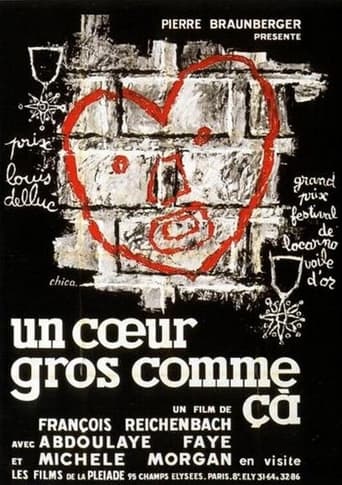 6.4
6.4Documentary-style drama about a young African boxer who comes to Paris to try for a boxing career.
The Winner
1961
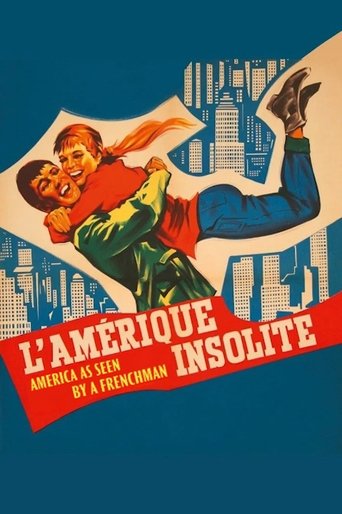 6.9
6.9At the end of the 1950s, French documentarian François Reichenbach spent eighteen months traveling the United States, documenting its diverse regions, their inhabitants, and their pastimes. The result is a journey through a multitude of different Americas, filtered through a French sensibility.
America as Seen by a Frenchman
1960
6.9At the end of the 1950s, French documentarian François Reichenbach spent eighteen months traveling the United States, documenting its diverse regions, their inhabitants, and their pastimes. The result is a journey through a multitude of different Americas, filtered through a French sensibility.
America as Seen by a Frenchman
1960
(auto-translation: LA CINÉMATHÈQUE FRANÇAISE ) Using a subjective camera, set to music by Bela Bartók and text by Arthur Rimbaud, François Reichenbach offers a highly singular vision of the American megalopolis. (MIFF:) These are no ordinary travel notes brought back from America by filmmakers; they are not enthusiastic records of skyscrapers and crowds. but disturbing aspects of a hallucinatory world of concrete and metal, glaring light and haunting shadow. The film is notable for its dramatic use of colour, and music from Bela Bartok's ballet "The Miraculous Mandarin". (a-t:) F.B. confides in his memoir 'Le monde a encore un visage' (1981): "When I went to New York for the first time, I'd brought along a Bell & Howell 16mm camera whose instructions I hadn't read. I didn't know how to use the film, and inadvertently loaded some rolls that had already been printed, which resulted in these strange superimposed images. A well-known process that I had reinvented by accident".
Impressions de New York
1956
(auto-translation: LA CINÉMATHÈQUE FRANÇAISE ) Using a subjective camera, set to music by Bela Bartók and text by Arthur Rimbaud, François Reichenbach offers a highly singular vision of the American megalopolis. (MIFF:) These are no ordinary travel notes brought back from America by filmmakers; they are not enthusiastic records of skyscrapers and crowds. but disturbing aspects of a hallucinatory world of concrete and metal, glaring light and haunting shadow. The film is notable for its dramatic use of colour, and music from Bela Bartok's ballet "The Miraculous Mandarin". (a-t:) F.B. confides in his memoir 'Le monde a encore un visage' (1981): "When I went to New York for the first time, I'd brought along a Bell & Howell 16mm camera whose instructions I hadn't read. I didn't know how to use the film, and inadvertently loaded some rolls that had already been printed, which resulted in these strange superimposed images. A well-known process that I had reinvented by accident".
Impressions de New York
1956
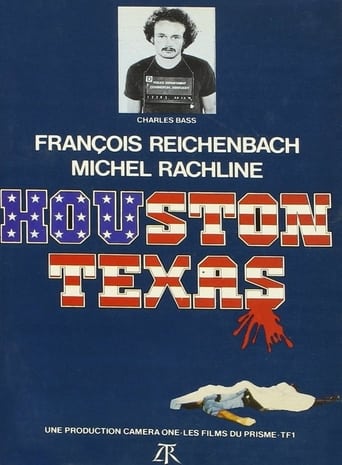 9.3
9.3A film-crew follow the investigation of a cop killing.
Houston, Texas
1981
No synopsis available yet.
Dunoyer de Ségonzac
1964
Documentary film by François Reichenbach of the lucha libre in Mexico. A study of the wrestling mania, in which he also delivers a portrait of life, politics and popular culture in Mexico
Violence et Beaute
1981
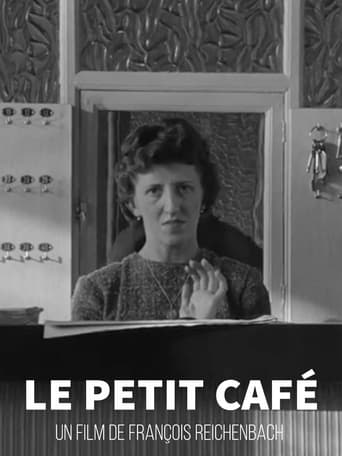 7.0
7.0A day in a little café of Paris.
The Little Café
1963
7.0A day in a little café of Paris.
The Little Café
1963
Part of Reichenbach's series of short documentaries on America.
L'été Indien
1957