

Acting
Carla Fracci
Born — Died
1936-08-20 — 2021-05-27
Place of birth
Milano, Italy
Known for
Acting
Credits
13 titles
Known for
 8.0
“The Bell Telephone Hour” was a musical variety show that aired on “NBC” TV from 12 January 1959 to 14 June 1968 that showcased the best in Broadway, Classical, Concert, Jazz and Popular music each week. The series had its’ own house band appropriately named the “Bell Telephone Orchestra”. The show also had its’ own theme song being the “Bell Waltz” composed by “Donald Voorhees” who was also the show's Orchestra conductor. Some of the greatest violinists of the 1960’s performed on this show that aired in the old “Black & White” format. Some of these great violinists included “Erica Mornin”, “Isaac Stern", "Michael Rabin", "Ruggiero Ricci", "Yehudi Menuhin" and "Zino Francesacatti". From time to time some of the great singers and bandleaders of the 1960’s would perform on the show as well. Some of these were “Bing Crosby”, “Gordon MacRae”, “John Gary”, “Leslie Uggams”, “Mary Martin”, “Nelson Eddy”, “Patti Page” and “Roy Rogers”. The TV show followed on the heels of its’ predecessor with the same name on “NBC” radio that aired from 29 April 1940 to 1958 on Monday nights at 8 PM. The name of the show was derived from its’ Major sponsor “Bell Telephone Laboratories”. The TV version began airing on Friday nights at 8:30 PM once a month. It later was given it’s same time slot now airing every other week alternating with another show on the other weeks such as News shows and specials. The show time slot changed quite often over the years. In September 1960 it aired at 9 PM and in September 1961 it moved to 9:30 PM. In October 1963 it moved to Tuesday nights at 10 PM, September 1965 it moved to Sunday night at 6:30 PM and in September 1967 it made its' final move back to Friday night at 10 PM.
The Bell Telephone Hour
1959
 7.2
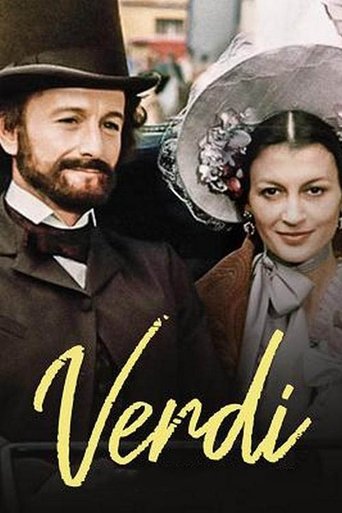
Giuseppe Verdi was born in 1813 and lived until 1901, his life spanning nearly a century of political turmoil and considerable personal turmoil. This 1982 biographical television miniseries, as seen on PBS's Great Performances, dramatizes the life of this classic Italian composer known for operas including La Traviata, Rigoletto, and Aida and his Requiem.
Verdi
1982
 4.9
A ballet dancer struggles with his homosexuality and the increasing allure of a young ballerina who seeks to draw him away from his domineering lover.
Nijinsky
1980
 6.1
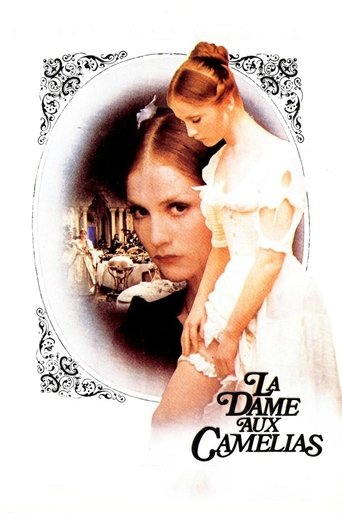
A young girl from the provinces, comes to Paris with one goal: to become a part of the rich bourgeoisie. To achieve this she will use her unique beauty and charm.
Lady of the Camelias
1981
 7.0
Documentary about the dancer Rudolf Nureyev.
I Am a Dancer
1972
No synopsis available yet.
Venezia, carnevale, un amore
1982
Film credits
2020s · 2 titles


1980s · 5 titles
4.9A ballet dancer struggles with his homosexuality and the increasing allure of a young ballerina who seeks to draw him away from his domineering lover.
Nijinsky
1980
6.1A young girl from the provinces, comes to Paris with one goal: to become a part of the rich bourgeoisie. To achieve this she will use her unique beauty and charm.
Lady of the Camelias
1981
No synopsis available yet.
Venezia, carnevale, un amore
1982
 10.0
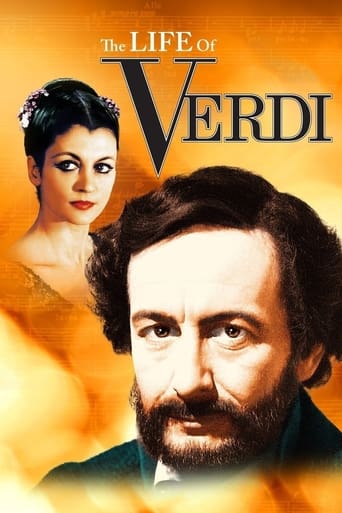
This 1982 biographical television miniseries, as seen on PBS's Great Performances, dramatizes the life of this classic Italian composer known for operas including La Traviata, Rigoletto, and Aida and his Requiem.
Verdi
1982
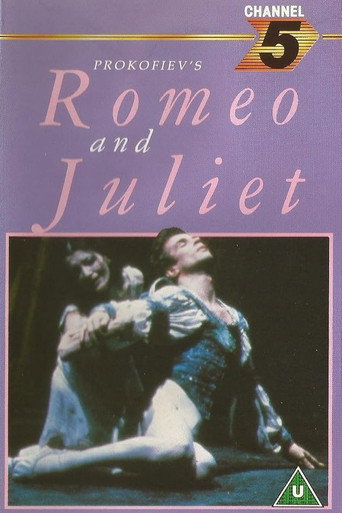 NR
Choreography from Nureyev filmed under the choreographer’s direction for television, in a studio close to Milan with the outstanding tragic actress, Carla Fracci, and Fonteyn as Lady Capulet. What self-sacrifice on behalf of Margot Fonteyn following the unforgettable Juliet that she played opposite Nureyev in the creation of MacMillan’s version!
Romeo and Juliet
1980
1970s · 3 titles
7.0Documentary about the dancer Rudolf Nureyev.
I Am a Dancer
1972
A documentary on the Romantic era of ballet narrated by Erik Bruhn and featuring performances by legendary ballerinas Alicia Alonso, Eva Evdokima, Carla Fracci, and Ghislaine Thesmar.
The Romantic Era
1972
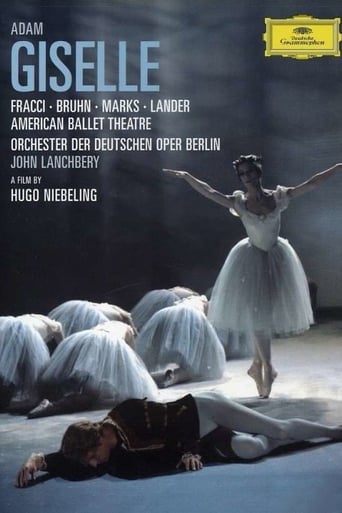 8.5
A film version of the ballet Giselle. Filmed in a studio, using innovative editing and cinematography to go along with the choreography, this film stands out from filmed stage-performances.
Giselle
1970
Series credits
8.0“The Bell Telephone Hour” was a musical variety show that aired on “NBC” TV from 12 January 1959 to 14 June 1968 that showcased the best in Broadway, Classical, Concert, Jazz and Popular music each week. The series had its’ own house band appropriately named the “Bell Telephone Orchestra”. The show also had its’ own theme song being the “Bell Waltz” composed by “Donald Voorhees” who was also the show's Orchestra conductor. Some of the greatest violinists of the 1960’s performed on this show that aired in the old “Black & White” format. Some of these great violinists included “Erica Mornin”, “Isaac Stern", "Michael Rabin", "Ruggiero Ricci", "Yehudi Menuhin" and "Zino Francesacatti". From time to time some of the great singers and bandleaders of the 1960’s would perform on the show as well. Some of these were “Bing Crosby”, “Gordon MacRae”, “John Gary”, “Leslie Uggams”, “Mary Martin”, “Nelson Eddy”, “Patti Page” and “Roy Rogers”. The TV show followed on the heels of its’ predecessor with the same name on “NBC” radio that aired from 29 April 1940 to 1958 on Monday nights at 8 PM. The name of the show was derived from its’ Major sponsor “Bell Telephone Laboratories”. The TV version began airing on Friday nights at 8:30 PM once a month. It later was given it’s same time slot now airing every other week alternating with another show on the other weeks such as News shows and specials. The show time slot changed quite often over the years. In September 1960 it aired at 9 PM and in September 1961 it moved to 9:30 PM. In October 1963 it moved to Tuesday nights at 10 PM, September 1965 it moved to Sunday night at 6:30 PM and in September 1967 it made its' final move back to Friday night at 10 PM.
The Bell Telephone Hour
1959
7.2Giuseppe Verdi was born in 1813 and lived until 1901, his life spanning nearly a century of political turmoil and considerable personal turmoil. This 1982 biographical television miniseries, as seen on PBS's Great Performances, dramatizes the life of this classic Italian composer known for operas including La Traviata, Rigoletto, and Aida and his Requiem.
Verdi
1982