

Acting
Edward Lach
Born — Died
1937-10-06 — 1977-04-24
Place of birth
Rajcza k. Żywca, Polska
Known for
Acting
Credits
11 titles
Known for
 7.2
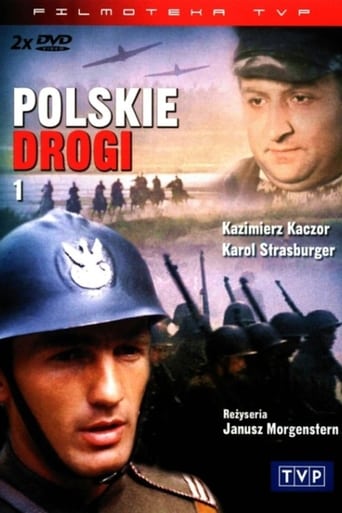
An epic, multi-threaded story about the fate of Poles during World War II. "Czas pogardy" was shown primarily from the perspective of two main characters - Lieutenant Władysław Niwiński and Leon Kuraś - a petty crook, but not without heroic traits. The authors of the series sought to show, in particular, everyday life under Nazi occupation in Poland.
Polskie drogi
1977
 7.0
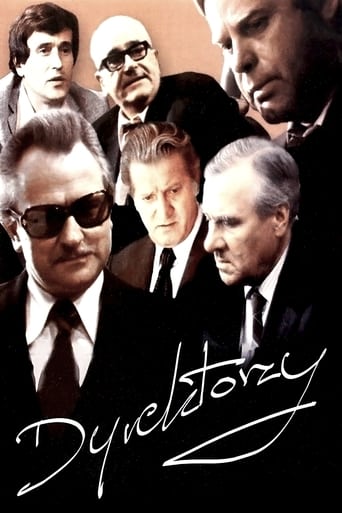
1957. Excessively high production standards imposed by the authorities result in the plan not being fulfilled, and the workers cannot imagine living normally without rewards and bonuses. A rebellion breaks out. Worker democracy wins – the working class elects a director from among its own ranks. He is an old locksmith with no managerial experience. Although he believes in the socialist spirit and has a communist past, he does not hold the position for long, as he makes promises too easily that he is unable to keep.
Dyrektorzy
1975
 8.0
No synopsis available yet.
Życie na gorąco
1979
 7.0
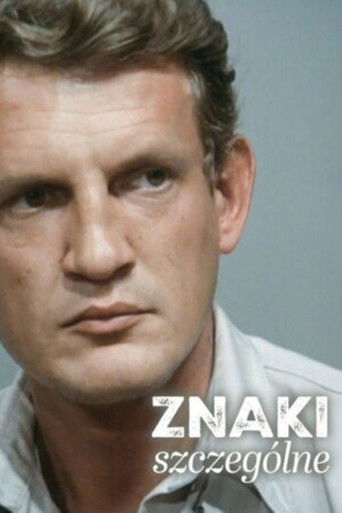
Engineer Bogdan Zawada moves to the construction of a port on the Baltic Sea. The man tries to arrange his personal and professional life in a new environment.
Znaki szczególne
1977
 6.1
Told in flashback as Mieszko lies feverish in his bed just before the Battle of Cedynia, Gniazdo recounts how the revered leader extended Poland's borders, formed an alliance with Emperor Otto I, and ultimately strengthened his country's autonomy by achieving victory during that crucial battle in the year 972.
The Nest
1974
 6.9
Modest editor, has shipped his wife and kids for the weekend, and is trying to relax in his house at the outskirts of Warsaw. His quiet evening is only disturbed by the accidental forecast made by a Gypsy woman, that at evening time he will murder a mysterious brunet.
Brunet Will Call
1976
Film credits
1970s · 6 titles
6.1Told in flashback as Mieszko lies feverish in his bed just before the Battle of Cedynia, Gniazdo recounts how the revered leader extended Poland's borders, formed an alliance with Emperor Otto I, and ultimately strengthened his country's autonomy by achieving victory during that crucial battle in the year 972.
The Nest
1974
6.9Modest editor, has shipped his wife and kids for the weekend, and is trying to relax in his house at the outskirts of Warsaw. His quiet evening is only disturbed by the accidental forecast made by a Gypsy woman, that at evening time he will murder a mysterious brunet.
Brunet Will Call
1976
Captain Drawski is ordered to deliver the plane to the repair plant in Bydgoszcz, where the machine will undergo repairs. A young mechanic, Marcin Mercik, is also taken on board (against regulations). During the flight, a malfunction occurs. Drawski and Mercik have to catapult themselves, but the mechanic has never performed similar evolutions. He is paralyzed by fear, so that the plane, which is losing fuel, is in danger of crashing.
Spacer
1972
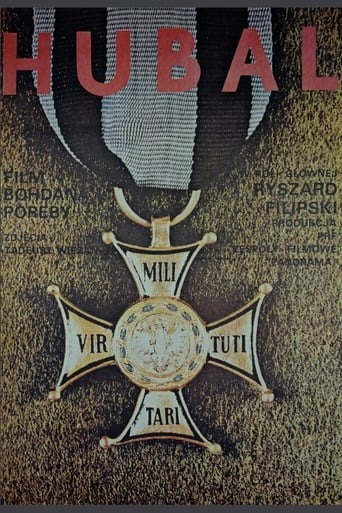 7.4
Major Henryk "Hubal" Dobrzański refuses to surrender to the Germans in the wake of the 1939 campaign and continues to lead his regiment in guerilla warfare against the invaders.
Hubal
1973
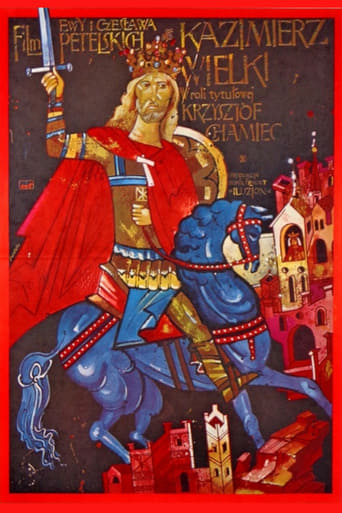 7.5
The life and reign of Polish king Casimir III The Great.
Kazimierz Wielki
1976
A contemporary drama about the problem of adaptation of people from rural areas to the urban environment, which is characteristic of our civilization. A father and son arrive in Warsaw and find themselves on a large construction site of a modern thoroughfare, Trasa Łazienkowska.
Chleba naszego powszedniego
1974
Series credits
7.2An epic, multi-threaded story about the fate of Poles during World War II. "Czas pogardy" was shown primarily from the perspective of two main characters - Lieutenant Władysław Niwiński and Leon Kuraś - a petty crook, but not without heroic traits. The authors of the series sought to show, in particular, everyday life under Nazi occupation in Poland.
Polskie drogi
1977
7.01957. Excessively high production standards imposed by the authorities result in the plan not being fulfilled, and the workers cannot imagine living normally without rewards and bonuses. A rebellion breaks out. Worker democracy wins – the working class elects a director from among its own ranks. He is an old locksmith with no managerial experience. Although he believes in the socialist spirit and has a communist past, he does not hold the position for long, as he makes promises too easily that he is unable to keep.
Dyrektorzy
1975
8.0No synopsis available yet.
Życie na gorąco
1979
7.0Engineer Bogdan Zawada moves to the construction of a port on the Baltic Sea. The man tries to arrange his personal and professional life in a new environment.
Znaki szczególne
1977