

Directing
Samir Habchi
Born
1961-01-01 (65)
Place of birth
Deir el-Qamar, Lebanon
Known for
Directing
Credits
9 titles
Samir Habchi is a Lebanese filmmaker and writer.
Known for
 NR
"The Crow" - During the meaningless war years, a new lifestyle emerged in Lebanon : neither capitalist nor socialist. A military lifestyle. A whole generation of Lebanese were born and raised in war climate as a result of their inclination towards death and confusion. This generation does not imagine another life. The sounds of automatic fireworks are mixed with the sounds of folk instruments at every holiday or family celebration.
Meyl
1988
 10.0
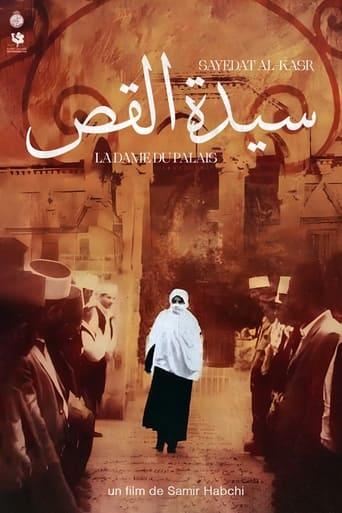
Sayedat Al-Kasr traces the history of the Joumblatt family of Mount Lebanon from the 17th century to the present, focusing on early 20th century leader and politician Nazira Joumblatt. Born in 1889, Nazira ascended the throne of the Moukhtara palace in 1923, following the assassination of her husband Fouad and the resignation of her brother Aly Joumblatt. She presided over the region as Lady of the Palace for twenty-five years while raising her son Kamal, preparing him to take his place in a long line of Jumblatt leaders. Famous for her wisdom and strong personality, Nazira boldly entered the Lebanese political scene at a time when this field was entirely dominated by men. Unwavering, she contributed to maintaining peace and stability in Lebanon for many years, earning the respect of men and women, whether Druze or Maronites.
The Lady of the Palace
2004
The film takes place after the Lebanese Civil War during the 1990s and the Syrian occupation of Lebanon.
Beirut Open City
2008
In a small Lebanese village, Nohad Al Chami endures cruelty under her mother-in-law’s roof, finding solace only in her deep faith. When tragedy strikes, a miraculous intervention from Saint Charbel transforms her pain into grace, revealing the strength of the faithful human spirit and the mystery of Divine Mercy.
Nohad Al Chami: A Sign of Faith
2025
 8.0
Beirut, civil war. There are checkpoints, arbitrary executions, car bombs, machine guns, handguns, funeral processions, ambushes, hot heads, vendettas, and revenge. Cruelty and death are everywhere. Akram, who's been studying in Russia, is back in Beirut on holiday and plans to visit his mother in his home village. But can he get there? He spends time with friends in the city; they tell stories of death. Danger is on all sides. Driving down the street may lead to murder. Touches of the surreal appear: are they real, are they dreams? Can Akram survive? If so, at what cost?
The Tornado
1992
Behind the camera
NR"The Crow" - During the meaningless war years, a new lifestyle emerged in Lebanon : neither capitalist nor socialist. A military lifestyle. A whole generation of Lebanese were born and raised in war climate as a result of their inclination towards death and confusion. This generation does not imagine another life. The sounds of automatic fireworks are mixed with the sounds of folk instruments at every holiday or family celebration.
Meyl
1988
10.0Sayedat Al-Kasr traces the history of the Joumblatt family of Mount Lebanon from the 17th century to the present, focusing on early 20th century leader and politician Nazira Joumblatt. Born in 1889, Nazira ascended the throne of the Moukhtara palace in 1923, following the assassination of her husband Fouad and the resignation of her brother Aly Joumblatt. She presided over the region as Lady of the Palace for twenty-five years while raising her son Kamal, preparing him to take his place in a long line of Jumblatt leaders. Famous for her wisdom and strong personality, Nazira boldly entered the Lebanese political scene at a time when this field was entirely dominated by men. Unwavering, she contributed to maintaining peace and stability in Lebanon for many years, earning the respect of men and women, whether Druze or Maronites.
The Lady of the Palace
2004
The film takes place after the Lebanese Civil War during the 1990s and the Syrian occupation of Lebanon.
Beirut Open City
2008
In a small Lebanese village, Nohad Al Chami endures cruelty under her mother-in-law’s roof, finding solace only in her deep faith. When tragedy strikes, a miraculous intervention from Saint Charbel transforms her pain into grace, revealing the strength of the faithful human spirit and the mystery of Divine Mercy.
Nohad Al Chami: A Sign of Faith
2025
8.0Beirut, civil war. There are checkpoints, arbitrary executions, car bombs, machine guns, handguns, funeral processions, ambushes, hot heads, vendettas, and revenge. Cruelty and death are everywhere. Akram, who's been studying in Russia, is back in Beirut on holiday and plans to visit his mother in his home village. But can he get there? He spends time with friends in the city; they tell stories of death. Danger is on all sides. Driving down the street may lead to murder. Touches of the surreal appear: are they real, are they dreams? Can Akram survive? If so, at what cost?
The Tornado
1992