
Acting
Andrzej Krasicki
Born — Died
1918-01-31 — 1995-01-15
Place of birth
Tarnów, małopolskie, Polska
Known for
Acting
Credits
76 titles
Known for
 7.3
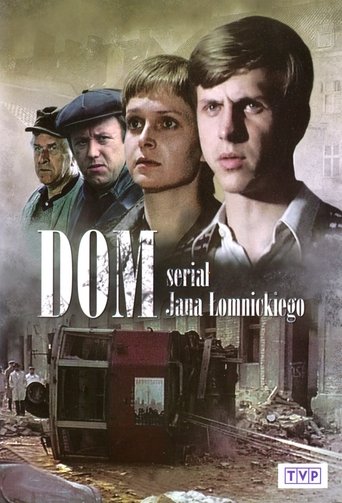
The story of the residents of a tenement house on Złota Street in Warsaw from 1945 to 1980.
Dom
1980
 8.0
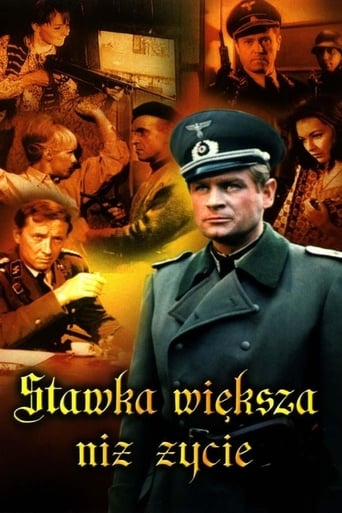
A series about the adventures of a Polish secret agent, Hans Kloss, who acts as a double agent in the Abwehr during Second World War in occupied Poland.
More Than Life At Stake
1968
 7.5
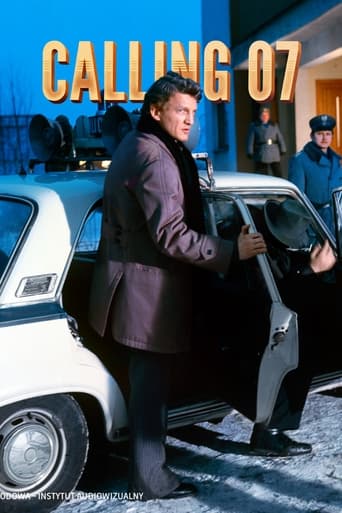
The series centres around the investigations of Police Lieutenant Sławomir Borewicz. Each episode features a different case being solved by Borewicz.
Calling 07
1976
 7.2
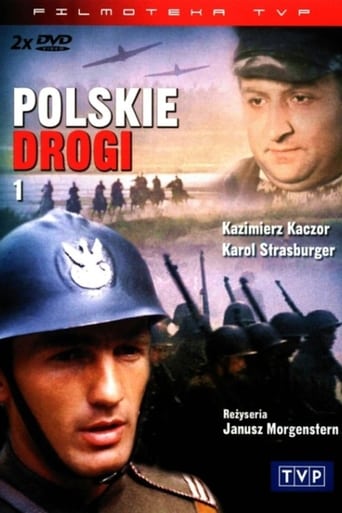
An epic, multi-threaded story about the fate of Poles during World War II. "Czas pogardy" was shown primarily from the perspective of two main characters - Lieutenant Władysław Niwiński and Leon Kuraś - a petty crook, but not without heroic traits. The authors of the series sought to show, in particular, everyday life under Nazi occupation in Poland.
Polskie drogi
1977
 7.2
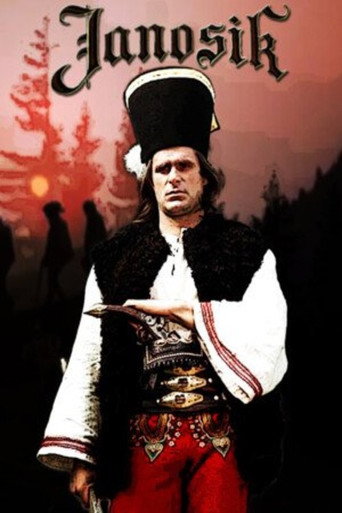
Janosik was a television series that aired in Poland in 1974. It is about a famous Polish highlander outlaw who in folk legends steals money and goods from the rich and helps out the poor. The series was directed by Jerzy Passendorfer. There are 13 1-hour episodes.
Janosik
1974
 8.0
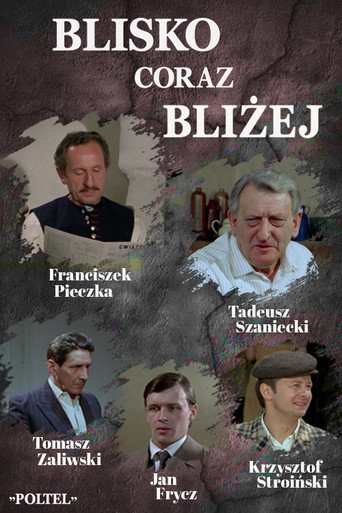
The story stretches from 1863 to 1945. Its main characters are representatives of the Pasternik family, who live in the fictional village of Wielowice near Pszczyna. The protagonist of the first three episodes is Franciszek Pasternik, the following parts tell about the fate of his many children and even more grandchildren. The viewer follows their history against the backdrop of great changes and historical events that influenced the lives of Silesian Poles. So there is the Kulturkampf, Prussian rugi, the revolution of 1905, World War I and the Silesian Uprisings.
Blisko, coraz bliżej
1983
Film credits
1980s · 17 titles
 7.5
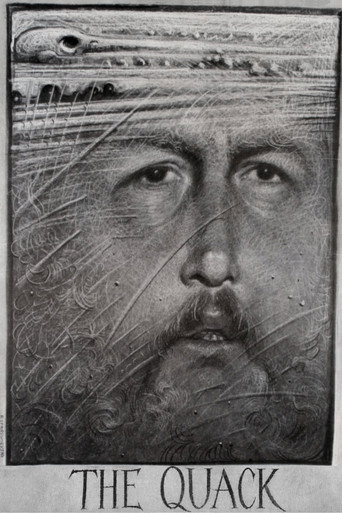
A famous surgeon is beaten by drunken bullies, loses his memory and cannot recollect who he was before. He gets to a village, lives in a not so well to do family and becomes the Quack - he slowly regains his talent for medicine and saves the lives of several village patients.
The Quack
1982
 NR
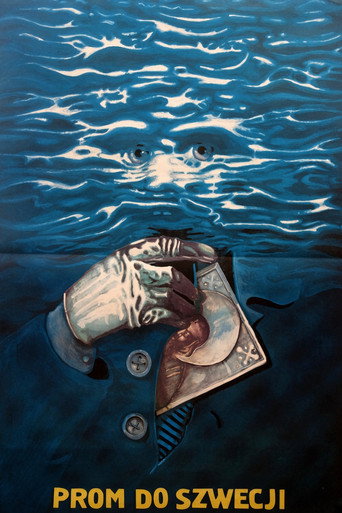
Szczepan Zadra, a Polish expatriate living permanently in Sweden, maintains close ties with his homeland while working as a representative for an international transport company. Meanwhile, the Polish militia receives reports of a smuggling operation involving valuable icons being transported to Sweden. Szczepan meets Agata, a Polish woman on a business trip to Sweden, who agrees to deliver a small package to Stockholm for an antique dealer in Warsaw. Unbeknownst to her, the package contains a valuable icon.
Ferry to Sweden
1980
 7.0
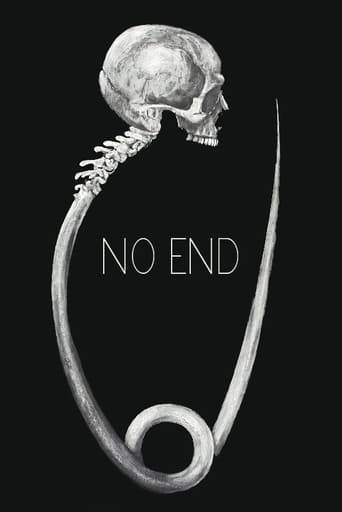
1982, Poland. A translator loses her husband and becomes a victim of her own sorrow. She looks to sex, to her son, to law, and to hypnotism when she has nothing else in this time of martial law when Solidarity was banned.
No End
1985
 7.0
The action-packed historical and revolutionary film about the struggle of the VCHK with the international conspiracy against the Soviet government in Russia in the beginning 20s. On the activities of Dzerzhinsky, chairman of the VCHK, People's Commissar of Internal Affairs and at the same time Commissar of Railways. About the work on resuscitation of a collapsed industry, army, railways, to which the Iron Felix attracts (some by threats, some by persuasion) pre-revolutionary intellectuals.
Fiasco of Operation Terror
1981
 6.7
Fresh out of prison, a seasoned poker hustler finds himself teaching the trade to a young cab driver chasing his first big win.
Big Shar
1983
After the death of a respected academician, who in his private life was a tyrant and a phony, the family awaits arrival of a prodigal son to begin the ceremony. However, the deceased has prepared a vengeance for his disappointing sons...
Funeral Ceremony
1985
The writer Jan Kellert - the author of the widely known book "The Legend of the Vistula", which is part of the canon of pre-war middle school reading, comes from Lublin to Żmurki, where he spent the occupation. The division of the Żmurki estate is to take place the next day. The welcome dinner becomes an opportunity to exchange political views and a critical view of the manor's inhabitants on the current situation.
Jan
1984
 10.0
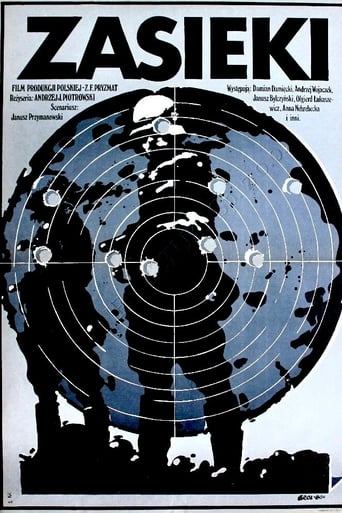
Three Kościuszko Division soldiers, each of a different background, volunteer to take up the task of cutting German barbed wire before an offensive.
Barbed Wire
1983
 NR
An ordinary man has to do constant favors for other people in order to reserve a place for himself in a queue.
Porcelain in an Elephant's Shop
1988
 8.0
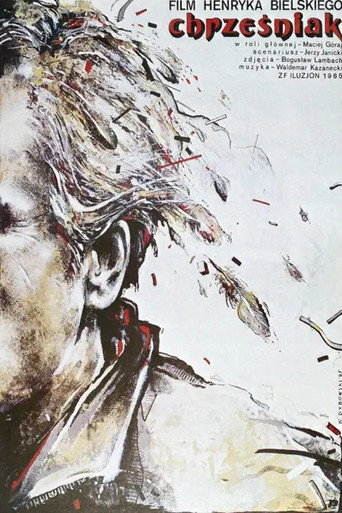
The film depicts three days in the life of a state farm director, during which he celebrates his 40th birthday. He was adopted by four godfathers who have helped him throughout his life and have reached positions of prominence themselves. He makes a mistake at work turning away some foreigh investors and is required to cover the losses, but even his godfathers are unable to help him. He regains affection of his son instead.
Chrześniak
1986
 10.0
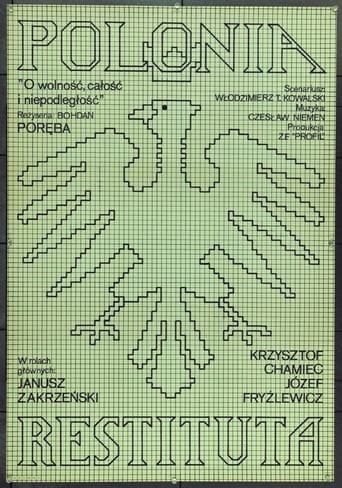
A two-part historical film covering the years of the First World War and the post-war period up to 1919 - until the signing of the peace treaty in Versailles near Paris. An attempt to show the great and complicated process of regaining an independent existence by a nation within its own state. The screen shows characters from history textbooks: Józef Piłsudski, Ignacy Paderewski, Roman Dmowski, Wojciech Korfanty as well as representatives of the world political scene, incl. David Lloyd George, Woodrow Wilson, Georges Clemenceau, Vladimir Lenin and others.
Polonia Restituta
1981
Summer 1944. Polish armed forces are being organized in the Lublin region. Edward, one of the generals of the First Army, receives an order to form an artillery division. He counts on the help of Stefan, his old friend who lives in Lublin. However, it turns out that Stefan - a colonel and commander of the Home Army during the occupation - was arrested...
Edward and Stefan
1984
 6.2
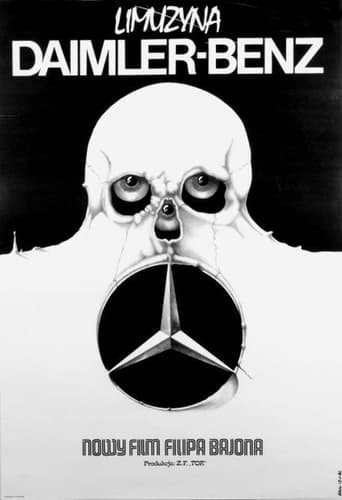
Two brothers living in 1939 Poland decide on a whim to steal the limousine of a German consul. The seemingly small act of youthful rebellion will have massive ramifications on the two, each dealing with the aftermath in their own way - one resorts to art, the other to direct political action.
Daimler-Benz Limousine
1983
 7.0
A young landowner, Michal Rajecki, falls in love with a beautiful country girl, Warszulka, with reciprocity. During one of their trysts, Rajecki gives the girl hope for a future together. Eventually, however, he begins to realize that a misalliance would cost him too much. He follows his friend's advice and tells the girl to accept the proposal of the peasant who is trying to get her. When he begins to realize that he has made a mistake, it is too late.
Soból i panna
1984
The film shows Poland regaining independence in 1918 and the formation of the first government of the Republic of Poland.
RP's First Days
1989
 7.0
A socio-political drama depicting the relationship between the individual and society, but also the power of collective action in the fight against selfish, consumerist attitudes, manifestations of falsely understood professional prestige, and a petty bourgeois lifestyle.
Flying High
1980
 4.8
Girls no more, four heroines emerge into womanhood with a more clear-eyed outlook on life.
Apple Tree of Paradise
1986
1970s · 22 titles
 7.2
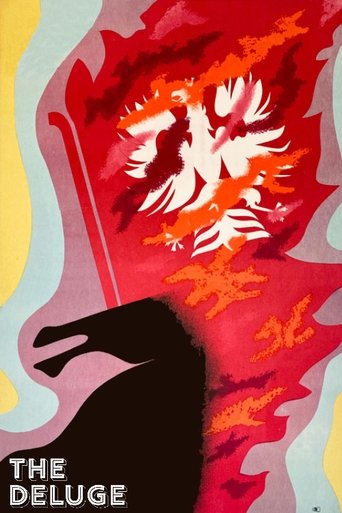
During the Swedish invasion of Poland, the brave warrior Andrzej Kmicic, considered a traitor to the nation, fights for a country, redemption and love across the 17th-century Polish territories.
The Deluge
1974
 5.5
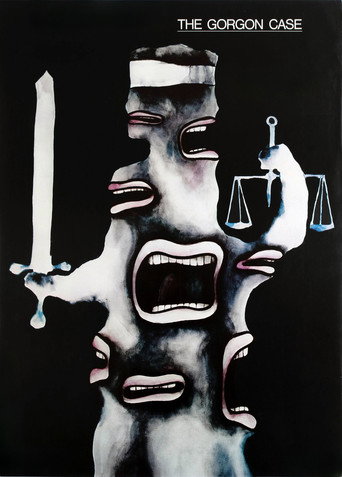
In 1931, just before the New Year, in a house of architect Henryk Zaremba scream rips the night. The daughter of Zaremba is found killed in her bedroom, obviously killed with a pickaxe. The police arrives and starts the investigation. Rita Gorgonova, the governess of the girl and also lover of Zaremba becomes the main suspect.
The Gorgon Case
1977
 7.4
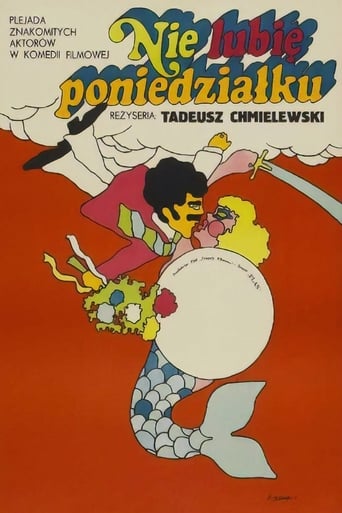
An acute case of Mondayitis in Warsaw. Interwoven stories of a few inhabitants of Warsaw, including one very unlucky Italian on a governmental mission and a charitable Polish American.
I Hate Mondays
1971
 5.3
Years after WWII a group of German "tourists" arrives in Poland to find a hidden Nazi treasure.
The Last Witness
1970
 5.8
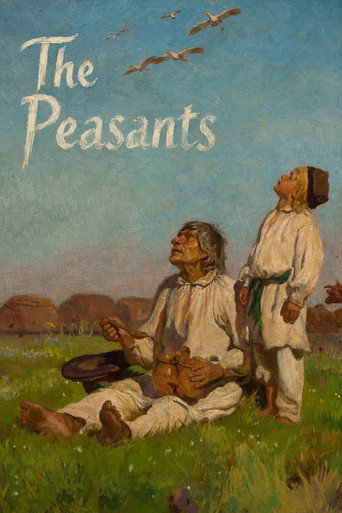
In a bucolic Polish hamlet, the tense relationship between a father and son reaches a boiling point when the men lose their hearts to the same woman and vie for her affections. Based on Wladyslaw Reymont's Nobel Prize-winning book and helmed by Jan Rybkowski, this theatrical release (starring Krzystof Chamiec, Wladyslaw Hancza and Emilia Krakowska) was culled from a 13-episode miniseries that aired on Polish television in 1972.
The Peasants
1973
 7.0
Janek and Wanda live in a small room in a villa, while other rooms are occupied by offices of various institutions. Janek often stays at work after hours, just to avoid returning to the cramped apartment too early. One day, a man named Malinowski, who once lived in the same small room, visits the couple. He proposes to exchange their room for a new, two-room apartment that he has just received. Janek and Wanda are initially distrustful, but eventually, the exchange takes place. It turns out that Wanda's ex-husband, Jerzy, already lives in the new apartment. Despite the divorce, as he is registered with Wanda, he has the right to continue living in her apartment. Janek tries to find a way to get rid of the intruder.
A Jungle Book of Regulations
1974
 7.6
Stanisław Maria Rochowicz, a bumbling art historian, is falsely accused of stealing a painting. The alleged thief faces five years in prison. Desperate, he decides to hide in disguise as a woman until he can paint a copy of the stolen canvas. Lacking means to live, he takes jobs as a maid for a variety of colorful characters.
Man - Woman Wanted
1973
 6.3
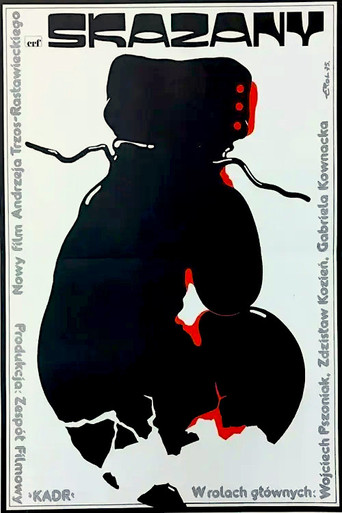
A man is tried in court for failing to help his brother to avoid suicide.
Convicted
1976
 7.6
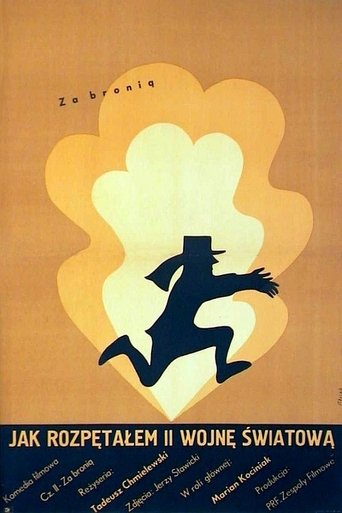
After escaping across Europe from Stalag camp, Dolas's ride to Cyprus is stopped when his ship in sunk by an Italian submarine. Although he and some of his fellow sailors are rescued by an Allied ship, they find themselves conscripted into the French Foreign Legion in Beirut, Dolas becoming a cook.
How I Unleashed World War II, Part II: Following the Arms
1970
 6.9
The main characters are the same two quarreling peasant families introduced in "Sami swoi" (Our Folks). The action of the film starts 18 years later. The old quarrels have been forgotten, but new problems keep popping up. They have no successors to inherit the farms. They invent a tricky and clever plan. The young granddaughter is to take over both of the farms after her marriage. Both Kargul and Pawlak have no rest until they carry out the plan. In the end, after numerous adventures and obstacles their cunning intrigue is fulfilled - the young marry and the land remains in the family's hands.
Take It Easy
1974
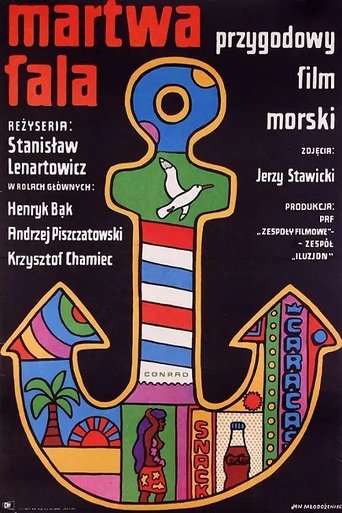 NR
After graduating from maritime school, Marek goes on his first voyage.
Martwa fala
1971
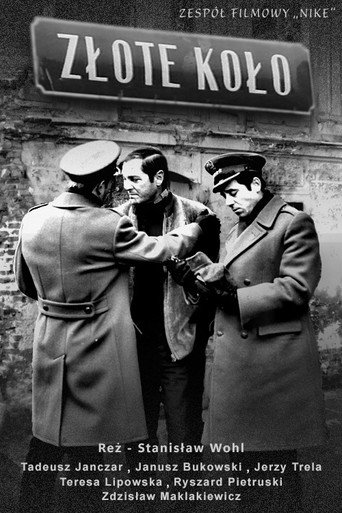 7.3
An unknown man brings a wounded boy from a hospital and prompty walks away. The boy soon dies and the militia captain Budny begins an investigation, leading him deep into a web of crime.
Złote koło
1971
 6.4
A pastor and ethnographer visits a remote corner of 19th-century Lithuania where folk customs associated with the area's pagan past still have a hold on the population.
Lokis: A Manuscript of Professor Wittembach
1970
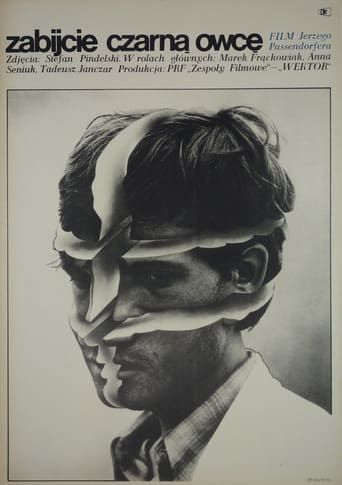 9.0
Young man struggles with being rejected by society.
Zabijcie czarną owcę
1972
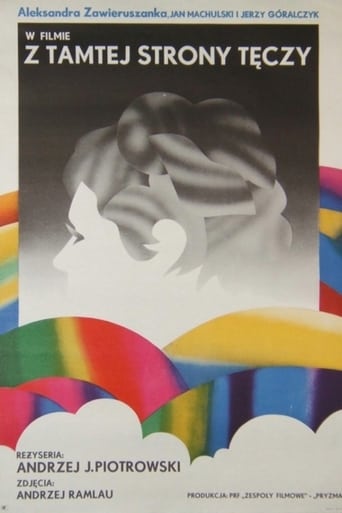 4.6
Teresa is an attractive 30-year-old doctor. She divides her stable life between work, caring for her younger sister Ania, a high school student, and her romance with Jan, a well-off lawyer who wants to marry her. However, Teresa postpones her decision to marry until Ania becomes independent. One day, she unexpectedly meets Tomek, a young photographer, who soon confesses his love to her, making her question her loyalty to Jan.
Z tamtej strony tęczy
1973
 NR
The protagonists of the film are two brothers - Smaller and Big, Filomena and the dog Klops. Big has problems at school, so he decides to run away from home. His brother decides to find him.
Mniejszy szuka Dużego
1976
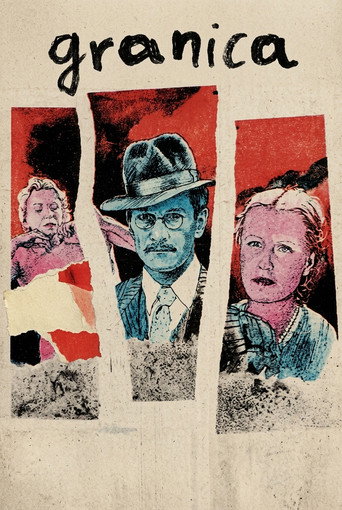 5.4
Zenon Ziembiewicz, a young, budding journalist, comes to his parents' manor house for a vacation. Here he enters into an affair with the lovely Justyna Bogutówna, the daughter of a cook. When the canicule comes to an end, Zenon packs his bags and leaves for Paris to study. Returning after a year with a doctorate in political science, he makes a fast and glamorous career. He becomes the editor-in-chief of the local newspaper and, soon after, mayor of the city. He also marries Elzbieta Biecka, but still does not break up with Justyna.
The Border
1978
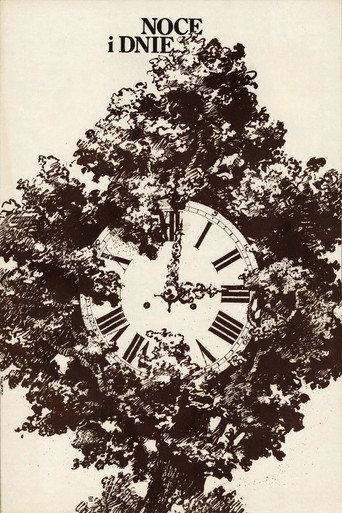 7.1
A family saga of Barbara Ostrzeńska-Niechcic and Bogumił Niechcic against the backdrop of the January Uprising of 1863 and World War I. The film is a rather straightforward and faithful adaptation of a novel by Maria Dabrowska with the same title. The plot is woven around the changing fortunes of a noble (upper-class) Niechcic family in the pre-WWI Poland. There are two main crossing threads: a social history one and an existential one.
Nights and Days
1975
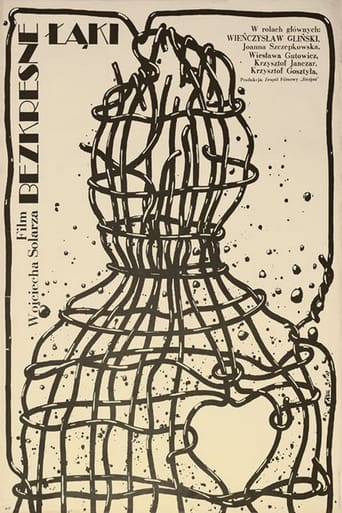 10.0
A lyrical comedy; an escape to nature for a civil servant tired of everyday life and the monotony of life becomes an opportunity to reflect on the meaning of existence; it helps to regain mental balance. Henry, an exemplary husband and civil servant, returns to the places of his childhood, wants to find the treasure buried decades ago by Tereska, who fell in love with him. Along the way, he picks up two boys and two girls, who begin to compete for him. One of the boys assaults him when Henry digs up a bottle containing, it turns out, Tereska's love letter. The youngsters notify Henryk's wife of his whereabouts.
Bezkresne łąki
1976
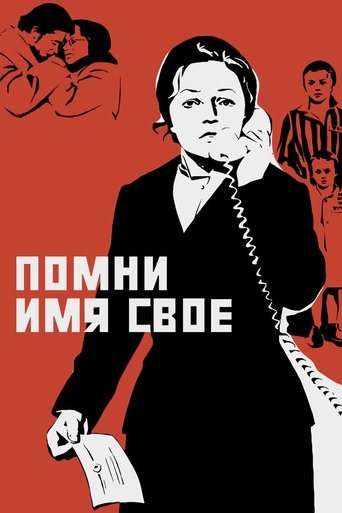 6.3
Beginning of WWII. Zinaida, a Russian woman, is taken prisoner by the Germans and sent to Auschwitz concentration camp together with several other women. She is imprisoned with her baby son, Gena, who is learning to walk and takes his first steps in the snow, in the concentration camp. They spend a few years together in the camp until they are separated, first within Auschwitz itself, then, for good, when the Germans are losing the war and decide to evacuate.
Remember Your Name
1974
After an accident in a smelter plant kills two workers a crane operator decides to take full responsibility.
Facing the Truth
1970
 6.8
The revue theater "Red Mill" is in crisis, the owner has no money to pay the salaries of the employees. When the bailiff hands the director an order to seize the theater's assets, an elegant gentleman engineer Fred Kampinos unexpectedly appears and offers his help.
Hello, Fred the Beard
1978
1960s · 20 titles
 7.1
A tale of a young impoverished nobleman, who with his uncle returns from a war against the order of the Teutonic Knights in Lithuania. He falls in love with a beautiful woman and pledges an oath to bring her "three trophies" from the Teutonic Knights.
Knights of the Teutonic Order
1960
 7.3
A German woman on a ship returning to Europe notices a face of another woman which brings recollections from the past. She tells her husband that she had been an overseer in Auschwitz during the war, but she has actually saved a woman's life.
Passenger
1963
 6.5
Teenaged Beata, disgusted with hypocrisy around her, runs away from home.
Beata
1965
 7.0
The Countess Cosel is based on the true story of the beautiful Anna Constantia of Brockdorff, a German noblewoman who became a mistress of Augustus the Strong, King of Poland and Elector of Saxony in 1704.
Countess Cosel
1968
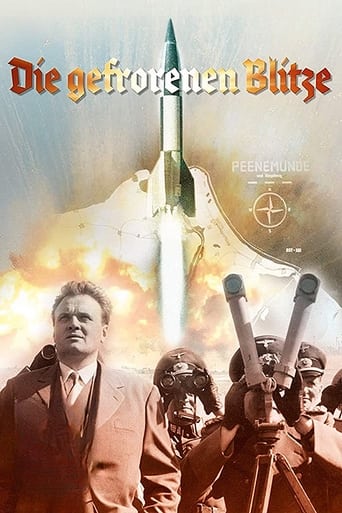 7.8
In November of 1939, the British consulate in Norway receives documents saying that the Nazis are conducting secret rocket research in Peenemünde. But the British doubt the authenticity of the so called "Oslo report". Thus, the Germans continue their experiments unimpeded. At the same time, resistance groups from France, England, Poland, and Germany try to find and to sabotage the secret Nazi research base. When the first "V 2" rocket is successfully launched, the Allied commanders finally become interested in the "Oslo report".
Frozen Flashes
1967
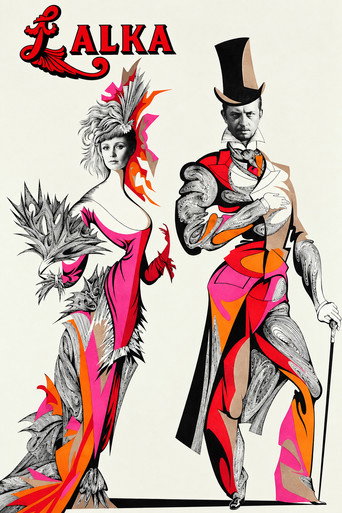 6.6
Set in the 19th century Warsaw. The indolence of aristocrats who, secure with their pensions, are too lazy to undertake new business risks, frustrates Wokulski. His ability to make money is respected but his lack of family and social rank is condescended to. Because of his "help" (in secret) to "the doll's" impecunious but influential father, the girl becomes aware of his affection.
The Doll
1968
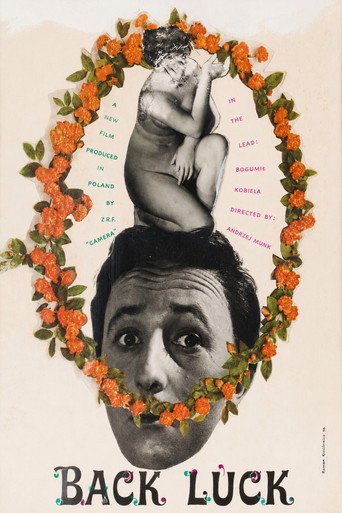 6.8
To convince the prison warden against releasing him, a middle-aged Polish man recounts his life, one he considers to have been characterized by exceptionally bad luck.
Bad Luck
1960
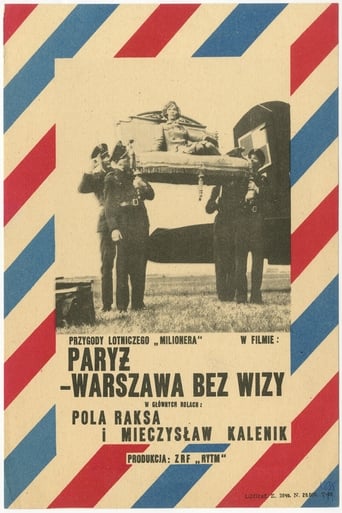 7.0
Pilot Stefan Janotta recalls the war and the years following, when he helped rebuilding Polish Airlines.
Paryż - Warszawa bez wizy
1967
 6.5
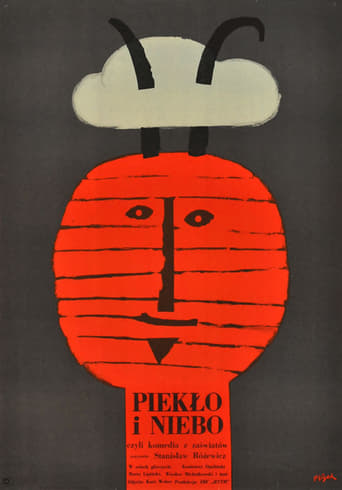
A bus crashes and its passengers find themeselves in the afterlife, which they find has the not only the same set of rules as Earth, but also the same bureaucratic chaos.
Hell and Heaven
1966
 9.0
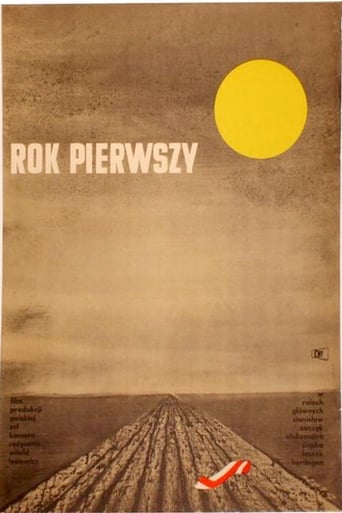
1944. Communist militiaman take a post in a little town in the east of Poland. He has to stand against his own men that are not happy with new authorities.
Rok pierwszy
1960
 7.0
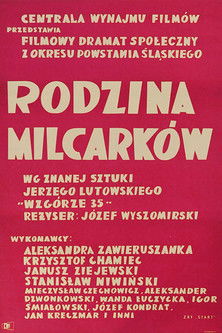
The fate of a working-class family during the third Silesian Uprising.
Rodzina Milcarków
1962
 7.0
Two men working as lawn mowers fight over a woman.
Mężczyźni na wyspie
1962
Wacław Urbin joins an exclusive club, learning the secrets of its members.
Klub szachistów
1967
 10.0
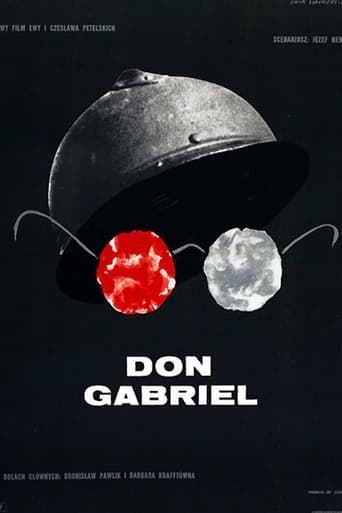
The first Polish film to discuss the failure of September 1939 Polish-German war, seen from the point of view of a university intellectual, fascinated by German culture, who decides to take active part in the conflict.
Don Gabriel
1966
 6.6
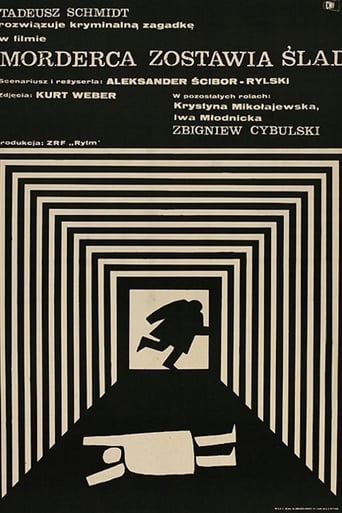
In the last days of WW2, Polish military looks for the murderer of prosecutor responsible for storing Gestapo files.
The Killer Leaves a Trace
1967
 9.0
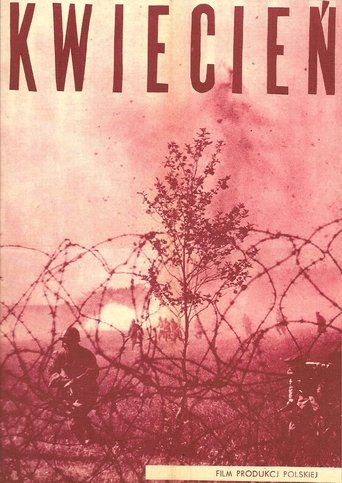
Set at the end of the war. A hot-headed colonel tries to force his men on to heroics although the war is almost over. A war-weary lieutenant tries to muffle his efforts but he keeps on with his men and is killed fighting in the front lines, all his men decide to get his body.
April
1961
 6.5
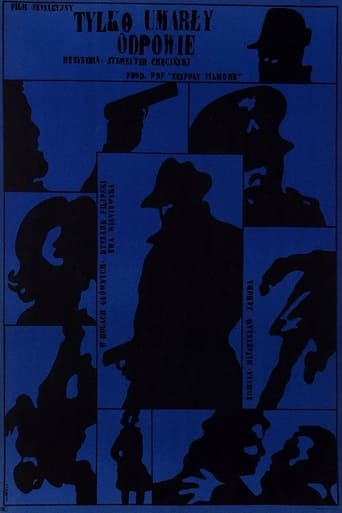
Police captain Wójcik conducts an investigation into the murder of a cashier from a state-owned enterprise. Despite seemingly numerous leads, the investigation gets stuck in a dead end – the victim had no enemies and nothing was stolen. Despite closing the case Wójcik feels that the key to solving the mystery is the murdered cashier and his past. Exploring this plot, he discovers a full-fledged spy affair, however, trying to catch the real murderer, he’ll have to risk his life, health and career.
Only the Dead Can Answer
1969
 7.3
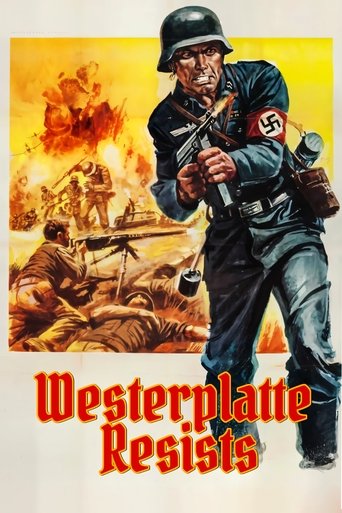
Westerplatte is a small peninsula at the entry to the Gdańsk Harbour. Before World War II, it functioned as a Polish ammunition depot in the Free City of Danzig. Its crew consisted of one infantry company and a group of civilians, 182 people in total. It was the only Polish guard-post at the mouth of the Vistula River, with as little as five sentries, one field cannon, two anti-armour guns and four mortars. The first shots of World War II were fired there. This film tells the story of Westerplatte's courageous defenders.
Westerplatte Resists
1967
The sixth and final episode compilation of the TV series released theatrically, featuring episodes 16 and 17.
More Than Life At Stake Part Six
1969
 6.2
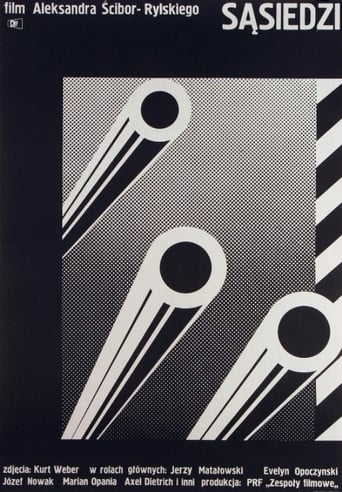
A day before the beginning of the Second World War, a young resident of Bydgoszcz falls in love with a German teenager.
The Neighbours
1969
Series credits
7.3The story of the residents of a tenement house on Złota Street in Warsaw from 1945 to 1980.
Dom
1980
8.0A series about the adventures of a Polish secret agent, Hans Kloss, who acts as a double agent in the Abwehr during Second World War in occupied Poland.
More Than Life At Stake
1968
7.5The series centres around the investigations of Police Lieutenant Sławomir Borewicz. Each episode features a different case being solved by Borewicz.
Calling 07
1976
7.2An epic, multi-threaded story about the fate of Poles during World War II. "Czas pogardy" was shown primarily from the perspective of two main characters - Lieutenant Władysław Niwiński and Leon Kuraś - a petty crook, but not without heroic traits. The authors of the series sought to show, in particular, everyday life under Nazi occupation in Poland.
Polskie drogi
1977
7.2Janosik was a television series that aired in Poland in 1974. It is about a famous Polish highlander outlaw who in folk legends steals money and goods from the rich and helps out the poor. The series was directed by Jerzy Passendorfer. There are 13 1-hour episodes.
Janosik
1974
8.0The story stretches from 1863 to 1945. Its main characters are representatives of the Pasternik family, who live in the fictional village of Wielowice near Pszczyna. The protagonist of the first three episodes is Franciszek Pasternik, the following parts tell about the fate of his many children and even more grandchildren. The viewer follows their history against the backdrop of great changes and historical events that influenced the lives of Silesian Poles. So there is the Kulturkampf, Prussian rugi, the revolution of 1905, World War I and the Silesian Uprisings.
Blisko, coraz bliżej
1983
 7.0
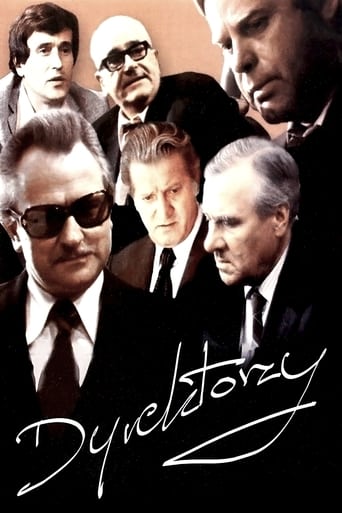
1957. Excessively high production standards imposed by the authorities result in the plan not being fulfilled, and the workers cannot imagine living normally without rewards and bonuses. A rebellion breaks out. Worker democracy wins – the working class elects a director from among its own ranks. He is an old locksmith with no managerial experience. Although he believes in the socialist spirit and has a communist past, he does not hold the position for long, as he makes promises too easily that he is unable to keep.
Dyrektorzy
1975
 8.0
No synopsis available yet.
Życie na gorąco
1979
 7.4
Marianek is an unlucky man and not successful in his affairs. At the same time, he is a dove-hearted man, sensitive to other people’s misfortunes and harm, willing to help, even at his own expense. He is always ready to solve the problems of others, although he is usually not very good at it. His favorite saying is “absolutely”.
Droga
1975
 7.5
Nikodem Dyzma immigrates from the eastern part of Poland to the capital in the hope for possibilities to make a living. He is in need, very poor and forced to look for basic food and shelter. Yet, on a day when an unexpected invitation appears, his life changes dramatically.
Kariera Nikodema Dyzmy
1980
 8.0
Set in the Kalisz Region in the second half of the 19th century after the failure of the January Uprising in 1863, the miniseries presents a unique portrait of an oppressed society as told through the life of the Niechcic family.
Nights and Days
1978
No synopsis available yet.
Podziemny front
1965
 8.0
Kolumbowie follows a group of Polish resistance fighters during WWII in the days leading up to the Warsaw Rising.
Colombuses
1970
 8.0
No synopsis available yet.
Przyłbice i kaptury
1986
 NR
No synopsis available yet.
Hrabina Cosel
1969
After the end of the war, the Polish authorities try to detain the head of the Warsaw Gestapo.
Powrót doktora von Kniprode
1966