
Acting
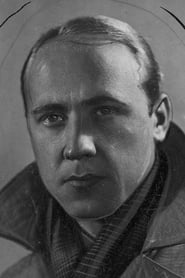
Janusz Ziejewski
Born — Died
1906-03-26 — 1973-11-26
Place of birth
Warszawa, Rosja (obecnie Polska)
Known for
Acting
Credits
34 titles
Known for
 8.0
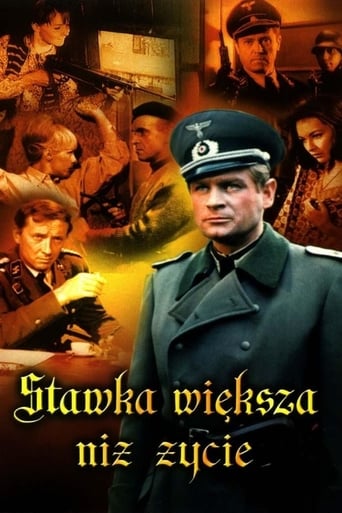
8.0A series about the adventures of a Polish secret agent, Hans Kloss, who acts as a double agent in the Abwehr during Second World War in occupied Poland.
More Than Life At Stake
1968
No synopsis available yet.
Podziemny front
1965
 7.1
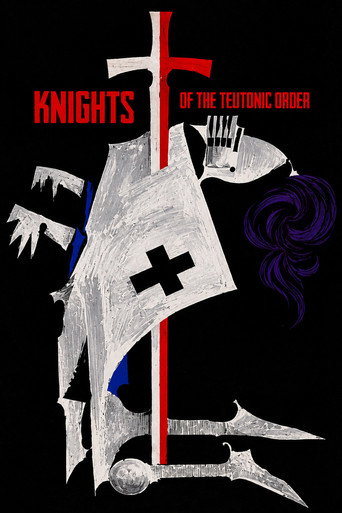
7.1A tale of a young impoverished nobleman, who with his uncle returns from a war against the order of the Teutonic Knights in Lithuania. He falls in love with a beautiful woman and pledges an oath to bring her "three trophies" from the Teutonic Knights.
Knights of the Teutonic Order
1960
 NR
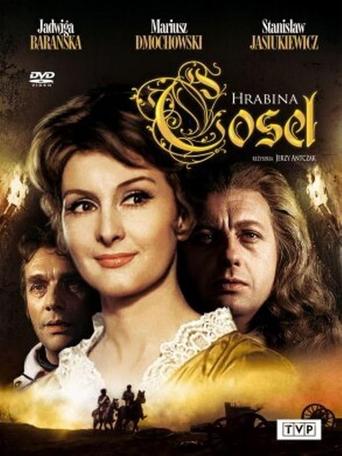
NRNo synopsis available yet.
Hrabina Cosel
1969
No synopsis available yet.
Gniewko, syn rybaka
1969
 5.3
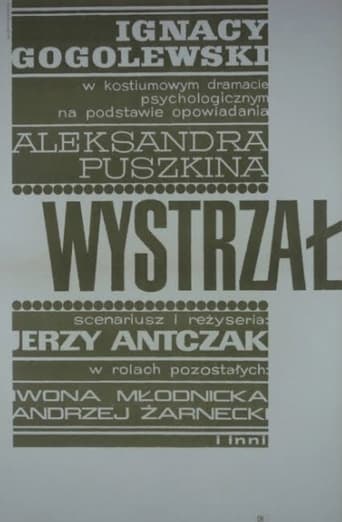
5.3Study of a man obsessively seeking revenge.
Wystrzał
1966
Film credits
1970s · 4 titles
 7.6
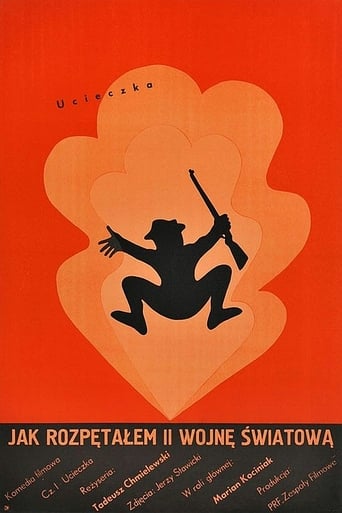
7.6On the night of August 31, 1939, Dolas, from a platoon reinforcing a train station on the German border, falls asleep in a train car and unknowingly crosses into Germany. The moment he shoots a German, who he thinks is a saboteur, the German invasion of Poland begins, and Dolas is convinced it was his fault. He is taken to Stalag POW camp, the first destination in his odyssey around Europe.
How I Unleashed World War II, Part I: The Escape
1970
 7.1
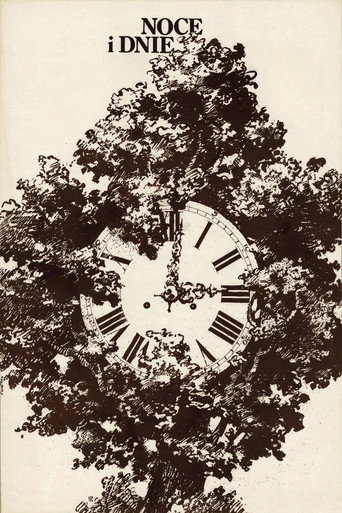
7.1A family saga of Barbara Ostrzeńska-Niechcic and Bogumił Niechcic against the backdrop of the January Uprising of 1863 and World War I. The film is a rather straightforward and faithful adaptation of a novel by Maria Dabrowska with the same title. The plot is woven around the changing fortunes of a noble (upper-class) Niechcic family in the pre-WWI Poland. There are two main crossing threads: a social history one and an existential one.
Nights and Days
1975
After an accident in a smelter plant kills two workers a crane operator decides to take full responsibility.
Facing the Truth
1970
 8.7
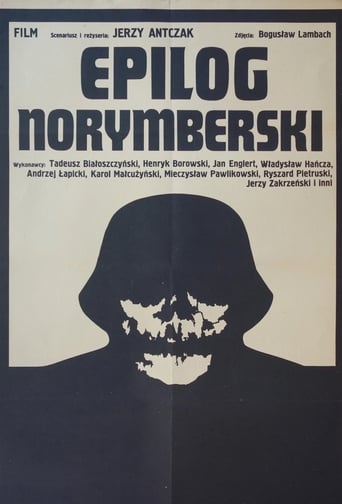
8.7Reproduction of the Nuremberg trials using transcripts, made for Polish TV.
Nuremberg Epilogue
1971
1960s · 12 titles
7.1A tale of a young impoverished nobleman, who with his uncle returns from a war against the order of the Teutonic Knights in Lithuania. He falls in love with a beautiful woman and pledges an oath to bring her "three trophies" from the Teutonic Knights.
Knights of the Teutonic Order
1960
5.3Study of a man obsessively seeking revenge.
Wystrzał
1966
 7.0
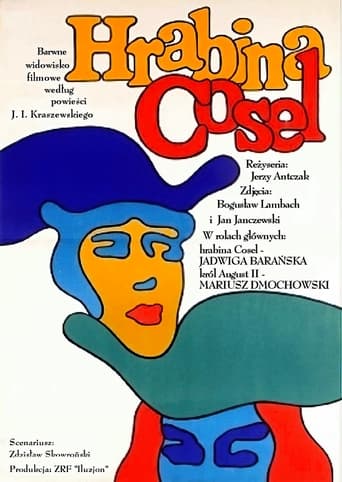
7.0The Countess Cosel is based on the true story of the beautiful Anna Constantia of Brockdorff, a German noblewoman who became a mistress of Augustus the Strong, King of Poland and Elector of Saxony in 1704.
Countess Cosel
1968
 7.0
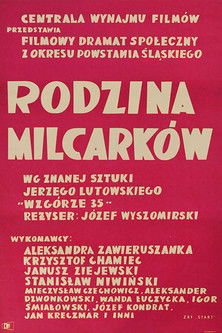
7.0The fate of a working-class family during the third Silesian Uprising.
Rodzina Milcarków
1962
A young doctor, accused of desecrating a body, is brought to the presence of the Inquisition.
The Tortures of Hope
1969
 6.7
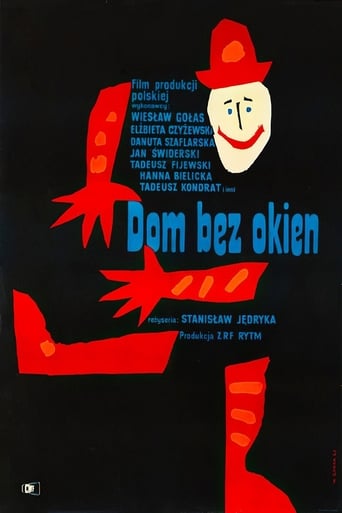
6.7All the ambiance of an old-fashioned circus comes across with great clarity in this otherwise routine psychological tale about a mean-spirited mime and his effects on his colleagues. The small, traveling circus has been sliding downhill for awhile, and unless some new life is infused into its acts, its future does not look very rosy. Into this precarious situation comes a new mime with the uncanny ability to sap the confidence of his fellow performers. If he continues for long in this vein, no one will be able to believe they have any talent left at all.
The Impossible Goodbye
1962
 5.2
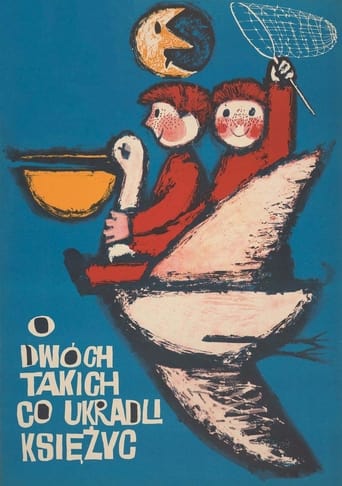
5.2Twin brothers, Jacek and Placek, are the town's troublemakers. They're lazy, greedy and also cruel. They despise hard work, so they cook up a plan to make easy money that would make them rich for the rest of their lives: steal the moon and sell it. They set on a journey to find a place where the moon would be low enough for them to steal. Before they leave, they take the last loaf of bread from their poor hardworking mother. After numerous adventures the boys manage to catch the moon in a fishing net. But it is only the beginning of their troubles.
The Two Who Stole the Moon
1962
 NR
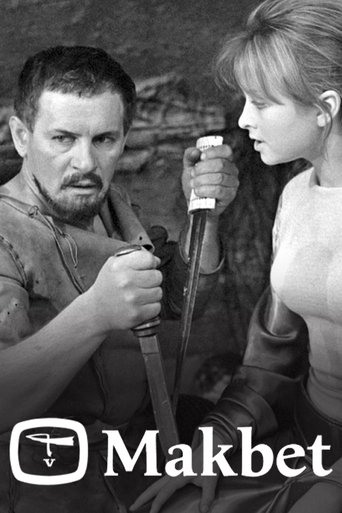
NRA staging of William Shakespeare's tragedy, directed in 1969 by Andrzej Wajda. The roles of Macbeth and Lady Macbeth are played by Tadeusz Łomnicki and Magda Zawadzka - actors who at that time gained popularity in the series "Pan Wołodyjowski". This perverse use of the artists' images by the director was intended to serve an interpretation of the tragedy that emphasizes Shakespeare's question: where does evil in man come from?
Makbet
1969
 7.2
7.2Three separate stories depicting the tense everyday life during occupation, as seen through the eyes of children. In “On the Road,” the two main protagonists are lost in the September’s strife: a young boy, and a soldier transporting the valueless documents of his broken unit. In “Letter from the Concentration Camp” the story’s protagonists are young boys who help their mother during the hardships of the occupation. Their treasure is an officer uniform belonging their father who is being held in a prisoner of war camp. In “Blood Drop,” the Germans find a set of typical Aryan characteristics in this story’s protagonist – a Jewish girl, hiding in an orphanage.
Birth Certificate
1961
 NR
NRThe first of six episode compilations of the TV show released theatrically, featuring episodes 1 and 3. In 1941, Polish soldier Stanisław Kolicki escapes German captivity only to be mistaken for the dashing Abwehr lieutenant Hans Kloss and recruited by the Soviets as their secret agent J-23. Under deep cover behind enemy lines, he feeds crucial intelligence to the Red Army while outwitting suspicions and dueling wits with the formidable SS officer Hermann Brunner.
More Than Life At Stake Part One
1969
 6.7
6.7A thriller about Polish Intelligence Service working on detecting a net of foreign spies.
Rendes-Vous with a Spy
1964
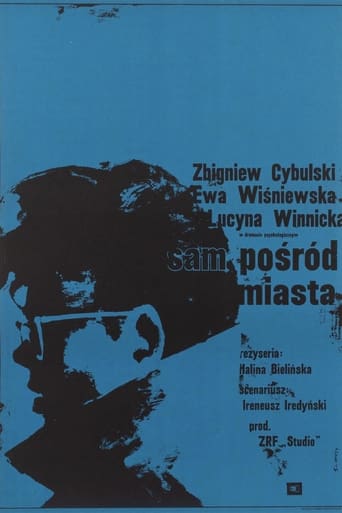 8.0
8.0Because of having a one-day plane delay, Konrad has to spend 24 hours wandering around Warsaw, visiting old friends and meeting some new ones.
Alone in the City
1965
1950s · 8 titles
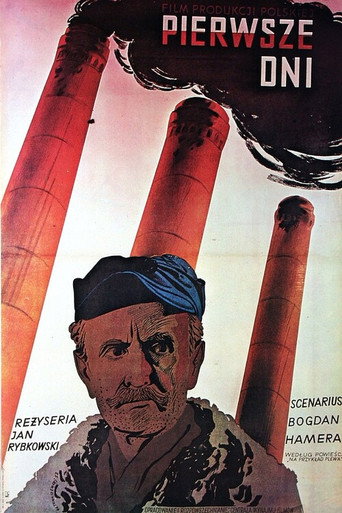 9.0
9.0An old worker secures the future of his steel mill during the war.
Pierwsze dni
1952
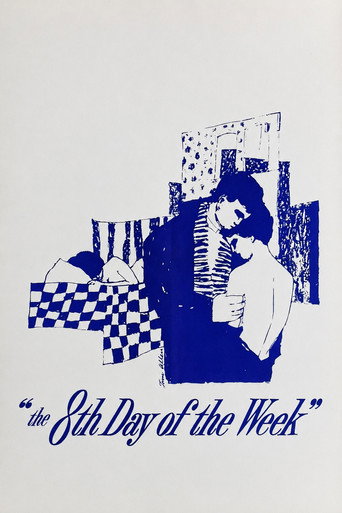 5.6
5.6Zbigniew Cybulski and Sonja Ziemann play lovers struggling to find happiness and privacy in overcrowded Warsaw. The movie shows an honest picture of life in a war-damaged city, contrasting the characters' difficulties with their dreams of a better life. It was banned in Poland in 1958 and would not be seen anywhere until its European release one year later.
The Eighth Day of the Week
1958
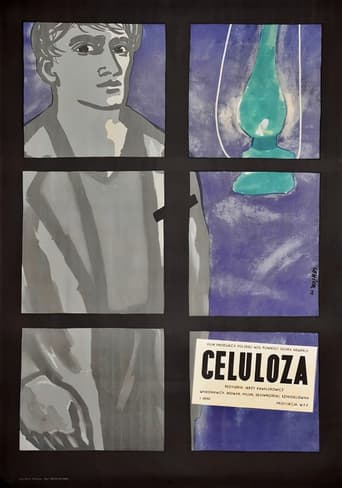 6.5
6.5Through the fate of the boy - whose hunger drives from his home village , and who receives a severe school of life , going through different social environments in order to become conscious , revolutionary activist - creators show a realistic panorama of conflicts in pre-WWII Poland.
Cellulose
1954
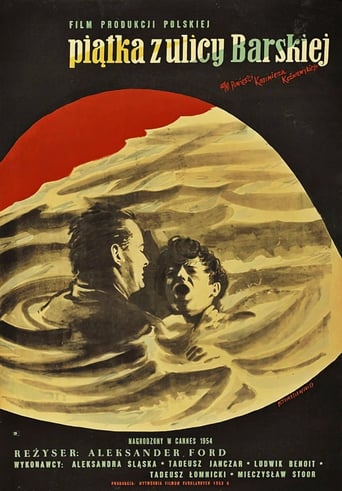 5.9
5.9In war-ravaged Warsaw, five juvenile delinquents are given probation for stealing, to rehabilitate themselves, but remain under the influence of their profiteer-boss.
Five Boys from Barska Street
1954
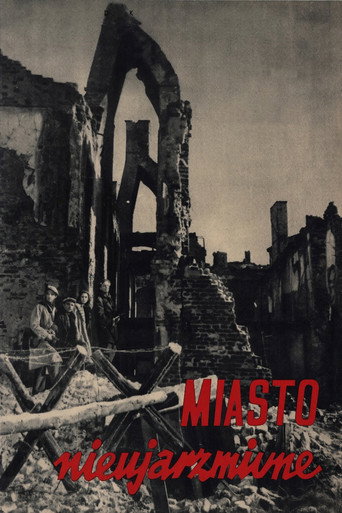 6.0
6.0Warsaw after the fall of the Warsaw Uprising. The Germans expel the civilian population and then proceed to systematically destroy the city. The capital is transformed into a sea of rubble, among which a few survivors hide – modern-day Robinsons. One of them is Piotr Rafalski, who rescues Krystyna, a wounded Jewish woman. Three soldiers of the People's Army, cooperating with a Soviet telegraph operator, are also in the city.
Unvanquished City
1950
Karwowski, son of a pre-war colonel, is transferred from the West to Poland with the task of assembling a spy and diversion network. The task seems to be easy. However, after landing in Poland, it turns out that nobody wants to cooperate with him. Karwowski's "100% reliable" contacts with potential collaborators turn out to be completely outdated.
Career
1955
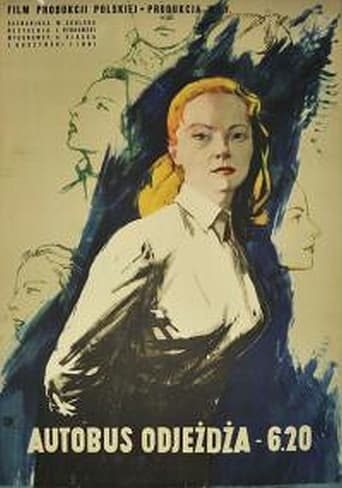 7.0
7.0A young hairstylist leaves her husband and joins a group of working women.
The Bus Leaves at 6.20
1954
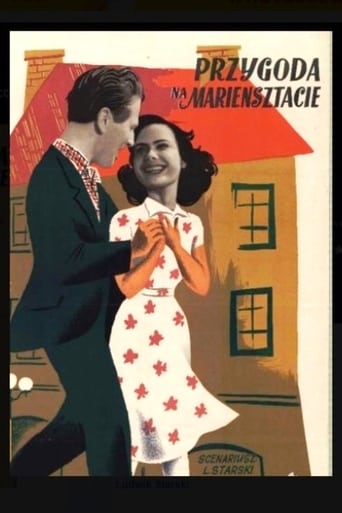 6.5
6.5While visiting Warsaw, Hanka falls for a record-breaking bricklayer. She returns to the city to work at construction sites and prove that women can work as hard as men
Adventure in Marienstadt
1954
1930s · 2 titles
 NR
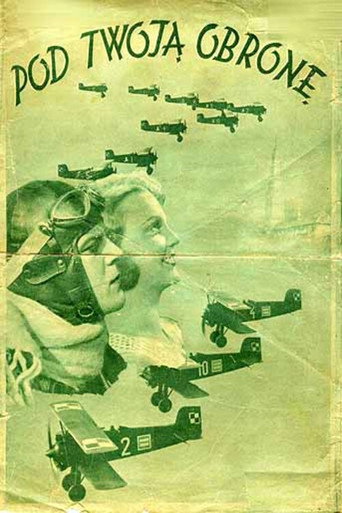
NRJan Polaski, after graduating from an aviation school, returns to his hometown as an aviation officer.
Pod Twoją obronę
1933
 5.1
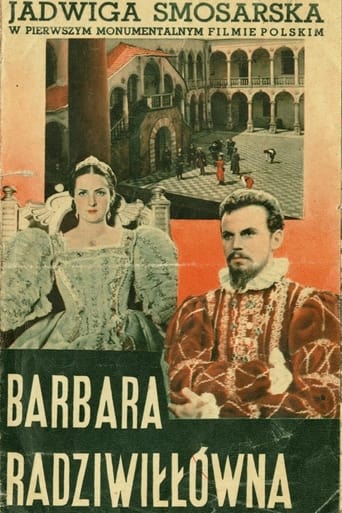
5.1King Sigismund II Augustus of Poland secretly falls in love with Barbara Radziwiłłówna, a noblewoman of Lithuanian magnate lineage, defying his mother Queen Bona’s plans to wed him to a French princess.
Love or a Kingdom
1936
Series credits
8.0A series about the adventures of a Polish secret agent, Hans Kloss, who acts as a double agent in the Abwehr during Second World War in occupied Poland.
More Than Life At Stake
1968
No synopsis available yet.
Podziemny front
1965
NRNo synopsis available yet.
Hrabina Cosel
1969
No synopsis available yet.
Gniewko, syn rybaka
1969