
Acting
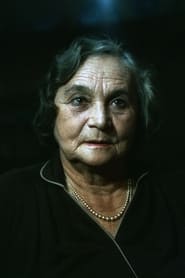
Helena Kowalczykowa
Born — Died
1907-02-25 — 1999-08-07
Place of birth
Kossów Podlaski, Rosja (obecnie Polska)
Known for
Acting
Credits
40 titles
Known for
 8.3
8.3The Ten Commandments, exact and uncompromising, literally cast in stone, continues to provide a source of moral conflict in contemporary society. In the ten part collection of films, The Decalogue, Krzysztof Kieślowski examines the dilemma of fundamental sin in the lives of ordinary Warsaw citizens.
Dekalog
1989
 7.3
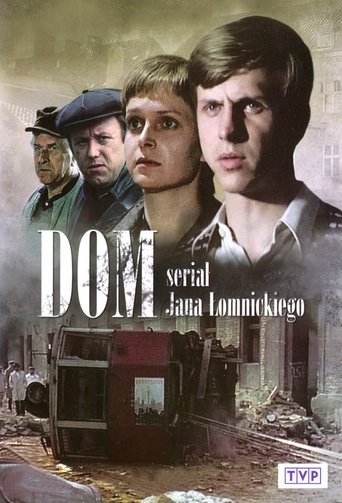
7.3The story of the residents of a tenement house on Złota Street in Warsaw from 1945 to 1980.
Dom
1980
 7.5
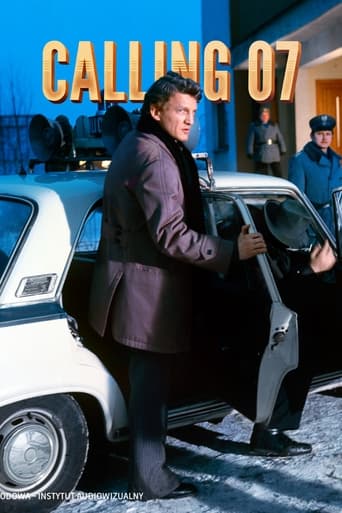
7.5The series centres around the investigations of Police Lieutenant Sławomir Borewicz. Each episode features a different case being solved by Borewicz.
Calling 07
1976
 8.0
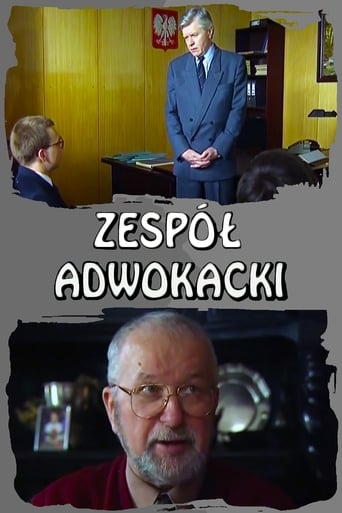
8.0A story about the professional and personal struggles of the lawyers at a law firm in a town near Warsaw. In their work, they encounter a wide range of human problems, while often dealing with complicated family lives of their own.
Zespół adwokacki
1994
 8.4
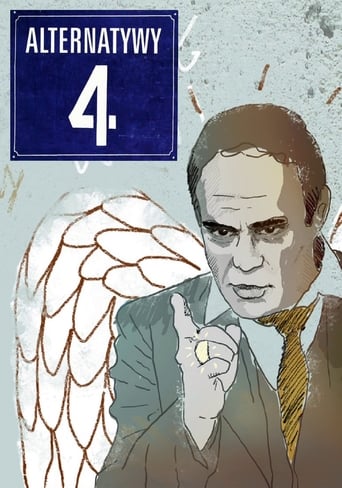
8.44 Alternative Street was a Polish comedy TV show that was finished in 1983 and aired in 1986 due to censorship. Many famous Polish actors appeared in the series. The filming location used in the mini series was a residential complex which is still in existence at 3 Grzegorzewska Street in Warsaw, Poland. The series was a satire to the communist rule in Poland, spoken in a way that it passed through communist censorship office.
4 Alternative Street
1986
 7.9
7.9No synopsis available yet.
Tulipan
1987
Film credits
1990s · 2 titles
 5.5
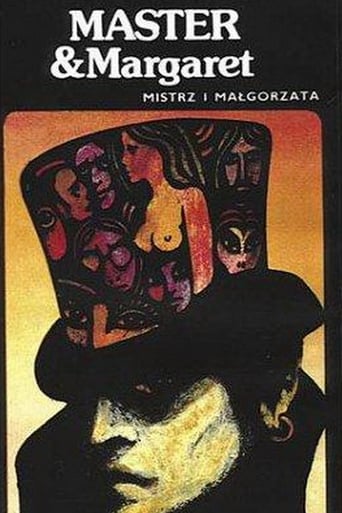
5.5The Master and Margarita (Mistrz i Małgorzata) is a four-part Polish television production based on the novel by Mikhail Bulgakov.
The Master and Margarita
1990
 4.7
4.7Poland, 1945. Crowds of repatriates are traveling from east to west in search of new homes and loved ones lost during the war. At one of the train stations, a young woman, Hanna Powiłańska, sits among the crowd of displaced persons. The girl recalls a story of turbulent love. Before the war, at a carnival ball, she met the handsome Lech Oleszkiewicz. In September, war broke out. Hanna meets the engineer again and spends the night with him. In the morning, the man tells her that he is married. Hanna breaks off the relationship.
Gorzka miłość
1990
1980s · 25 titles
 8.0
8.0Jacek, an angry drifter, murders a taxi driver, brutally and without motive. His case is assigned to Piotr, an idealistic young lawyer who is morally opposed to the death penalty, and their interactions take on an emotional honesty that throws into stark relief for Piotr the injustice of killing of any kind.
Decalogue V
1989
 5.6
5.6Russia, 1870. A group of young anarchist revolutionaries set out to overthrow the Czarist regime through violence. Their attacks create a climate of psychosis and mutual distrust among the population, but in reality, both revolutionaries and repressors are being manipulated by a diabolical individual.
The Possessed
1988
Józef comes to his hometown on the anniversary of the murder of his father - a peasant activist, and explores the circumstances of his death.
Piętno
1985
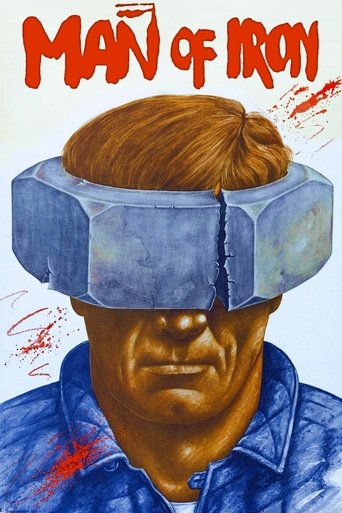 7.0
7.0In Warsaw in 1980, the Communist Party sends disgruntled radio reporter Winkel to Gdańsk to dig up dirt on the shipyard strikers - particularly on Maciek Tomczyk, an independent labour union leader whose father was killed in the December 1970 protests. Posing as sympathetic, Winkel interviews the people surrounding Tomczyk, including his detained wife, Agnieszka.
Man of Iron
1981
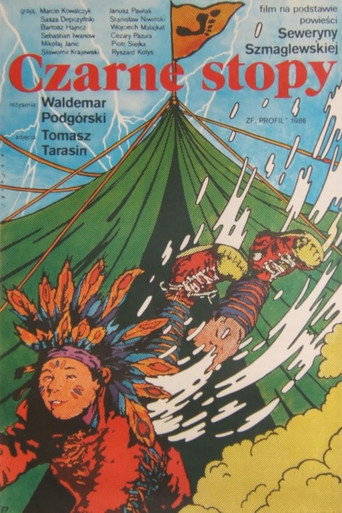 6.6
6.6A group of Boy scouts who name themselves Black Feet learn lessons about honor and brotherhood in a camp.
Black Feet
1987
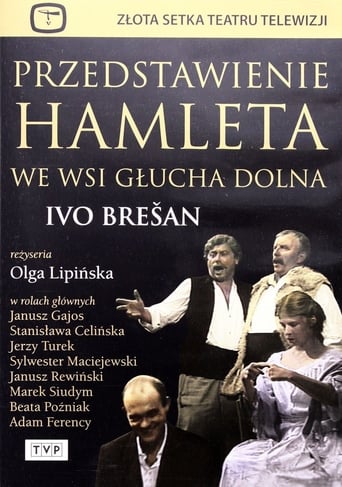 10.0
10.0Based on the play "Predstava Hamleta u selu Mrduša Donja" by Croatian playwright Ivon Brešan. The story is set in the 1960s in a Yugoslavian village, where an activist of a production cooperative decides to stage Shakespeare's Hamlet in a version prepared by a village teacher.
Przedstawienie Hamleta we wsi Głucha Dolna
1987
Professor Borusiewicz receives a high state decoration, while family and friends await him at home.
Laureat
1980
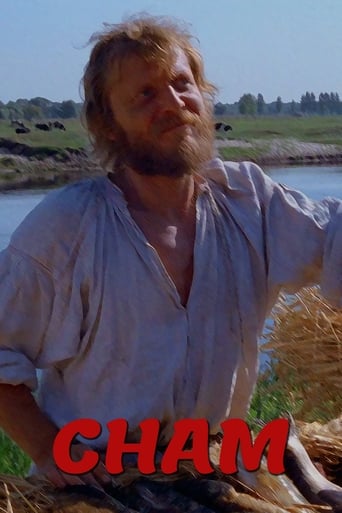 6.3
6.3No synopsis available yet.
Cham
1980
The writer Jan Kellert - the author of the widely known book "The Legend of the Vistula", which is part of the canon of pre-war middle school reading, comes from Lublin to Żmurki, where he spent the occupation. The division of the Żmurki estate is to take place the next day. The welcome dinner becomes an opportunity to exchange political views and a critical view of the manor's inhabitants on the current situation.
Jan
1984
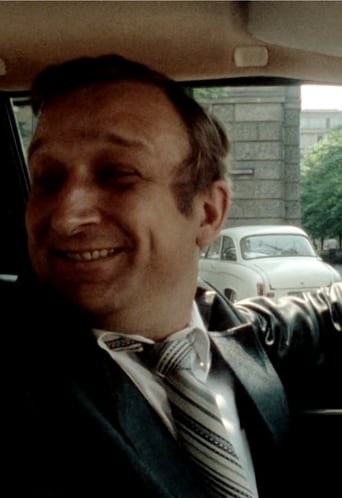
A distinguished engineer is informed of being forcibly transferred from his current workplace to another construction site.
Ślepy bokser
1982
 5.0
5.0No synopsis available yet.
Fik-Mik
1988
A dying man, influenced by a neighbor in the hospital room, decides to enjoy his life.
Wcześnie urodzony
1986
 6.3
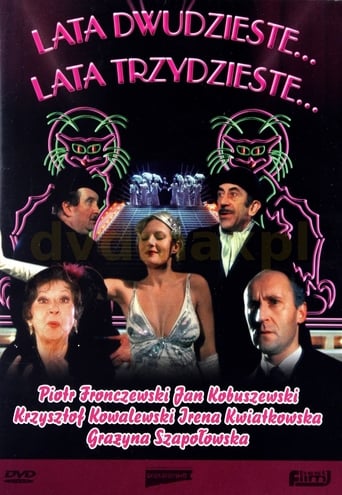
6.3On the way to Warsaw after a crude oil fraud in southern Poland, conman Adam Deren meets singer Liza. He decides to invest his money in a venture deemed to be a failure - a small cabaret where Liza could perform.
The Twenties, the Thirties
1984
A Jewish woman escaping from a transport helps a family poisoned by carbon monoxide. The young host decides to hide the girl.
Nie było słońca tej wiosny
1984
 6.8
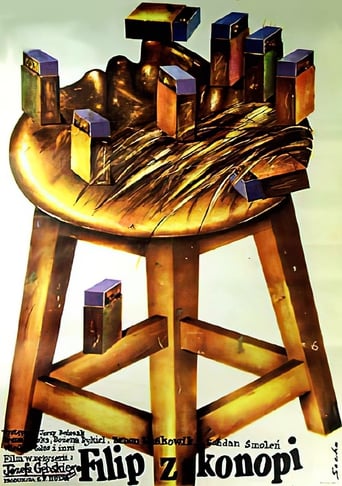
6.8No synopsis available yet.
Filip z konopi
1981
 6.3
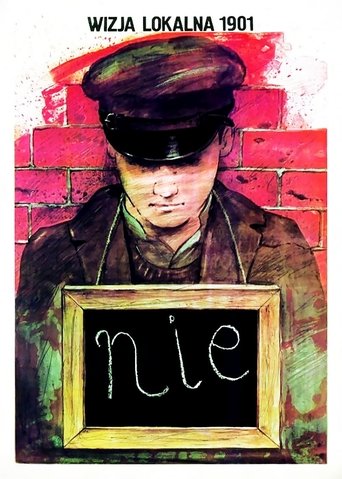
6.3More documentary in its approach than dramatized history, this is a compelling story about a 1901 children's strike in Wrzesnia near the Polish border with Prussia. Poland was partitioned at this time, and a rigidly patriotic Prussian teacher in Wrzesnia follows the dictates of the Germans in parliament and insists that the children be taught their religion classes in German. When the children refuse to take part in the classes, they are supported by the local priest, but that does not save them from being beaten. They are also kept after school and tormented in other ways as well. Newspapers, parents, and the nation as a whole get involved, transforming a simple children's strike into a national incident.
Wizja lokalna 1901
1981
 5.8
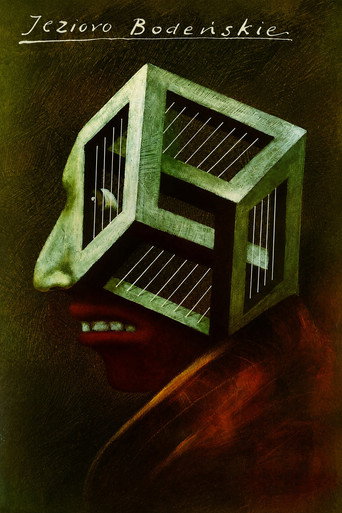
5.8A Pole who spent time in an internment camp during the war on the Swiss-German border, visits the site many years later and recalls these days. He meets with other Poles confined in the same camp, including several women, in whose he had romantic interests.
Sons and Comrades
1986
 8.0
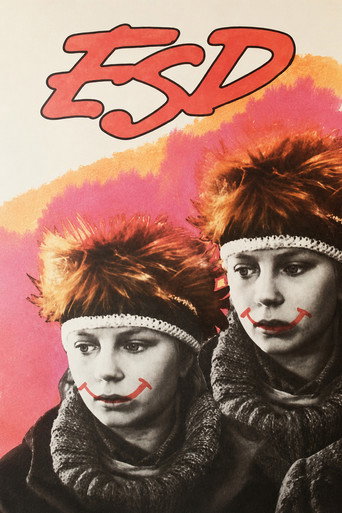
8.0The Borejko family has four daughters — Gabriela, Ida, Natalia and Patricia. Most concern causes the red-haired Ida, whose unusual ideas often end badly, though the girl has the best intentions. Her father, who works at the university as a classical philologist, gives her the idea to found a group called ESD. They want to try out the theory that you are more successful if you send out more positive signals to the environment. Soon this theory will be put to the test. Ida's mother has to go to the hospital and the entire burden of household chores falls on the children.
ESD
1987
 7.5
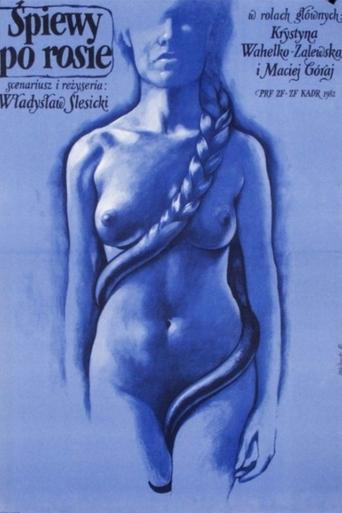
7.5A portrait of a small, contemporary village, shaken by the return of one of its residents from prison. Zdzich returns from prison to a small village on the edge of the Augustów Primeval Forest. He was accused of shooting a militiaman and, despite the clear bias of the witnesses, he was convicted. Now the locals fear that his return will bring revenge for the false accusations. Zdzich hides in the forest. One day, he meets Romanek, the son of Jadźka, whose honor he once defended in a fight with others. Romanek cannot answer who his father is. Their meetings become more frequent and turn into friendship. Zdzich decides to come out of hiding and makes a show of attending church. He proposes to Jadźka and is accepted. He also explains the circumstances of his arrest to the locals. The next day, the forester is killed by a mysterious bullet. Zdzich was the last person seen with him. This causes unrest in the village.
Śpiewy po rosie
1982
 5.8
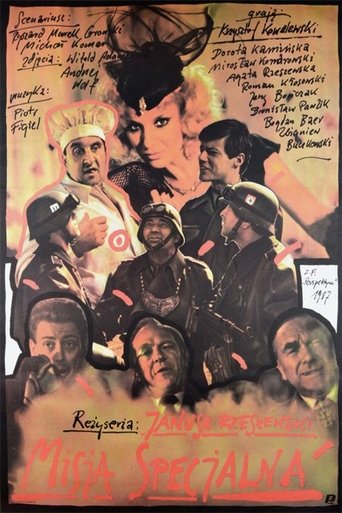
5.8In 1943, a drunk cook is mistaken for a secret agent and sent on a special mission from London to Nazi-occupied Poland.
Special Mission
1987
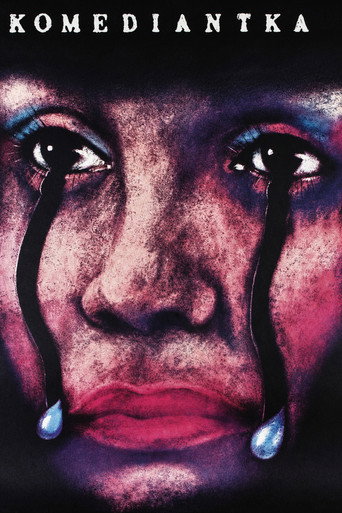 6.3
6.3A young woman runs away from her home to the big city, gets a job in theatre and gets involved with shady characters.
Komediantka
1987
Wiktor Wiarecki is an unsuccessful writer. He is also not successful in his personal life: Wiktor's marriage is in crisis, and his adult son wants nothing to do with his father. The turning point is the death of his friend Wiarecki, an outstanding writer Stefan Przewłocki. A literary widow gives Wiktor the materials for the deceased's last novel.
Ciosy
1981
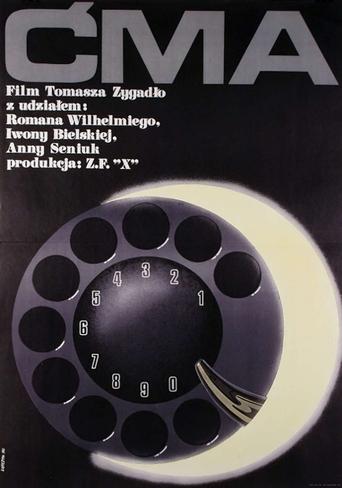 6.3
6.3This is psychological drama by Tomasz Zygadlo begins as a straightforward story. Jan is the host of a nightly talk show in which he counsels people who call in with their problems. He is dedicated to helping these lonely souls but becomes increasingly disturbed when his co-workers and supervisors at the radio station do not appreciate his program; they seem unable to grasp the importance of what he is doing. Aside from that, Jan's private life is frayed around the edges. His wife is a heavy drinker and his mistress has no comprehension about who he is or what he is doing. Jan's frustration over this lack of recognition builds to an explosive level, threatening to upset the balance of his daily life.
The Moth
1980
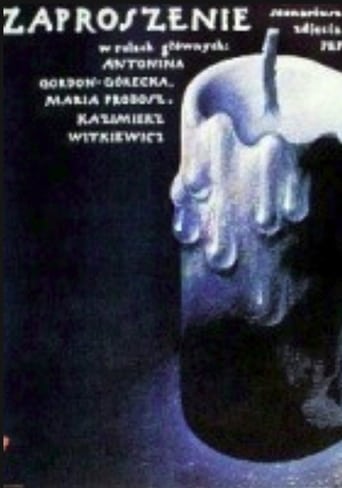 6.5
6.5The main character is Anna, an outstanding pediatrician. She survived the harsh years of war in a concentration camp and cannot accept the behavior of her daughter Natalia, who uses her connections and cares only about material goods. Anna is reminded of 1939, when Piotr, who had been missing for forty-five years, arrives in Poland. Together, they visit places that are important to them: Auschwitz, Sachsenhausen, and Ravensbruck.
Invitation
1986
Christmas is an occasion for four friends to summarize the previous year of their lives.
Dwie wigilie
1987
1970s · 5 titles
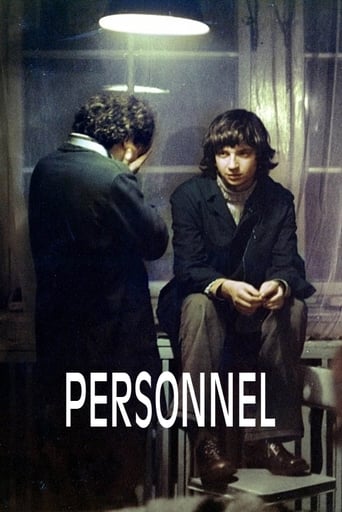 6.4
6.4Romek, an idealistc 19-year-old boy, takes a job as a tailor in the costume department of a Warsaw theater company where his new colleague, Sowa, is pressured to make a costume for an overbearing soloist.
Personnel
1976
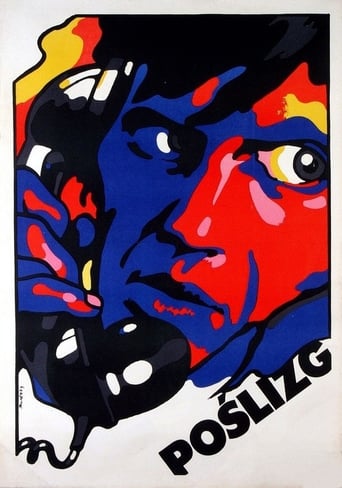 6.8
6.8A young man strikes up an ill-fated romance with a married woman.
A Slip-Up
1972
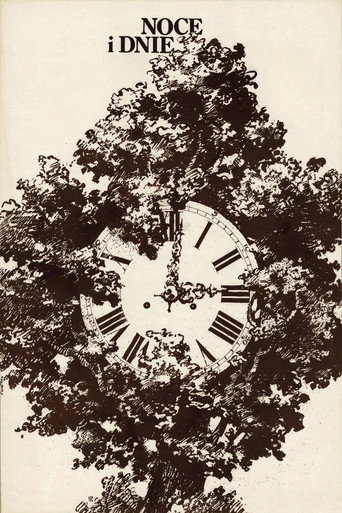 7.1
7.1A family saga of Barbara Ostrzeńska-Niechcic and Bogumił Niechcic against the backdrop of the January Uprising of 1863 and World War I. The film is a rather straightforward and faithful adaptation of a novel by Maria Dabrowska with the same title. The plot is woven around the changing fortunes of a noble (upper-class) Niechcic family in the pre-WWI Poland. There are two main crossing threads: a social history one and an existential one.
Nights and Days
1975
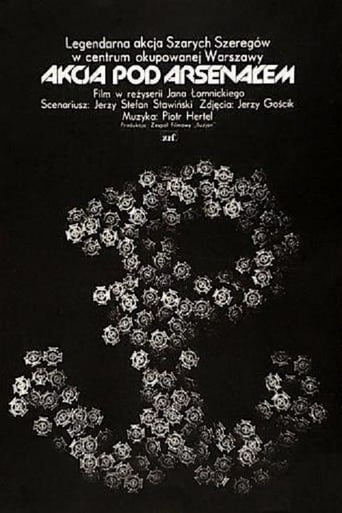 6.8
6.8In Nazi-occupied Warsaw, teenage scouts Alek, Rudy, and Zośka risk their lives pulling down a swastika and hoisting the Polish flag atop the German “Zachęta” cultural center and then blowing up a mobile propaganda cinema.
Operation Arsenal
1977
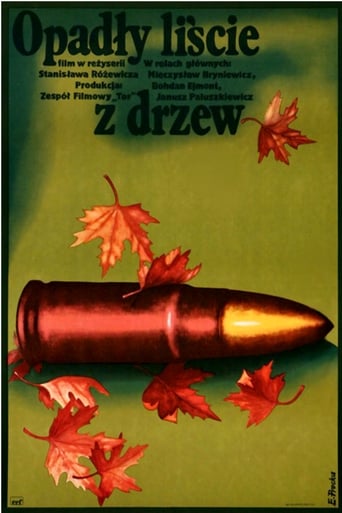 5.7
5.7Two years after the war, during a train trip, Henryk (20) recollects the occupation period. He passes different train stations and recollects various situations from the past: his family life, working in a garage, guerrilla warfare, the fear that accompanied him every day. He’s looking at the travellers’ faces, including the ones who have survived the war.
The Leaves Have Fallen
1975
Series credits
8.3The Ten Commandments, exact and uncompromising, literally cast in stone, continues to provide a source of moral conflict in contemporary society. In the ten part collection of films, The Decalogue, Krzysztof Kieślowski examines the dilemma of fundamental sin in the lives of ordinary Warsaw citizens.
Dekalog
1989
7.3The story of the residents of a tenement house on Złota Street in Warsaw from 1945 to 1980.
Dom
1980
7.5The series centres around the investigations of Police Lieutenant Sławomir Borewicz. Each episode features a different case being solved by Borewicz.
Calling 07
1976
7.5The series centres around the investigations of Police Lieutenant Sławomir Borewicz. Each episode features a different case being solved by Borewicz.
Calling 07
1976
8.0A story about the professional and personal struggles of the lawyers at a law firm in a town near Warsaw. In their work, they encounter a wide range of human problems, while often dealing with complicated family lives of their own.
Zespół adwokacki
1994
8.44 Alternative Street was a Polish comedy TV show that was finished in 1983 and aired in 1986 due to censorship. Many famous Polish actors appeared in the series. The filming location used in the mini series was a residential complex which is still in existence at 3 Grzegorzewska Street in Warsaw, Poland. The series was a satire to the communist rule in Poland, spoken in a way that it passed through communist censorship office.
4 Alternative Street
1986
7.9No synopsis available yet.
Tulipan
1987
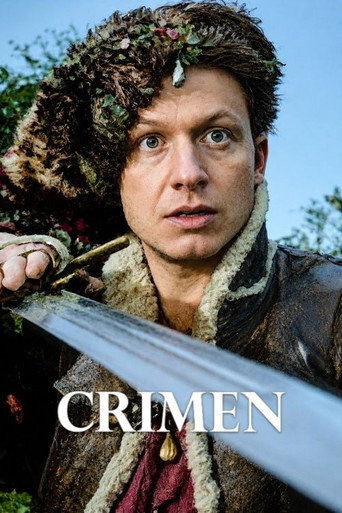 9.0
9.0No synopsis available yet.
Crimen
1990