
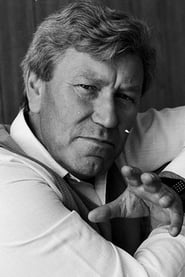
Acting
Wirgiliusz Gryń
Born — Died
1928-06-09 — 1986-09-03
Place of birth
Mydlice (obecnie Dąbrowa Górnicza), Polska
Known for
Acting
Credits
68 titles
Known for
 7.3
7.3The story of the residents of a tenement house on Złota Street in Warsaw from 1945 to 1980.
Dom
1980
 7.4
7.4Marianek is an unlucky man and not successful in his affairs. At the same time, he is a dove-hearted man, sensitive to other people’s misfortunes and harm, willing to help, even at his own expense. He is always ready to solve the problems of others, although he is usually not very good at it. His favorite saying is “absolutely”.
Droga
1975
 8.5
8.5No synopsis available yet.
Trzecia granica
1976
 8.0
8.0Kolumbowie follows a group of Polish resistance fighters during WWII in the days leading up to the Warsaw Rising.
Colombuses
1970
 7.0
7.0Engineer Bogdan Zawada moves to the construction of a port on the Baltic Sea. The man tries to arrange his personal and professional life in a new environment.
Znaki szczególne
1977
 6.1
6.1Told in flashback as Mieszko lies feverish in his bed just before the Battle of Cedynia, Gniazdo recounts how the revered leader extended Poland's borders, formed an alliance with Emperor Otto I, and ultimately strengthened his country's autonomy by achieving victory during that crucial battle in the year 972.
The Nest
1974
Film credits
1980s · 21 titles
 8.3
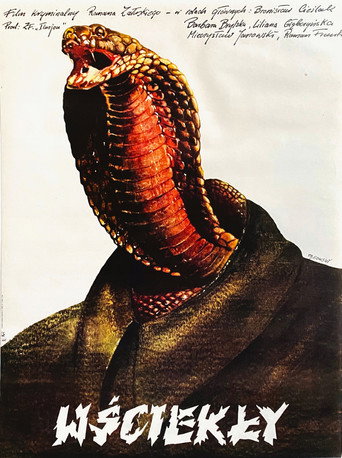
8.3Detective thriller about a killer loose in the crowds. The film follows a sniper on his rounds looking for victims, while a police inspector, with few clues in hand, has to figure out the motive for the killings as well as who the psychopath is and where he might strike next. He uncovers that the mentally deranged sniper can't stand seeing people happy together in public places.
Mad Dog
1980
A docu-fiction movie portraying the Polish Brethren religious group over the years.
Sąd nad Braćmi Polskimi
1984
 6.2
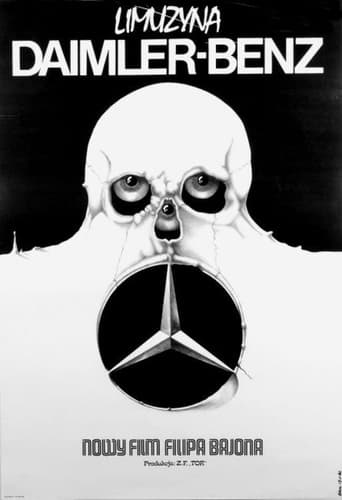
6.2Two brothers living in 1939 Poland decide on a whim to steal the limousine of a German consul. The seemingly small act of youthful rebellion will have massive ramifications on the two, each dealing with the aftermath in their own way - one resorts to art, the other to direct political action.
Daimler-Benz Limousine
1983
 7.0
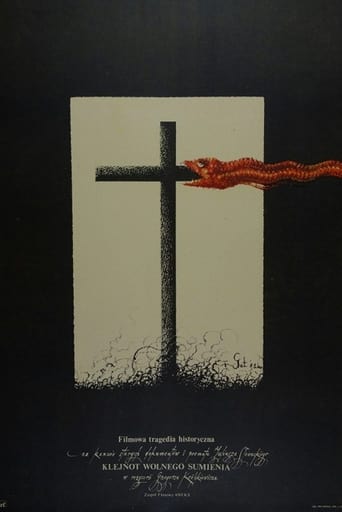
7.0The Republic of Poland of the 16th century. During the period of religious tolerance, the Sieniawski and Bielecki families compete with each other.
Klejnot wolnego sumienia
1983
A film from the "Silhouettes of Polish Literature" series
"Ty pójdziesz górą..." (Eliza Orzeszkowa)
1980
No synopsis available yet.
Bołdyn
1981
 5.8
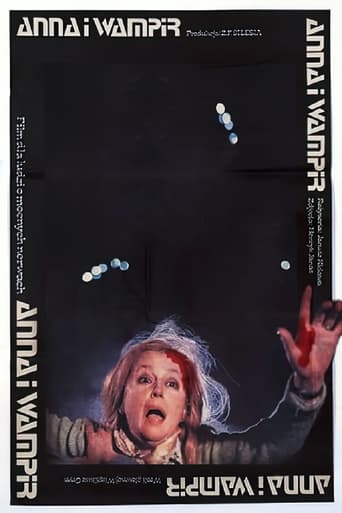
5.8A reconstruction of the capture of Polish serial killer Zdzisław Marchwicki – the Vampire from Zagłębie.
„Anna” i wampir
1981
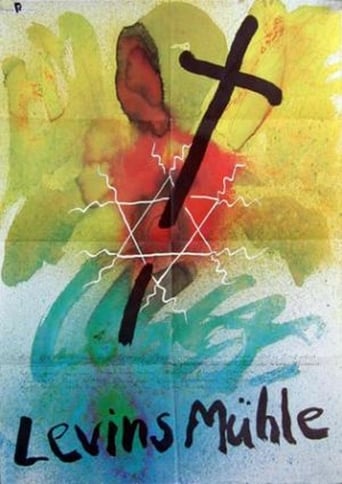 9.0
9.0In a small village in West Prussia in the 1870s, Germans, Poles, Gypsies and Jews live together as neighbors. One night Johann, a German mill-owner, secretly opens the dam gates and floods the mill of his Jewish rival Levin. After his business is ruined and his calls for justice go unanswered, Levin leaves town.
Levin's Mill
1980
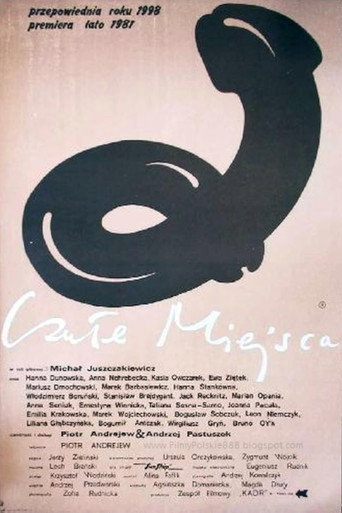 7.1
7.1The year is 1998 and the world is in an ecological cataclysm: there is shortage of water, environment is polluted and being outside brings high risks. The main character is a tv technician, Jan, an individualist, who is harassed by the conformists. Jan loves Ewa, a ballet student, who in turn is in a liaison with Allan, a successful and powerful man.
Tender Spots
1981
A unit of the People's Army celebrates the moment of liberation of the country. They remember the times of occupation, the actions they took, and their fallen colleagues.
Bohun and Kmicic
1984
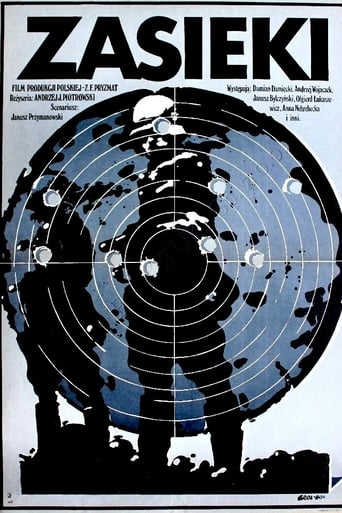 10.0
10.0Three Kościuszko Division soldiers, each of a different background, volunteer to take up the task of cutting German barbed wire before an offensive.
Barbed Wire
1983
The film, which was shot in the summer of 1981, was not edited until 1988. A triptych addressing the problems of the Polish countryside, depicting the fate of peasants in post-war Poland, from the decree on reform through all the turning points: 1956, 1970, and finally May 12, 1981—the day "Solidarność Wiejska" (Rural Solidarity) was registered.
Chłopski los - tryptyk filmowy
1988
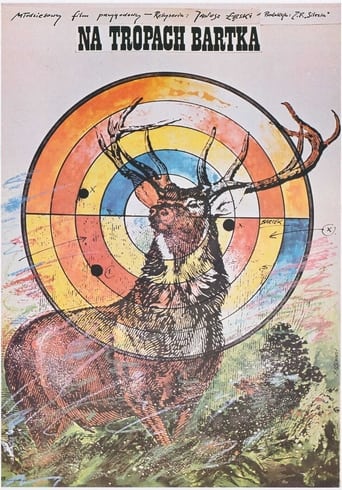 10.0
10.0Friends, with the help of the gamekeeper and forester, try to catch the poacher.
Na tropach Bartka
1984
A small village during the period of agricultural reforms in 1945. The two protagonists, a terminally ill count and his housemaster, engage in a private game that consists of artificially maintaining the social hierarchy which reigned here for centuries.
The Housemaster
1980
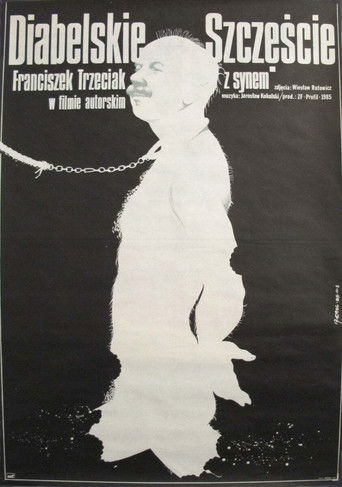 NR
NRFranciszek Mazur is a famous actor. One day, while returning from a holiday in the countryside, a serious accident occurs. Mazur's wife is seriously injured. When she learns about her husband's affair, she falls down the stairs and dies. But Mazur's life with his new wife is not happy ...
Diabelskie szczęście
1985
The 1920s, the southern border of Poland. Smuggler Józef Trofida is released from prison. From his friend Władek, he learns that he has lost his dominant position in the world of smuggling to the Alińczuk clan. To change this, Trofida organizes further expeditions, which multiply his wealth many times over. The next smuggling operation—exposed by Alińczuk—ends with Józef's death. Władek decides to take revenge on the hated clan.
Przemytnicy
1985
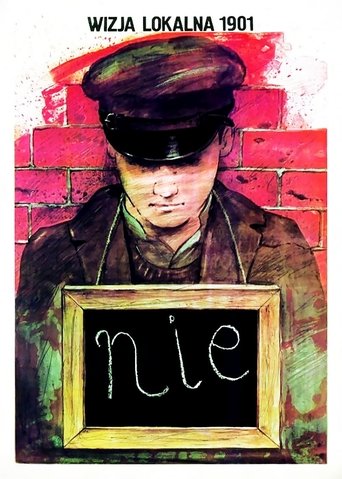 6.3
6.3More documentary in its approach than dramatized history, this is a compelling story about a 1901 children's strike in Wrzesnia near the Polish border with Prussia. Poland was partitioned at this time, and a rigidly patriotic Prussian teacher in Wrzesnia follows the dictates of the Germans in parliament and insists that the children be taught their religion classes in German. When the children refuse to take part in the classes, they are supported by the local priest, but that does not save them from being beaten. They are also kept after school and tormented in other ways as well. Newspapers, parents, and the nation as a whole get involved, transforming a simple children's strike into a national incident.
Wizja lokalna 1901
1981
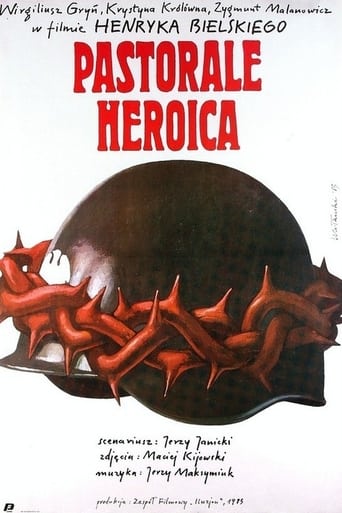 10.0
10.0March 1945. After crossing the Oder River, one of the Polish Army units heading for Berlin encounters resistance from German defensive formations. After a fierce exchange of fire, a doctor operates on seriously wounded soldiers. Private Józef Łopuch helps him in the field hospital and also serves as a barber. Łopuch, who despite sending over twenty letters has received no reply from his wife Sabina, composes another letter assuring his wife that although war is a nasty business, nothing can happen to him, as he was born in a forge...
Pastorale heroica
1984
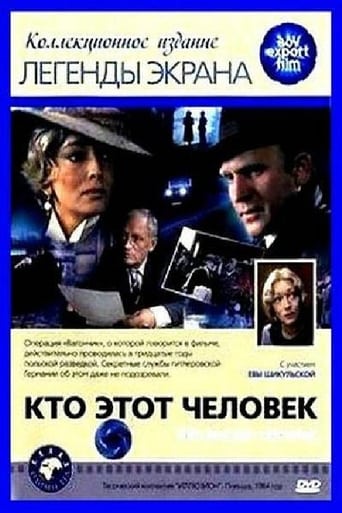 9.0
9.0Based on actual events in 1982, the film recreates a hostage-taking in Switzerland. Four men storm the Polish embassy: a criminal, a crazed killer, a student and an idealist. When the embassy is stormed by the police, the four captors react differently.
Ultimatum
1984
A young PhD student is trying to get 34 dogs for his research.
Wyłap
1984
No synopsis available yet.
Biała Gorączka
1981
1970s · 34 titles
6.1Told in flashback as Mieszko lies feverish in his bed just before the Battle of Cedynia, Gniazdo recounts how the revered leader extended Poland's borders, formed an alliance with Emperor Otto I, and ultimately strengthened his country's autonomy by achieving victory during that crucial battle in the year 972.
The Nest
1974
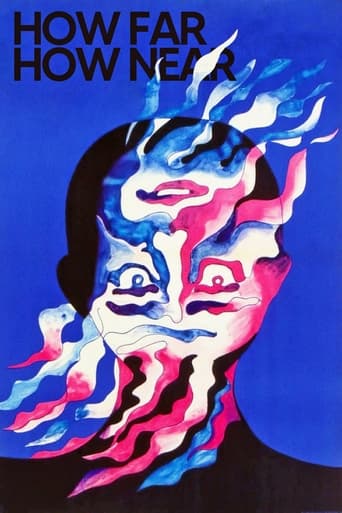 6.2
6.2A middle-aged man sets out on a symbolic journey through past, present, and future to learn why an old friend committed suicide, and learns much about his own life along the way.
How Far, How Near
1972
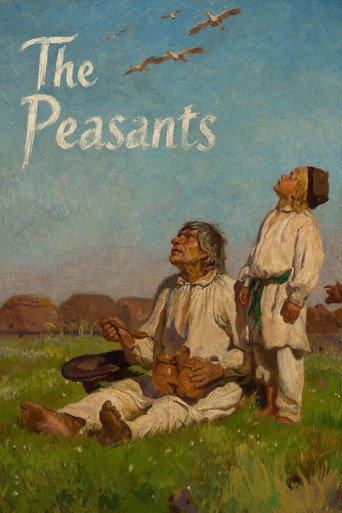 5.8
5.8In a bucolic Polish hamlet, the tense relationship between a father and son reaches a boiling point when the men lose their hearts to the same woman and vie for her affections. Based on Wladyslaw Reymont's Nobel Prize-winning book and helmed by Jan Rybkowski, this theatrical release (starring Krzystof Chamiec, Wladyslaw Hancza and Emilia Krakowska) was culled from a 13-episode miniseries that aired on Polish television in 1972.
The Peasants
1973
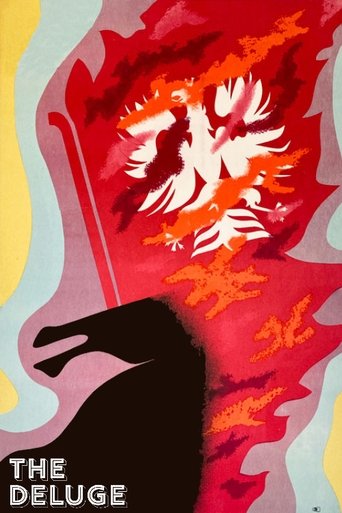 7.2
7.2During the Swedish invasion of Poland, the brave warrior Andrzej Kmicic, considered a traitor to the nation, fights for a country, redemption and love across the 17th-century Polish territories.
The Deluge
1974
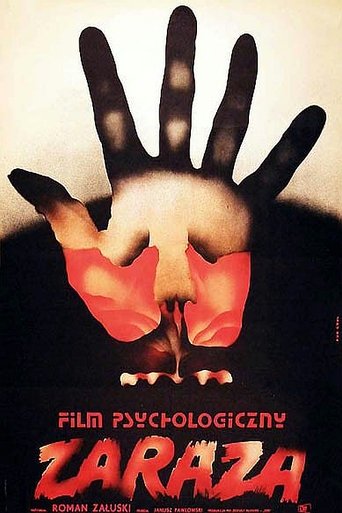 9.0
9.0Based on a true outbreak of smallpox in Wroclaw. A young doctor picks up a girl and they go to bed, but the night is ruined by the doctor being called to the epidemic. The doctor has to leave, and when it is all over, runs into her with another man.
The Epidemic
1972
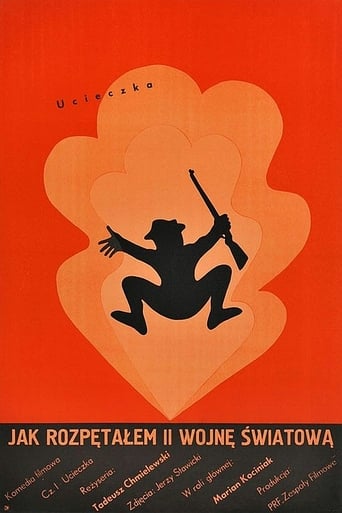 7.6
7.6On the night of August 31, 1939, Dolas, from a platoon reinforcing a train station on the German border, falls asleep in a train car and unknowingly crosses into Germany. The moment he shoots a German, who he thinks is a saboteur, the German invasion of Poland begins, and Dolas is convinced it was his fault. He is taken to Stalag POW camp, the first destination in his odyssey around Europe.
How I Unleashed World War II, Part I: The Escape
1970
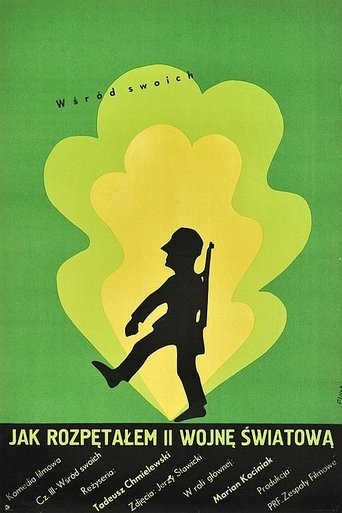 7.6
7.6Disguised as an Italian medic, Dolas finds himself on a ship evacuating wounded Axis soldiers to Italy. He leaves the ship disguised as a Nazi soldier, but is found out, declared a deserter and sent to the Eastern Front. However, on the flight to Russia, he is able to escape with a parachute, and finds himself back in Poland, now occupied by Nazis.
How I Unleashed World War II, Part III: Among Friends
1970
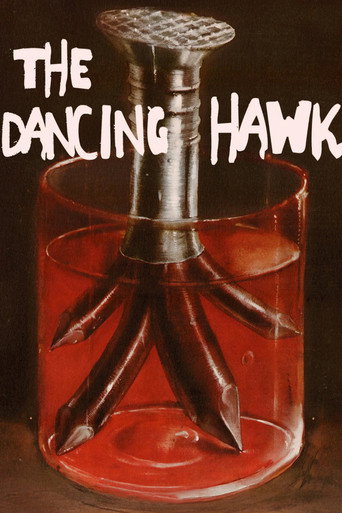 5.2
5.2A peasant’s son rises through the ranks of post-war Polish society like none of his ancestors ever could. Moving to the city, he becomes part of a new socialist order. But in leaving his rural roots behind, does he also abandon his soul?
The Dancing Hawk
1978
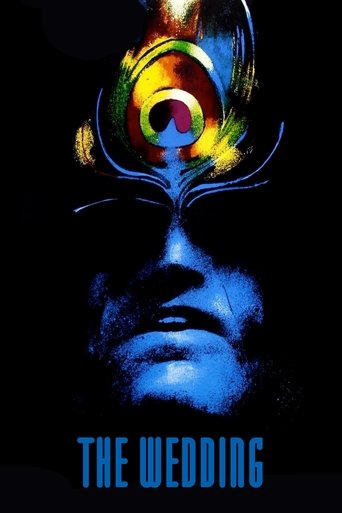 7.3
7.3Set at the turn of the century, the story concerns a Polish poet living in Cracow who has decided to marry a peasant girl. The wedding is attended by a heterogenous group of people from all strata of Polish society, who dance, get drunk and lament Poland's 100-year-long division under Russia, Prussia, and Austria. The bridegroom, a painter friend, and a journalist each in turn is confronted with spectres of Polish past.
The Wedding
1973
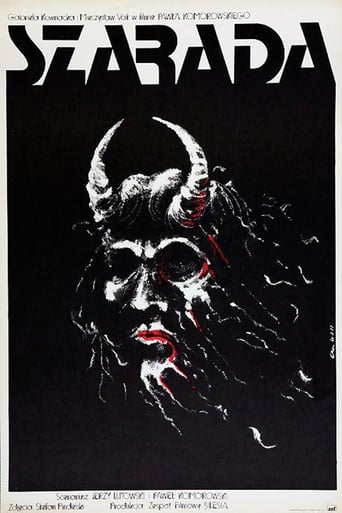 10.0
10.0A young lab technician, threatened by a blackmailer, descends into madness.
Charade
1977
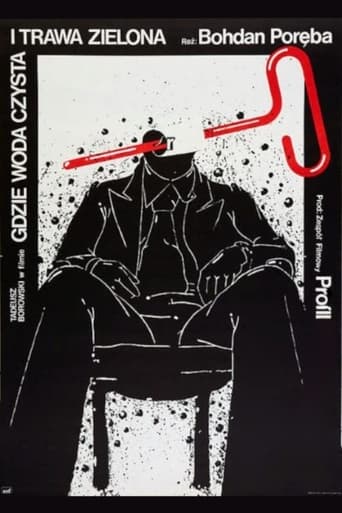 10.0
10.0The young Kuriata takes the position of the secretary of the City Committee in Grodów, where a corrupt clique ruled for many years. Kuriata begins to introduce competent people to managerial functions, which is enthusiastically received by workers who want changes for the better.
Where the Water Is Pure and the Grass Is Green
1977
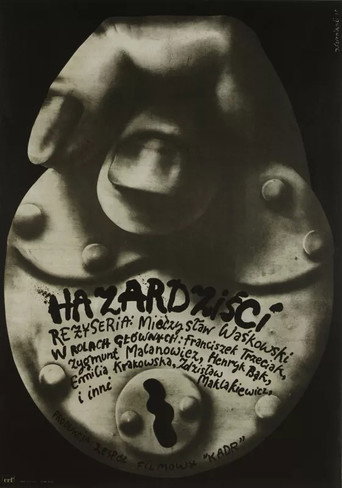 7.8
7.8The screenplay is based on an authentic story of a robbery of a branch of the National Bank of Poland in Wolow. The thing took place in 1962, 12 million zlotys were stolen. For some time the perpetrators remained at large. Soon, however, the police came across their trail and the criminals were soon captured. And then the real bomb went off. It turned out that the thieves were not people listed in the police annals or even in contact with the criminal world. All the robbers had a reputation as "respectable citizens", by no means suffering from a lack of cash.
Hazardziści
1975
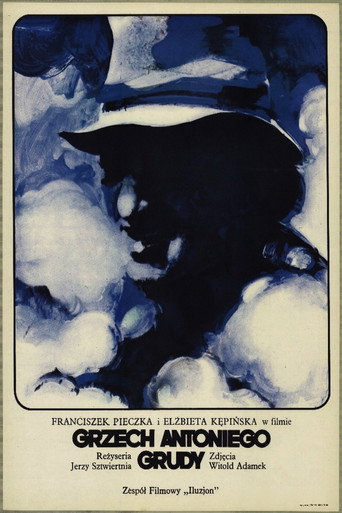 7.5
7.5No synopsis available yet.
Grzech Antoniego Grudy
1975
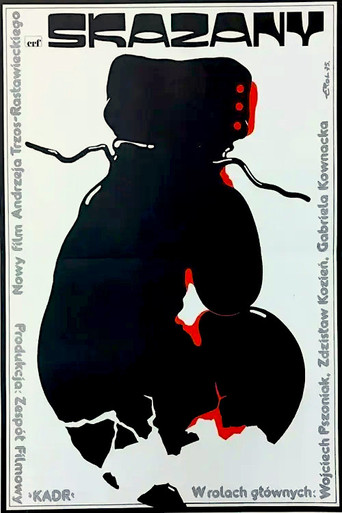 6.3
6.3A man is tried in court for failing to help his brother to avoid suicide.
Convicted
1976
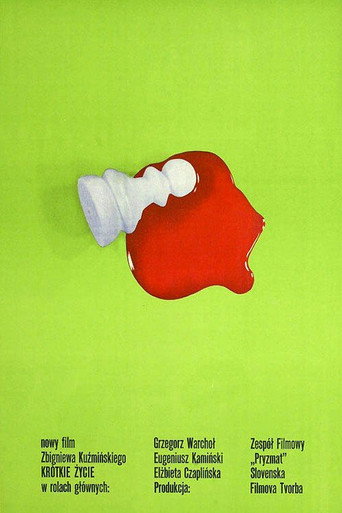 7.0
7.0A thrilling story about the liquidation of a Polish terrorist group in Slovakia in the post-war years.
Krótkie życie
1976
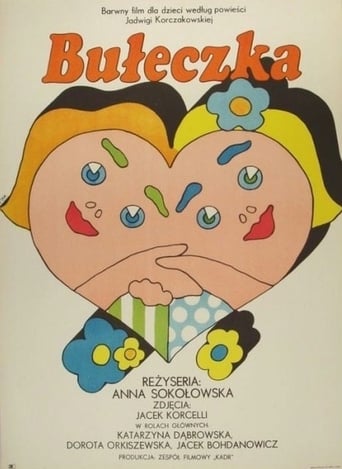 5.2
5.2A story of an eight year old girl nicknamed "Muffin" who is trying to adapt to life in a big city.
Muffin
1973
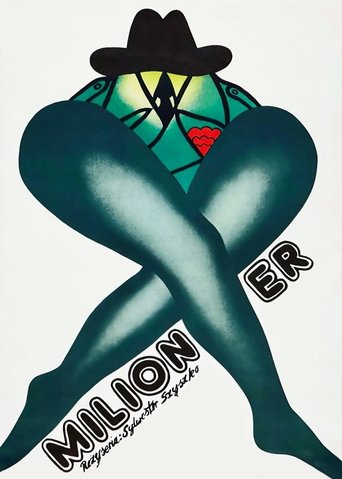 7.0
7.0The protagonist of the film is Józek Mikuła, a "peasant worker" who runs a small farm with his mother and makes a living as a truck driver at a nearby cement plant. When one day he wins a million in a toto-lottery, news of his unexpected fortune spreads rapidly through the village. Józek decides to invest the money wisely: he buys more land, renovates farm buildings, brings in machinery. He has a gesture - he funds the village with a color TV, which he installs in the clubhouse. But neighbors are stung by Józek's unexpected wealth.
Milioner
1977
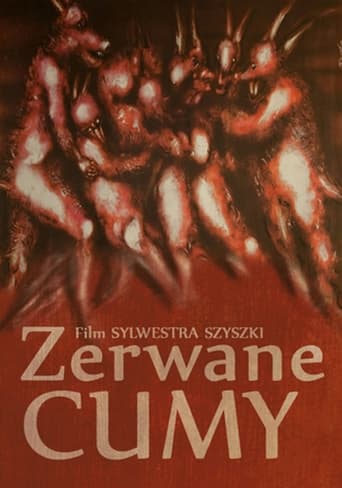 9.0
9.0Psychological drama; a retired sailor, after 40 years of absence, returns to his native village to spend the rest of his life there. After forty years of work at sea, Petty Officer Ignacy Krzeminski returns to his home village in the Suwałki region. The meeting with his former beloved, now a widow with four children, ends in a fiasco, nothing connects them anymore. Also coming into contact with relatives and former acquaintances make Ignacy realize that he is a stranger here.
Zerwane cumy
1979
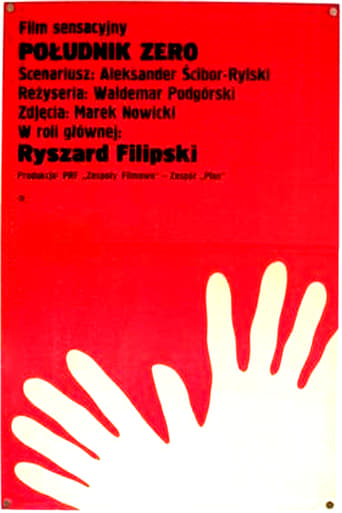 9.0
9.0Shortly after World War 2 a militiaman with the help of two Union of Young Struggle members wages war on a local gang terrorising a small Masurian town.
Południk zero
1971
Retired Sypniewski stands before a bizarre task - he must drown kittens.
Koty to dranie
1978
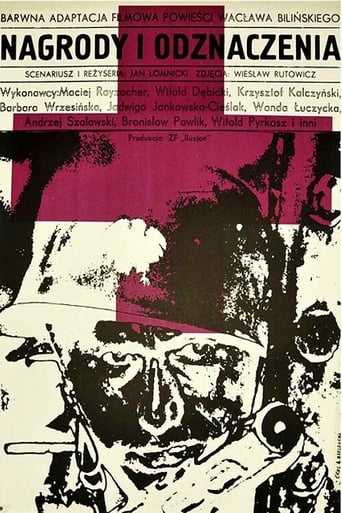 9.0
9.0A wartime drama set in a 1944 military hospital where wounded officers and staff from opposing political camps confront ideological conflict and moral uncertainty.
Awards and Decorations
1974
The Milewskis are a middle-aged couple. Witold and Magda, both occupied with careers in managerial positions, create a solid, well-matched relationship. They have no children - this is Magda's decision, who preferred to pursue a career rather than take care of diapers. However, little remains of the bond they had at the beginning. Each Sunday, each of them cheats on their partner, and they both know nothing about it. Everything changes when Witold's younger brother Franek, a handsome geologist, shows up at their place.
Niedziela pewnego małżeństwa w mieście przemysłowym średniej wielkości
1977
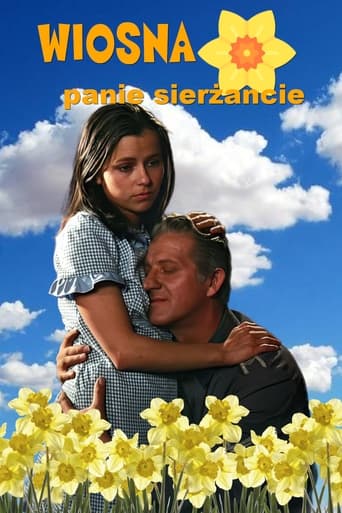 7.4
7.4In Trzebiatów, a small town, there is an unusual bustle. A crowd of residents has gathered in the market square to welcome their beloved MO sergeant, Władysław Lichniak. The sergeant has just returned from his written high school final exam. The residents, who adore him, make sure he has the right conditions to study. They have limited their alcohol consumption and maintain order in the town themselves. Unfortunately, a fight breaks out and disturbs the sergeant's peace.
It's Spring, Sergeant
1974
Michał Kopera has an accident at work. His relatives visiting him at the hospital are more interested in his account than in his health.
Hasło
1977
An old highlander takes to stealing from rich landowners' supplies to feed starving animals during winter.
Na skalnym Podhalu: Myśliwy
1974
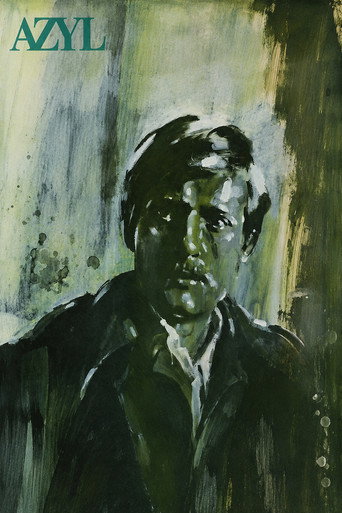 7.5
7.5In 1946, a former resistance fighter starts working as a forester in a small town in Masuria. The local people don't trust him, robberies are common and his old flame is married to another man.
The Refuge
1978
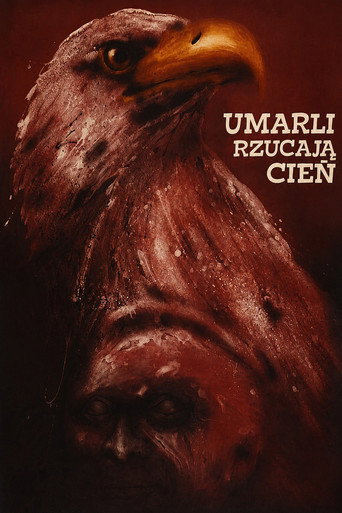 NR
NRSensational psychological drama, concerning the activities of the People's Guard in Silesia, presents from the human characters and attitudes perspective story of provocation of Gestapo agents, penetrating the ranks of the Resistance.
Umarli rzucają cień
1979
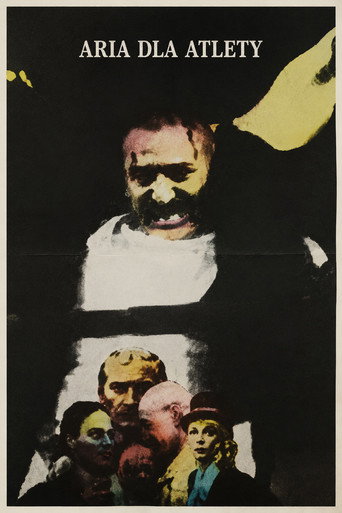 6.8
6.8Set at the turn of the century it presents a story of a famous Polish athlete, Zbyszko Cyganiewicz. It begins in a small town where a traveling circus attracts a shy boy into a phony wrestling game to please the crowds. The youth, however, takes his strength seriously, eventually defeating a name wrestler in a fair match. Angered circus manager fires him; he leaves happily due to two wrestler brothers who were harassing him. The wrestler goes on to fame, performing in the world's top arenas, and one day is serenaded by a tenor from the crowd. Fame brings him women and admirers but he is uncompromising on his profession. He has his revenge on one of his tormentors defeating him in the ring. One day, attending a game in a tuxedo, he is challenged by another of the brothers and drawn into a brutal game, in course of which he kills his opponent. Thus his career ends.
Aria for an Athlete
1979
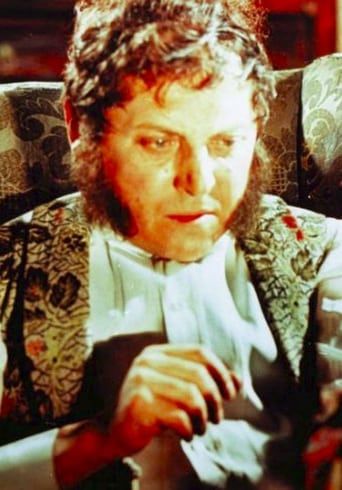 4.0
4.0An ambitious civil servant's career dreams are shattered when his nose falls off. All the worse, the nose starts living its own life and achieves the success its former owner wanted.
Nos
1971
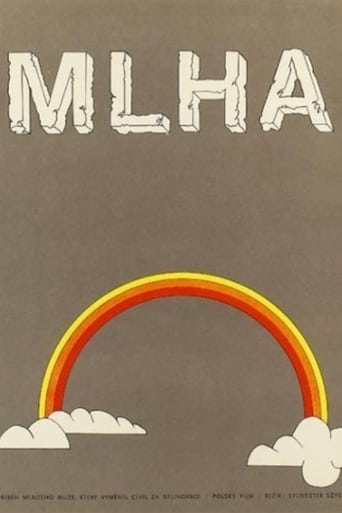 9.0
9.0In the first months after the war, a period of confusion and fratricidal fighting, a Warsaw whack-job drafted into the ranks of the KBW gains the first life experiences that make him an informed citizen. Marian, a boy from Targówek, is serving in the KBW. His unit is sent to a village plagued by a band of NSZ. Marian becomes involved with a young teacher, Anka, whose brother is a member of the NSZ. During the final trial, Stefan is killed and Marian is seriously wounded and taken to the hospital. An investigation is carried out in the village. Marian does not admit that he knew about Stefan and his contacts with his sister. When he leaves the hospital, he does not find the girl, but their son, who is being cared for by Anka's parents. He takes the boy and returns to Targowek.
The Fog
1976
A dramatization of the Gleiwitz incident.
Operation "Himmler"
1979
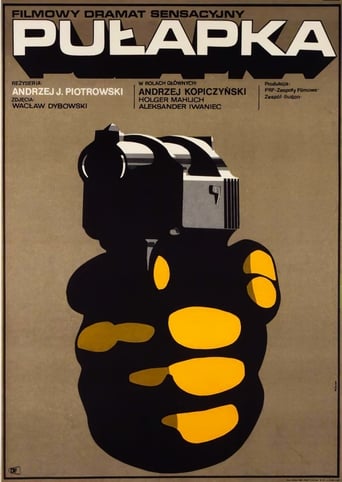 6.0
6.0Shortly after World War 2 a conflict between cousins, a Polish major and a former SS soldier arises on the Recovered Territories.
Pułapka
1971
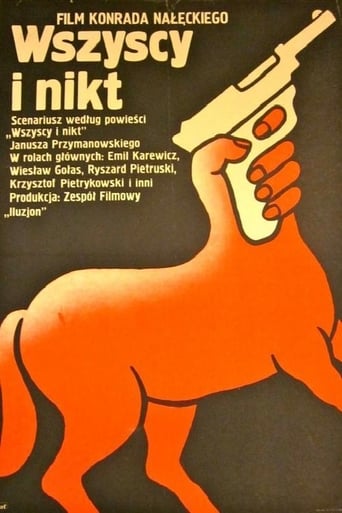 9.0
9.0City Bieszczady Mountains, 1946. Seven soldiers stop in a small town where should take place a wedding...
All and Nobody
1978
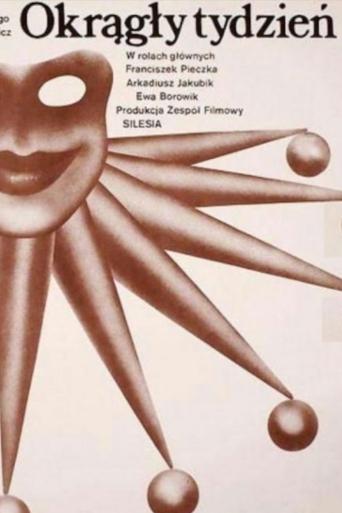 9.0
9.0Gustlik learns the magical world of Silesian legends listening to his grandfather's stories.
A Round Week
1977
1960s · 5 titles
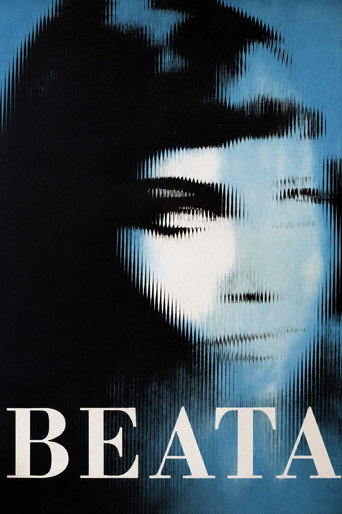 6.5
6.5Teenaged Beata, disgusted with hypocrisy around her, runs away from home.
Beata
1965
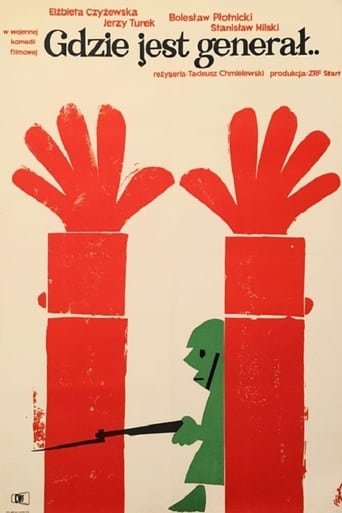 7.0
7.0Wacław Orzeszko is unlucky soldier, who one day decides to desert his platoon and hide out in a castle, where he meets a Red Army soldier Marusia. They discover that a German platoon is also hiding in a castle and together they must stop the Nazi soldiers from reuniting with the main army.
Where is the General?
1964
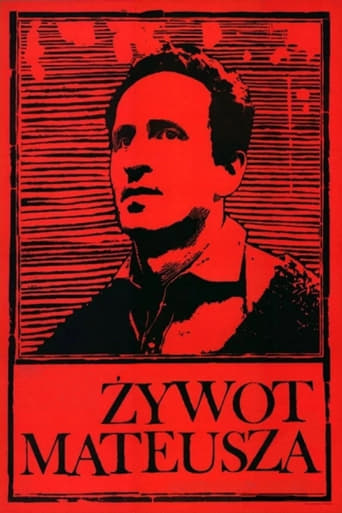 6.3
6.3A man who is socially inept and out of touch with the world lives with his sister in a small farmhouse. The overly sensitive man lives off his hard-working sibling, taking odd jobs as he gets them to secure his meager earnings. When he brings home a woodcutter from the forest, the sister and the newcomer fall in love. Terrified over a life without his sister, the man can't cope.
Matthew's Days
1968
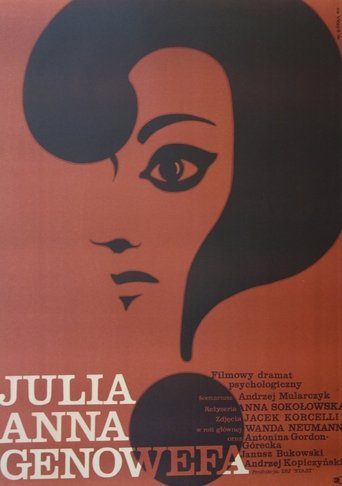 10.0
10.025-year-old Anna works in the laboratory of the Lodz textile factory. She lives with her mother and recently married husband. Her life collapses when a stranger appears, looking for a daughter who has disappeared during the war.
Julia, Anna, Genowefa...
1968
 10.0
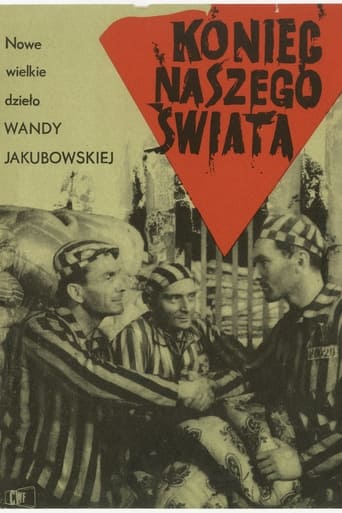
10.0Henryk Matula has flashbacks to being imprisoned in Auschwitz after he gives a lift to an American tourist who wants to see it
The End of Our World
1964
Series credits
7.3The story of the residents of a tenement house on Złota Street in Warsaw from 1945 to 1980.
Dom
1980
7.3The story of the residents of a tenement house on Złota Street in Warsaw from 1945 to 1980.
Dom
1980
7.4Marianek is an unlucky man and not successful in his affairs. At the same time, he is a dove-hearted man, sensitive to other people’s misfortunes and harm, willing to help, even at his own expense. He is always ready to solve the problems of others, although he is usually not very good at it. His favorite saying is “absolutely”.
Droga
1975
8.5No synopsis available yet.
Trzecia granica
1976
8.5No synopsis available yet.
Trzecia granica
1976
8.0Kolumbowie follows a group of Polish resistance fighters during WWII in the days leading up to the Warsaw Rising.
Colombuses
1970
7.0Engineer Bogdan Zawada moves to the construction of a port on the Baltic Sea. The man tries to arrange his personal and professional life in a new environment.
Znaki szczególne
1977
 8.0
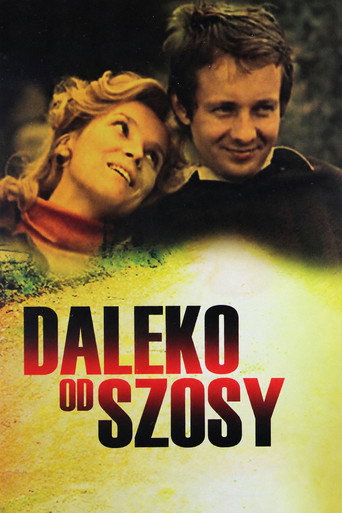
8.0Village boy falls in love with a city girl and decides to change his life. Living in the countryside is the end of dreams? Leszek Gorecki, boy, living in a small village, decides to break this stereotype. Since the child is interested in technology, mechanics, cars. He dreams to become a driver. Meets Bronka, the prettiest girl in the village. Despite feeling Leszek says that the country "no reflection" and has to do something with your life. He decides to go to Silesia. She works hard and puts the money to finally start the desired driving course. One day, during the holidays, the boy meets Anne. The girl is the daughter of a dentist, lives in Lodz, studying biology. Anka gets Leszek in the eye, as it turns out - of reciprocity. A few, however, a huge gap divides the intellectual and cultural
Far from the highway
1976