

Acting
Janusz Paluszkiewicz
Born — Died
1912-03-20 — 1990-02-19
Place of birth
Łódź, Rosja (obecnie Polska)
Known for
Acting
Credits
61 titles
Known for
 8.0
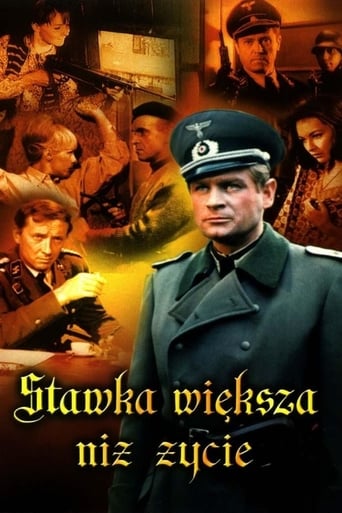
8.0A series about the adventures of a Polish secret agent, Hans Kloss, who acts as a double agent in the Abwehr during Second World War in occupied Poland.
More Than Life At Stake
1968
 7.5
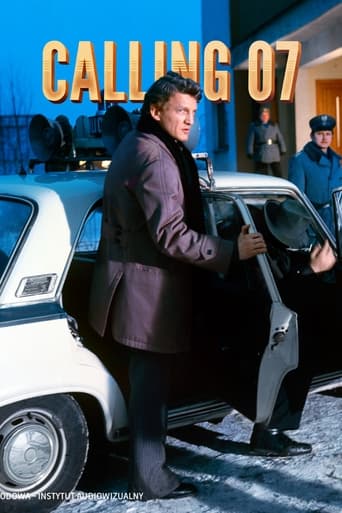
7.5The series centres around the investigations of Police Lieutenant Sławomir Borewicz. Each episode features a different case being solved by Borewicz.
Calling 07
1976
 7.8
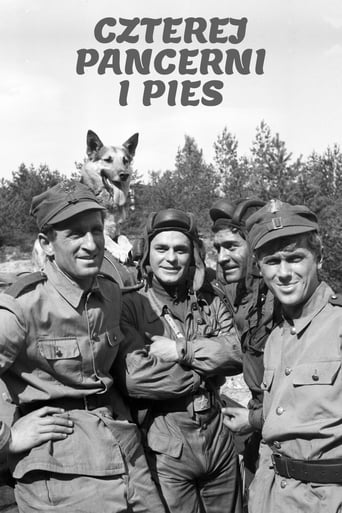
7.8Czterej pancerni i pies was a Polish black and white TV series based on the book by Janusz Przymanowski. Made between 1966 and 1970, the series is composed of 21 episodes of 55 minutes each, divided into three seasons. It is set in 1944 and 1945, during World War II, and follows the adventures of a tank crew and their T-34 tank in the 1st Polish Army. Although both the book and the TV series contain elements of pro-Soviet propaganda, they have achieved and retain a cult series status in Poland, Soviet Union and other Eastern Bloc countries. The T-34 tank Rudy with the identifying number "102", a German Shepherd dog from Siberia Szarik and to a lesser extent the crew Jan Kos, Gustaw Jeleń, Grigorij Saakaszwili, Tomasz Czereśniak, and their commander and mentor Olgierd Jarosz, as well as other heroes of the series, have become icons in Polish popular culture.
Four Tank-Men and a Dog
1966
 9.0
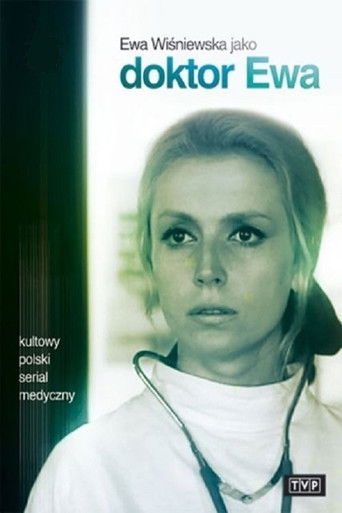
9.0Doctor Ewa Lipska, an attractive young woman just after graduation, with interesting professional prospects for the future, chooses the job of a village doctor. Brought up in a big city, she settles in the small town of Międzybórz in the Łódź Province. She is forced not only to overcome the daily difficulties resulting from medical practice in a rural health center, but also to learn to talk to people of a different mentality and gain the trust of her patients.
Doktor Ewa
1971
 7.0
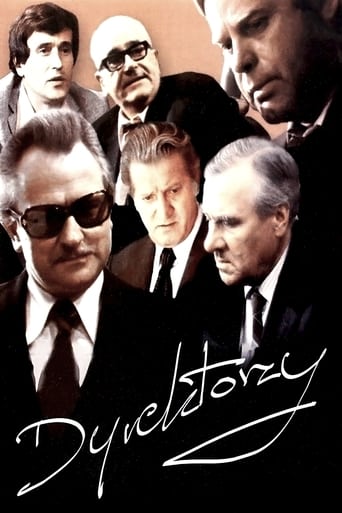
7.01957. Excessively high production standards imposed by the authorities result in the plan not being fulfilled, and the workers cannot imagine living normally without rewards and bonuses. A rebellion breaks out. Worker democracy wins – the working class elects a director from among its own ranks. He is an old locksmith with no managerial experience. Although he believes in the socialist spirit and has a communist past, he does not hold the position for long, as he makes promises too easily that he is unable to keep.
Dyrektorzy
1975
 7.4
7.4Marianek is an unlucky man and not successful in his affairs. At the same time, he is a dove-hearted man, sensitive to other people’s misfortunes and harm, willing to help, even at his own expense. He is always ready to solve the problems of others, although he is usually not very good at it. His favorite saying is “absolutely”.
Droga
1975
Film credits
1980s · 17 titles
 6.9
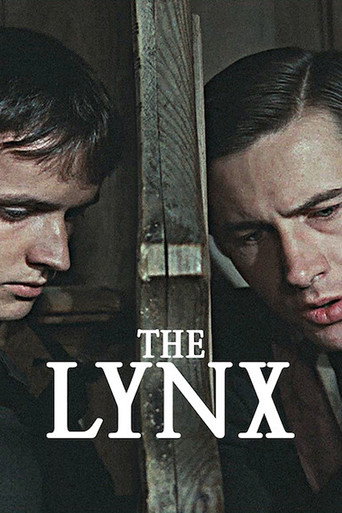
6.9Set during the German occupation of Poland during WWII. A priest in a small village meets a revolutionary who is on an assignment to kill a supposed Nazi collaborator.
The Lynx
1982
 10.0
10.0The hard-working son of a dying country woman hires a stranger to take care of his mother.
Diabeł
1988
 8.0
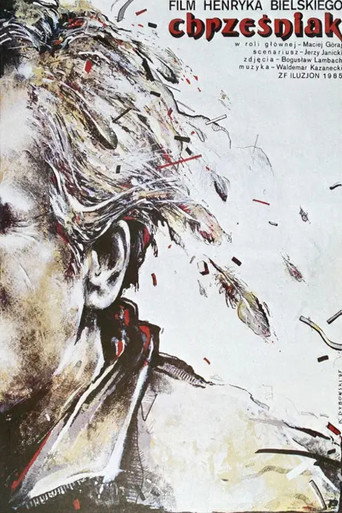
8.0The film depicts three days in the life of a state farm director, during which he celebrates his 40th birthday. He was adopted by four godfathers who have helped him throughout his life and have reached positions of prominence themselves. He makes a mistake at work turning away some foreigh investors and is required to cover the losses, but even his godfathers are unable to help him. He regains affection of his son instead.
Chrześniak
1986
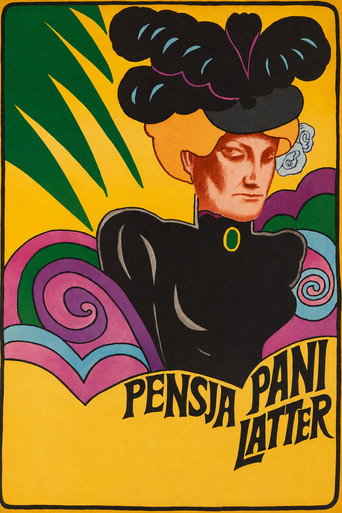 10.0
10.0The action takes place in Warsaw in the second half of the 19th century. The main character is the head of the girls' school - Mrs. Emma Latter. Ms Latter is struggling with the financial problems of her institution, because the parents of the students are still in arrears with payments. In addition to professional problems, she is tormented by problems with adolescent children. All this causes Mrs. Latter to experience a mental breakdown.
Pensja pani Latter
1983
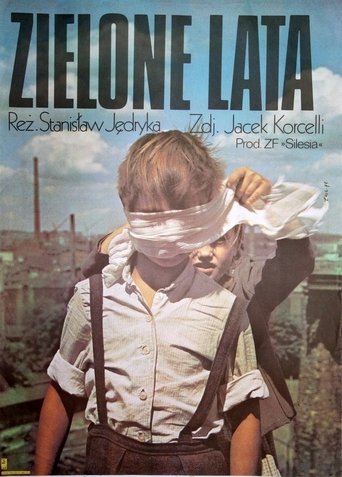 8.0
8.0World War II. The Germans enter Sosnowiec, which complicates the relationship between the three friendly children.
Salad Days
1980
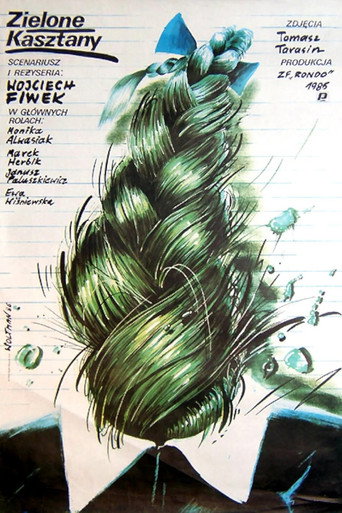 6.3
6.3Marek Krajewski, a student at a Warsaw high school, dreams of becoming a Legia player. A school game is being watched by the club's coach. Marek and his classmates hope to be noticed. Meanwhile, the coach wants to see them on the field again. Unfortunately, Marek and his friend are excluded from the team until they improve their academic performance. The embittered boy spreads the news at school that Markoniec sold the match and therefore got rid of the best players. Mark also has serious problems at home. His is facing a major operation. The mother is having an affair with a married man.
Zielone kasztany
1986
 6.6
6.6An odd couple of old people lead their simple lives close to nature. The man is an amateur constructor and his goal now is to build a small river dam to produce electricity for his country house.
Stardust
1982
 7.0
7.0Old couple dreams about a cruise.
Boczny tor
1988
 NR
NRA Soviet tank breaks through the front line during the January 1945 offensive.
Morning Stars
1980
A Polish writer is arrested by the Nazis in 1942 and sent to the notorious Pawiak prison in Warsaw. He will spend the next 111 days fighting for survival.
111 dni letargu
1985
A dying man, influenced by a neighbor in the hospital room, decides to enjoy his life.
Wcześnie urodzony
1986
 10.0
10.0March 1945. After crossing the Oder River, one of the Polish Army units heading for Berlin encounters resistance from German defensive formations. After a fierce exchange of fire, a doctor operates on seriously wounded soldiers. Private Józef Łopuch helps him in the field hospital and also serves as a barber. Łopuch, who despite sending over twenty letters has received no reply from his wife Sabina, composes another letter assuring his wife that although war is a nasty business, nothing can happen to him, as he was born in a forge...
Pastorale heroica
1984
A group of resistance fighters discover the secret collaboration between a local beggar and the Nazis.
Na melinę
1981
Michał is among the soldiers quartered in a village near Lublin. By accident, he goes to the palace and visits the magnificent building, where he meets a widow Maria. Meanwhile, local peasants do not want to wait for the start of land reform. They appoint their own committee and want to deal with the division of property themselves.
Michał
1984
 7.0
7.0In 1943, Ewa decides to take care of her Jewish neighbour's daughter and brings her home just for a few days. When the ghetto uprising begins, the woman keeps on looking after the little girl.
W cieniu nienawiści
1986
A radio journalist is having a heart attack. This event becomes a pretext to summarize life.
Bariery
1986
A young penniless woman comes to a small town with her newborn baby. She goes to work but because her child has no father, life is hard for her. Until she meets a carefree vagabond photographer willing to help her out.
Jedenaste przykazanie
1988
1970s · 12 titles
 5.8
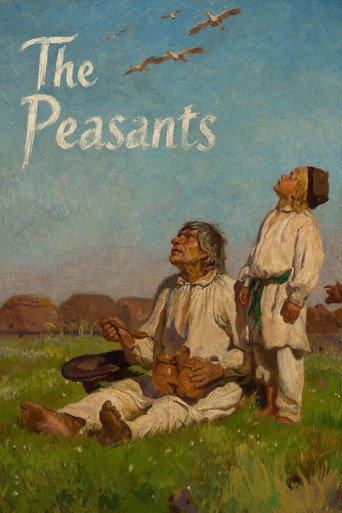
5.8In a bucolic Polish hamlet, the tense relationship between a father and son reaches a boiling point when the men lose their hearts to the same woman and vie for her affections. Based on Wladyslaw Reymont's Nobel Prize-winning book and helmed by Jan Rybkowski, this theatrical release (starring Krzystof Chamiec, Wladyslaw Hancza and Emilia Krakowska) was culled from a 13-episode miniseries that aired on Polish television in 1972.
The Peasants
1973
No synopsis available yet.
Kancik
1979
 10.0
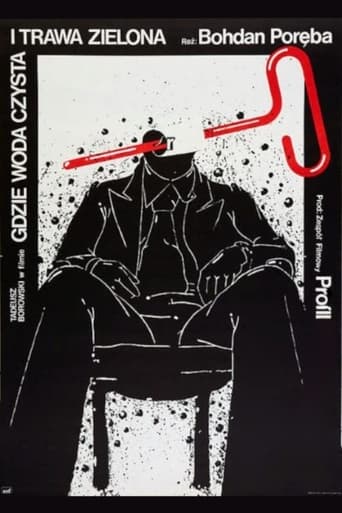
10.0The young Kuriata takes the position of the secretary of the City Committee in Grodów, where a corrupt clique ruled for many years. Kuriata begins to introduce competent people to managerial functions, which is enthusiastically received by workers who want changes for the better.
Where the Water Is Pure and the Grass Is Green
1977
 7.3
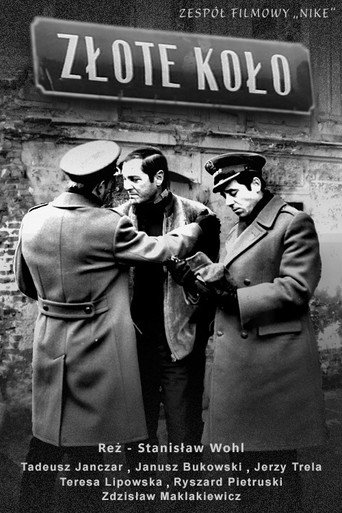
7.3An unknown man brings a wounded boy from a hospital and prompty walks away. The boy soon dies and the militia captain Budny begins an investigation, leading him deep into a web of crime.
Złote koło
1971
The dispatcher of the Medical Aviation Ambulance Service receives a phone call about the need to transport a patient from hundreds of miles away to Warsaw.
Teraz i w każdą godzinę
1973
 5.7
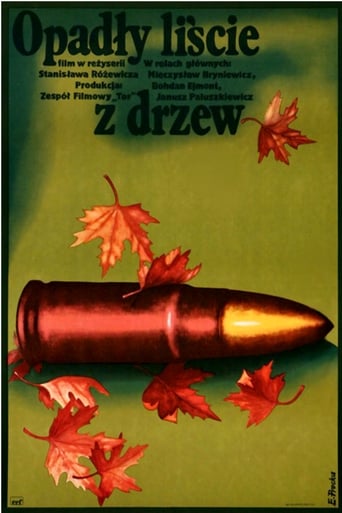
5.7Two years after the war, during a train trip, Henryk (20) recollects the occupation period. He passes different train stations and recollects various situations from the past: his family life, working in a garage, guerrilla warfare, the fear that accompanied him every day. He’s looking at the travellers’ faces, including the ones who have survived the war.
The Leaves Have Fallen
1975
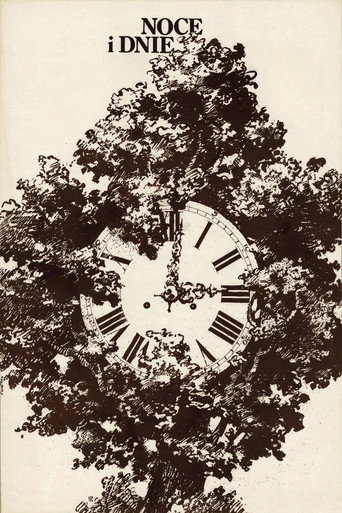 7.1
7.1A family saga of Barbara Ostrzeńska-Niechcic and Bogumił Niechcic against the backdrop of the January Uprising of 1863 and World War I. The film is a rather straightforward and faithful adaptation of a novel by Maria Dabrowska with the same title. The plot is woven around the changing fortunes of a noble (upper-class) Niechcic family in the pre-WWI Poland. There are two main crossing threads: a social history one and an existential one.
Nights and Days
1975
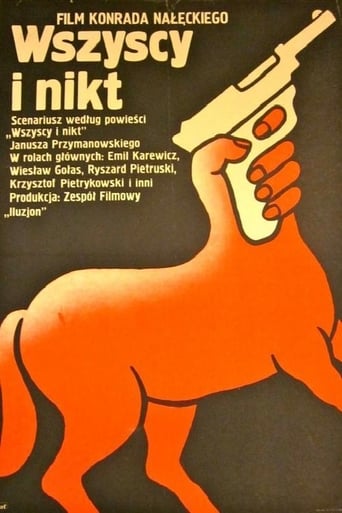 9.0
9.0City Bieszczady Mountains, 1946. Seven soldiers stop in a small town where should take place a wedding...
All and Nobody
1978
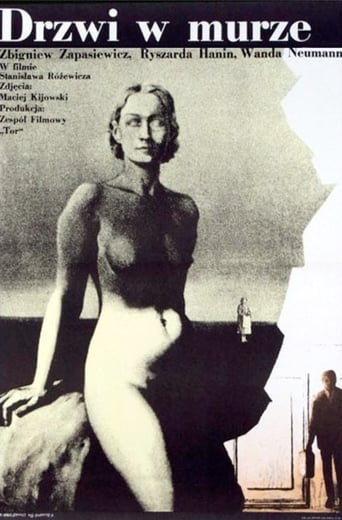 5.5
5.5Accomplished playwright supervises the stage rehearsals for his new play away from home. He rents a room at a private house, which is owned by mother and daughter. Wiktor gets entangled in the two women's bizarre relationship.
The Wicket Gate
1974
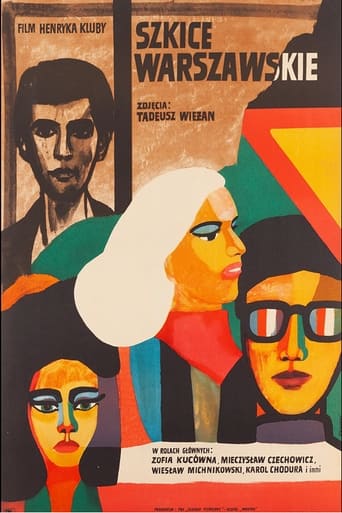 7.0
7.0Three stories describing the life of the inhabitants of Warsaw, each set in a different time period.
Warsaw Sketches
1970
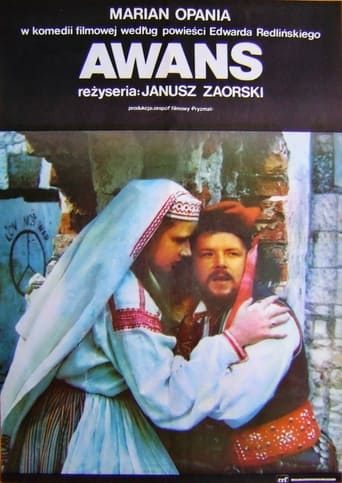 7.0
7.0After getting a university degree, Marek Grzyb comes back to his village and does his best to convince the people to modernize.
Promotion
1975
Retired Sypniewski stands before a bizarre task - he must drown kittens.
Koty to dranie
1978
1960s · 18 titles
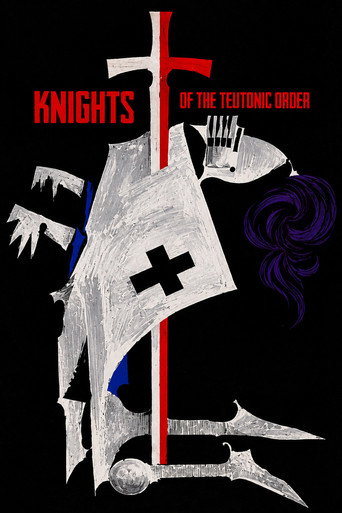 7.1
7.1A tale of a young impoverished nobleman, who with his uncle returns from a war against the order of the Teutonic Knights in Lithuania. He falls in love with a beautiful woman and pledges an oath to bring her "three trophies" from the Teutonic Knights.
Knights of the Teutonic Order
1960
 NR
NRNo synopsis available yet.
Kartoteka
1967
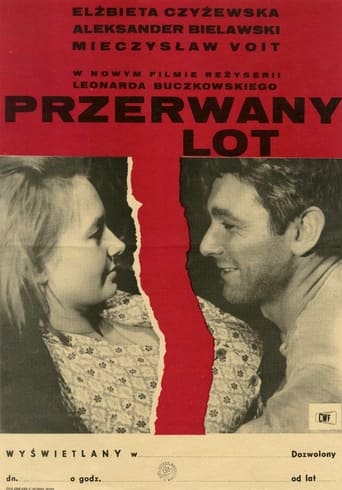 9.0
9.0The reminiscences of a Russian pilot, shot down over Poland during the war, of his first great love there.
Interrupted Flight
1964
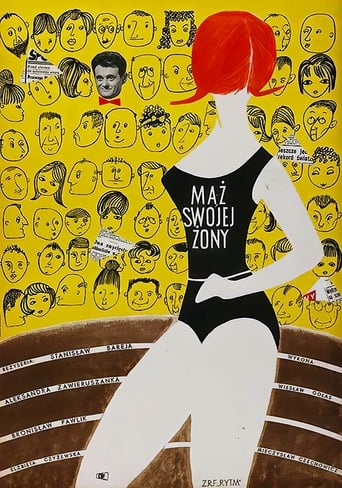 6.4
6.4Mąż swojej żony (English: Husband of His Wife) is a Polish comedy from 1960 directed by Stanisław Bareja. The story of a newly married couple, Michał Karcz (composer) and sprinter Jadwiga Fołtasiówna-Karcz. Michał has to adjust to Jadwiga being much more famous and her fame and needs dominating their lives.
Husband of His Wife
1961
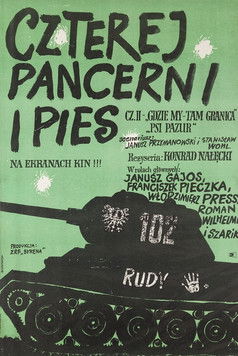 NR
NRThe second of four theatrically released episode compilations of the TV series, featuring episodes 3 and 4.
Four Tankmen and a Dog Part Two
1968
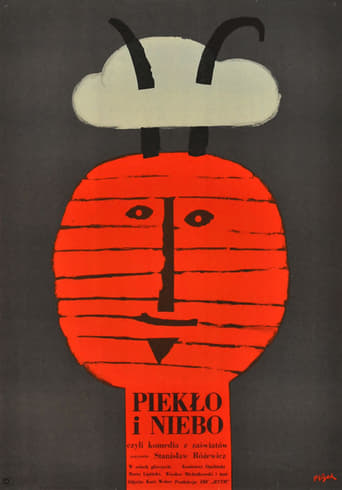 6.5
6.5A bus crashes and its passengers find themeselves in the afterlife, which they find has the not only the same set of rules as Earth, but also the same bureaucratic chaos.
Hell and Heaven
1966
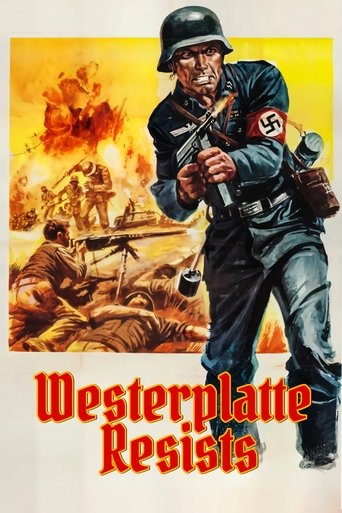 7.3
7.3Westerplatte is a small peninsula at the entry to the Gdańsk Harbour. Before World War II, it functioned as a Polish ammunition depot in the Free City of Danzig. Its crew consisted of one infantry company and a group of civilians, 182 people in total. It was the only Polish guard-post at the mouth of the Vistula River, with as little as five sentries, one field cannon, two anti-armour guns and four mortars. The first shots of World War II were fired there. This film tells the story of Westerplatte's courageous defenders.
Westerplatte Resists
1967
 9.0
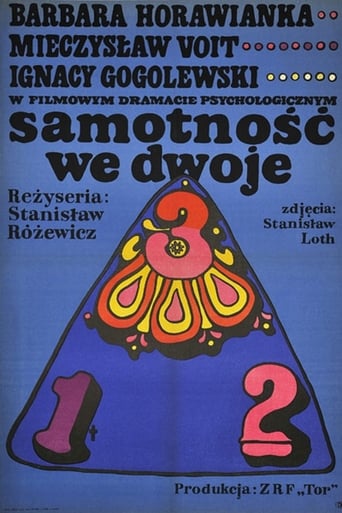
9.0The film is a psychological study addressing the problem of lack of inner resilience in the face of misfortune. The death of a son, trampled by frightened horses, disrupts the peace and happiness of the family of Pastor Hubina. Mentally broken wife Edyta (Barbara Horawianka) leaves to join her sister in Prague and there meets music teacher von Kschitzky, with whom she returns after some time, entrusting him with teaching music to her daughter Olesia. The teacher is a follower of Nazi ideology and practice. Edith begins to show more and more interest in him, and he ostentatiously seeks her favor.
Loneliness of the Couple
1969
 7.0
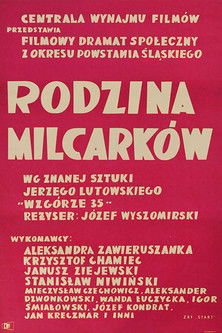
7.0The fate of a working-class family during the third Silesian Uprising.
Rodzina Milcarków
1962
Andrzej Wajda’s first TV Theatre production is an adaptation of Kazimierz Brandys’s book of the same title. An American journalist interviews released SS General Wolfgang Joachim Ballmeyer about the massacre on Barnum Island, where locals were manipulated through religious conflicts into aiding their own annihilation. Unexpected justice finally catches up with the criminal.
Interview with Ballmeyer
1962
 7.2
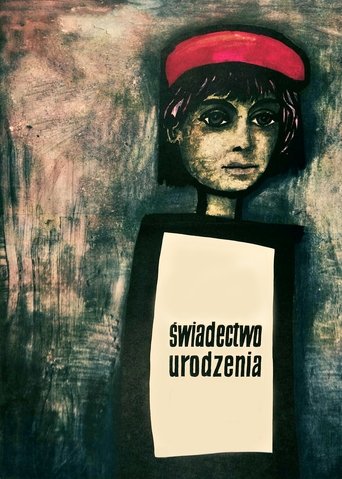
7.2Three separate stories depicting the tense everyday life during occupation, as seen through the eyes of children. In “On the Road,” the two main protagonists are lost in the September’s strife: a young boy, and a soldier transporting the valueless documents of his broken unit. In “Letter from the Concentration Camp” the story’s protagonists are young boys who help their mother during the hardships of the occupation. Their treasure is an officer uniform belonging their father who is being held in a prisoner of war camp. In “Blood Drop,” the Germans find a set of typical Aryan characteristics in this story’s protagonist – a Jewish girl, hiding in an orphanage.
Birth Certificate
1961
The sixth and final episode compilation of the TV series released theatrically, featuring episodes 16 and 17.
More Than Life At Stake Part Six
1969
An average notary finds a small fortune of coins hidden in his fireplace alongside a manuscript dating back 100 years.
Tysiąc talarów
1960
 10.0
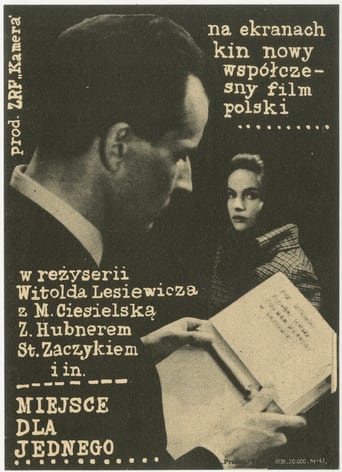
10.0The deputy director of a machine plant is injured in a car accident and loses important documents. An uncompromising controller is sent to the plant to investigate the matter.
Miejsce dla jednego
1966
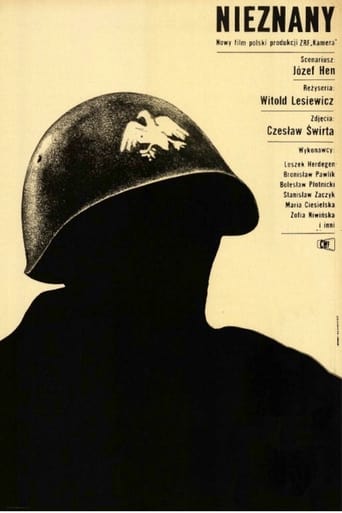 8.0
8.0Two Poles get out of Soviet Union with Polish Army. Based on autobiographical short stories by Józef Hen.
The Unknown
1964
 5.5
5.5A young boy must go to school with his father.
Father
1967
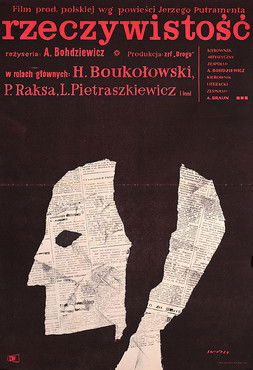 10.0
10.0The 1937 trial of communist journalists, working for the same student magazine in Vilnius, is shown through the tragic life of the paper's young collaborator Julek Szulc.
Rzeczywistość
1961
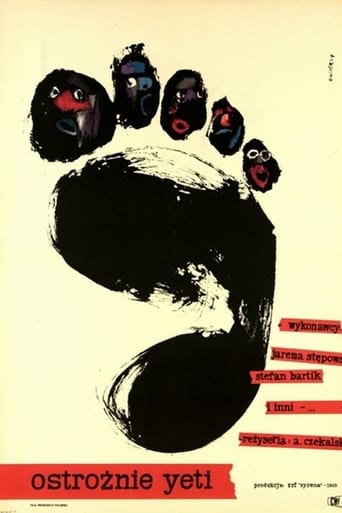 3.8
3.8Absurd gag comedy about a grotesque pursuit of a "snow man" allegedly imported to Poland. A box with a shipment from India, which was supposed to contain a yeti, turned out to be empty. The desperate professor tries to find it. He even gets into prison, from which, however, he escapes handcuffed with the thief. Meanwhile, the "snow man" begins to be considered the perpetrator of more and more crimes. Eventually, everything becomes clear. In the telegram notifying of the shipment, a word was twisted and hence the whole misunderstanding.
Ostrożnie yeti
1961
1950s · 5 titles
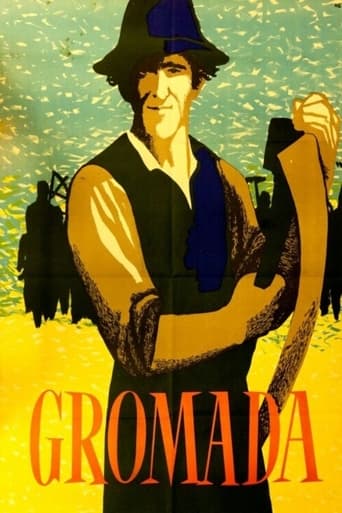 5.5
5.5The struggle between poor villagers, who are eager to build a co-operative mill and a cultural centre, and the village wealthy men - the miller and the kulaks - who are desperate to stop the farmers.
Gromada
1952
 6.9
6.9Stach is a wayward teen living in squalor on the outskirts of Nazi-occupied Warsaw. Guided by an avuncular Communist organizer, he is introduced to the underground resistance—and to the beautiful Dorota. Soon he is engaged in dangerous efforts to fight oppression and indignity, maturing as he assumes responsibility for others’ lives.
A Generation
1955
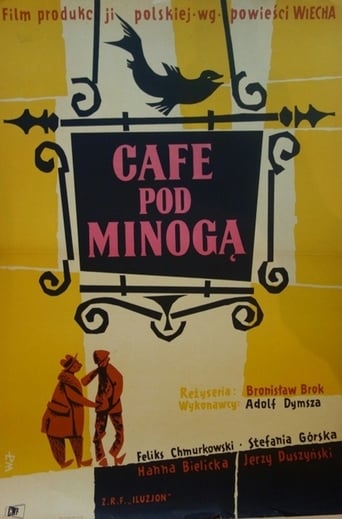 6.9
6.9Comic stories of Varsovians living under the Nazi occupation and struggling with the enemy.
Octopus Cafe
1959
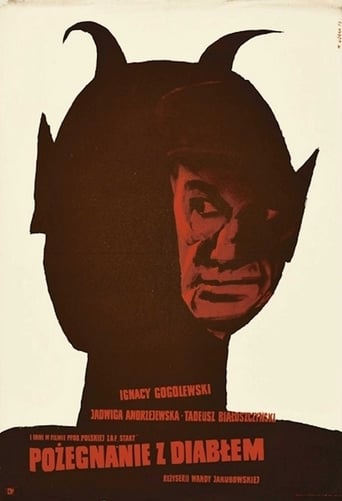 6.0
6.0A journalist investigates a mysterious murder in the countryside.
Farewell to the Devil
1957
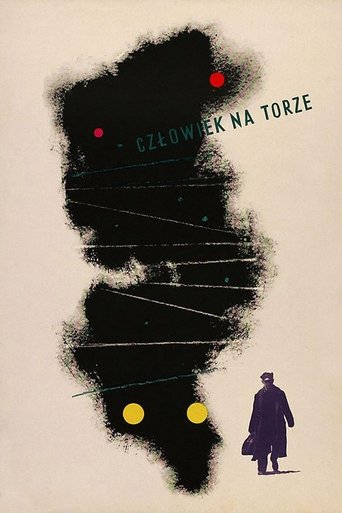 6.9
6.9One night in 1950 a passenger train runs over a man, who turns out to be the veteran train engineer Władysław Orzechowski, know for his old ways and stern demeanor. As the inquiry panel tries to deduce why would a man like Orzechowski jump in front of a moving train several of the people involved in the case are interrogated, each telling their own version of the story. Can the panel arrive at the truth in a world where workers unite, inferior coal is a badge of honor, and the old order is suspect?
Man on the Tracks
1957
Series credits
8.0A series about the adventures of a Polish secret agent, Hans Kloss, who acts as a double agent in the Abwehr during Second World War in occupied Poland.
More Than Life At Stake
1968
7.5The series centres around the investigations of Police Lieutenant Sławomir Borewicz. Each episode features a different case being solved by Borewicz.
Calling 07
1976
7.8Czterej pancerni i pies was a Polish black and white TV series based on the book by Janusz Przymanowski. Made between 1966 and 1970, the series is composed of 21 episodes of 55 minutes each, divided into three seasons. It is set in 1944 and 1945, during World War II, and follows the adventures of a tank crew and their T-34 tank in the 1st Polish Army. Although both the book and the TV series contain elements of pro-Soviet propaganda, they have achieved and retain a cult series status in Poland, Soviet Union and other Eastern Bloc countries. The T-34 tank Rudy with the identifying number "102", a German Shepherd dog from Siberia Szarik and to a lesser extent the crew Jan Kos, Gustaw Jeleń, Grigorij Saakaszwili, Tomasz Czereśniak, and their commander and mentor Olgierd Jarosz, as well as other heroes of the series, have become icons in Polish popular culture.
Four Tank-Men and a Dog
1966
9.0Doctor Ewa Lipska, an attractive young woman just after graduation, with interesting professional prospects for the future, chooses the job of a village doctor. Brought up in a big city, she settles in the small town of Międzybórz in the Łódź Province. She is forced not only to overcome the daily difficulties resulting from medical practice in a rural health center, but also to learn to talk to people of a different mentality and gain the trust of her patients.
Doktor Ewa
1971
7.01957. Excessively high production standards imposed by the authorities result in the plan not being fulfilled, and the workers cannot imagine living normally without rewards and bonuses. A rebellion breaks out. Worker democracy wins – the working class elects a director from among its own ranks. He is an old locksmith with no managerial experience. Although he believes in the socialist spirit and has a communist past, he does not hold the position for long, as he makes promises too easily that he is unable to keep.
Dyrektorzy
1975
7.01957. Excessively high production standards imposed by the authorities result in the plan not being fulfilled, and the workers cannot imagine living normally without rewards and bonuses. A rebellion breaks out. Worker democracy wins – the working class elects a director from among its own ranks. He is an old locksmith with no managerial experience. Although he believes in the socialist spirit and has a communist past, he does not hold the position for long, as he makes promises too easily that he is unable to keep.
Dyrektorzy
1975
7.4Marianek is an unlucky man and not successful in his affairs. At the same time, he is a dove-hearted man, sensitive to other people’s misfortunes and harm, willing to help, even at his own expense. He is always ready to solve the problems of others, although he is usually not very good at it. His favorite saying is “absolutely”.
Droga
1975
 8.0
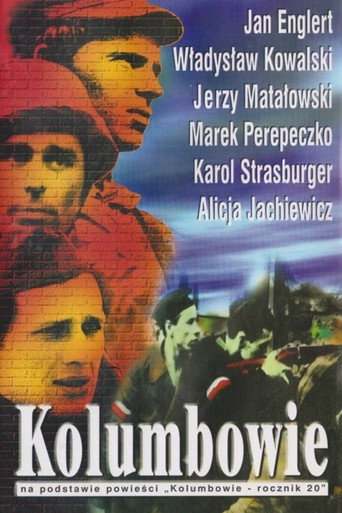
8.0Kolumbowie follows a group of Polish resistance fighters during WWII in the days leading up to the Warsaw Rising.
Colombuses
1970
No synopsis available yet.
Podziemny front
1965