
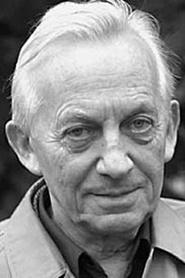
Directing
Stanisław Różewicz
Born — Died
1924-08-16 — 2008-11-08
Place of birth
Radomsko, Poland
Known for
Directing
Credits
44 titles
Stanisław Różewicz (August 16, 1924 – November 8, 2008) was a Polish film director and screenwriter. He directed 26 films between 1947 and 1989. His 1967 film Westerplatte was entered into the 5th Moscow International Film Festival where it won a Silver Prize. His 1985 film Woman in a Hat was entered into the 14th Moscow International Film Festival where it won the Silver Prize. He was a younger brother of Polish poet, dramatist and writer Tadeusz Różewicz.
Known for
 NR
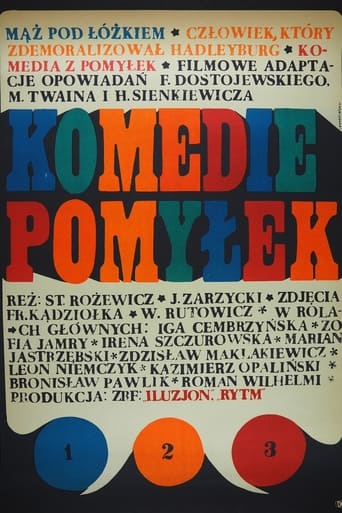
NRA collection of intimate television short stories based on well-known literary works.
Komedie pomyłek
1968
 9.0
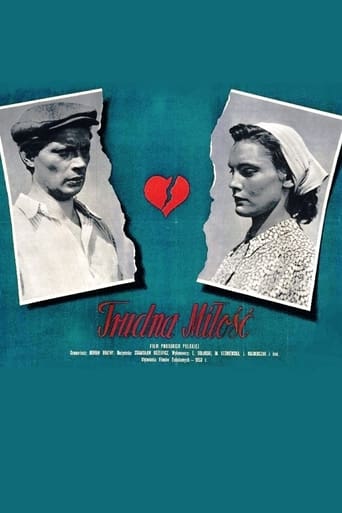
9.0A story of the love affair between Janek Małodworny and Hanka, daughter of the kulak Nalepa. The two love each other, but their happiness is hampered by differences in possessions. To make matters worse, Małodworny is in favor of establishing a cooperative along Soviet lines, while old Nalepa is staunchly opposed.
Difficult Love
1954
 10.0
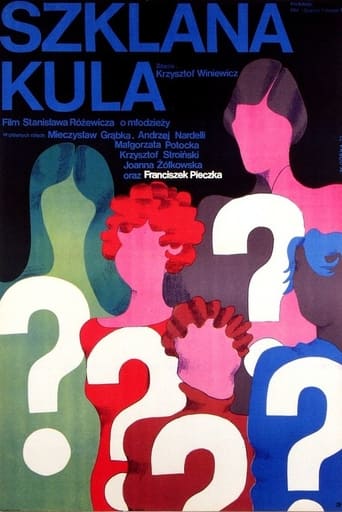
10.0Five teenagers on the cusp of their final year in high school ponder about their futures.
Glass Ball
1972
Three women, ex-prisoners of a Nazi death camp, decide to live together after the war.
Trzy kobiety
1957
 5.8
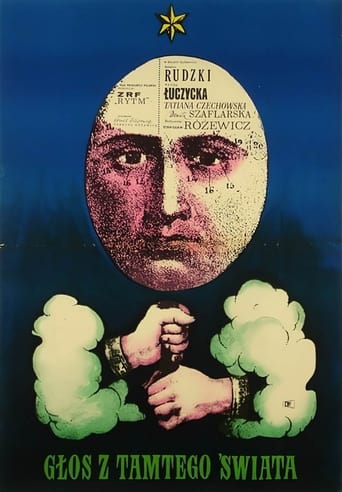
5.8A doctor, though not having finished his studies, earns a living providing medical advice. A former nurse enters the stage, saying she hears voices from "the other world". At first, they can exploit gullible victims without problems, but soon the authorities begin showing in these quacks.
The Voice from Beyond
1962
 6.8
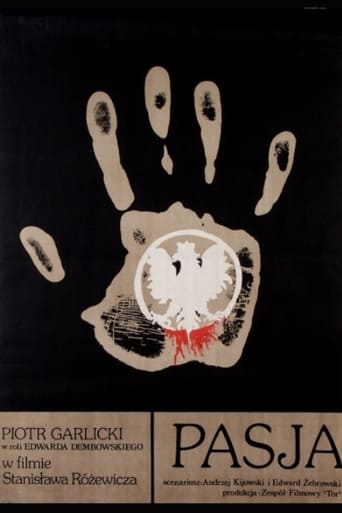
6.8The last days in the life of Edward Dembowski (1822-1846), the organizer of the Kraków Uprising in 1846. The informal leader of the uprising, determined to fight for the unification of Polish lands and the liberation of the peasants, negotiates with other politicians.
Passion
1978
Film credits
1990s · 2 titles
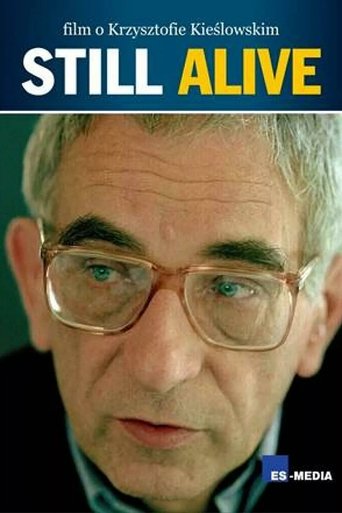
A documentary biographical film by Stanislaw Różewicz, made in the form of a self-interview. The director shares his memories and reflections on his fifty years of work in film. His achievements include twenty feature films - including theatrical and television films, medium-length films, directing in theaters, in the Television Theater. "A Place on Earth," "The Door in the Wall," "Westerplatte," "Birth Certificate," "Solitude for Two," "Fallen Leaves from the Trees," "The Lynx," "Mrs. Latter's Pension" are just some of the titles of his films. "Living Images" is also a story about working with a film crew: screenwriters - including his brother Tadeusz, cinematographers - Jerzy Wojcik, about methods of working with actors, about perplexities with censorship, about the activities of the TOR film team, of which he was the founder and artistic director. Stanislaw Różewicz's reflections are supplemented by excerpts from his films and photographs documenting his work on them.
Żywe obrazy
1995
A TV documentary about Polish director Stanislaw Rózewicz and his works.
Walking, Meeting...
1999
Behind the camera
NRA collection of intimate television short stories based on well-known literary works.
Komedie pomyłek
1968
NRA collection of intimate television short stories based on well-known literary works.
Komedie pomyłek
1968
9.0A story of the love affair between Janek Małodworny and Hanka, daughter of the kulak Nalepa. The two love each other, but their happiness is hampered by differences in possessions. To make matters worse, Małodworny is in favor of establishing a cooperative along Soviet lines, while old Nalepa is staunchly opposed.
Difficult Love
1954
9.0A story of the love affair between Janek Małodworny and Hanka, daughter of the kulak Nalepa. The two love each other, but their happiness is hampered by differences in possessions. To make matters worse, Małodworny is in favor of establishing a cooperative along Soviet lines, while old Nalepa is staunchly opposed.
Difficult Love
1954
10.0Five teenagers on the cusp of their final year in high school ponder about their futures.
Glass Ball
1972
10.0Five teenagers on the cusp of their final year in high school ponder about their futures.
Glass Ball
1972
Three women, ex-prisoners of a Nazi death camp, decide to live together after the war.
Trzy kobiety
1957
5.8A doctor, though not having finished his studies, earns a living providing medical advice. A former nurse enters the stage, saying she hears voices from "the other world". At first, they can exploit gullible victims without problems, but soon the authorities begin showing in these quacks.
The Voice from Beyond
1962
6.8The last days in the life of Edward Dembowski (1822-1846), the organizer of the Kraków Uprising in 1846. The informal leader of the uprising, determined to fight for the unification of Polish lands and the liberation of the peasants, negotiates with other politicians.
Passion
1978
 6.9
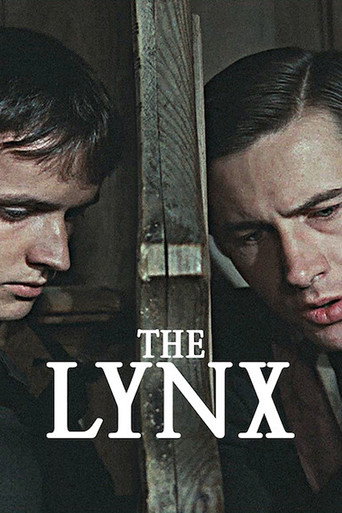
6.9Set during the German occupation of Poland during WWII. A priest in a small village meets a revolutionary who is on an assignment to kill a supposed Nazi collaborator.
The Lynx
1982
6.9Set during the German occupation of Poland during WWII. A priest in a small village meets a revolutionary who is on an assignment to kill a supposed Nazi collaborator.
The Lynx
1982
A documentary biographical film by Stanislaw Różewicz, made in the form of a self-interview. The director shares his memories and reflections on his fifty years of work in film. His achievements include twenty feature films - including theatrical and television films, medium-length films, directing in theaters, in the Television Theater. "A Place on Earth," "The Door in the Wall," "Westerplatte," "Birth Certificate," "Solitude for Two," "Fallen Leaves from the Trees," "The Lynx," "Mrs. Latter's Pension" are just some of the titles of his films. "Living Images" is also a story about working with a film crew: screenwriters - including his brother Tadeusz, cinematographers - Jerzy Wojcik, about methods of working with actors, about perplexities with censorship, about the activities of the TOR film team, of which he was the founder and artistic director. Stanislaw Różewicz's reflections are supplemented by excerpts from his films and photographs documenting his work on them.
Żywe obrazy
1995
A documentary biographical film by Stanislaw Różewicz, made in the form of a self-interview. The director shares his memories and reflections on his fifty years of work in film. His achievements include twenty feature films - including theatrical and television films, medium-length films, directing in theaters, in the Television Theater. "A Place on Earth," "The Door in the Wall," "Westerplatte," "Birth Certificate," "Solitude for Two," "Fallen Leaves from the Trees," "The Lynx," "Mrs. Latter's Pension" are just some of the titles of his films. "Living Images" is also a story about working with a film crew: screenwriters - including his brother Tadeusz, cinematographers - Jerzy Wojcik, about methods of working with actors, about perplexities with censorship, about the activities of the TOR film team, of which he was the founder and artistic director. Stanislaw Różewicz's reflections are supplemented by excerpts from his films and photographs documenting his work on them.
Żywe obrazy
1995
 7.3
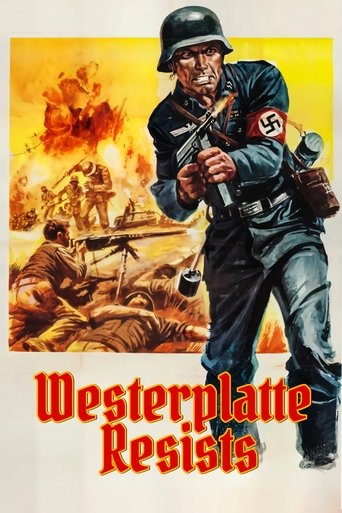
7.3Westerplatte is a small peninsula at the entry to the Gdańsk Harbour. Before World War II, it functioned as a Polish ammunition depot in the Free City of Danzig. Its crew consisted of one infantry company and a group of civilians, 182 people in total. It was the only Polish guard-post at the mouth of the Vistula River, with as little as five sentries, one field cannon, two anti-armour guns and four mortars. The first shots of World War II were fired there. This film tells the story of Westerplatte's courageous defenders.
Westerplatte Resists
1967
 6.5
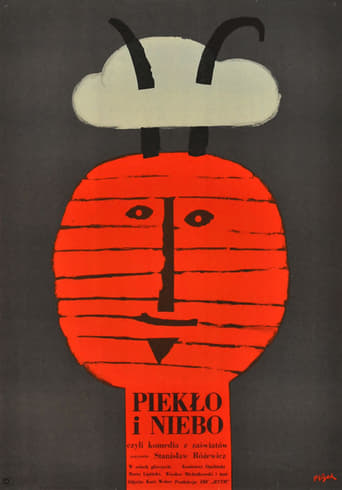
6.5A bus crashes and its passengers find themeselves in the afterlife, which they find has the not only the same set of rules as Earth, but also the same bureaucratic chaos.
Hell and Heaven
1966
 5.5
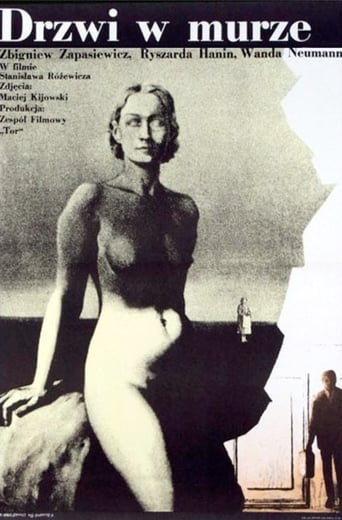
5.5Accomplished playwright supervises the stage rehearsals for his new play away from home. He rents a room at a private house, which is owned by mother and daughter. Wiktor gets entangled in the two women's bizarre relationship.
The Wicket Gate
1974
5.5Accomplished playwright supervises the stage rehearsals for his new play away from home. He rents a room at a private house, which is owned by mother and daughter. Wiktor gets entangled in the two women's bizarre relationship.
The Wicket Gate
1974
 10.0
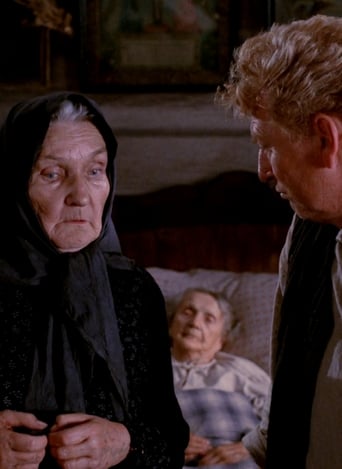
10.0The hard-working son of a dying country woman hires a stranger to take care of his mother.
Diabeł
1988
10.0The hard-working son of a dying country woman hires a stranger to take care of his mother.
Diabeł
1988
A group of resistance fighters discover the secret collaboration between a local beggar and the Nazis.
Na melinę
1981
 5.9
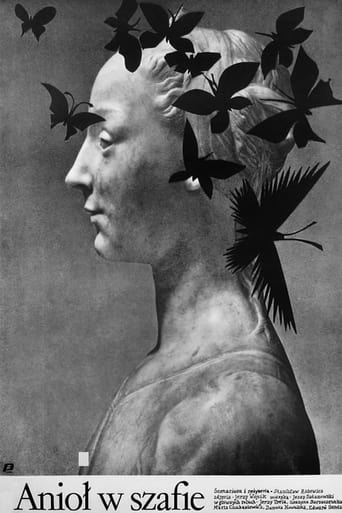
5.9About a sound designer for films who years ago, while in bed with his mistress, failed to respond to calls for help outside his door. Now during the recording of the audio track for a new film he begins to hear strange noises on his headphones.
Angel in the Wardrobe
1988
5.9About a sound designer for films who years ago, while in bed with his mistress, failed to respond to calls for help outside his door. Now during the recording of the audio track for a new film he begins to hear strange noises on his headphones.
Angel in the Wardrobe
1988
 9.0
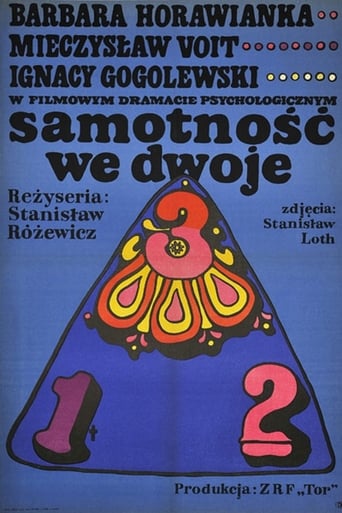
9.0The film is a psychological study addressing the problem of lack of inner resilience in the face of misfortune. The death of a son, trampled by frightened horses, disrupts the peace and happiness of the family of Pastor Hubina. Mentally broken wife Edyta (Barbara Horawianka) leaves to join her sister in Prague and there meets music teacher von Kschitzky, with whom she returns after some time, entrusting him with teaching music to her daughter Olesia. The teacher is a follower of Nazi ideology and practice. Edith begins to show more and more interest in him, and he ostentatiously seeks her favor.
Loneliness of the Couple
1969
9.0The film is a psychological study addressing the problem of lack of inner resilience in the face of misfortune. The death of a son, trampled by frightened horses, disrupts the peace and happiness of the family of Pastor Hubina. Mentally broken wife Edyta (Barbara Horawianka) leaves to join her sister in Prague and there meets music teacher von Kschitzky, with whom she returns after some time, entrusting him with teaching music to her daughter Olesia. The teacher is a follower of Nazi ideology and practice. Edith begins to show more and more interest in him, and he ostentatiously seeks her favor.
Loneliness of the Couple
1969
 6.8
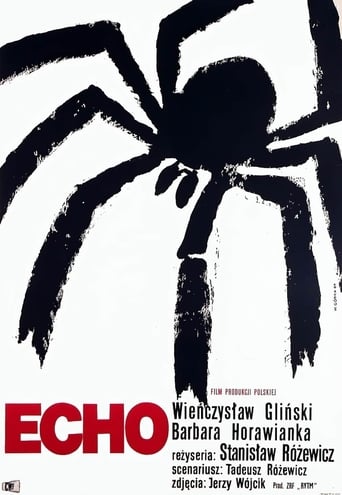
6.8It seems that nothing can ruin Henryk’s (Wieńczysław Gliński) happy life. He’s a respected lawyer with a loving son and wife. One day, he receives a letter from the prosecutor’s office. He’s accused of collaborating with the Gestapo. It’s an echo of his past under occupation.
Echo
1964
6.8It seems that nothing can ruin Henryk’s (Wieńczysław Gliński) happy life. He’s a respected lawyer with a loving son and wife. One day, he receives a letter from the prosecutor’s office. He’s accused of collaborating with the Gestapo. It’s an echo of his past under occupation.
Echo
1964
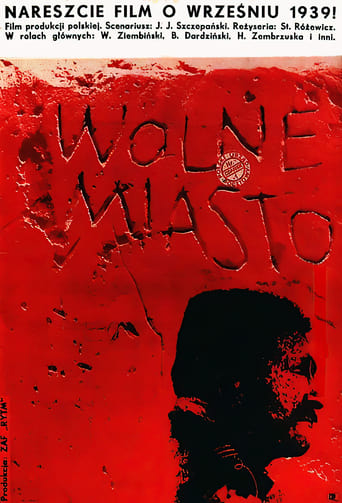 7.2
7.2The heroic struggle of Polish post office workers in Gdańsk on the first day of World War II.
Free City
1958
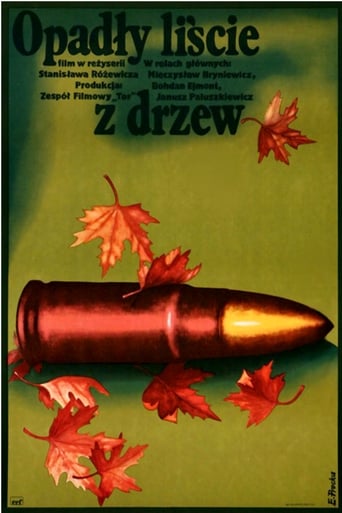 5.7
5.7Two years after the war, during a train trip, Henryk (20) recollects the occupation period. He passes different train stations and recollects various situations from the past: his family life, working in a garage, guerrilla warfare, the fear that accompanied him every day. He’s looking at the travellers’ faces, including the ones who have survived the war.
The Leaves Have Fallen
1975
5.7Two years after the war, during a train trip, Henryk (20) recollects the occupation period. He passes different train stations and recollects various situations from the past: his family life, working in a garage, guerrilla warfare, the fear that accompanied him every day. He’s looking at the travellers’ faces, including the ones who have survived the war.
The Leaves Have Fallen
1975
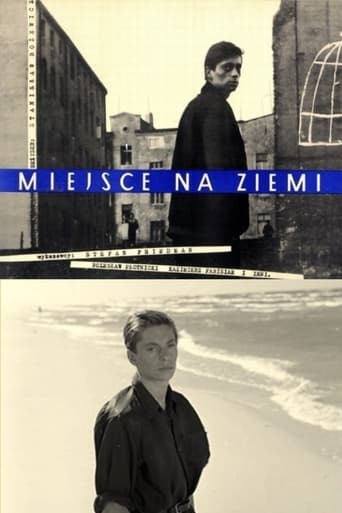 8.0
8.0A teenager finds himself torn after the death of his mother and falls on the wrong side of the law.
Place on Earth
1960
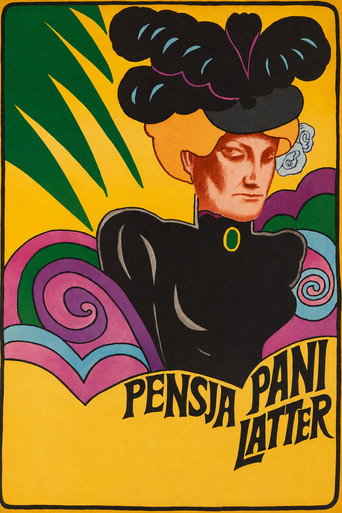 10.0
10.0The action takes place in Warsaw in the second half of the 19th century. The main character is the head of the girls' school - Mrs. Emma Latter. Ms Latter is struggling with the financial problems of her institution, because the parents of the students are still in arrears with payments. In addition to professional problems, she is tormented by problems with adolescent children. All this causes Mrs. Latter to experience a mental breakdown.
Pensja pani Latter
1983
 8.0
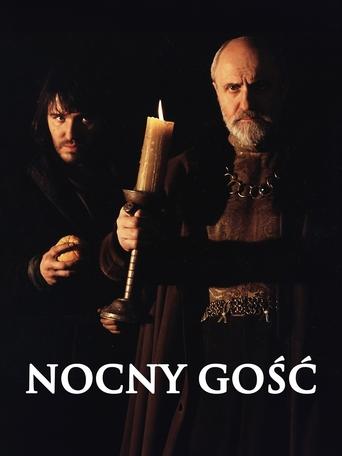
8.0In 1456, Francis Villon and his companions attack a merchant in the forest. On the cart they find a girl dead of the plague. They give up the robbery. Villon spends the evening in an inn. He drinks, dances - the fun is interrupted by the arrival of a leper. Only Villon is not afraid to touch him, he treats him as a neighbor. In bed, his lover Gretel complains to the poet that no one wants to marry her....
Nocny gość
1990
8.0In 1456, Francis Villon and his companions attack a merchant in the forest. On the cart they find a girl dead of the plague. They give up the robbery. Villon spends the evening in an inn. He drinks, dances - the fun is interrupted by the arrival of a leper. Only Villon is not afraid to touch him, he treats him as a neighbor. In bed, his lover Gretel complains to the poet that no one wants to marry her....
Nocny gość
1990
 6.6
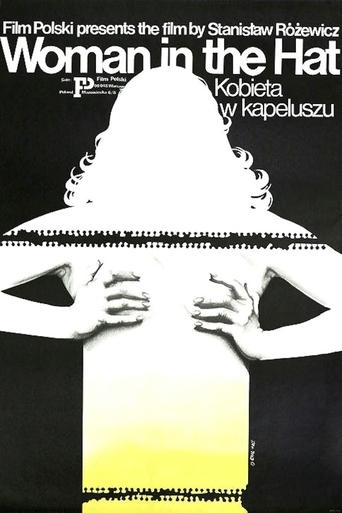
6.6A psychological portrait of Ewa, a young Polish theatre actress searching for her own way in life. She plays a minor role in Jasieński's 'The Ball of Mannequins', a complete opposite of her real personality, while aspires to star as Cordelia in Shakespeare's 'King Lear'. Ewa lives on her own, occasionally visiting a famous old actress to talk about theatre, taking care of a poor neighbor, and fights her sophisticated mother rejecting the truth about her beloved father, who died an alcoholic.
Woman in a Hat
1985
6.6A psychological portrait of Ewa, a young Polish theatre actress searching for her own way in life. She plays a minor role in Jasieński's 'The Ball of Mannequins', a complete opposite of her real personality, while aspires to star as Cordelia in Shakespeare's 'King Lear'. Ewa lives on her own, occasionally visiting a famous old actress to talk about theatre, taking care of a poor neighbor, and fights her sophisticated mother rejecting the truth about her beloved father, who died an alcoholic.
Woman in a Hat
1985
 7.2
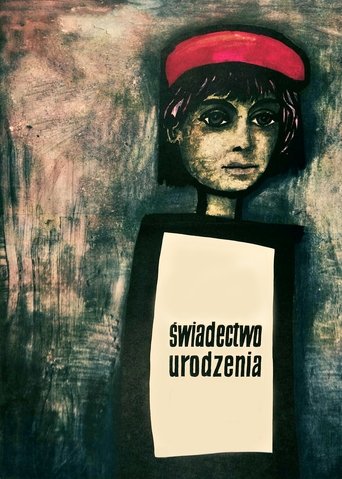
7.2Three separate stories depicting the tense everyday life during occupation, as seen through the eyes of children. In “On the Road,” the two main protagonists are lost in the September’s strife: a young boy, and a soldier transporting the valueless documents of his broken unit. In “Letter from the Concentration Camp” the story’s protagonists are young boys who help their mother during the hardships of the occupation. Their treasure is an officer uniform belonging their father who is being held in a prisoner of war camp. In “Blood Drop,” the Germans find a set of typical Aryan characteristics in this story’s protagonist – a Jewish girl, hiding in an orphanage.
Birth Certificate
1961
7.2Three separate stories depicting the tense everyday life during occupation, as seen through the eyes of children. In “On the Road,” the two main protagonists are lost in the September’s strife: a young boy, and a soldier transporting the valueless documents of his broken unit. In “Letter from the Concentration Camp” the story’s protagonists are young boys who help their mother during the hardships of the occupation. Their treasure is an officer uniform belonging their father who is being held in a prisoner of war camp. In “Blood Drop,” the Germans find a set of typical Aryan characteristics in this story’s protagonist – a Jewish girl, hiding in an orphanage.
Birth Certificate
1961
 9.0
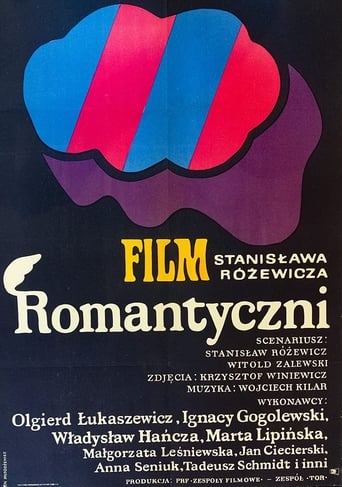
9.0An intimate psychological drama: the story of two brothers who, in the winter of 1848, waited for the opportunity to enter General Bem's troops in Hungary and experience emotional conflicts in a noble manor, which lead to a fundamental confrontation of attitudes and characters.
Romantyczni
1970
9.0An intimate psychological drama: the story of two brothers who, in the winter of 1848, waited for the opportunity to enter General Bem's troops in Hungary and experience emotional conflicts in a noble manor, which lead to a fundamental confrontation of attitudes and characters.
Romantyczni
1970
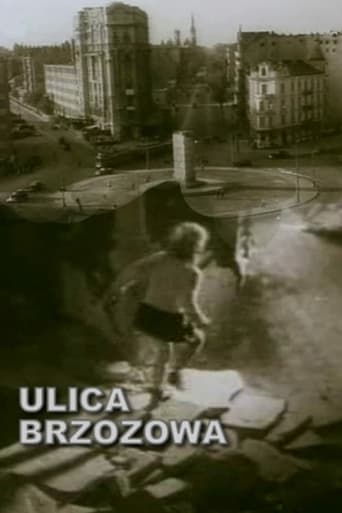 5.8
5.8Battered Warsaw is getting back to life after the WW2 destruction. The ruins of the Old Town become homes once again.
Brzozowa Street
1947