
Acting
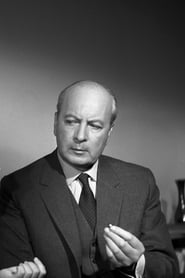
Zdzisław Mrożewski
Born — Died
1909-05-21 — 2002-07-05
Place of birth
Włocławek, Rosja (obecnie Polska)
Known for
Acting
Credits
34 titles
Known for
 8.0
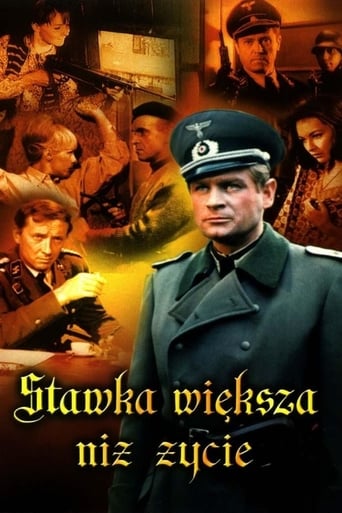
8.0A series about the adventures of a Polish secret agent, Hans Kloss, who acts as a double agent in the Abwehr during Second World War in occupied Poland.
More Than Life At Stake
1968
 8.0
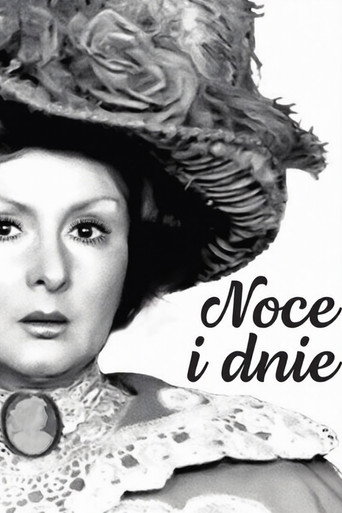
8.0Set in the Kalisz Region in the second half of the 19th century after the failure of the January Uprising in 1863, the miniseries presents a unique portrait of an oppressed society as told through the life of the Niechcic family.
Nights and Days
1978
 8.0
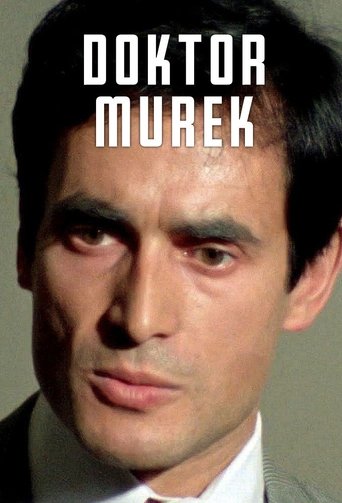
8.0The story of the ups and downs of the magistrate Franciszek Murek. After losing his state job, the protagonist assumes the identity of a foreigner Franz Klamma and makes a career in the aristocratic salons of Warsaw as a master of occultism.
Doktor Murek
1979
Zofia is an elderly woman living in an retirement home. Separate from the rest, she talks seldom and then only about visiting her daughter's family for Christmas. When she comes to her daughter's home unannounced, her stay is spoiled by the damage to her son-in-law doctorate bookmarks which she removed unknowingly during dusting. She then spends Christmas in an empty restaurant, surrounded by waiters and musicians waiting to be tipped.
Zofia
1976
 5.6
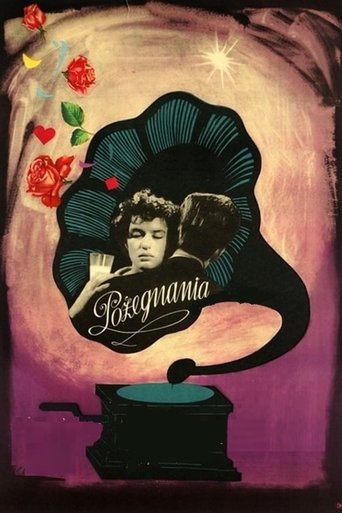
5.6The story takes place before World War II and centers on Pawel, a member of a conservative, middle-class family, and his love for Lidka, a taxi dancer. Social conventions and the lovers' inability to defy those forces Pawel and Lidka benefit. Times change, war breaks out, leading to Pawel sent to Auschwitz while Lidka marry his cousin. Their love has survived and conventions are no longer the issue.
Farewells
1958
 5.6
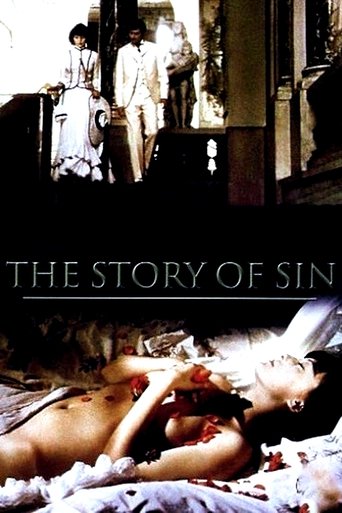
5.6A beautiful Polish girl whose lover has gone to Rome to seek a divorce from his previous wife travels around Europe in search of him and suffers a variety of tragic adventures as the men around her try to fit her into their own selfish schemes.
The Story of Sin
1975
Film credits
1980s · 2 titles
A Polish writer is arrested by the Nazis in 1942 and sent to the notorious Pawiak prison in Warsaw. He will spend the next 111 days fighting for survival.
111 dni letargu
1985
 10.0
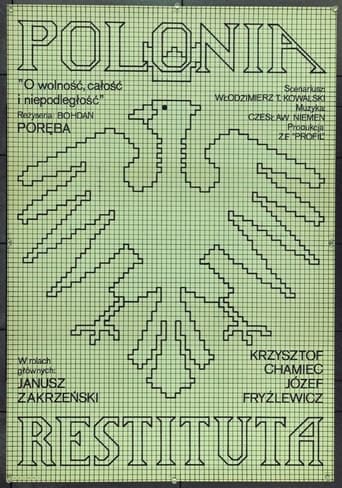
10.0A two-part historical film covering the years of the First World War and the post-war period up to 1919 - until the signing of the peace treaty in Versailles near Paris. An attempt to show the great and complicated process of regaining an independent existence by a nation within its own state. The screen shows characters from history textbooks: Józef Piłsudski, Ignacy Paderewski, Roman Dmowski, Wojciech Korfanty as well as representatives of the world political scene, incl. David Lloyd George, Woodrow Wilson, Georges Clemenceau, Vladimir Lenin and others.
Polonia Restituta
1981
1970s · 12 titles
Zofia is an elderly woman living in an retirement home. Separate from the rest, she talks seldom and then only about visiting her daughter's family for Christmas. When she comes to her daughter's home unannounced, her stay is spoiled by the damage to her son-in-law doctorate bookmarks which she removed unknowingly during dusting. She then spends Christmas in an empty restaurant, surrounded by waiters and musicians waiting to be tipped.
Zofia
1976
5.6A beautiful Polish girl whose lover has gone to Rome to seek a divorce from his previous wife travels around Europe in search of him and suffers a variety of tragic adventures as the men around her try to fit her into their own selfish schemes.
The Story of Sin
1975
 5.5
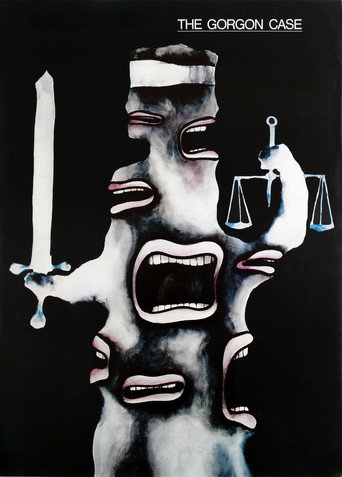
5.5In 1931, just before the New Year, in a house of architect Henryk Zaremba scream rips the night. The daughter of Zaremba is found killed in her bedroom, obviously killed with a pickaxe. The police arrives and starts the investigation. Rita Gorgonova, the governess of the girl and also lover of Zaremba becomes the main suspect.
The Gorgon Case
1977
There has been a secret relationship between the nephew of the ordinate - Jan, and his older cousin Xymena. However, Jan falls in love with the foster daughter of the ordinate, the young Krystyna. The ordinate does not consent to marriage, because Krystyna is his illegitimate daughter, and thus Jan's cousin. But it turns out that Jan is not the son of the general's brother ...
Honor dziecka
1976
 7.1
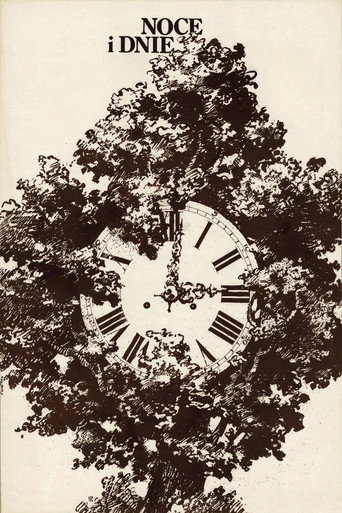
7.1A family saga of Barbara Ostrzeńska-Niechcic and Bogumił Niechcic against the backdrop of the January Uprising of 1863 and World War I. The film is a rather straightforward and faithful adaptation of a novel by Maria Dabrowska with the same title. The plot is woven around the changing fortunes of a noble (upper-class) Niechcic family in the pre-WWI Poland. There are two main crossing threads: a social history one and an existential one.
Nights and Days
1975
 5.4
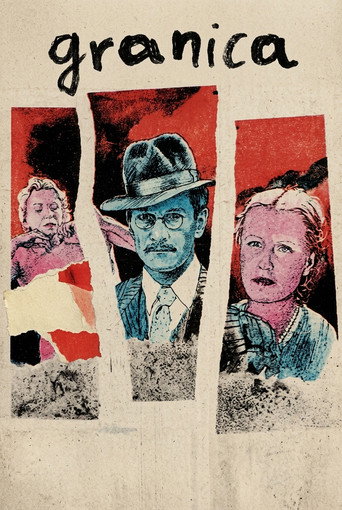
5.4Zenon Ziembiewicz, a young, budding journalist, comes to his parents' manor house for a vacation. Here he enters into an affair with the lovely Justyna Bogutówna, the daughter of a cook. When the canicule comes to an end, Zenon packs his bags and leaves for Paris to study. Returning after a year with a doctorate in political science, he makes a fast and glamorous career. He becomes the editor-in-chief of the local newspaper and, soon after, mayor of the city. He also marries Elzbieta Biecka, but still does not break up with Justyna.
The Border
1978
The protagonists of the film are residents of a nursing home run by nuns. One of the nuns, Maria, wants to introduce discipline, but it is not easy. The elderly residents decide to fight for their independence. Their plans are thwarted by the departure of the leader of the rebellion. But the men will not give up so easily.
Chlopcy
1973
 8.7
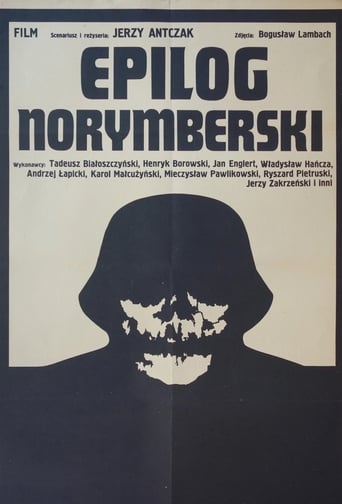
8.7Reproduction of the Nuremberg trials using transcripts, made for Polish TV.
Nuremberg Epilogue
1971
 6.2
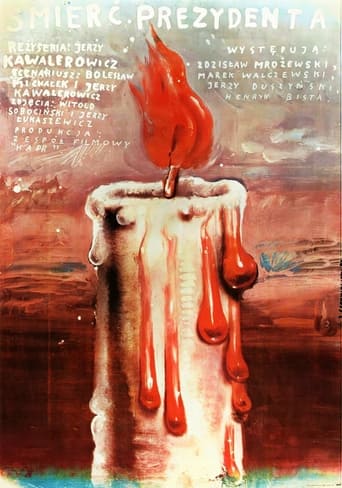
6.2After Poland won freedom from of its long overlordship by Russia and the Austro-Hungarian Empire in 1918, it took a further four years for its National Assembly to elect Gabriel Narutowicz as its first president. Narutowicz was a professor who until his election had been living in Switzerland. Those were chaotic times, and shortly after his election, he was assassinated by right-wing fanatics. This epic Polish film chronicles the circumstances of Narutowicz's election and assassination.
Death of a President
1977
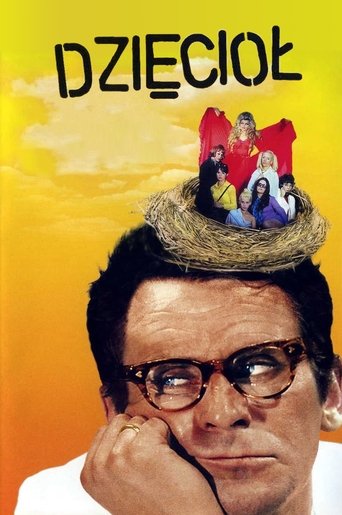 5.7
5.7A man approaching middle age gets more than he bargained for when he tries having an extramarital affair while his wife is away.
The Woodpecker
1971
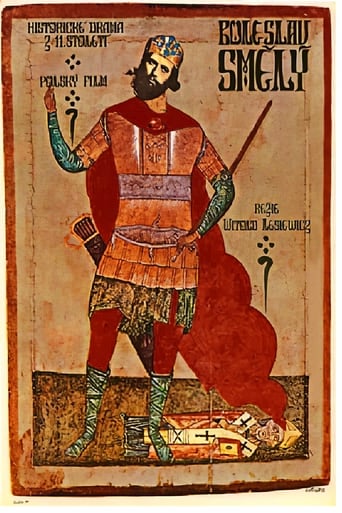 6.6
6.6Portrays the power struggle between the king of Poland, Bolesław the Bold, and the Bishop of Kraków, Stanisław Szczepanowski.
Bolesław Śmiały
1972
A helpline dispatched saves a young woman from commiting suicide and tries to find the reason for her decision.
Egzamin
1975
1960s · 13 titles
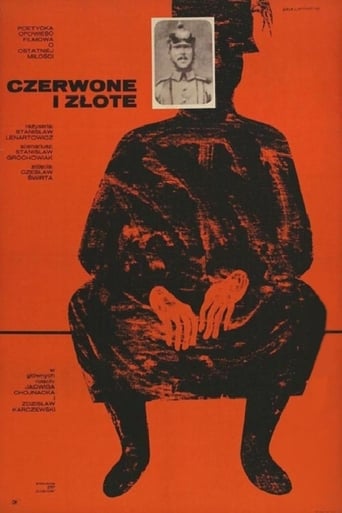 5.2
5.2An old man escapes from a retirement home to impersonate a man who has died in his arms and told him he never went home to his new bride after the first World War.
The Red and the Gold
1969
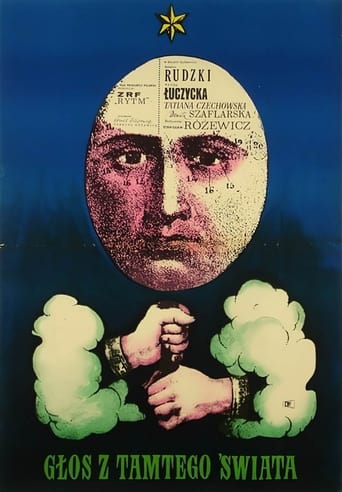 5.8
5.8A doctor, though not having finished his studies, earns a living providing medical advice. A former nurse enters the stage, saying she hears voices from "the other world". At first, they can exploit gullible victims without problems, but soon the authorities begin showing in these quacks.
The Voice from Beyond
1962
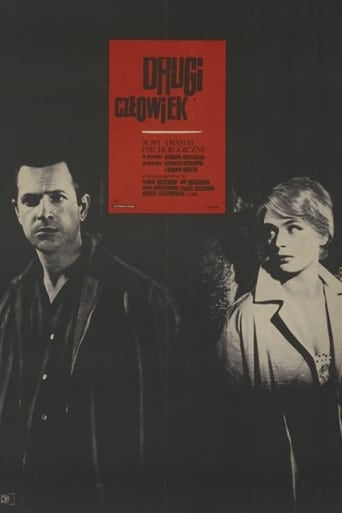 7.5
7.5A man just released from prison protects a woman from a group of thugs while on his way home.
Drugi człowiek
1961
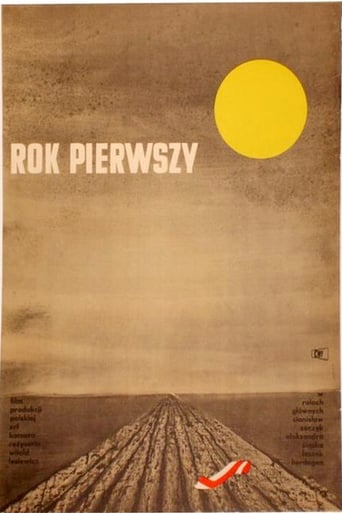 9.0
9.01944. Communist militiaman take a post in a little town in the east of Poland. He has to stand against his own men that are not happy with new authorities.
Rok pierwszy
1960
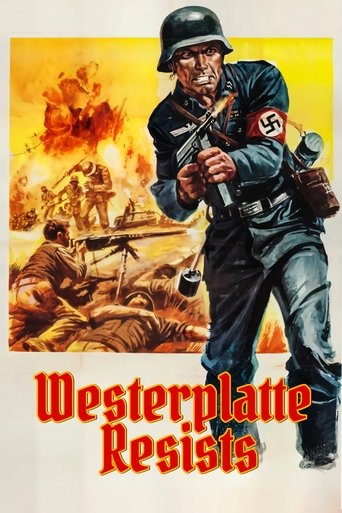 7.3
7.3Westerplatte is a small peninsula at the entry to the Gdańsk Harbour. Before World War II, it functioned as a Polish ammunition depot in the Free City of Danzig. Its crew consisted of one infantry company and a group of civilians, 182 people in total. It was the only Polish guard-post at the mouth of the Vistula River, with as little as five sentries, one field cannon, two anti-armour guns and four mortars. The first shots of World War II were fired there. This film tells the story of Westerplatte's courageous defenders.
Westerplatte Resists
1967
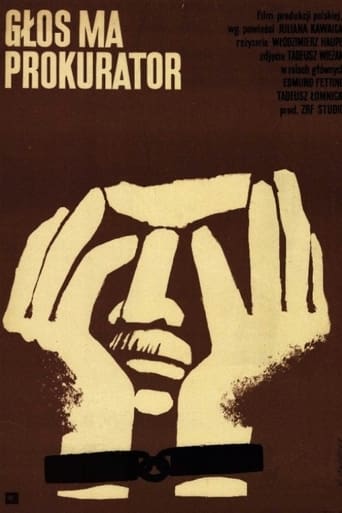 8.0
8.0A prosecutor takes on the case of a peasant accused of murder.
Głos ma prokurator
1965
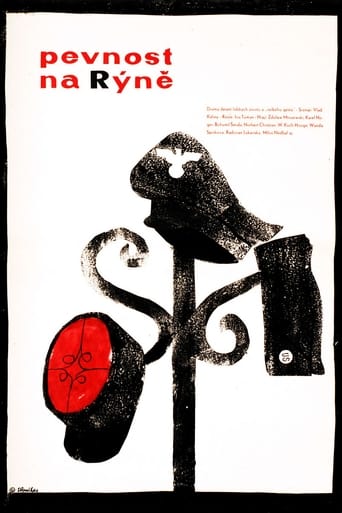 8.0
8.0During the Second World War, an old fortress is transformed into a detention camp for arrested allied generals who the Germans provide with every possible comfort. In the nearby garrison camp, however, hundreds of captured private soldiers try to survive hunger and cold.
Fortress on the Rhine
1962
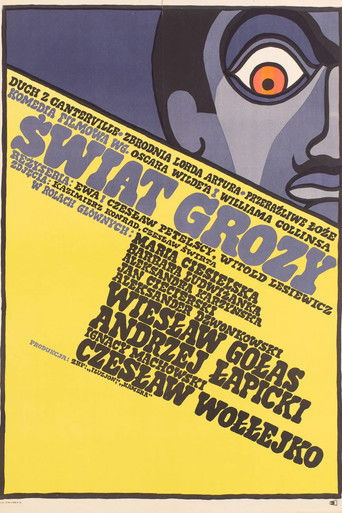 NR
NRSelected episodes from a television series of thrilling stories based on works of world literature classics.
Świat grozy
1968
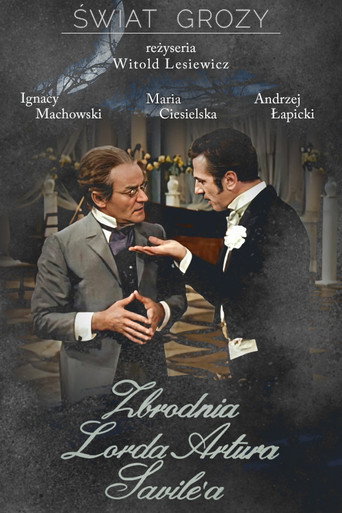 8.0
8.0The wealthy Lord Artur Savile learns from a palm reader that he's destined to become a murderer. Obsessed with the prophecy, he decides to commit the deed as quickly as possible.
Zbrodnia lorda Artura Savile'a
1968
The fourth of six episode compilations of the TV series, featuring episodes 8 and 9.
More Than Life At Stake Part Four
1969
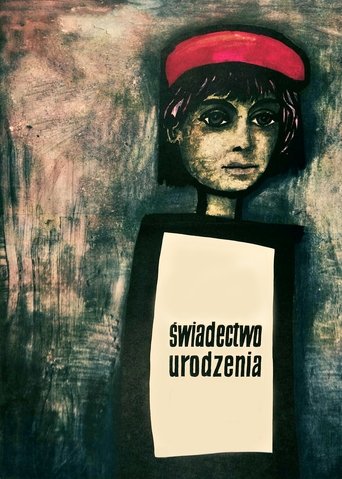 7.2
7.2Three separate stories depicting the tense everyday life during occupation, as seen through the eyes of children. In “On the Road,” the two main protagonists are lost in the September’s strife: a young boy, and a soldier transporting the valueless documents of his broken unit. In “Letter from the Concentration Camp” the story’s protagonists are young boys who help their mother during the hardships of the occupation. Their treasure is an officer uniform belonging their father who is being held in a prisoner of war camp. In “Blood Drop,” the Germans find a set of typical Aryan characteristics in this story’s protagonist – a Jewish girl, hiding in an orphanage.
Birth Certificate
1961
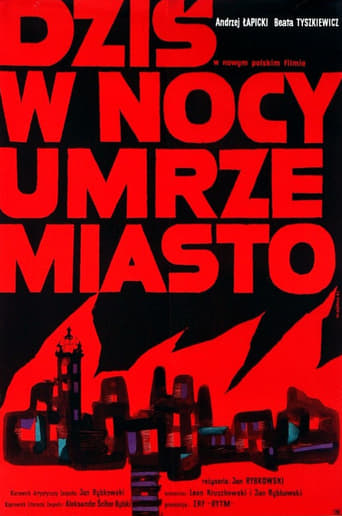 8.0
8.0An unlikely couple - a Polish concentration camp inmate and a young German girl - stick together and try to survive the RAF bombing of Dresden in February 1945.
Dziś w nocy umrze miasto
1961
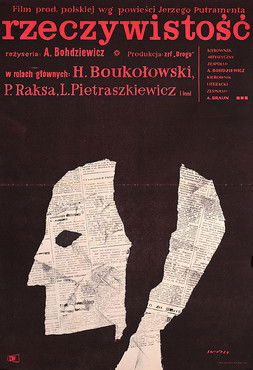 10.0
10.0The 1937 trial of communist journalists, working for the same student magazine in Vilnius, is shown through the tragic life of the paper's young collaborator Julek Szulc.
Rzeczywistość
1961
1950s · 4 titles
5.6The story takes place before World War II and centers on Pawel, a member of a conservative, middle-class family, and his love for Lidka, a taxi dancer. Social conventions and the lovers' inability to defy those forces Pawel and Lidka benefit. Times change, war breaks out, leading to Pawel sent to Auschwitz while Lidka marry his cousin. Their love has survived and conventions are no longer the issue.
Farewells
1958
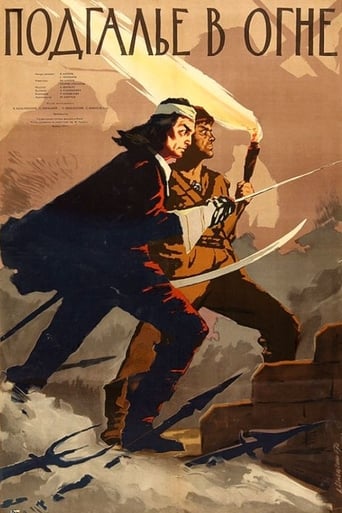 NR
NRPodhale, 17th century – the story of an anti-nobility peasant rebellion led by Aleksander Kostka Napierski.
Podhale w ogniu
1956
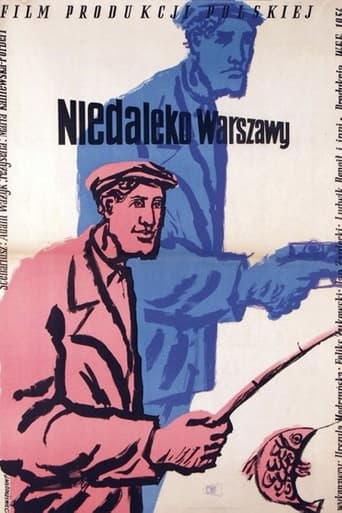 8.0
8.0Imperialist spies try to disrupt and stop production in a large steelworks.
Not Far from Warsaw
1954
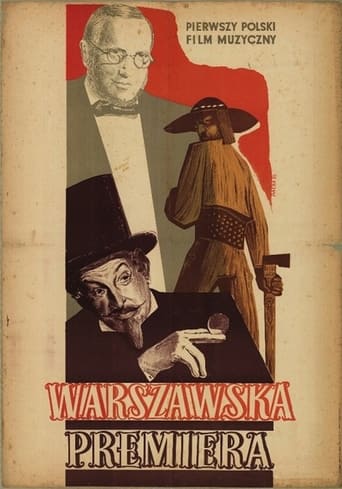 7.0
7.0Polish composer Stanisław Moniuszko fights for the right to stage his opera "Halka".
The Warsaw Debut
1951
Series credits
8.0A series about the adventures of a Polish secret agent, Hans Kloss, who acts as a double agent in the Abwehr during Second World War in occupied Poland.
More Than Life At Stake
1968
8.0Set in the Kalisz Region in the second half of the 19th century after the failure of the January Uprising in 1863, the miniseries presents a unique portrait of an oppressed society as told through the life of the Niechcic family.
Nights and Days
1978
8.0The story of the ups and downs of the magistrate Franciszek Murek. After losing his state job, the protagonist assumes the identity of a foreigner Franz Klamma and makes a career in the aristocratic salons of Warsaw as a master of occultism.
Doktor Murek
1979