
Directing
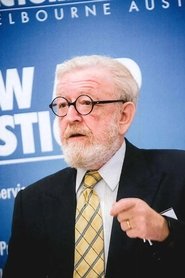
Robert Richter
Born — Died
1929-10-23 — 2025-02-16
Place of birth
New York City, New York, USA
Known for
Directing
Credits
27 titles
Robert Richter (October 23, 1929 – February 16, 2025) was an American documentary filmmaker. He received two Academy Award nominations for Best Doucmentary Short, for the films Gods of Metal (1982) and School of Assassins (1994).
Known for
Dioxins, PCBs and profit v. public health. A hard-hitting investigation of dioxins and PCBs, with a clear scientific explanation of why they are the most poisonous man-made substances in existence, and the disturbing human consequences of exposure to them. Corporate defenders, scientists and victims appear, including U.S. veterans exposed to Agent Orange during the Vietnam war, factory workers exposed to PCBs, housewives exposed to toxic spray in logging areas, people exposed to the poisons at Love Canal and other waste disposal sites. Part One focuses on dioxin. Part Two focuses on PCBs.
A Plague on Our Children
1979
One million people. One voice: stop the nuclear arms race. The largest peace demonstration in history, a magical day when even the police were on the side of the marchers.
In Our Hands
1984
 8.0
The struggle by a Vietnam war hero turned priest to find and reveal the truth about secret CIA torture training at a US military base.
Father Roy: Inside the School of Assassins
1996
 8.0
Modern forensic science re-examines the evidence. Walter Cronkite narrates. Definitive investigation. Written, directed and produced by Robert Richter.
Who Shot President Kennedy?
1988
This new documentary focuses on the moving, unforgettable stories of Nagasaki and Fukushima survivors. Their stories are interlaced with expert commentary illuminating the largely unknown connection between nuclear weapons and nuclear power plants.
The Ultimate Wish: Ending The Nuclear Age
2012
 7.3
Human rights abuses by graduates of the U.S. Army School of the Americas (SOA) are chillingly documented at the beginning of the campaign to close the school.
School of Assassins
1994
Film credits
Behind the camera
Dioxins, PCBs and profit v. public health. A hard-hitting investigation of dioxins and PCBs, with a clear scientific explanation of why they are the most poisonous man-made substances in existence, and the disturbing human consequences of exposure to them. Corporate defenders, scientists and victims appear, including U.S. veterans exposed to Agent Orange during the Vietnam war, factory workers exposed to PCBs, housewives exposed to toxic spray in logging areas, people exposed to the poisons at Love Canal and other waste disposal sites. Part One focuses on dioxin. Part Two focuses on PCBs.
A Plague on Our Children
1979
One million people. One voice: stop the nuclear arms race. The largest peace demonstration in history, a magical day when even the police were on the side of the marchers.
In Our Hands
1984
8.0The struggle by a Vietnam war hero turned priest to find and reveal the truth about secret CIA torture training at a US military base.
Father Roy: Inside the School of Assassins
1996
8.0The struggle by a Vietnam war hero turned priest to find and reveal the truth about secret CIA torture training at a US military base.
Father Roy: Inside the School of Assassins
1996
8.0Modern forensic science re-examines the evidence. Walter Cronkite narrates. Definitive investigation. Written, directed and produced by Robert Richter.
Who Shot President Kennedy?
1988
8.0Modern forensic science re-examines the evidence. Walter Cronkite narrates. Definitive investigation. Written, directed and produced by Robert Richter.
Who Shot President Kennedy?
1988
8.0Modern forensic science re-examines the evidence. Walter Cronkite narrates. Definitive investigation. Written, directed and produced by Robert Richter.
Who Shot President Kennedy?
1988
This new documentary focuses on the moving, unforgettable stories of Nagasaki and Fukushima survivors. Their stories are interlaced with expert commentary illuminating the largely unknown connection between nuclear weapons and nuclear power plants.
The Ultimate Wish: Ending The Nuclear Age
2012
This new documentary focuses on the moving, unforgettable stories of Nagasaki and Fukushima survivors. Their stories are interlaced with expert commentary illuminating the largely unknown connection between nuclear weapons and nuclear power plants.
The Ultimate Wish: Ending The Nuclear Age
2012
7.3Human rights abuses by graduates of the U.S. Army School of the Americas (SOA) are chillingly documented at the beginning of the campaign to close the school.
School of Assassins
1994
Critical investigation of The World Bank and IMF. Too hot for PBS, but prime time TV everywhere else. Do the World Bank and IMF make the poor even poorer? Are the Bank and IMF democratic institutions? Why do people demonstrate against the Bank and IMF? For the first time, a documentary global investigation of major criticisms of the World Bank and the International Monetary Fund (IMF), two of the most powerful financial institutions in the world. Five country case studies are presented, each concentrating on a different aspect of critics' charges: 1. Bolivia: Debt, Drugs and Democracy 2. Ghana: The Model of Success 3. Brazil: Debt, Damage and Politics 4. Thailand: Dams and Dislocation 5. Philippines: The Debt Fighters. The charges, including those related to structural adjustment, are controversial and provocative. Some go to the heart of the power and policies of these institutions.
The Money Lenders
1991
With another Minnesotan campaigning for the office of Vice President, it is fascinating to look back at the issues VP candidate Hubert H. Humphrey was raising during the 1968 campaign. In newspapers at the time, the film was advertised as "The Mind Changer." It was telecast 300 times nationwide in the closing three weeks of the political race.
HHH: What Manner of Man
1968
Robert Richter exposed the fact that U.S. medicines were being exported to developing nations with minimal, misleading, or non-existent information about side effects and other warnings. Only one manufacturer agreed to be interviewed for this hard-hitting report and then tried to bribe Richter to cancel the broadcast.
For Export Only: Pesticides and Pills
1980
 7.2
Gods of Metal is a 1982 American short documentary film produced by Robert Richter for the Maryknoll Fathers and Brothers on nuclear disarmament. It was nominated for an Academy Award for Best Documentary Short.
Gods of Metal
1982
7.2Gods of Metal is a 1982 American short documentary film produced by Robert Richter for the Maryknoll Fathers and Brothers on nuclear disarmament. It was nominated for an Academy Award for Best Documentary Short.
Gods of Metal
1982
Robert Richter was the first American filmmaker allowed to film in Vietnam after the war and report how its people were trying to heal the country’s wounds. With countries engulfed in new wars, this remains an important document.
Vietnam: An American Journey
1979
This film tells the story of the difficult transition from 36 years of military rule to a civilian president in Guatemala in 1986. It focuses on the pressing issues of continuing military power, land and human rights issues.
Under the Gun: Democracy in Guatemala
1987
Led by actor Martin Sheen, in November 1998, more than 7,000 students, teachers, churchgoers, activists, and former military personnel met outside the gates of the Ft. Benning army base in Georgia where the School of Americas (SOA) was located. Thousands risked arrest and imprisonment by crossing the line onto the base in the largest act of civil disobedience in the U.S. til that time
Crossing the Line
1999
 NR
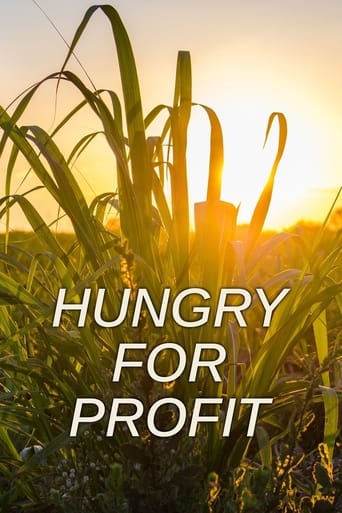
Is our food bought at the price of famine in the developing world? Is agribusiness more interested in producing profits than producing food? This PBS independent documentary investigates U.S. and European agribusiness in the Third World. Filmed on five continents, it takes a close look at agribusiness, which is turning the world's food supply into a global supermarket, buying food at the lowest prices-regardless of small farmers and local populations-and selling it at the highest price and the greatest profit whenever possible.
Hungry for Profit
1985
NRIs our food bought at the price of famine in the developing world? Is agribusiness more interested in producing profits than producing food? This PBS independent documentary investigates U.S. and European agribusiness in the Third World. Filmed on five continents, it takes a close look at agribusiness, which is turning the world's food supply into a global supermarket, buying food at the lowest prices-regardless of small farmers and local populations-and selling it at the highest price and the greatest profit whenever possible.
Hungry for Profit
1985
 NR
One of the major causes of world hunger lies in the unequal distribution of the earth's resources. Many people go hungry while their governments continue to export vital foodstuffs, such as soy beans and groundnuts to the industrialised countries. This film describes this reality in Asia, Africa and Latin and North America suggesting a more just distribution of agricultural resources.
The Business of Hunger
1984
Five U.S. military veterans, including a Congressional Medal of Honor winner and a woman West Point graduate, speak out about terrorism, patriotism and their transformation from warriors to peace activists.
The New Patriots
—
Five U.S. military veterans, including a Congressional Medal of Honor winner and a woman West Point graduate, speak out about terrorism, patriotism and their transformation from warriors to peace activists.
The New Patriots
—