
Acting
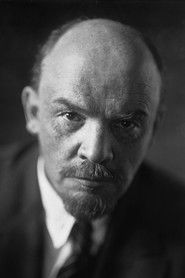
Vladimir Lenin
Born — Died
1870-04-21 — 1924-01-21
Place of birth
Simbirsk
Known for
Acting
Credits
75 titles
Vladimir Ilyich Ulyanov (22 April 1870 – 21 January 1924), better known by his alias Lenin, was a Russian revolutionary, politician, and political theorist. He served as head of government of Soviet Russia from 1917 to 1922 and of the Soviet Union from 1922 to 1924. Under his administration, Russia and then the wider Soviet Union became a one-party communist state governed by the Russian Communist Party. A Marxist, he developed a variant of this communist ideology known as Leninism. Born to a moderately prosperous middle-class family in Simbirsk, Lenin embraced revolutionary socialist politics following his brother's 1887 execution. Expelled from Kazan Imperial University for participating …
Known for
 6.5
6.5TV's most-watched history series brings to life the compelling stories from our past that inform our understanding of the world today.
American Experience
1988
 6.7
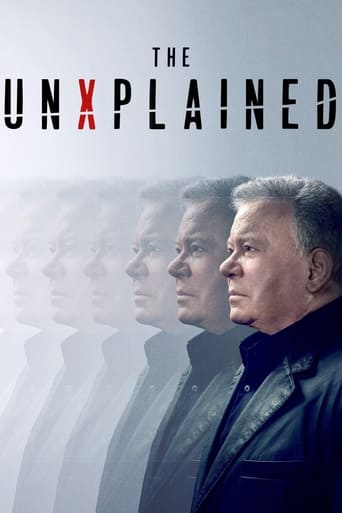
6.7Explore the world’s most fascinating, strange and inexplicable mysteries. Each episode features compelling contributions from scientists, historians, witnesses and experiencers—each seeking to shed light on how the seemingly impossible actually can happen.
The UnXplained
2019
 8.0
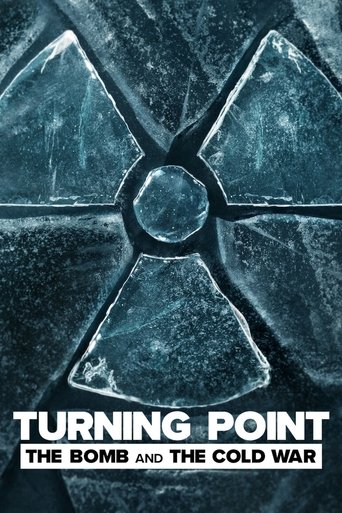
8.0With firsthand accounts and access to prominent figures around the world, this comprehensive docuseries explores the Cold War and its aftermath.
Turning Point: The Bomb and the Cold War
2024
 7.3
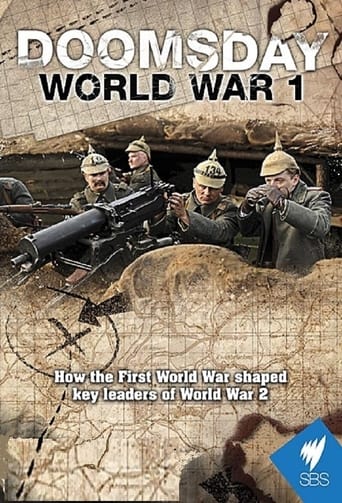
7.3The First World War - carnage on a scale never-before seen. But how did it all start? And how did some key figures of WWII fare in the earlier war?
Doomsday: World War I
2012
 6.9
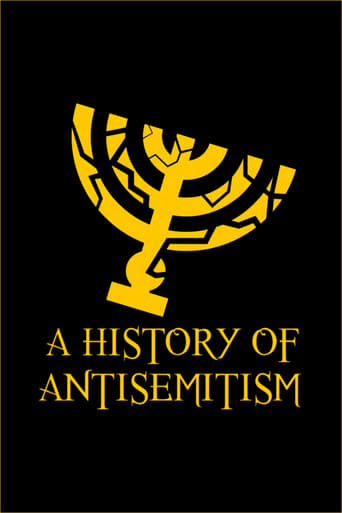
6.9A detailed account of the two millennia of intolerance and persecution suffered by the Jews, from antiquity to the present day.
A History of Antisemitism
2022
 7.4
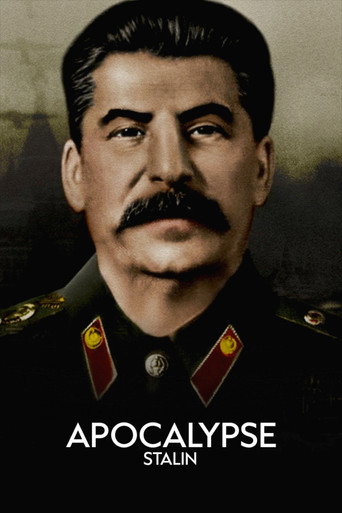
7.4The rise of Stalin, from his early beginning as a bankrobber to the cold-blooded leader of the Soviet Union.
Apocalypse: Stalin
2015
Film credits
2020s · 7 titles
 7.8
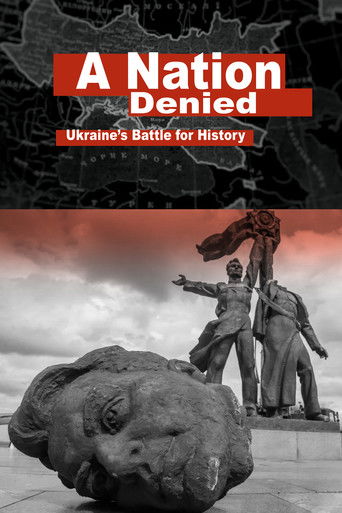
7.8A critical and objective look back at Ukraine's tumultuous and tragic history, from its mythical founding in the 10th century to the Russian invasion in 2022.
A Nation Denied: Ukraine's Battle for History
2024
 4.0
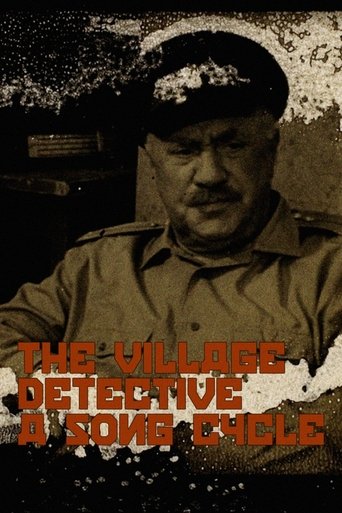
4.0Atlantic Ocean, off the coast of Iceland, July 9, 2016. The surprising discovery of a canister —containing four reels of The Village Detective (Деревенский детектив), a 1969 Soviet film—, caught in the nets of an Icelandic trawler, is the first step in a fascinating journey through the artistic life of film and stage actor Mikhail Ivanovich Zharov (1899-1981), icon and star of an entire era of Russian cinema.
The Village Detective: A Song Cycle
2021
 8.2
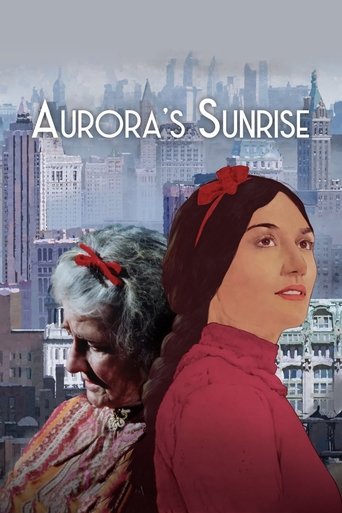
8.2The story of how Aurora Mardiganian (1901-94), a survivor of the Armenian genocide perpetrated by the Ottoman Empire (1915-17), became a Hollywood silent film star.
Aurora's Sunrise
2023
 5.0
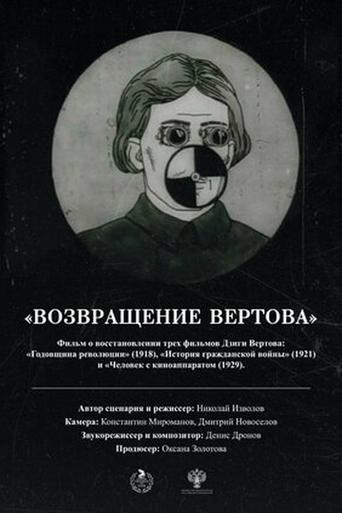
5.0The film deals with intellectual activities which are usually hidden from the human eye. It concerns doing research in film archives, searching for missing films and bringing them back to life. It is a documentary about the work of Dziga Vertov, a prominent soviet director, and the restoration of the director’s original concept of the films Anniversary of the Revolution (1918), The History of the Civil War (1921), Man with a Movie Camera (1929).
The Return of Vertov
2024
 10.0
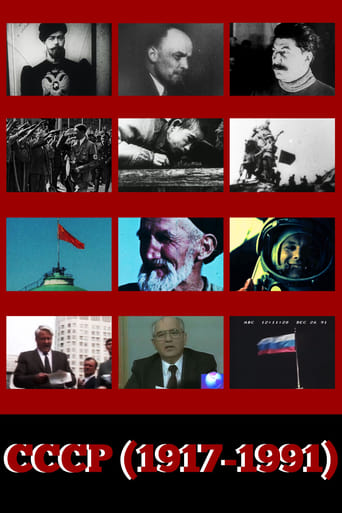
10.0Experimental short film that explores the rise and decline of the Soviet Union, from the revolutionary spark of 1917 to the challenges and sacrifices endured during World War II, until its dissolution in 1991.
USSR (1917-1991)
2024
 NR
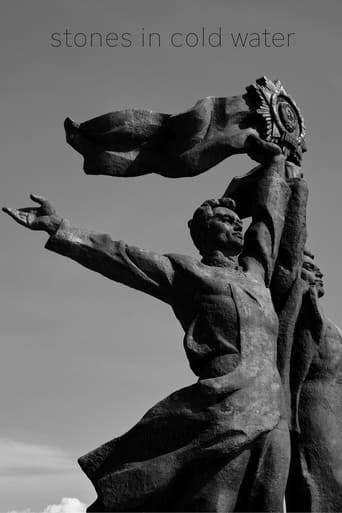
NRFilmed throughout Ukraine just months before the full-scale Russian invasion, this vérité visual ethnography explores the overlaps of memory, hope, progress, and nostalgia at the scale of everyday life.
Stones in Cold Water
2023
 NR
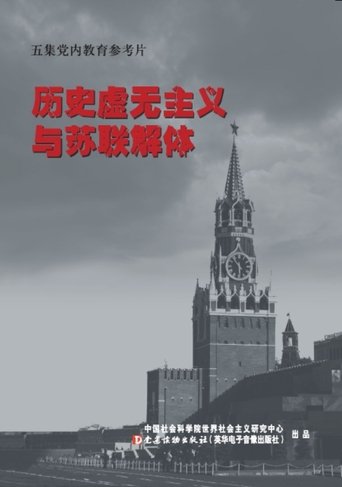
NRDocumentary commissioned by the Communist Party of China which argues that Nikita Khrushchev "lit the fire of nihilism" by criticizing predecessor Joseph Stalin in his 'On the Cult of Personality and Its Consequences' speech, weakening the image of cohesive socialism in the U.S.S.R.
Historical Nihilism and the Fall of the USSR
2022
2010s · 15 titles
 6.7
6.7A guide to human history through its most audacious power grabs. From Julius Caesar to Napoleon; from Mussolini to the strongmen of the present day - we see how the world we know has been shaped by those who dream big.
How to Stage a Coup
2017
 7.6
7.6The real reasons and orchestrators behind Hitler, to an incredible theory of the JFK assassination, all the way to 9/11 and the current age of the terrorist. Taken from an historical perspective starting around World War 1 leading to present day.
JFK to 9/11: Everything is a Rich Man's Trick
2014
 5.8
5.8St. Petersburg, Russia, December 30th, 1916. Grigori Rasputin is assassinated. The story of the humble peasant who became the most influential adviser to czarina Alexandra Feodorovna, wife of the last czar, Nicholas II Romanov.
Rasputin: Murder in the Tsar's Court
2016
 5.8
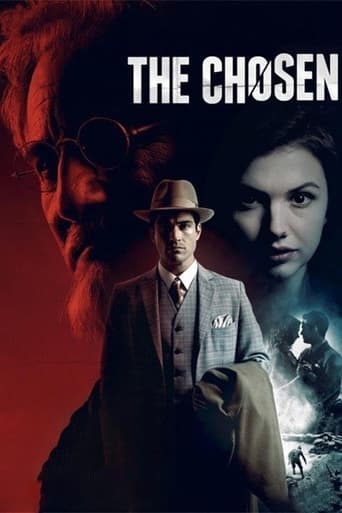
5.8Spain, 1937. Ramón Mercader, a young communist combatant, is recruited and trained by the Soviet intelligence service to participate in a top secret mission ordered by the ruthless dictator Joseph Stalin: the assassination of his former political rival, Leon Trotsky, who is living in exile in Mexico.
The Chosen
2016
No synopsis available yet.
Геннадий Хазанов. Лицо под маской
2018
 10.0
10.0A historical perspective to understand Neoliberalism and to understand why this ideology today so profoundly influences the choices of our governments and our lives.
Laissez-faire
2015
 3.0
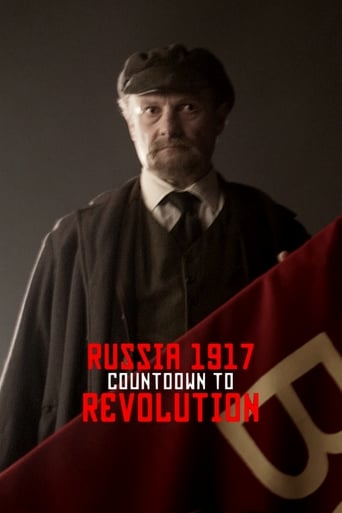
3.0Russia, 1917. After the abdication of Czar Nicholas II Romanov, the struggle for power confronts allies, enemies, factions and ideas; a ruthless battle between democracy and authoritarianism that will end with the takeover of the government by Vladimir Lenin and the Bolsheviks.
Russia 1917: Countdown to Revolution
2017
 6.2
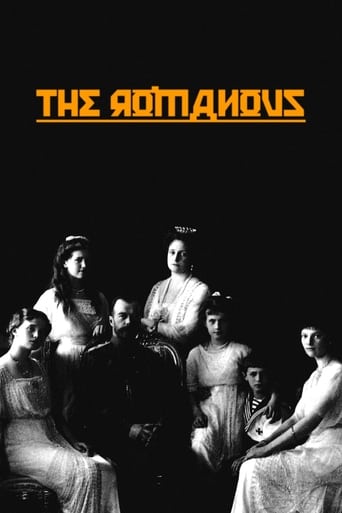
6.2Yekaterinburg, Russia, July 17th, 1917. Czar Nicholas II Romanov and his entire family are brutally murdered by the Bolsheviks. This tragic event puts an end to the long dynasty that had ruled the country with an iron hand since the coronation of Michael I Romanov in 1613.
The Romanovs: Glory and Fall of the Czars
2013
 8.0
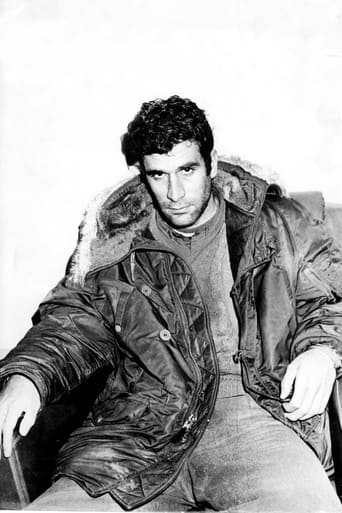
8.0February 28 is Deniz Gezmiş's birthday… He would have been 75 years old today; but it only lived for 25 years, and in those 25 years, it had an impact that spanned 75 years. When you have a 25-year-old son, one feels better, what was done to him...
My boy, look at the stars
2012
 6.1
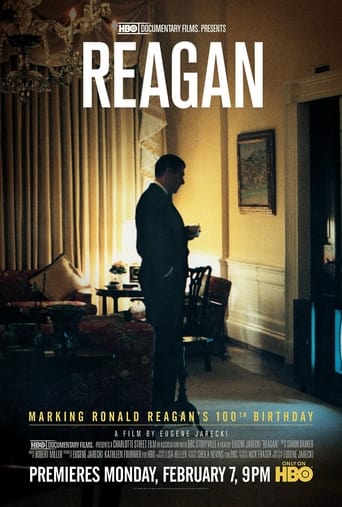
6.1Based on the story of Americas enigmatic career of one of the revered architects of the modern world - icon, screen star, and two-term president, Ronald Reagan.
Reagan
2011
 7.0
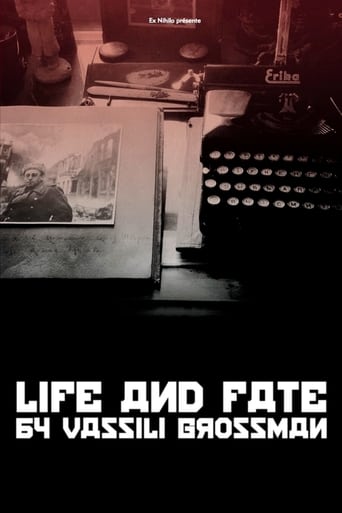
7.0The convoluted and moving story of Russian writer Vassili Grossman (1905-64) and his novel Life and Fate (1980), a literary masterpiece, a monumental and epic account of life under Stalin's regime of terror, a defiant cry that the KGB tried to suffocate.
Life and Fate by Vassili Grossman
2018
 7.5
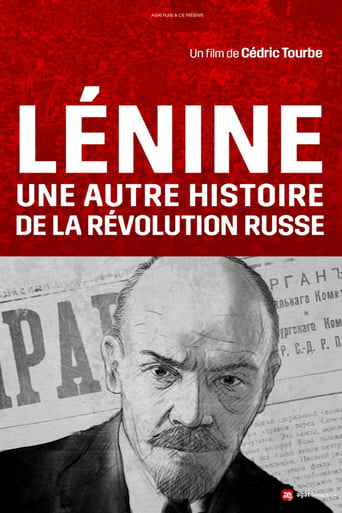
7.5Vladimir Ilyich Ulyanov, better known as Lenin, is remembered as the instigator of the October Revolution of 1917 and, therefore, as one of the men who changed the shape of the world at that time and forever, but perhaps the actual events happened in a way different from that narrated in the history books…
Lenin and the Other Story of the Russian Revolution
2017
 7.0
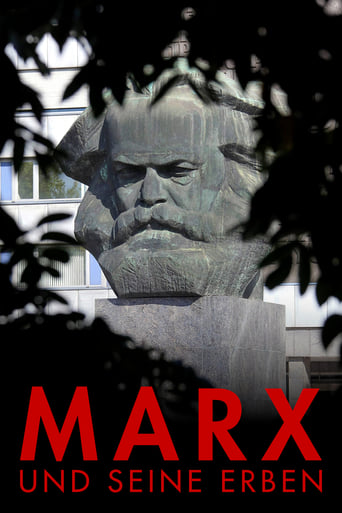
7.0Over the past hundred years, dramatic social upheavals have taken place in the name of Karl Marx's theories. In Western Europe, the student movement of 1968 and the Eurocommunists were inspired. And in recent times, the thinker has experienced a renaissance.
Karl Marx und seine Erben
2018
 6.3
6.3Starting in 1881 this film shows the personal battle between Lenin's Ulyanov family and the royal Romanovs that eventually led to the Russian revolution.
The Russian Revolution
2017
 NR
NRNo synopsis available yet.
Lenin: Sosyalizmin Kızıl Şafağı
2012
2000s · 7 titles
 7.6
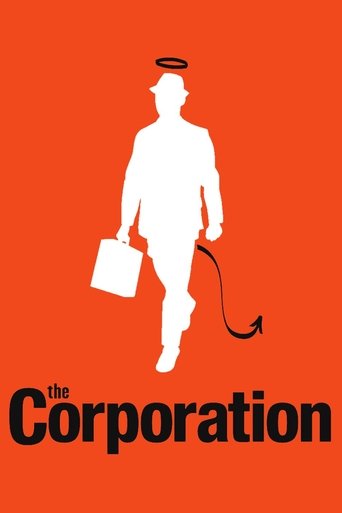
7.6Since the late 18th century American legal decision that the business corporation organizational model is legally a person, it has become a dominant economic, political and social force around the globe. This film takes an in-depth psychological examination of the organization model through various case studies. What the study illustrates is that in the its behaviour, this type of "person" typically acts like a dangerously destructive psychopath without conscience. Furthermore, we see the profound threat this psychopath has for our world and our future, but also how the people with courage, intelligence and determination can do to stop it.
The Corporation
2003
 6.2
6.2A visual montage portrait of our contemporary world dominated by globalized technology and violence.
Naqoyqatsi
2002
 7.3
7.3“The Soviet Story” is a story of an Allied power, which helped the Nazis to fight Jews and which slaughtered its own people on an industrial scale. Assisted by the West, this power triumphed on May 9th, 1945. Its crimes were made taboo, and the complete story of Europe’s most murderous regime has never been told. Until now...
The Soviet Story
2008
To create the utopian world he envisioned, Lenin did what he thought he had to. His violent seizure of power -- and the harsh measures he took to hold onto it -- inspired generations of revolutionaries, and dictators. Brilliant and driven, Lenin wanted to change history. He did, but not in the way he expected. Made by JAK Documentary for The Adventures of Young Indiana Jones on DVD, 2007.
V.I.Lenin: History Will Not Forgive Us
2007
 8.1
8.1Documentary exploring the parallels between 'The Return of the King' and real events and people in history.
Beyond the Movie: The Return of the King
2003
 7.2
7.2A double portrait of two dictators who were thousands of miles apart but were constantly fixated on each other.
Hitler & Stalin: Portrait of Hostility
2009
 NR
NREmmy Awards nominee for "Outstanding Individual Achievement in a Craft: Research: Multi-faceted portrait of the man who succeeded Lenin as the head of the Soviet Union. With a captivating blend of period documents, newly-released information, newsreel and archival footage and interviews with experts, the program examines his rise to power, deconstructs the cult of personality that helped him maintain an iron grip over his vast empire, and analyzes the policies he introduced, including the deadly expansion of the notorious gulags where he banished so many of his countrymen to certain death.
Stalin: Man of Steel
2003
1990s · 6 titles
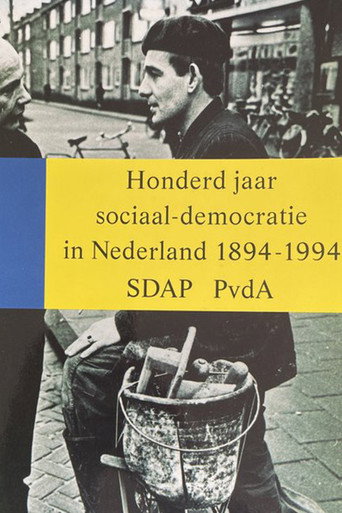 NR
NRDocumentary by Remy Vlek about one hundred years of social democracy in the Netherlands, which began with the founding of the SDAP on August 26, 1894, followed by a studio discussion moderated by Paul Witteman on the future of social democracy.
100 years of social democracy 1894-1994
1994
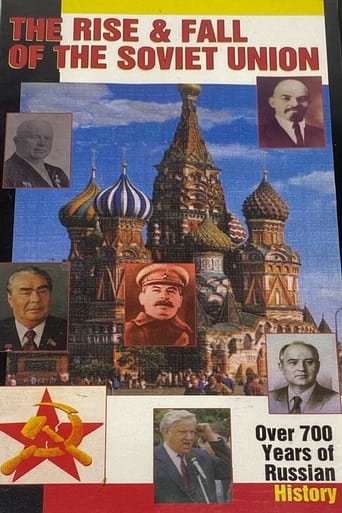 NR
NRHistoric Russian battles to repel invaders serve as prelude to the story of events that redrew the map of Eastern Europe and parts of Asia in the 20th century. Following the turmoil of the Bolshevik Revolution, Communist Russia faces the venom of Nazi aggression. 1940's film footage reveals the harsh reality of total war, as the Red Army and Soviet civilians alike confront a brutal and tenacious enemy. The following decades are darkened by tensions between the USSR and foreign powers, and violent measures taken to silence voices of dissent. Finally, the Soviet people's yearning for a freer society leads to accelerating reforms and the ultimate dissolution of the USSR.
Soviet Union: The Rise and Fall - Part 1
1996
 10.0
10.0A crazy documentary about the dawn of occult movements related to the expectation of the end of the world, after the collapse of the USSR!
Latest News About Doomsday
1991
 6.0
6.0After escaping Russia's communist revolution, Léon Theremin travels to New York, where he pioneers the field of electronic music with his synthesizer. But at the height of his popularity, Soviet agents kidnap and force him to develop spy technology.
Theremin: An Electronic Odyssey
1995
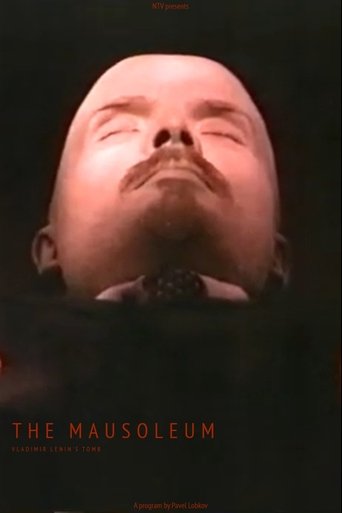 NR
NRA look at Lenin's Mausoleum as a symbol of Russia's enduring and divided legacy.
The Mausoleum
1999
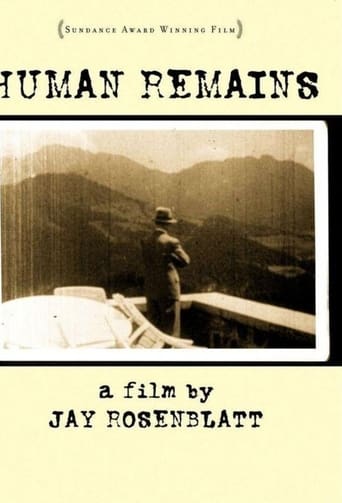 7.3
7.3Human Remains is a haunting documentary which illustrates the banality of evil by creating intimate portraits of five of the 20th century's most reviled dictators. The film unveils the personal lives of Adolf Hitler, Benito Mussolini, Joseph Stalin, Francisco Franco and Mao Tse Tung. We learn the private and mundane details of their everyday lives -- their favorite foods, films, habits and sexual preferences. There is no mention of their public lives or of their place in history. The intentional omission of the horrors for which these men were responsible hovers over the film.
Human Remains
1998

1970s · 7 titles
 8.0
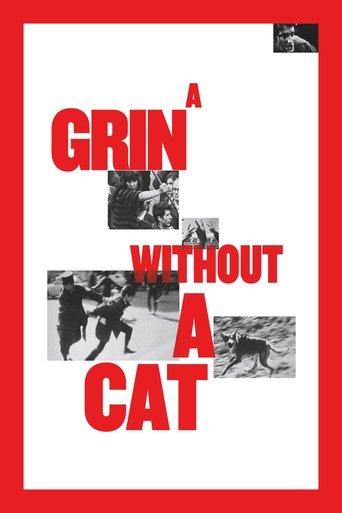
8.0Chris Marker’s A Grin Without a Cat is an epic political essay tracing the rise and decline of the global left from the 1960s to the 1970s. Through archival footage and commentary, the film examines revolutionary movements in France, Latin America, and beyond, reflecting on the ideals, failures, and fading hopes of a generation.
A Grin Without a Cat
1977
 NR
NRIn 1978, just after Le fond de l'Air Est Rouge, which mercilessly analyzed the previous ten years of the revolutionary left's momentum until its collapse, Chris Marker made this complementary piece entitled Quand le Siècle a Pris Forme (Guerre et Révolution).
When the Century Took Shape (War and Revolution)
1978
 6.7
6.7Guy Debord's analysis of a consumer society.
The Society of the Spectacle
1974
Four documentary scenes with subtitles document the year 1917 as the beginning of a new era. In addition to the military situation and the supply situation in Germany, the intervention of the USA and the events in Russia are shown in particular.
1917 - Jahr der Entscheidung
1973
 4.0
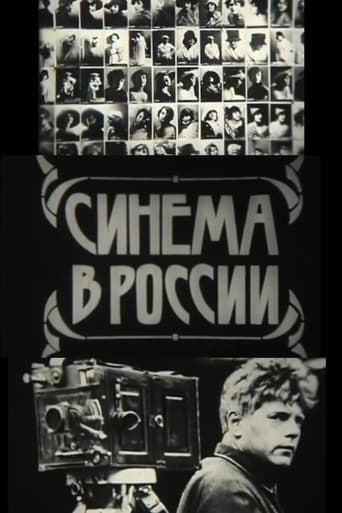
4.0Documentary film about early years of Russian cinema: its first directors, cameramen, producers and actors. Includes rare fragments of pre-revolutionary feature films, newsreels and Starewicz's animation.
Cinema in Russia
1979
 NR
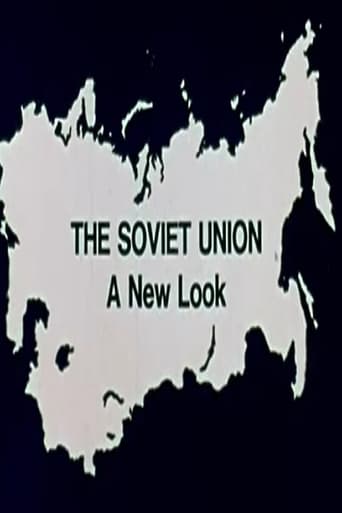
NRThis film discusses conditions in the Soviet Union, including party activity and influence, the shortage of consumer goods, the roles of children and women, the status of religion, and the purpose of Soviet realist art.
The Soviet Union: A New Look
1978
 7.9
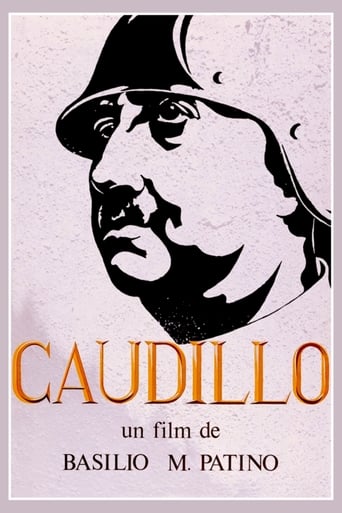
7.9Caudillo is a documentary film by Spanish film director Basilio Martín Patino. It follows the military and political career of Francisco Franco and the most important moments of the Spanish Civil War. It uses footage from both sides of the war, music from the period and voice-over testimonies of various people.
Caudillo
1977
1960s · 6 titles
 7.0
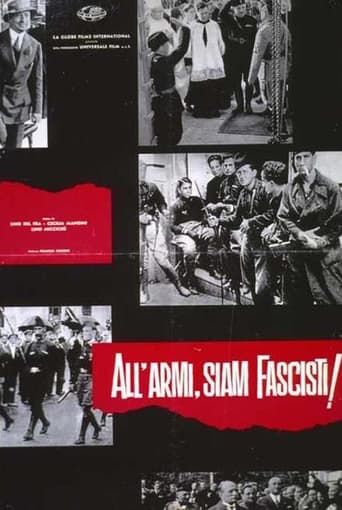
7.0Documentary compiled from archives and accompanied by a poet's commentary, shows the sweep of modern Italian history from 1911 to 1961, centering on the conditions leading to Fascism and the post-WWII reaction to the Fascist experience.
To Arms, We Are Fascists!
1962
 6.1
6.1Philosophical essay about the October Revolution of 1917 in Russia, its influence on the destiny of the world in the 20th century.
Beginning
1967
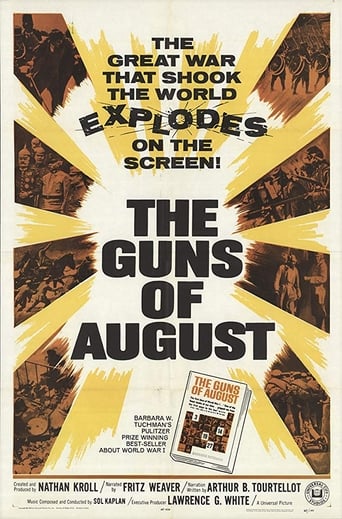 8.0
8.0Traces the origins and actions of World War I, from the funeral of Britain's King Edward VII to the Versailles Treaty.
The Guns of August
1964
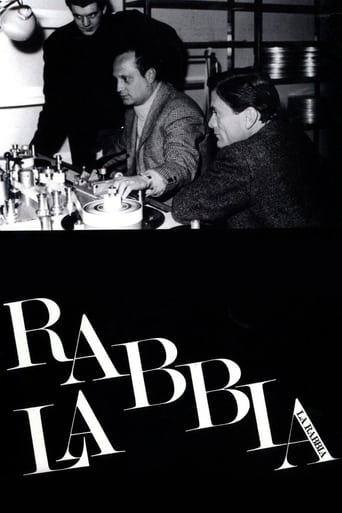 7.0
7.0Documentary footage (from the 1950s) and accompanying commentary to attempt to answer the existential question, Why are our lives characterized by discontent, anguish, and fear? The film is in two completely separate parts, and the directors of these respective sections, left-wing Pier Paolo Pasolini and conservative Giovanni Guareschi, offer the viewer contrasting analyses of and prescriptions for modern society. Part I, by Pasolini, is a denunciation of the offenses of Western culture, particularly those against colonized Africa. It is at the same time a chronicle of the liberation and independence of the former African colonies, portraying these peoples as the new protagonists of the world stage, holding up Marxism as their "salvation", and suggesting that their "innocent ferocity" will be the new religion of the era. Guareschi's part, by contrast, constitutes a defense of Western civilization and a word of hope, couched in traditional Christian terms, for man's future.
La Rabbia
1963
 NR
NR“The Magic Beam” is a film essay woven together from newsreels and documentary material from different decades, fragments of hundreds of non-fiction and fiction Soviet films of the 1910s-1960s.
The Magic Beam
1963
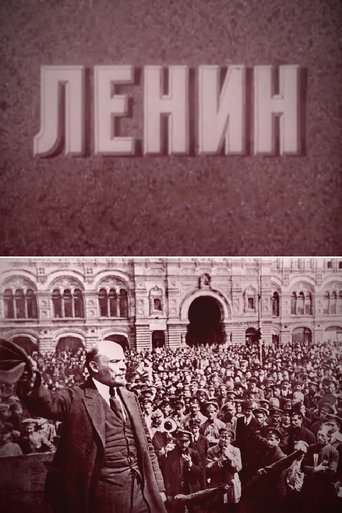 NR
NRA brief overview of Vladimir Lenin's life and the revolutionary ideas that he relied upon to build the Soviet Union.
Lenin
1967
1940s · 3 titles
1930s · 4 titles
 9.0
9.0A documentary about the threat of war breaking out in Europe, focusing on Hitler, Stalin and Mussolini.
The Fight For Peace
1939
“A retrospect of European events during the past forty years, composed from early documentary material, and including one of the earliest extant specimens of news-reel film dating from 1897.” - The [London] Film Society, 1936.
Gentlemen in Storm and Gentlemen in Crown
1934
 6.1
6.1Three episodes comprise three songs sung by anonymous Soviet peoples about Vladimir Ilyich Lenin.
Three Songs About Lenin
1934
 6.5
6.5A documentary film account of the Russian Revolution, based on archival footage.
Tsar to Lenin
1937
1920s · 2 titles
 5.5
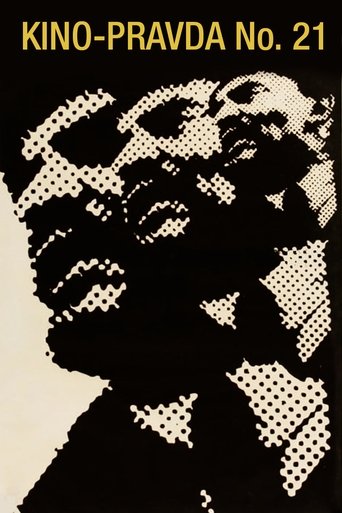
5.5Dziga Vertov-directed Soviet newsreel made to commemorate the first anniversary of the death of Vladimir Ilich Lenin (21st January 1924 - 1925) drawn from 'The Final Journey', a Pravda feuilleton written on the occasion of Lenin's funeral by the man who had introduced Vertov to cinema, Mikhail Koltsov. Contains: First anniversary of Lenin's death: 1. Assassination attempt on Lenin and Soviet Russia's progress under his leadership / 2. Lenin's illness, death and funeral / 3. The year after Lenin's death
Kino-Pravda No. 21: Lenin Kino-Pravda. A Film Poem About Lenin
1925
 6.3
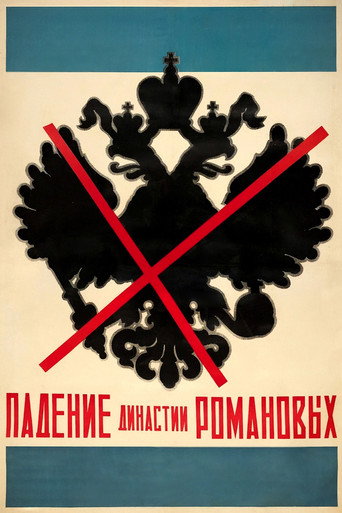
6.3A compilation of newsreels shot between 1913 and 1917 - the years leading up to the Russian Revolution.
The Fall of the Romanov Dynasty
1927
1910s · 2 titles
 6.8
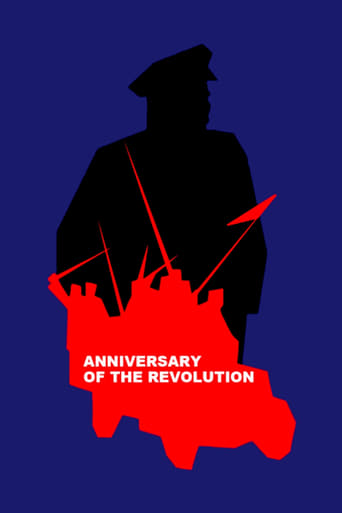
6.8A chronicle of the Russian Revolution of 1917, from the bourgeois democratic February Revolution to the great socialist October Revolution and the final triumph.
Anniversary of the Revolution
1918
 5.9
5.9This film shows the leaders of organizations that emerged after the Russian Revolution. It is the fragment of ‘Anniversary of the Revolution’ made by Vertov in 1918.
The Brain of Soviet Russia
1919
Series credits
6.5TV's most-watched history series brings to life the compelling stories from our past that inform our understanding of the world today.
American Experience
1988
6.7Explore the world’s most fascinating, strange and inexplicable mysteries. Each episode features compelling contributions from scientists, historians, witnesses and experiencers—each seeking to shed light on how the seemingly impossible actually can happen.
The UnXplained
2019
8.0With firsthand accounts and access to prominent figures around the world, this comprehensive docuseries explores the Cold War and its aftermath.
Turning Point: The Bomb and the Cold War
2024
7.3The First World War - carnage on a scale never-before seen. But how did it all start? And how did some key figures of WWII fare in the earlier war?
Doomsday: World War I
2012
6.9A detailed account of the two millennia of intolerance and persecution suffered by the Jews, from antiquity to the present day.
A History of Antisemitism
2022
7.4The rise of Stalin, from his early beginning as a bankrobber to the cold-blooded leader of the Soviet Union.
Apocalypse: Stalin
2015
 6.5
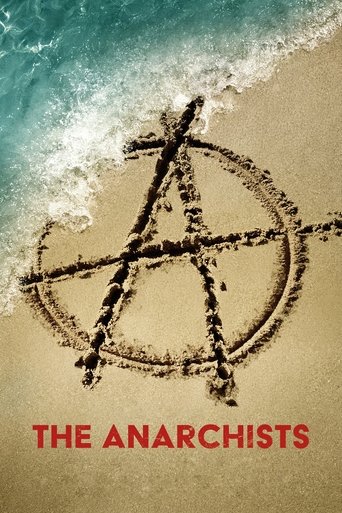
6.5Unfolding over six years, what begins as an impulsive one-off gathering turns into an ever-growing annual event attracting sponsorship from crypto-currency companies and featuring capitalist statist speakers such as Ron Paul and BitCoin investor Roger Ver. And when rule-avoidant "freedom" activists come together in one of the most dangerous cities in the world, incoherent ideology and cognitive dissonance rears its ugly head.
The Anarchists
2022
They are the tragic stories at the heart of some of history's most defining moments - tales of hatred and obsession, fanaticism and a burning desire for attention. In Assassinations That Changed the World, HISTORY examines the famous assassinations and assassination attempts that have left their mark on humanity.
Assassinations That Changed the World
1996
 8.5
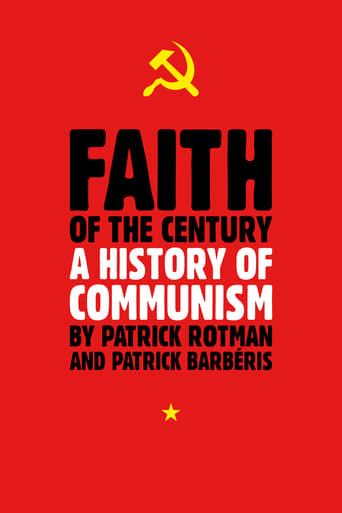
8.5Communism spread to all of the continents of the word, lasting through four generations and over seven decades. Hundreds of millions of men and women were affected by this political system, one of the most unjust and bloodiest in history. Using newly discovered propaganda films and archival photos, these four episodes explore the mysteries of this totalitarian political machine that lured its share of important followers into the fold. Known as the red church, communism seduced its ardent followers like some earthly religion.
Faith of the Century: A History of Communism
1999
 7.0
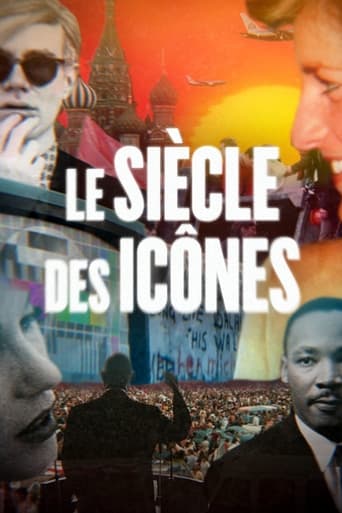
7.0No synopsis available yet.
The Century of Icons
2022
 5.5
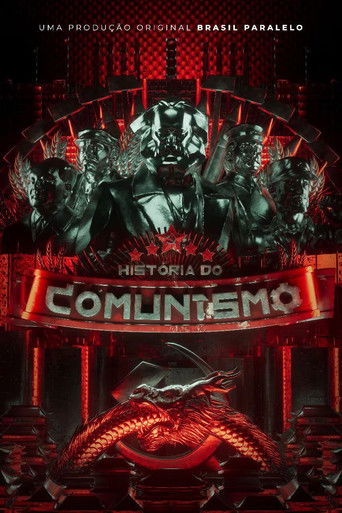
5.5No synopsis available yet.
História do Comunismo
2024
 NR
NRNo synopsis available yet.
Загадки века с Сергеем Медведевым
2016
 4.0
4.0No synopsis available yet.
Europa: The Last Battle
2017
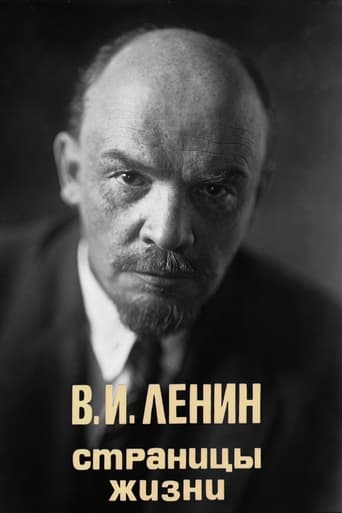 8.0
8.0No synopsis available yet.
V.I.Lenin. Pages of Life
1983
No synopsis available yet.
Ленин
2014