
Writing
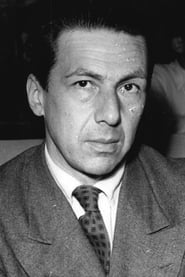
Vladimir Pozner
Born — Died
1905-01-18 — 1992-02-19
Place of birth
Paris, France
Known for
Writing
Credits
15 titles
Vladimir Solomonovich Pozner (Russian: Владимир Соломонович По́знер, January 5, 1905 in Paris – February 19, 1992 in ibidem) was a French writer and translator of Russian-Jewish descent. His family fled the pogroms to take up residence in France. Pozner expanded on his inherited cultural socialism to associate both in writing and politics with anti-fascist and communist groups in the inter-war period. His writing was important because he made friends with internationally renowned exponents of hardline communism, while rejecting Soviet oppression. (Wiki)
Known for
 7.1
7.1PBS' premier science series helps viewers of all ages explore the science behind the headlines. Along the way, NOVA demystifies science and technology, and highlights the people involved in scientific pursuits.
NOVA
1974
 5.0
5.0No synopsis available yet.
Ciné regards
1978
 NR
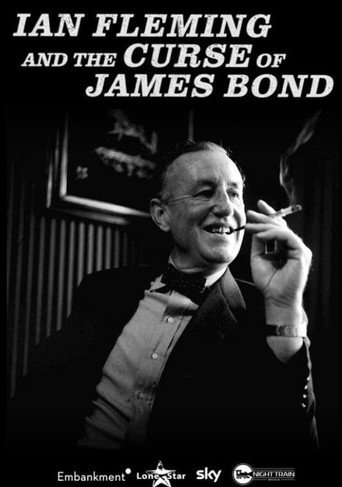
NRA film exploring Ian Fleming's espionage career, relentless habits, and tropical retreat in Jamaica, which shaped the fictional secret service agent, while detailing his tragic struggle to escape a character that overshadowed his legacy.
Ian Fleming and the Curse of James Bond
2026
 6.1
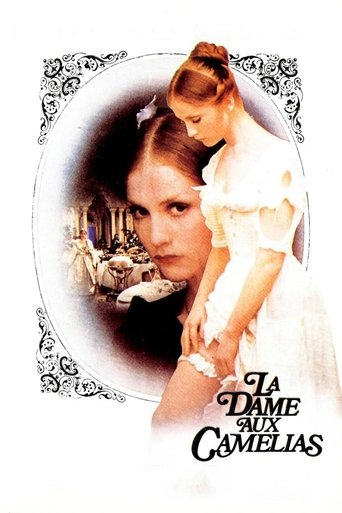
6.1A young girl from the provinces, comes to Paris with one goal: to become a part of the rich bourgeoisie. To achieve this she will use her unique beauty and charm.
Lady of the Camelias
1981
 4.6
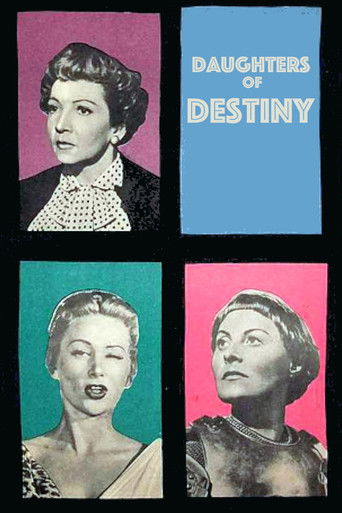
4.6Three stories, very different in space and time. Lysistrata, a dancer from ancient times, Jeanne d'Arc, medieval warrior and Elisabeth, American war widow who comes on pilgrimage in Italy.
Daughters of Destiny
1954
 7.3
7.3A documentary highlighting the Soviet Union's legendary and enigmatic hockey training culture and world-dominating team through the eyes of the team's Captain Slava Fetisov, following his shift from hockey star and celebrated national hero to political enemy.
Red Army
2015
Film credits
Series credits
Behind the camera
6.1A young girl from the provinces, comes to Paris with one goal: to become a part of the rich bourgeoisie. To achieve this she will use her unique beauty and charm.
Lady of the Camelias
1981
4.6Three stories, very different in space and time. Lysistrata, a dancer from ancient times, Jeanne d'Arc, medieval warrior and Elisabeth, American war widow who comes on pilgrimage in Italy.
Daughters of Destiny
1954
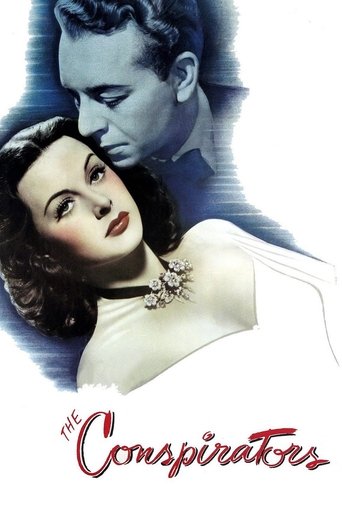 6.3
6.3A guerilla leader falls in love with a mysterious woman in World War II Lisbon.
The Conspirators
1944
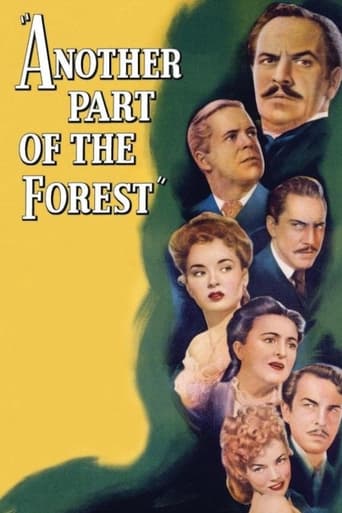 7.8
7.8This 'prequel' to The Little Foxes tells how the ruthless members of the old-South Hubbard family got that way.
Another Part of the Forest
1948
 7.0
7.0In a settlement in the northern mining country. The Marles, Bréhard and Gohelle families wake up and prepare for a new day at work. The young engineer Larzac, newly appointed to the mine, will soon oppose the authoritarian and conservative methods of his superior Dubard. Georges Gohelle would like to marry Marie Bréhard, but housing difficulties thwart their plans. Brezza, a Polish immigrant, who must return to his country, would like to hate his marriage to Louise Gohelle. Roger, Marie's little brother, has just turned 14. He does not want to go down to the mine as his elders have always done. He will however have to resign himself to it. Marles evokes for him the social struggles of 1906. Roger is injured during a landslide. In front of his family and his friend Marles, who had come to the hospital, he announced his decision to continue his profession. Larzac, invited to the Marles, reveals that he refused a quiet position at the Charbonnages de Paris. He too stays.
The Mark of the Day
1949
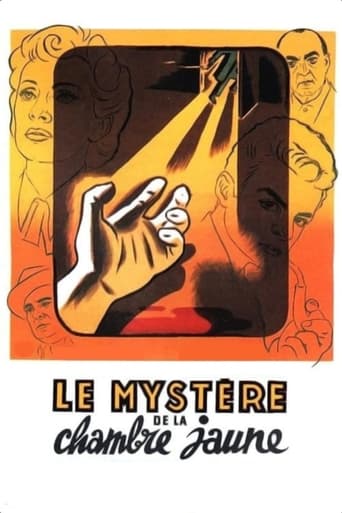 7.0
7.0A young reporter solves a mystery crime. The fictional reporter is Joseph Rouletabille. He works on a complex, and seemingly impossible, crime in which the criminal appears to disappear from a locked room.
The Mystery of the Yellow Room
1949
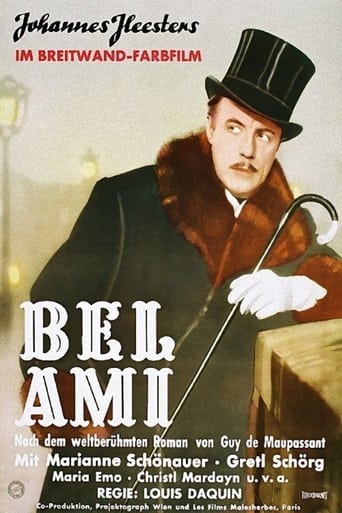 7.5
7.5In the 1880s, Georges Duroy, back from the Colonies, arrives in Paris with the firm intention of conquering the capital through his power of seduction, his selfishness and cynicism. Entering into journalism through the back door he will soon rise to the top with the support of several women: Madeleine Forestier, the wife of his journalist friend Charles; Clothilde de Marelle, his first mistress; Virginie Walter, the wife of a newspaper owner; Suzanne Walter, her daughter who eventually marries Duroy.
Bel Ami
1955
 6.3
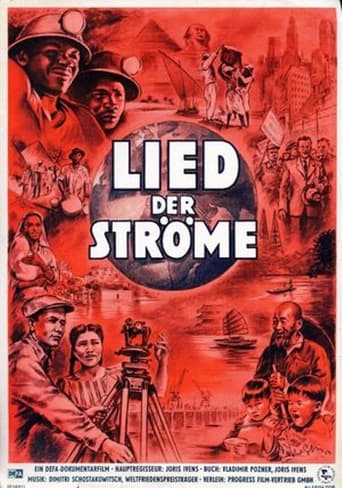
6.3An allegorical documentary about the workers of the world, whose common destinies and hopes for peace are symbolically united by the rivers that run through their respective lands. The film was shot on the Volga, the Mississippi, the Nile, the Yangtze, the Amazon and the Ganges and combines these images of five continents with the music of Dmitri Shostakovich and the poetry of both Bertolt Brecht and Paul Robeson.
Song of the Rivers
1954
 6.0
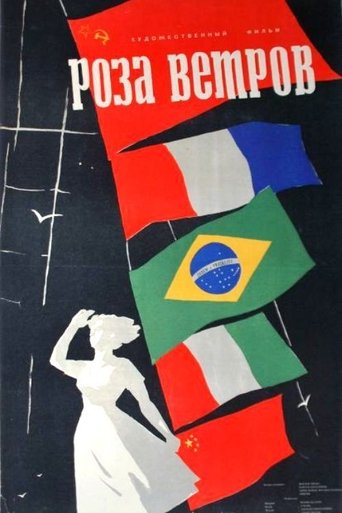
6.0An international anthology about the struggles of female workers around the world.
The Wind Rose
1957
 10.0
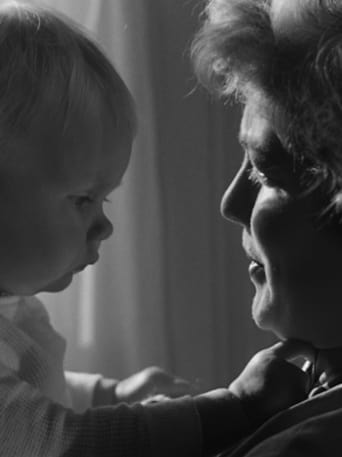
10.0The film is an appeal by the International Democratic Women's Federation against a new war, calling on all mothers of the world to protect their children.
My Child
1956
10.0The film is an appeal by the International Democratic Women's Federation against a new war, calling on all mothers of the world to protect their children.
My Child
1956