
Directing
George C. Stoney
Born — Died
1916-07-01 — 2012-07-12
Place of birth
Winston-Salem, North Carolina, U.S.
Known for
Directing
Credits
33 titles
George Cashel Stoney (July 1, 1916 – July 12, 2012) was a pioneering American documentary filmmaker, educator, and a foundational figure in the development of public-access television, often regarded as its "father." Stoney's documentary films, including Palmour Street, A Study of Family Life (1949), All My Babies (1953), How the Myth Was Made (1979), and The Uprising of '34 (1995), explored social issues with a focus on the human condition and the working class. All My Babies, a powerful documentary about childbirth and midwifery in the rural South, was selected for preservation in the National Film Registry in 2002 for its cultural, historical, and aesthetic significance. As a teacher and …
Known for
Educational film about encouraging healthy habits and in and proper treatment of the elderly.
Proud Years
—
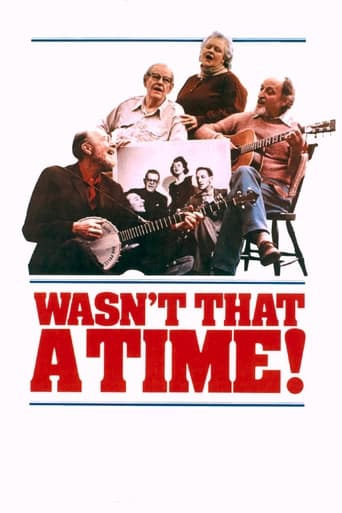 7.8
7.8Documentary about the blacklisted folk group The Weavers, and the events leading up to their triumphant return to Carnegie Hall.
The Weavers: Wasn't That a Time
1982
 7.0
7.0PSA about the history of Syphilis and the medical treatments used to combat it that's meant to raise the public awareness of the dangers of this insidious modern plague and the necessity of blood screenings and treatments.
The Invader
1955
 NR
NRA young boy has developed an ability to see through walls, much to the consternation of his stuffy Victorian parents.
The Boy Who Saw Through
1956
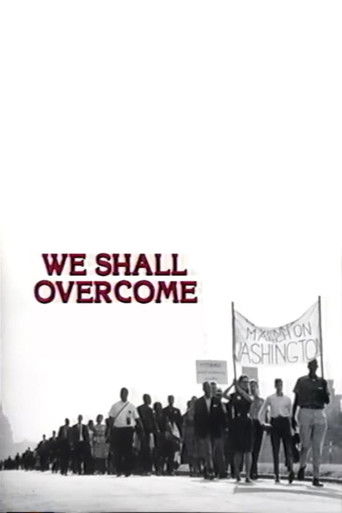 7.0
7.0A documentary on the iconic song "We Shall Overcome" and its important legacy in the American Civil Rights movement, echoing all over the world as a recognizable song of struggle against social injustices. Singers and activists talk about its origins, used during a workers strike in the mid 1940's, and how the lyrics and its significance slightly changed in the next decades.
We Shall Overcome
1989
 NR
NREx-fisherman Billy Crane in Brampton, Ontario, at an industrial job with regular hours. Here he tells why he left Fogo Island and says he has no regrets. (See also Billy Crane Moves Away.)
When I Go - That's It!
1972
Film credits
1970s · 2 titles
 NR
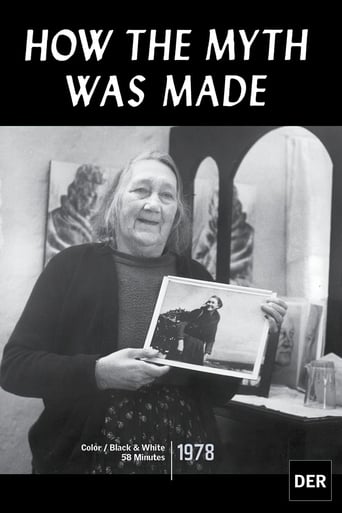
NRAmerican documentary film-maker George C. Stoney visits the Aran Islands to try and unravel some of the myths surrounding a film that had engrossed him as a youngster - Robert Flaherty's famous documentary "Man of Aran" released in 1934.
How the Myth Was Made: A Study of Robert Flaherty's Man of Aran
1978
This video documents the first cablecast of Austin Community Television (ACTV) in which George Stoney and a group of University of Texas students assembled playback equipment on a hilltop at the cable system's head-end.
First Transmission of ACTV
1972
Behind the camera
Educational film about encouraging healthy habits and in and proper treatment of the elderly.
Proud Years
—
Educational film about encouraging healthy habits and in and proper treatment of the elderly.
Proud Years
—
7.8Documentary about the blacklisted folk group The Weavers, and the events leading up to their triumphant return to Carnegie Hall.
The Weavers: Wasn't That a Time
1982
7.0PSA about the history of Syphilis and the medical treatments used to combat it that's meant to raise the public awareness of the dangers of this insidious modern plague and the necessity of blood screenings and treatments.
The Invader
1955
NRA young boy has developed an ability to see through walls, much to the consternation of his stuffy Victorian parents.
The Boy Who Saw Through
1956
7.0A documentary on the iconic song "We Shall Overcome" and its important legacy in the American Civil Rights movement, echoing all over the world as a recognizable song of struggle against social injustices. Singers and activists talk about its origins, used during a workers strike in the mid 1940's, and how the lyrics and its significance slightly changed in the next decades.
We Shall Overcome
1989
NREx-fisherman Billy Crane in Brampton, Ontario, at an industrial job with regular hours. Here he tells why he left Fogo Island and says he has no regrets. (See also Billy Crane Moves Away.)
When I Go - That's It!
1972
Tenants of public housing in Ottawa challenge the process of managing public housing projects in meetings with federal, provincial and municipal officials.
I Don't Think It's Meant for Us...
1971
NRAmerican documentary film-maker George C. Stoney visits the Aran Islands to try and unravel some of the myths surrounding a film that had engrossed him as a youngster - Robert Flaherty's famous documentary "Man of Aran" released in 1934.
How the Myth Was Made: A Study of Robert Flaherty's Man of Aran
1978
NRAmerican documentary film-maker George C. Stoney visits the Aran Islands to try and unravel some of the myths surrounding a film that had engrossed him as a youngster - Robert Flaherty's famous documentary "Man of Aran" released in 1934.
How the Myth Was Made: A Study of Robert Flaherty's Man of Aran
1978
The Shepherd of the Night Flock is a documentary about a jazz ministry at St. Peter's Lutheran Church in Manhattan which was led by Father John Garcia Gensel.
The Shepherd of the Night Flock
1975
 10.0
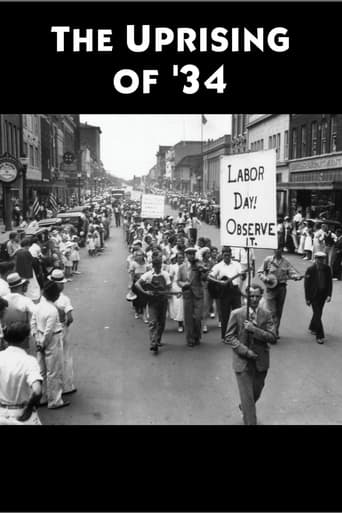
10.0Textile workers recall with pride the long- suppressed story of the General Textile Strike of 1934 when 500,000 Southern mill laborers walked off their jobs.
The Uprising of '34
1995
 5.7
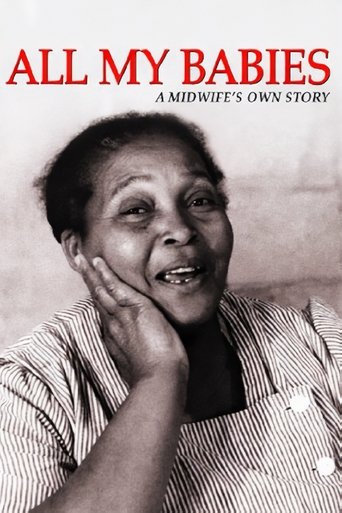
5.7George Stoney investigates the living conditions, both good and bad, in the rural, segregated South.
All My Babies... A Midwife's Own Story
1953
5.7George Stoney investigates the living conditions, both good and bad, in the rural, segregated South.
All My Babies... A Midwife's Own Story
1953
5.7George Stoney investigates the living conditions, both good and bad, in the rural, segregated South.
All My Babies... A Midwife's Own Story
1953
 8.0
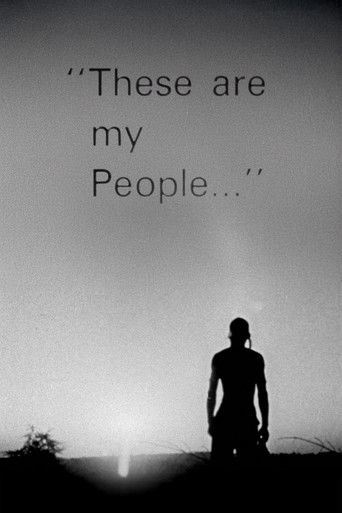
8.0This documentary short is the first film made by an all-Aboriginal film crew, training under the NFB's Challenge for Change Program. It was shot at Akwesasne (St. Regis Reserve). Two spokesmen explain historical and other aspects of Longhouse religion, culture, and government and reflect on the impact of the white man's arrival on the Indian way of life.
These Are My People...
1969
The history of American transportation from the horse and buggys of yesteryear to the progression of the motor car.
The American Road
1953
 9.0
9.0The territory of Akwesasne straddles the Canada-U.S. border. When Canadian authorities prohibited the duty-free cross-border passage of personal purchases - a right established by the Jay Treaty of 1794 - Kanien'kéhaka protesters blocked the international bridge between Ontario and New York State.
You Are on Indian Land
1969
 9.0
9.0This short film was an experiment in using video recordings and closed circuit television to stimulate social action in a poor Montreal neighbourhood. A citizen's committee filmed people's concerns and then played back the tapes for the community. Upon recognizing their common problems, people began to talk about joint solutions. It proved an important and effective method of promoting social change.
VTR St. Jacques
1969
 8.0
8.0People on welfare are rarely heard. What do they go through? How do they feel? How do concerned social and welfare workers feel about the welfare system? What is welfare supposed to do? In this film, welfare recipients and social case workers talk about the problems of being "up against the system." Part of the "Challenge for Change" series.
Up Against the System
1969
A training film showing police officers how to deal with persons who are mentally ill.
Booked for Safekeeping
1960
A training film showing police officers how to deal with persons who are mentally ill.
Booked for Safekeeping
1960
The film was commissioned by the Environmental Defense Fund, an organization founded by Dennis Puleston and others, to raise public awareness of dangers inherent in the way we were responding to the environment a half-century ago.
Planning for Floods
—
 NR
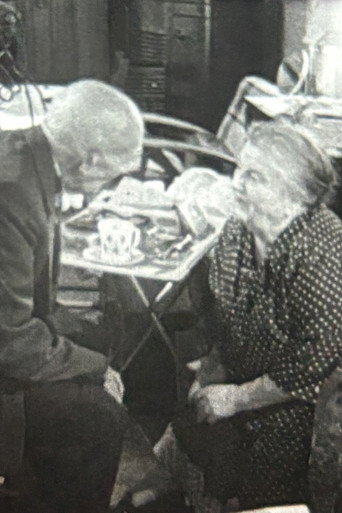
NRTwo charming seniors consider the pros and cons of entering a "home". Do old-age institutions fit the needs of those they are designed to help?
Nell and Fred
1971
 NR
NRNeorealist mental health film produced for parents and health care workers. Palmour Street shows the daily life of an African American family and demonstrates how good parenting prepares children for adulthood and nurtures emotional growth.
Palmour Street (A Study in Family Life)
1949
NRNeorealist mental health film produced for parents and health care workers. Palmour Street shows the daily life of an African American family and demonstrates how good parenting prepares children for adulthood and nurtures emotional growth.
Palmour Street (A Study in Family Life)
1949
This video documents the first cablecast of Austin Community Television (ACTV) in which George Stoney and a group of University of Texas students assembled playback equipment on a hilltop at the cable system's head-end.
First Transmission of ACTV
1972
Eugene Raskin paints a word portrait of New York, as seen by lovers, adventurers, and the star-struck, against a background of jazz. He contrasts old neighborhoods with the bustle of the business world and discusses three fundamental standards used by architects and planners to judge the quality of a neighborhood - human scale, density, and variety.
How to Look at a City
1964
 4.0
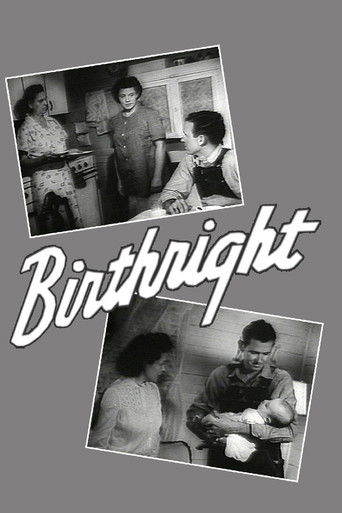
4.0Chicken farmer John Lloyd learns the importance of blood tests when he gives his pregnant wife a dose of the clap after a one-night fling with a lonely waitress.
Birthright
1951
Targeted toward police officers, this film discusses personal and emotional problems related to the job. Made with Cleveland Police Dept.
Under Pressure
—
This film deals with the problems affecting the remote communities of the Labrador coast--particularly the relocation of families in more populated centres that offer better employment opportunities, school and medical facilities. The role played by the Labrador Film/VTR community development project is outlined.
Introduction to Labrador
1970