

Directing
Jerzy Bossak
Born — Died
1910-07-31 — 1989-05-23
Place of birth
Rostov-on-Don, Don Voisko Oblast, Russian Empire [now Rostov Oblast, Russia]
Known for
Directing
Credits
23 titles
Jerzy Bossak was a documentary film director, journalist, pedagogue, and one of the key organizers and authors of post-war cinema in Poland.
Known for
 NR
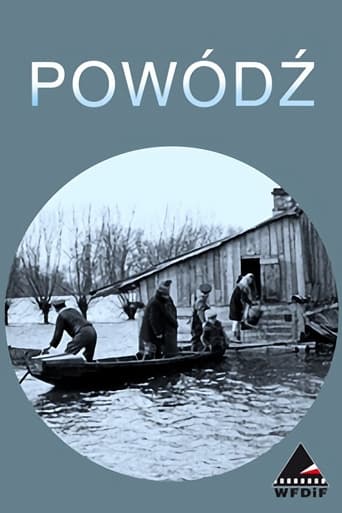
NRShort documentary about the flooding that struck Poland in the spring of 1947.
Storm in Poland
1947
Over a decade after the almost total wartime destruction, Warsaw still looks bruised and battered. Ruined houses are nevertheless inhabited which can be dangerous for the local population.
Warszawa 1956
1956
 NR
NRA poetic piece of reportage focusing on a convention of young shock workers in Warsaw. The climax of the event was the solemn oath of the youth of the Polish People's Republic. It took place on the 22nd of July 1952 – the day of the adoption of the constitution of the Polish People's Republic.
Vows
1952
 7.0
7.0In over eight years of research, "Der Prozess" follows the longest criminal proceedings in Germany′s legal history - the "Majdanek Trial". In interviews with judges, the accused, victims and eye witnesses, and with the use of documentary footage and reports, the film recounts (in three parts) the legal trials against the workers and perpetrators of the Lublin/Majdanek concentration camp from the first day to the pronouncement of the judgment.
The Trial
1984
 NR
NRDocumentary on the 5th World Festival of Youth and Students which was held from 31 July to 15 August 1955 in Warsaw.
Warsaw Meetings
1955
 NR
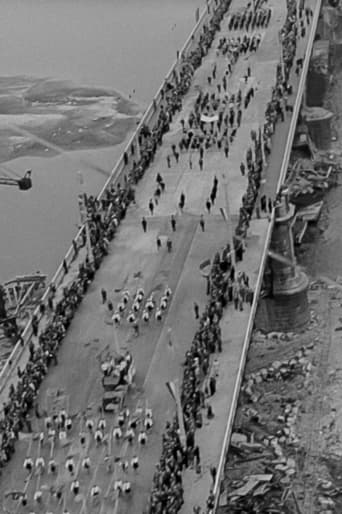
NRThe Germans destroyed all bridges in Warsaw during the war. The reconstruction of the Poniatowski Bridge began in July 1945. Workers from all over Poland were involved in this process. The inauguration ceremony took place on the Day of the Rebirth of Poland (the 22nd of July 1946).
The Bridge
1946
Film credits
1980s · 1 titles
1960s · 3 titles
 NR
NRDocumentary about the current state of German cinema. Produced for German television.
...Geist und ein wenig Glück
1965
 NR
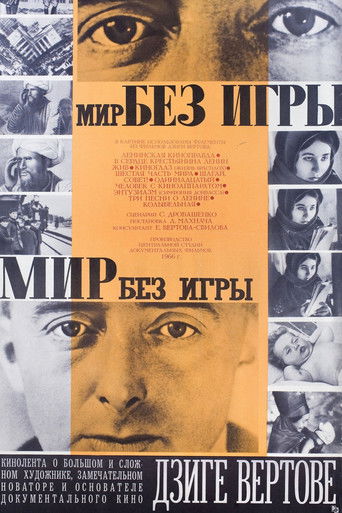
NRDocumentary portrait of Dziga Vertov, father of documentary cinema.
World Without a Game
1966
 5.6
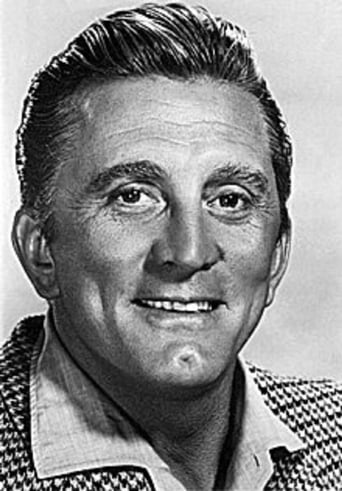
5.6The 1966 visit of Hollywood movie star Kirk Douglas at the legendary Polish State Film School in Lódz.
Kirk Douglas
1966
Series credits
Behind the camera
NRShort documentary about the flooding that struck Poland in the spring of 1947.
Storm in Poland
1947
Over a decade after the almost total wartime destruction, Warsaw still looks bruised and battered. Ruined houses are nevertheless inhabited which can be dangerous for the local population.
Warszawa 1956
1956
NRA poetic piece of reportage focusing on a convention of young shock workers in Warsaw. The climax of the event was the solemn oath of the youth of the Polish People's Republic. It took place on the 22nd of July 1952 – the day of the adoption of the constitution of the Polish People's Republic.
Vows
1952
NRA poetic piece of reportage focusing on a convention of young shock workers in Warsaw. The climax of the event was the solemn oath of the youth of the Polish People's Republic. It took place on the 22nd of July 1952 – the day of the adoption of the constitution of the Polish People's Republic.
Vows
1952
NRDocumentary on the 5th World Festival of Youth and Students which was held from 31 July to 15 August 1955 in Warsaw.
Warsaw Meetings
1955
NRDocumentary on the 5th World Festival of Youth and Students which was held from 31 July to 15 August 1955 in Warsaw.
Warsaw Meetings
1955
NRThe Germans destroyed all bridges in Warsaw during the war. The reconstruction of the Poniatowski Bridge began in July 1945. Workers from all over Poland were involved in this process. The inauguration ceremony took place on the Day of the Rebirth of Poland (the 22nd of July 1946).
The Bridge
1946
NRThe Germans destroyed all bridges in Warsaw during the war. The reconstruction of the Poniatowski Bridge began in July 1945. Workers from all over Poland were involved in this process. The inauguration ceremony took place on the Day of the Rebirth of Poland (the 22nd of July 1946).
The Bridge
1946
 6.0
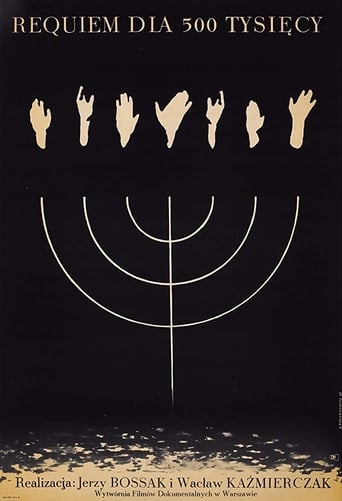
6.0A short documentary made in 1963 by Jerzy Bossak and Wacław Kaźmierczak featuring unique archival footage of the Jewish Ghetto of Warsaw. The Warsaw Ghetto (pol. “Getto Warszawskie” ) was the largest of all Jewish Ghettos in Nazi-occupied Europe during World War II. From there, about 254,000 Ghetto residents were sent to Treblinka extermination camp during the three months of summer 1942.
Requiem for 500,000
1963
 NR
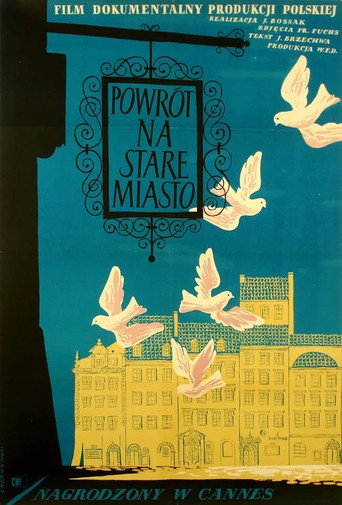
NRThe film shows the reconstruction of Warsaw's Old Town.
Powrót na Stare Miasto
1954
 6.5
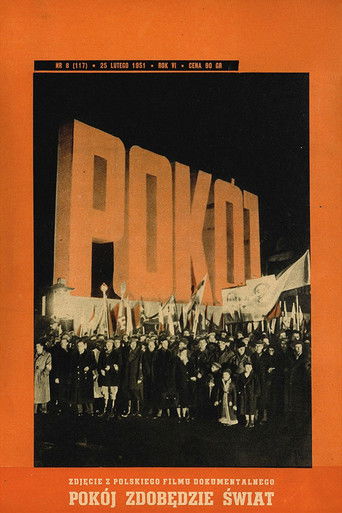
6.5"Peace Will Win" documents the Second World Congress of Peace Defenders, held in Warsaw in November 1950 after the event was relocated from Sheffield. The film records speeches, demonstrations, and international opposition to war during the early Cold War period.
Peace Will Win
1951
6.5"Peace Will Win" documents the Second World Congress of Peace Defenders, held in Warsaw in November 1950 after the event was relocated from Sheffield. The film records speeches, demonstrations, and international opposition to war during the early Cold War period.
Peace Will Win
1951
 6.2
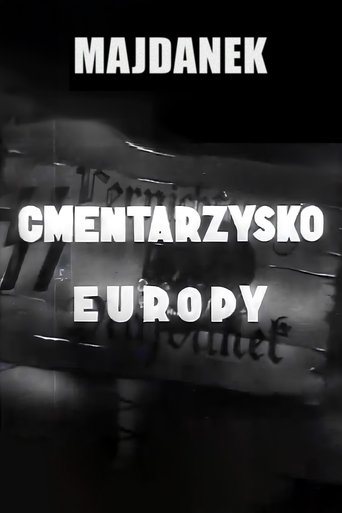
6.2Filmed immediately after the Red Army liberated the Majdanek concentration camp, this documentary is regarded as the first cinematic record of Nazi genocide. Shot on July 24–25, 1944, it presents stark evidence of atrocities alongside testimony from surviving prisoners representing many European nations, making it one of the earliest films to confront the scale of the Holocaust.
Majdanek - Cemetery of Europe
1944
 10.0
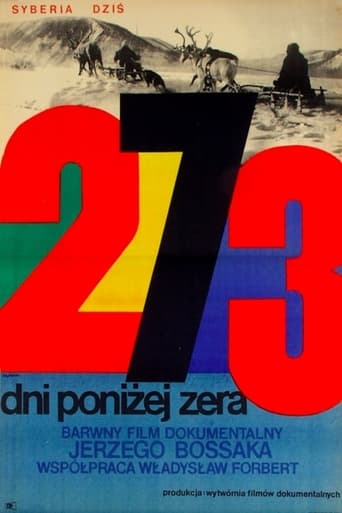
10.0Siberia, contrary to people’s first association, is not a deserted land covered with snow. During the one-year stay, Polish documentary filmmakers collected materials that make up the image of the modern industrial area of the North.
273 Days Below Zero
1968
 NR
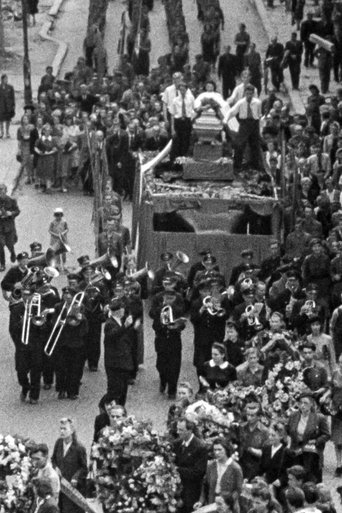
NRStefan Jaracz, expecting his death, wrote a letter to his fellow artists. Quotations from this ideological testament and excerpts from a pre-war film titled “Jego wielka miłość” accompany the shots of the famous actor's funeral in 1945.
Jaracz's Testament
1945
NRStefan Jaracz, expecting his death, wrote a letter to his fellow artists. Quotations from this ideological testament and excerpts from a pre-war film titled “Jego wielka miłość” accompany the shots of the famous actor's funeral in 1945.
Jaracz's Testament
1945
 NR
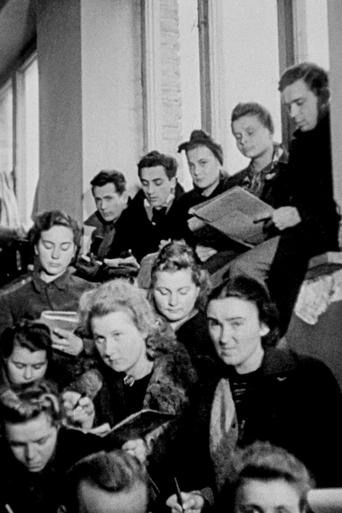
NRThe first episode of the "Nowa Polska" reportage series focused on the reconstruction of the homeland after the Second World War. This episode is entitled "Młodzież na uniwersytetach". On March 19, 1945, the first post-war academic year began at the Jagiellonian University.
New Poland No. 1 - Youth at the Universities
1946