
Known for
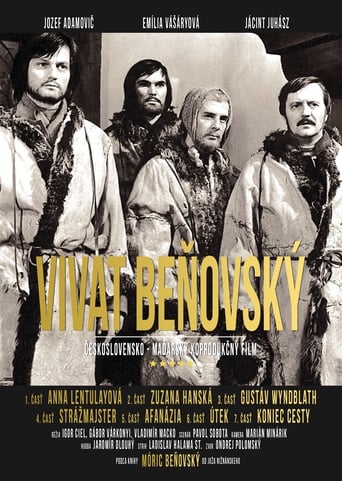 7.0
7.0No synopsis available yet.
Vivat Beňovský!
1975
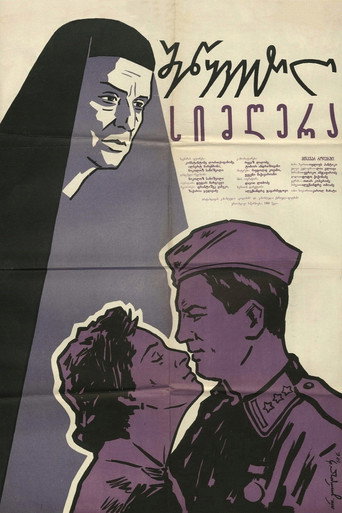 5.1
5.1Young couple separated by World War 2, dream of being reunited years later.
Interrupted Song
1960
The story of the great strike of the workers building the Cervena Skala - Mergecany railway line
The Struggle Will End Tomorrow
1951
No synopsis available yet.
Parížski mohykáni
1972
No synopsis available yet.
Ľudia z kanálovej štvrte
1975
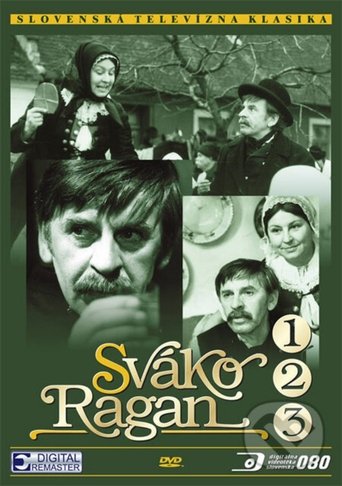 10.0
10.0Resourceful tanner Sváko Ragan travels Myjava’s fairs and markets, using wit and dialect to spin both wins and misadventures into profit.
Sváko Ragan
1976
Film credits
1970s · 25 titles
No synopsis available yet.
Poslední rok
1972
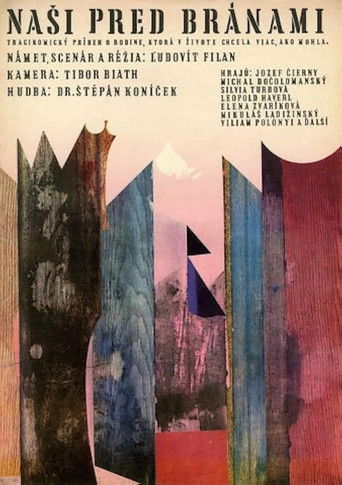 10.0
10.0A tragicomedy about people who are able to make use of the war situation for their own benefit. The Gavora family of four leave their secure village home blinded by the vision of a big career and easy earning of money in the capital city.
Naši pred bránami
1970
No synopsis available yet.
Když chlapi dají slovo
1975
 NR
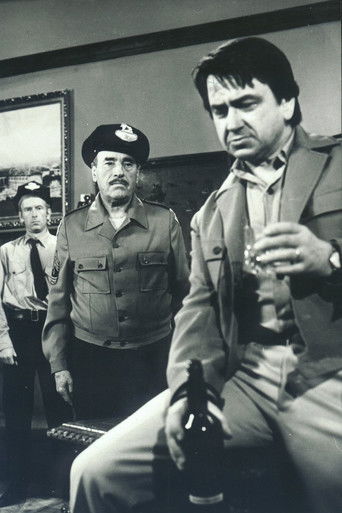
NRThe drama of a man driven to crime by the mechanism of violence in an American prison. It is an indictment of American justice and the barbarically cruel methods of prison staff. Based on Jack London's novel "The Star Rover".
Dynamit
1973
An unconventionally seen story from the period of the Slovak National Uprising will especially interest you with the character of the village lad and brawler Vince Kucek, played by Ivan Romančík. Hours and hours spent in the pub, riots with friends, scenes of jealousy towards his old rival Petr Chuťek, now a partisan commander, hostile memories of the strict teacher Machoň – all this fills the seemingly carefree days of the self-confident farmer, father of two small children, husband of the faithful, devoted Eva. However, the situation in the village is getting worse. Some of the men go to fight in the mountains, but the stubborn Kucek refuses to go with them.
Ako sa Vinco zaťal
1977
A balladic story situated in a Slovak mountain region before the 2nd World War. A young man returns to his native village after many years. There he meets Zuna, a mysterious girl of the forest, who opens his eyes to the charming nature to perceive hidden corners of the world and of his own soul.
The Bride of the Mountains
1972
An original television production based on the life of Slovak writer Jozef Gregor Tajovský.
Džbán plný ambrózie
1974
 5.2
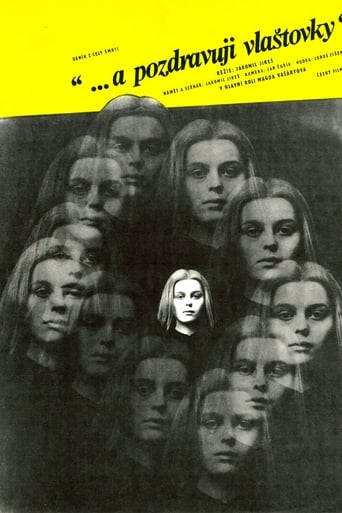
5.2This film, chronicling the last days of Czech resistance fighter Maruska Kuderikova (played by Magda Vasaryova), is based on her diaries. Though she was tortured and eventually executed by the Nazis, her diaries indicate that she was optimistic for the humanity of her captors and did not by any means hate them. Told with simple dignity, this film makes clear why Maruska became a national hero.
And Give My Love to the Swallows
1972
No synopsis available yet.
Zem nezasľúbená
1978
A group of drivers paid according to their performance are struggling with hard work in a large quarry, somewhere where foxes say good night. A new worker, Marek Orban, joins the team of foreman Peter Hotka, known as Maco. Deep down, he is a deeply moral person, although he was given a suspended sentence for bodily harm. He beat up his wife's lover, to whom he must also pay compensation. Marek hides this from the other members of the group because he is ashamed. Maco, out of friendship with Marko, attributes non-existent trucks to the group, which, of course, backfires. However, the team eventually shows its strength and works off the undeserved reward.
Dosť dobrí chlapi
1972
 4.5
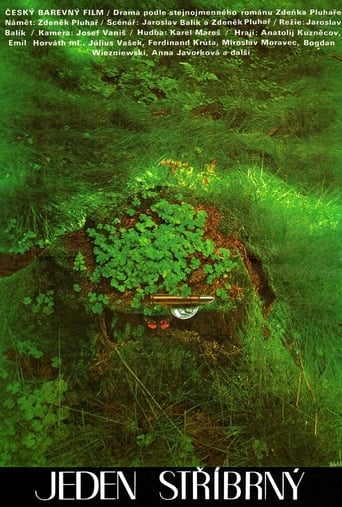
4.5It is summer 1944. The war is far away from Slovak mountains for the time being. The head of forest management Borodác brings a new employee to complete the eight woodcutters work team of Czechs, Slovaks and one Pole - the young guy is Martin Uher, a former clerk form Prague. The eight tough men do not trust the newcomer at first, but as time is passing, they got used to him. After some time, Martin gets next to Julika, a young wife of the gamekeeper Tkác (Vlado Müller) and they begin to go out secretly. The gamekeeper knows that Martin had promised to cooperate with German Gestapo, after he had experienced a hard interrogation. In avoiding to be a grass, Martin leaves Prague to hide in Slovak mountains. Tkác wants Martin to inform on his colleagues who hide guns in the forest to ready to use them against Nazis.
One Silver Piece
1976
No synopsis available yet.
Horali
1975
 8.0
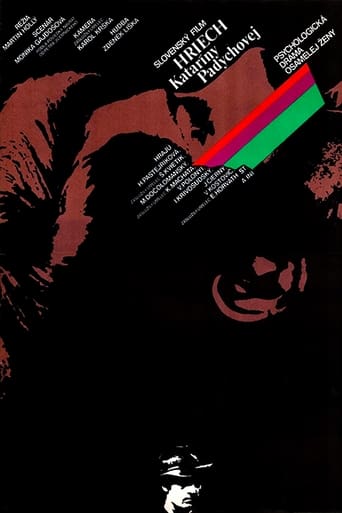
8.0Štefan Padych loses a lawsuit against Šulgan, a local innkeeper to whom he owes money. Not wanting his wife and three-year-old daughter to starve, he decides to leave for France. However, after his departure, his wife Katarína Padych commits infidelity and becomes pregnant...
Hriech Kataríny Padychovej
1973
No synopsis available yet.
Nemám čo povedať
1975
 8.2
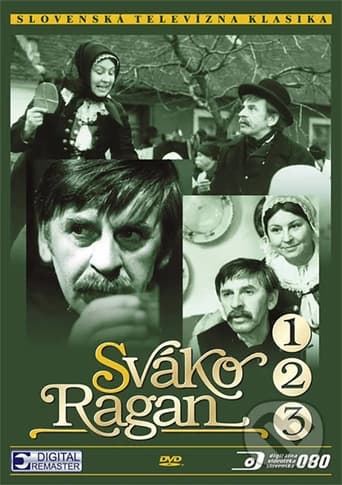
8.2Who could forget the Favorites figure Svákov Ragan in acting creations neopakovatel'ného Jozef Kroner? Three-part television film Sváko Ragan, created according to stories Ela Sándor already at its first introduction many years ago, soon won favor with audiences. Brought not only good fun, but also an attractive view of a world Myjavská site with many rustic Alpine traditions and characters and witty dialect used, especially Myjavský and Brezovský. Above all this, however, it is dominated by the ability to invent Svákov Ragan was even in the most uncomfortable situations ... Brezovskí tanners have been known not only to the quality of its products, but ischopnosťou their products at fairs successfully foreground. Highly after the fairs and markets in the near and distant surroundings Birch Nachod and Sváko Ragan and no wonder that their business has seen wandering the lot but cheerful and made many hilarious but also less hilarious "deal" ...
Sváko Ragan
1976
No synopsis available yet.
Najvzdialenejšia hviezda na nebi
1976
No synopsis available yet.
Jen láska
1975
No synopsis available yet.
Hadí princ
1973
 NR
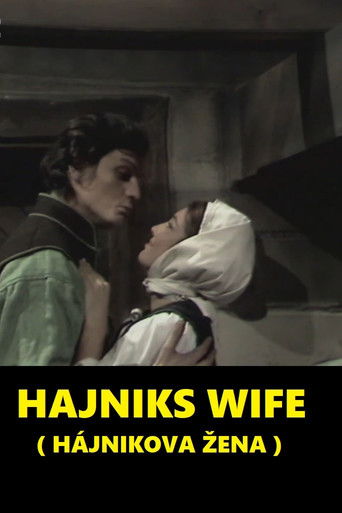
NRThe dramatization of P. O. Hviezdoslav's epic is a celebration of the moral purity of the Slovak people. Through the trial of gamekeeper Michal Čajka, who is on trial for the murder of young Mr. Artuš, we follow in retrospect the events leading up to the trial.
Hajniks Wife
1971
No synopsis available yet.
Pätnásť životov
1974
No synopsis available yet.
Šťastie zberateľov
1972
The tragic fate of a mentally disabled girl with the mental capacity of a child, who is taken in by her older brother Ondrej after her mother's death. Ondrej resolves complicated and disharmonious situations in their coexistence by telling various stories.
With Rosary
1970
No synopsis available yet.
Rudienka
1974
No synopsis available yet.
Lampióniky
1975
No synopsis available yet.
Pařížská komuna
1971
1960s · 19 titles
5.1Young couple separated by World War 2, dream of being reunited years later.
Interrupted Song
1960
A two-part television film based on the novel of the same name by Rudolf Jašík, depicting a realistic picture of life and interpersonal relationships during World War II in the mixed Slovak-German environment of the town of Pravna and the nearby village of Planice, as well as life and relationships between soldiers on the Eastern Front. From this perspective, the plot follows a unit of Slovak soldiers, their realisation that they are fighting for foreign interests, their dissatisfaction and distrust of everything, especially their officers.
The Dead Don't Sing
1965
 6.6
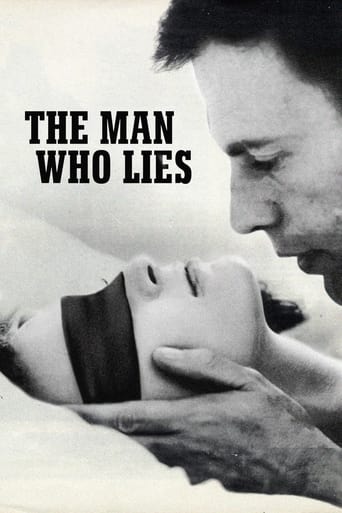
6.6A man may or may not have betrayed a resistance fighter during World War II. He has supposedly been shot down by the Nazis and wanders into town. Mourning the death of an unseen comrade, he is taken in by the family of the dead rebel. He engages in a superfluous affair and witnesses the lesbian relationship between the man's sister and a female servant. When passions subside, the family has doubts about the reliability of the man's story.
The Man Who Lies
1968
 7.3
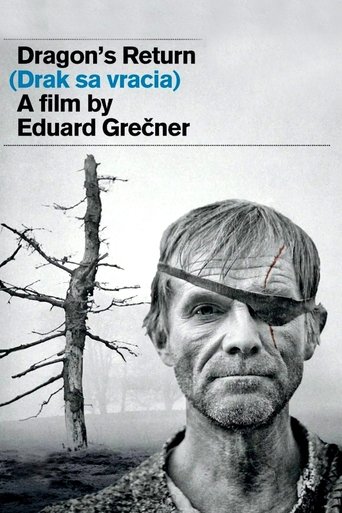
7.3This is a ballad about love, hate, and a search for a way out of loneliness. It is a dramatic story about the strange potter, Martin Leaps, nicknamed Dragon, who is suspected by the villagers as the cause of natural disasters. He lost his wife, his home, and his freedom due to false accusations. After years he returns to his native village. Putting his own life to risk, he saves a herd of cows from a forest fire in the hills. But not even this heroic deed helps him to win back the friendship of the locals.
Dragon's Return
1968
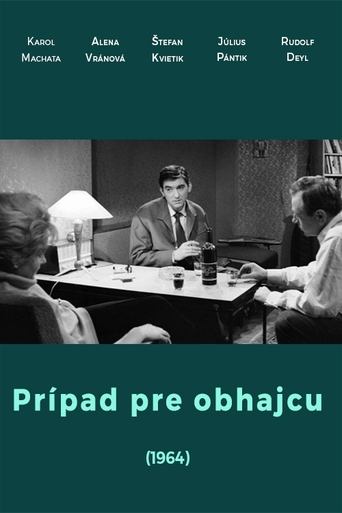 8.0
8.0A psychological drama from the judiciary. Lawyer Kolár handles the case of the rape and murder of a fourteen-year-old girl and tries to remove the fifteen-year-old boy from suspicion and subsequent conviction based on discrepancies in the case file.
Prípad pre obhajcu
1964
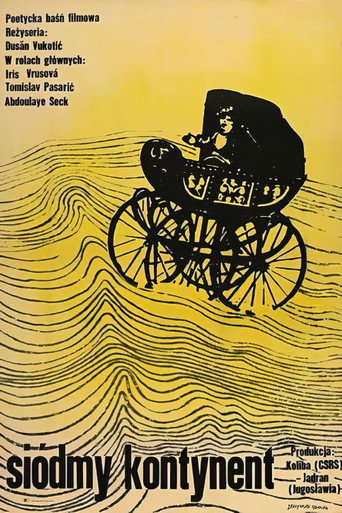 6.7
6.7A group of children discover the new continent of the world, uninhabited by adults. Soon, many other children are joining them in that new paradise, leaving their parents and other adults baffled on all remaining continents.
The Seventh Continent
1966
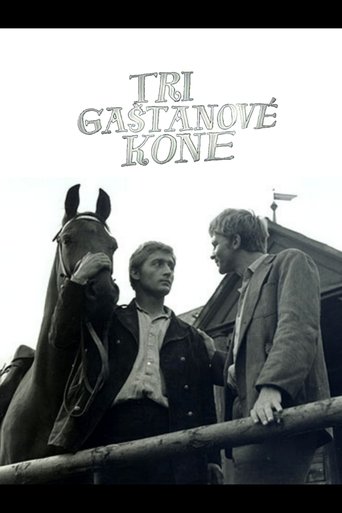 NR
NRMagdaléna, pure-hearted and guided by emotion, attracts Zápotočný, a callous egoist and abuser. Their turbulent relationship, set against a backdrop of social hardship, forces Magdaléna to confront the limits of compassion and the price of innocence when faced with brutal selfishness.
Three Chestnut Horses
1966
No synopsis available yet.
V páse zlomená
1966
A film about the dramatic lives of the people living in the village of Ráztoka during WW I. Women are left without husbands, families fall apart, finding themselves on the verge of poverty. Eva, the main heroine, is going through difficulties after her husband was drafted to the army. Her defilement and her tragic death cause a rebellion by which the village inhabitants finally stand up against their unbearable situation.
Living Whip
1967
The detective case of Captain Jakubec and his colleague Lieutenant Michalek takes place in a small town where the auditor Burian dies after drinking a health syrup. The doctor concludes that it was a heart attack. However, the exhumation of the corpse confirms the suspicion that Burian was poisoned. The auditor's young wife and her lover are the primary suspects. Other candidates for the role of the perpetrator include the manager of the café Orlovský, who asked Burian to destroy the falsified statements in exchange for a bribe, and the managers of two stores where the shortage was discovered. However, the network of suspects continues to expand...
Murderer from Beyond the Grave
1967
No synopsis available yet.
Výšiny
1968
No synopsis available yet.
Mária Tudorová
1968
No synopsis available yet.
Skaly a ľudia
1960
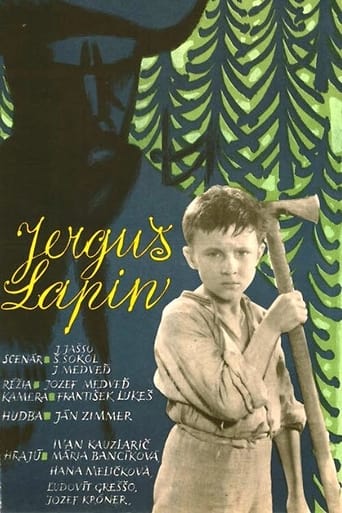 8.0
8.0Little Jerguš's father was killed by gendarmes. To help his mother, the boy is hired as a laborer, then goes to the factory, to the city, but, unable to withstand the cruel exploitation, hoping to become free and independent, returns to the mountains, where his father once fought for the good of the people.
Jerguš Lapin
1960
 9.0
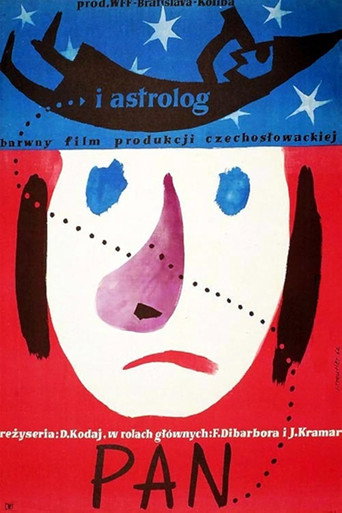
9.0On this naive and awkwardly narrated fairy tale it is remarkable that it also established the tradition of fairy tale stories in Slovakia. A certain refinement is the framing of the whole story with a puppet show that moves into the played scenes. The film carries out a folk tale of a stupid castle lord who lives in a ruined castle, a fraudulent painter and a lazy shepherd.
Pán a hvezdár
1960
 NR
NRThe story of a man who, in a supposed struggle to save his own life and home, kills a helpless man. His victim is a Jewish doctor who is hidden by partisans in a secluded peasant home.
In The Hour Of Fear...
1968
 7.7
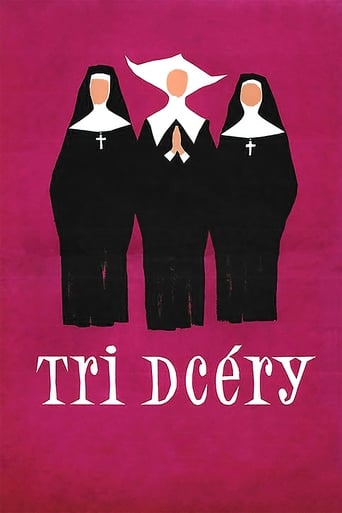
7.7A classical ballad motif about an aging father and his three daughters is quite unusually here set against the backdrop of Czechoslovakia of the 1950s. After having been expropriated, the former landowner Majda seeks refuge with his three daughters whom he had sent to a convent a long time ago. But only the youngest one is able to forgive him and she is willing to take care of him despite the threat of expulsion from the order.
Three Daughters
1968
 8.0
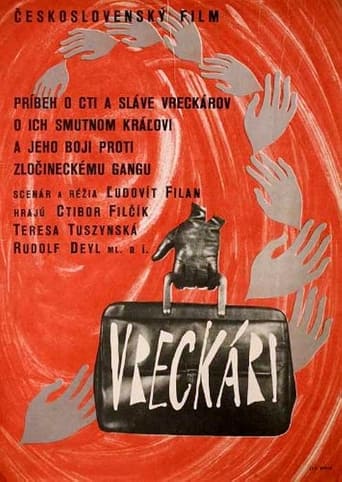
8.0As unbelievable as it sounds, a stint in prison can really fix things. The old seasoned pickpocket will serve many years before he is released, but he comes out a changed man. He even dares to refuse the lures and threats of an all-powerful criminal gang to cooperate with him.
The Pickpockets
1967
No synopsis available yet.
Dukát z rozprávky
1968
1950s · 10 titles
The story of the great strike of the workers building the Cervena Skala - Mergecany railway line
The Struggle Will End Tomorrow
1951
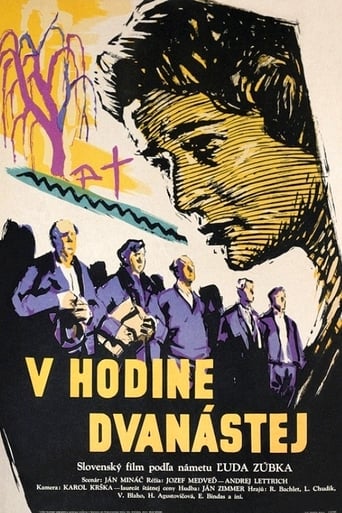 7.0
7.0Nazi soldiers committed atrocities even when sober – and if they got drunk, they did even worse. The inhabitants of a Slovak village during the national uprising learn this when they have to accept an arrogant Hitlerite guard. When two soldiers go missing, the unit commander threatens to have five hostages executed for each of them as a warning. And he refuses to change his order, even when it turns out that drunkenness is to blame for the unfortunate incident. But the villagers get justifiably angry and take up arms.
V hodine dvanástej
1959
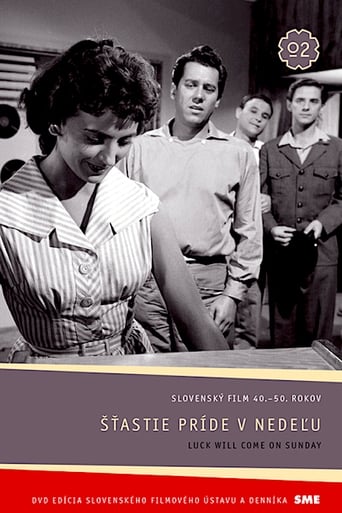 7.2
7.2Three friends, Emil, Vrabec and Mišo, spend every Sunday playing the lottery, each nursing a personal dream: Emil wants a Jawa 250 motorcycle, Vrabec hopes for a Pionier scooter and Mišo imagines funding a world tour. Frustrated by constant losses, they decide to maximize their stake in the next draw, convinced that more money will tip the odds in their favor. Their plan takes an unexpected turn when they meet attractive Eva Dvorčíková on a televised variety show - Eva has long been Mišo’s unspoken crush. To determine who will have the right to win her affection, the friends agree to draw lots, putting their bonds and ambitions to the test.
Šťastie príde v nedeľu
1959
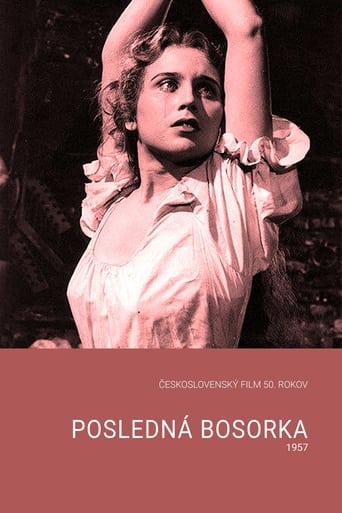 7.9
7.9This dramatic story is situated in the town of Trnava of the 18th century. Painter Peter paints an altar-piece of the Martyrdom of St. Juliet and his model is a young girl. This is much disliked by the clergy who unjustly accuse the girl of witchcraft. She is saved from being burnt at a stake by the students of the Trnava University.
The Last Witch
1957
No synopsis available yet.
Mladé srdcia
1953
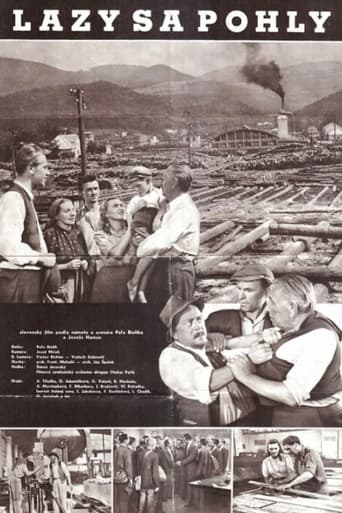 6.5
6.5The life on the poor Slovak hills, the lazy hills, where agriculture is at a primitive stage and where the shelves give a small harvest. Meanwhile, socialist industrialization is reaching an amazing boom in the valleys. Therefore, it is necessary to solve the problem of small farmers on poor farms and the lack of labor in ever-growing industrial enterprises. The film, based on the fate of Matěj Rendek, who returns to Slovakia after 18 years from America, and on the fate of his family, who have toiled for years on poor fields and slaved for a rich farmer, shows how this problem must be solved: an agricultural cooperative is established on the lazy hills, which, with the help of machines, can handle agricultural work better and with a significantly smaller number of laborers, and most of the lazy villagers leave to work at a large sawmill.
Lazy sa pohly
1952
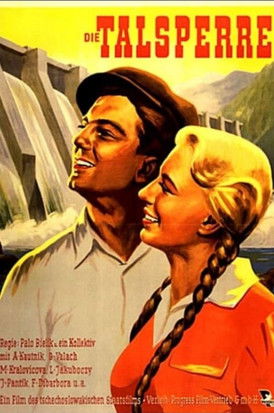 5.0
5.0The construction of a large dam in Slovakia is hindered by the influence of small farmers on the landowner Bujna, on whom they depend for help with the harvest and for monetary loans.
Priehrada
1950
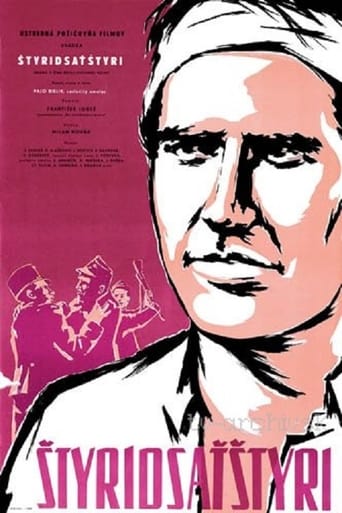 6.0
6.0Drama about the rebellion of the Trencín Infantry Regiment against its superior officers in the Serbian city of Kragujevac, at the end of the First World War. It was the biggest and deadliest rebellion in the Austro-Hungarian army.
Štyridsaťštyri
1958
Slovak movie is based on the novel by the prominent representative of Slovak prose František Hečka, who was in 1952 awarded the State Prize. The novel and the movie successfully capture the development of Slovak village after the liberation in 1945. The narrative is centred around the characters of the old Púplava, who after the liberation begins to organise a new village life, and his struggle for the construction of settlements Mrzáčky, burnt by the fascists. It is centred around the conflict, greatly reflecting the situation of the countryside at this time: the conflict between the rural poor and the rural rich. In the movie, a rich personal and emotional life of other heroes pulsate besides the main storyline. The movie ends with the final defeat of the reactionary forces by Communists in February 1948, taking over all power in the state of workers and peasants. - "The Wooden Village" is released in celebration of the 7th anniversary of the Communist February Victory.
The Wooden Village
1955
A dramatic story of a young woman, Mária Kedrová, who gradually breaks free from her humiliating position in her family and society in the post-war years. Tired of the inhumane work and tyranny on behalf of her husband's kulak family, after endless humiliation, she leaves the Kedrová house with her son Martin to start living her own life.
Žena z Vrchov
1956
Series credits
7.0No synopsis available yet.
Vivat Beňovský!
1975
No synopsis available yet.
Parížski mohykáni
1972
No synopsis available yet.
Ľudia z kanálovej štvrte
1975
10.0Resourceful tanner Sváko Ragan travels Myjava’s fairs and markets, using wit and dialect to spin both wins and misadventures into profit.
Sváko Ragan
1976
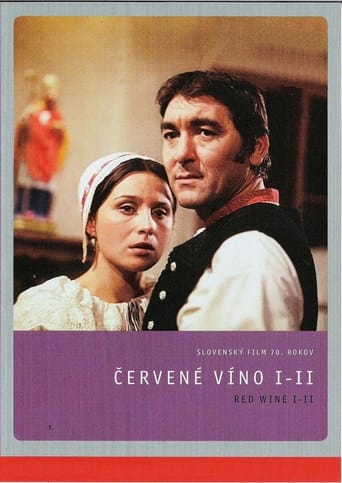 NR
NRAn epic saga of the Habdza family of vineyard keepers set in western Slovakian countryside at the beginning of the 20th century. Director Andrej Lettrich's novel adaptation talks of plotting, forbidden love. family discord, and struggle for heritage and power. The story is engaging thanks to the impressive performances of popular actors, dramatic situations, and sensitive music. Red Wine is not so much inventive in terms of auteurship as it is a work of excellent craftsmanship. The resulting picture is a costume production neatly adapted to the character of Slovak rural life in the past.
Red Wine
1972
No synopsis available yet.
V tieni vlkov
1972
No synopsis available yet.
Louis Pasteur
1979
A story about a young Slovak peasant boy from the 17th century. After the death of his father, who was hanged for poaching, Adam Šangala decides to leave home and become a gentleman. However, he gets involved in a dispute with Count Markoč, who abuses a peasant girl, beats him up, and forces him to flee from his police officers. On the run, he meets the charming Betka, the daughter of a craftsman from Trnava, with whom he falls in love, but with Markoč's police still hot on his heels, there is no time for love. In his desperate situation, Adam enlists as a soldier for Count Pálfy...
Adam Šangala
1974
No synopsis available yet.
Haldy
1974
No synopsis available yet.
Mŕtve duše
1971
No synopsis available yet.
Mŕtvi nespievajú
1964
No synopsis available yet.
Prípad jasnovidca Hanussena
1970
No synopsis available yet.
Tajný agent
1974