
Known for
 5.1
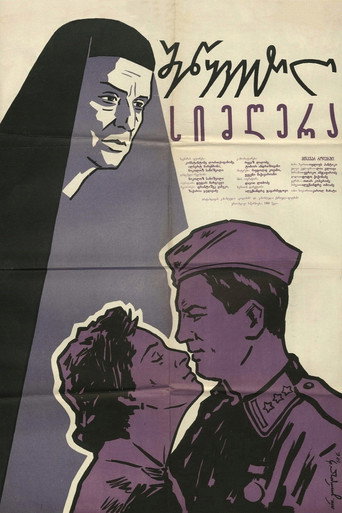
5.1Young couple separated by World War 2, dream of being reunited years later.
Interrupted Song
1960
 7.0
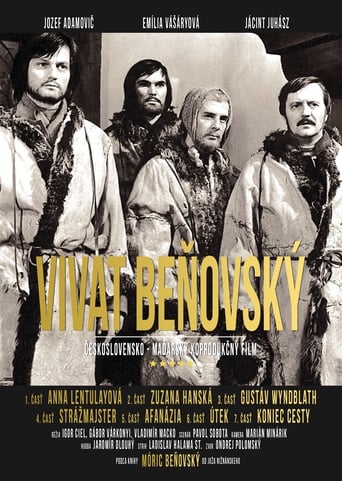
7.0No synopsis available yet.
Vivat Beňovský!
1975
No synopsis available yet.
To je váš prípad, Šetaffy.
1986
No synopsis available yet.
Americká tragédia
1977
No synopsis available yet.
Svadba bez nevesty
1980
No synopsis available yet.
Matej Bel z Očovej
1987
Film credits
1980s · 5 titles
No synopsis available yet.
Karakušov rozsudok
1988
 5.9
5.9Pepe and Prengel, returning from war, meet Ester and both fall in love with the girl and live together in a deserted house. Fanatic communist, Zelmira, wants to turn their world upside-down.
Sitting on a Branch, Enjoying Myself
1989
No synopsis available yet.
Potopená katedrála
1980
The beautiful, bright and intelligent, but perfectly mischievous Marquise de Mertuil and her charming and equally depraved and ruthless friend, the master of seduction Vicomte de Valmont play a cynical game full of intrigue. The marquise is willing to devote one night full of passion to the viscount. However, on the condition that the viscount first deflowers the innocent Cecile de Volanges, who is to marry her former lover. In the end, they themselves become victims of their own dangerous game.
Nebezpečné známosti
1980
No synopsis available yet.
Zeleň kráľ
1980
1970s · 13 titles
The TV dramatization of PO Hviezdoslav's epic tells of a time when the feudal system as a social force begins to disappear. Its only salvation is to merge with the people. Ežo is a supporter of this idea.
Ežo Vlkolinský
1978
 6.5
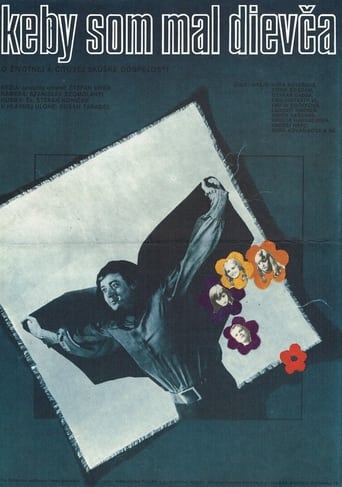
6.5Vlado has just passed his high school diploma and is starting a job as a home tutor in the family of a big businessman. He finds himself in a very difficult turning point in 1947-48. He does not understand much of what is happening around him. He constantly experiences emotional confusion, comes into conflict with his conscience and finally has to decide between love and reason...
If I Had a Girl
1976
Slovakian villagers towards the end of WW II are despairing as German troops fall back to their village.
Big Night and Big Day
1975
No synopsis available yet.
Zem nezasľúbená
1978
No synopsis available yet.
Jedna žena navyše
1976
No synopsis available yet.
Vládca Oidipus
1978
No synopsis available yet.
Ešte sa nevraciam
1976
No synopsis available yet.
Zbojnícky tanec
1978
No synopsis available yet.
Bambusová dievčina
1978
No synopsis available yet.
Nepriatelia
1973
No synopsis available yet.
Vzkriesenie Míny
1977
No synopsis available yet.
Hodina úsvitu
1975
No synopsis available yet.
Simultánka s Aľochinom
1975
1960s · 12 titles
5.1Young couple separated by World War 2, dream of being reunited years later.
Interrupted Song
1960
 6.8
6.8Concentration camp commander Kraft finds out that prisoner Kominek is a former professional boxer. Overnight, the prisoner is made Kraft's exercise partner and unwillingly rises to a privileged position at the camp. His anger over the death of his friend and co-prisoner leads to open revolt. The film brings a new view of human degradation during fascism by a tragic story of one man whose only chance for survival is to accept the rules of an unequal game.
The Boxer and Death
1963
 6.9
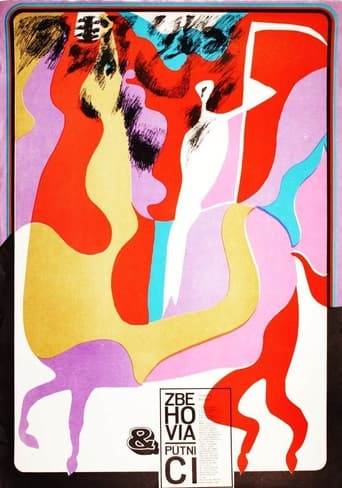
6.9An apocalyptic story of three wars in three film tales encompassing the end of the WWI,WWII, as well as a vision of the world destroyed by nuclear weapons. This film was honored at the film festivals in Venice and Sorrento. Immediately after that the copy with Italian subtitles was locked in a safe as evidence of the anti-communist activities of the director, who used real footage of the Soviet invasion.
The Deserter and the Nomads
1968
No synopsis available yet.
Na brehu priezračnej rieky
1966
No synopsis available yet.
Francois Villon – spor o básnika
1967
 8.5
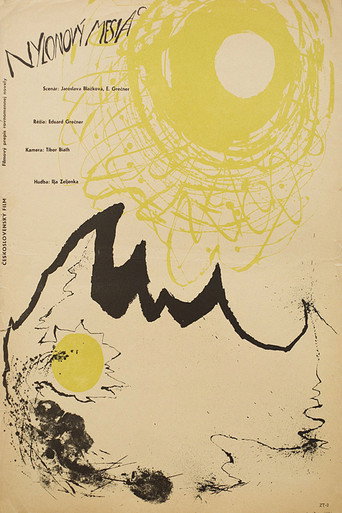
8.5Set in 1960s Bratislava, the film follows a cynical, thirty-year-old architect named Andrej who unexpectedly falls deeply in love with Vanda, a free-spirited and spontaneous young woman. However, their burgeoning relationship is quickly strained by his growing possessiveness and desire for a traditional marriage.
Nylon Moon
1966
 9.0
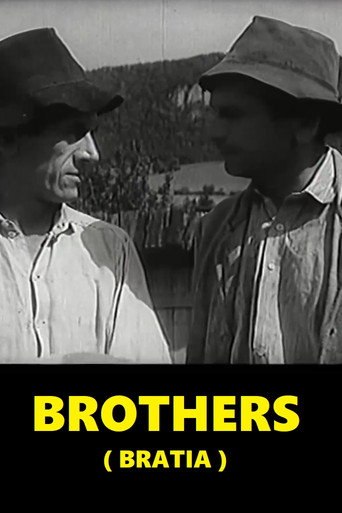
9.0A bricklayer, Jozef Haviar, decides to live with his family on the small farm of his father through the difficult years of the economic crisis. But on his return to his father's house he gets into a conflict with his brother. The life-and-death conflict between the two brothers documents the difficult situation of Slovak country life in the 1930s, the time of economic depression.
Brothers
1962
No synopsis available yet.
Skaly a ľudia
1960
The television film based on the novel of the same name by Ladislav Mňaček draws on the period of World War II and the Slovak National Uprising. The film's story is composed of two intertwining time lines. In the images of the present that frame the entire narrative, the young partisan Voloďa - a hero with autobiographical features - recovers from a serious injury. In feverish reminiscences and in conversations with his nurse Eliška, he recapitulates the eventful events of his time in the partisan group in the village of Ploština, which the partisans abandoned under the pressure of events and left to the mercy of the German commando. Voloďa is haunted by visions of the burning Ploština, remorse and responsibility for the tragedy. In feverish reminiscences, he relives the meetings of the partisan detachment with the German commando. Memories of the mysterious Jewish girl Marta, a partisan liaison with whom Pavol had a passionate love affair, also return to him.
Smrť sa volá Engelchen
1960
 10.0
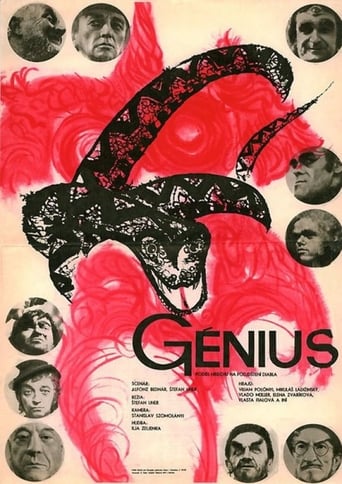
10.0A metaphorical story about the conflict of human reason and ideals with the dehumanizing mechanism of social institutions. A satire criticizing the negative relations between people, condemning the evils of human characters and the resulting qualities - pride, envy, malicious gloating, hatred and mammonism.
The Genius
1969
No synopsis available yet.
Pred súdom
1966
 NR
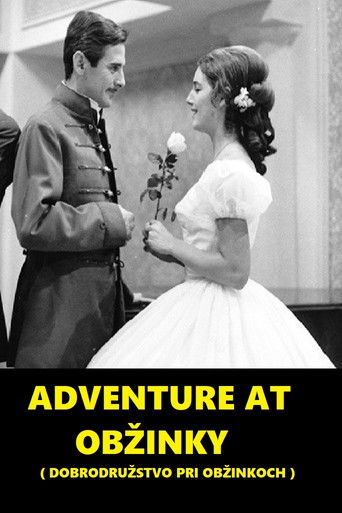
NRA television production of a play by Ján Palárik. A comedy directed against nationalism, national indifference and stupid arrogance. A classic plot built on a mix-up of characters.
Adventure at Obžinky
1968
1950s · 6 titles
The story of the great strike of the workers building the Cervena Skala - Mergecany railway line
The Struggle Will End Tomorrow
1951
The film adaptation of the novel of the same name by Peter Jilemnický is a drama about the life of poor Kysuce miners, which takes place in the thirties during the economic crisis. During the peak wave of emigration, the dream of a better life drives thousands of people to America for work. Others, in order to support their families, leave for the surrounding towns. Produced by the Bratislava Art Film Studio, studios and laboratories Bratislava - Koliba.
Unploughed Field
1954
 5.7
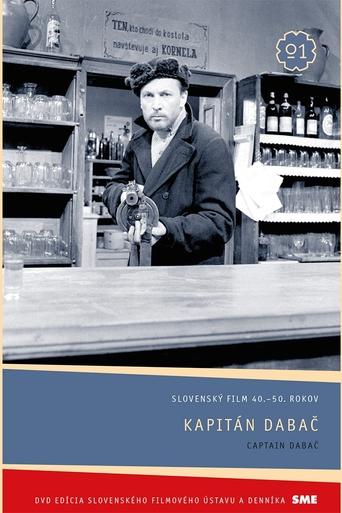
5.7The drama of a young Slovak army officer who gradually realises the horrors of fascism during the fighting in Ukraine. On his return to Slovakia, he joins the SNP. However, he cannot overcome his loner attitude or his doubts about the meaning of partisan activity.
Kapitán Dabač
1959
 7.0
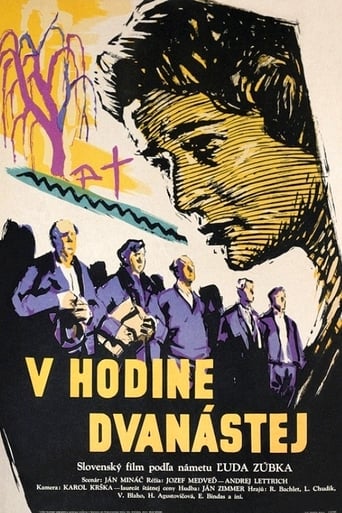
7.0Nazi soldiers committed atrocities even when sober – and if they got drunk, they did even worse. The inhabitants of a Slovak village during the national uprising learn this when they have to accept an arrogant Hitlerite guard. When two soldiers go missing, the unit commander threatens to have five hostages executed for each of them as a warning. And he refuses to change his order, even when it turns out that drunkenness is to blame for the unfortunate incident. But the villagers get justifiably angry and take up arms.
V hodine dvanástej
1959
 6.8
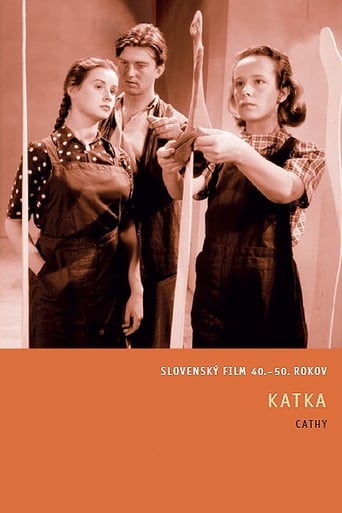
6.8Strong-willed peasant girl Katka disobeys her father and heads to the city to work in a factory, where no one knows quite what to make of her.
Katka
1950
No synopsis available yet.
Guľometný pás
1959
Series credits
7.0No synopsis available yet.
Vivat Beňovský!
1975
No synopsis available yet.
To je váš prípad, Šetaffy.
1986
No synopsis available yet.
Americká tragédia
1977
No synopsis available yet.
Svadba bez nevesty
1980
No synopsis available yet.
Matej Bel z Očovej
1987
No synopsis available yet.
Jedenáste prikázanie
1977
 9.0
9.0No synopsis available yet.
Sám vojak v poli
1964
No synopsis available yet.
Prípad jasnovidca Hanussena
1970