
Writing
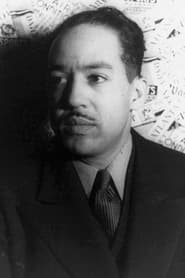
Langston Hughes
Born — Died
1901-02-01 — 1967-05-22
Place of birth
Joplin, Missouri, USA
Known for
Writing
Credits
8 titles
An influential American writer from the early to mid 20th century. Beginning with the publication of "The Negro Speaks of Rivers" in 1921, Hughes first captured the public's imagination as a poet. A versatile writer, Hughes was also adept in writing short stories, novels, plays, and non-fiction. His work often focused on the lives of ordinary people and frequently employed humor, social commentary, and folk wisdom in his writing. In the late 1930s he began writing for Hollywood, but his time there was short lived due to a variety of factors, not least of which was the racism prevalent in the industry at that time. During his lifetime, he received one feature film credit for writing "Way Down…
Known for
 8.0
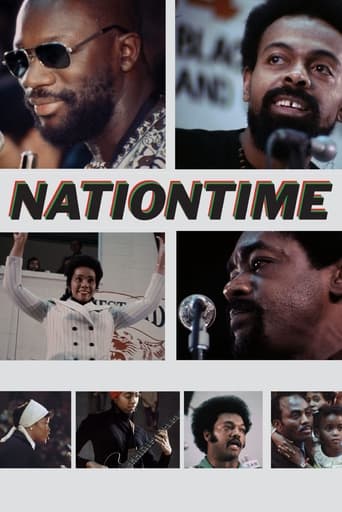
8.0A report on the National Black Political Convention held in Gary, Indiana, in 1972, a historic event that gathered Black voices from across the political spectrum, among them Jesse Jackson, Dick Gregory, Coretta Scott King, Richard Hatcher, Amiri Baraka, Charles Diggs, and H. Carl McCall.
Nationtime: Gary
1972
 NR
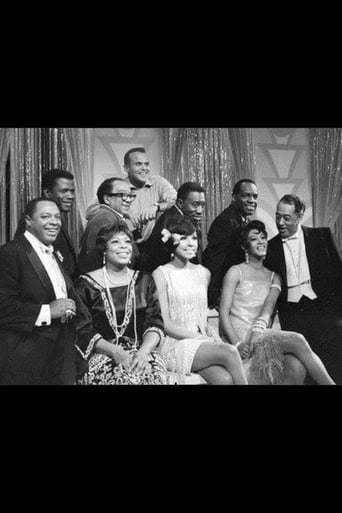
NRHarry Belafonte and Sidney Poitier travel down memory lane to see what life was like back in the 1920s. Harry Belafonte introduces this musical, written by poet and playwright Langston Hughes, which pays tribute to Harlem in the 1920's. Sidney Poitier provides commentary on the era throughout the program, and George Kirby and Nipsey Russell portray various Harlem characters. Program highlights include: Gloria Lynne singing "Good Ol' Wagon"; Brownie McGhee singing "Let the Deal Go Down"; Diahann Carroll singing "Nobody Knows You When You're Down and Out"; Sammy Davis, Jr., singing and tap dancing to "Doin' the New Low Down"; Joe Williams singing "Nobody Knows the Way I Feel This Morning"; and Duke Ellington performing "Sophisticated Lady" with a sextet.
The Strolling '20s
1966
Black American presentation of the nativity story from the New York stage production by Langston Hughes.
Black Nativity
1962
 6.4
6.4In the pre-Civil War South, a plantation owner dies and leaves all his possessions, including his slaves, to his young son. While the deceased treated his slaves decently, his corrupt executor abuses them unmercifully, beating them without provocation, and he is planning to sell off the father'e estate--including the slaves--at the earliest opportunity so he and his mistress can steal the money and move to France. The young boy doesn't want to sell his father's estate or break up an of the slave families, and he has to find someone to help him thwart the crooked executor's plans.
Way Down South
1939
 5.1
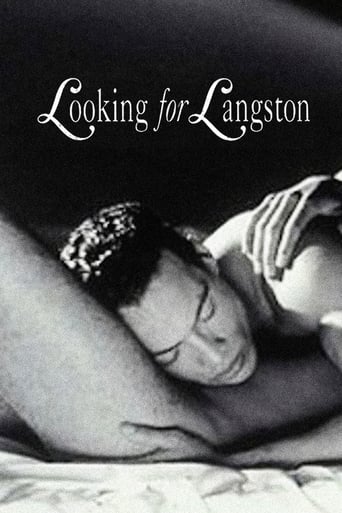
5.1A black and white, fantasy-like recreation of high-society gay men during the Harlem Renaissance, with archival footage and photographs intercut with a story. A wake is going on, with mourners gathered around a coffin. Downstairs is an elegant bar where tuxedoed men dance and talk. One of them has a dream in which he comes upon Beauty, who seems to reject him, although when he awakes, Beauty is sleeping beside him. His story and his visits to the jazz and dance club are framed by voices reading from the poetry and essays of Hughes and others. The text is rarely explicit, but the freedom of gay Black men in the 1920s in Harlem is suggested and celebrated visually.
Looking for Langston
1989
 7.0
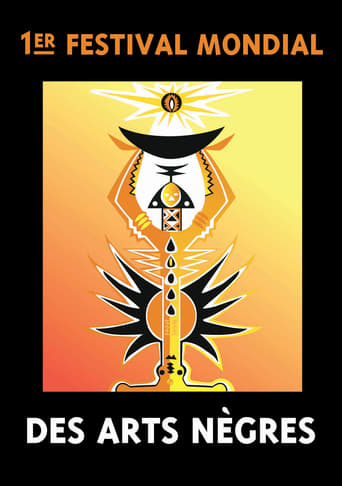
7.0"This documentary film covers a 24-day arts festival in Dakar, Senegal that highlighted Black contributions to the cultural heritage of mankind and was attended by an extraordinary cast of over 2,000 luminaries - including Duke Ellington, Langston Hughes, Alvin Ailey, Aime Cesaire, and Leopold Senghor - from dozens of countries. The film depicts performances by African and American entertainers and shows various works of art while also providing unparalleled insight from the perspective of the African American delegation. The film was written and directed by William Greaves" (US National Archives).
The First World Festival of Negro Arts
1966
Film credits
Behind the camera
8.0A report on the National Black Political Convention held in Gary, Indiana, in 1972, a historic event that gathered Black voices from across the political spectrum, among them Jesse Jackson, Dick Gregory, Coretta Scott King, Richard Hatcher, Amiri Baraka, Charles Diggs, and H. Carl McCall.
Nationtime: Gary
1972
NRHarry Belafonte and Sidney Poitier travel down memory lane to see what life was like back in the 1920s. Harry Belafonte introduces this musical, written by poet and playwright Langston Hughes, which pays tribute to Harlem in the 1920's. Sidney Poitier provides commentary on the era throughout the program, and George Kirby and Nipsey Russell portray various Harlem characters. Program highlights include: Gloria Lynne singing "Good Ol' Wagon"; Brownie McGhee singing "Let the Deal Go Down"; Diahann Carroll singing "Nobody Knows You When You're Down and Out"; Sammy Davis, Jr., singing and tap dancing to "Doin' the New Low Down"; Joe Williams singing "Nobody Knows the Way I Feel This Morning"; and Duke Ellington performing "Sophisticated Lady" with a sextet.
The Strolling '20s
1966
Black American presentation of the nativity story from the New York stage production by Langston Hughes.
Black Nativity
1962
6.4In the pre-Civil War South, a plantation owner dies and leaves all his possessions, including his slaves, to his young son. While the deceased treated his slaves decently, his corrupt executor abuses them unmercifully, beating them without provocation, and he is planning to sell off the father'e estate--including the slaves--at the earliest opportunity so he and his mistress can steal the money and move to France. The young boy doesn't want to sell his father's estate or break up an of the slave families, and he has to find someone to help him thwart the crooked executor's plans.
Way Down South
1939
 NR
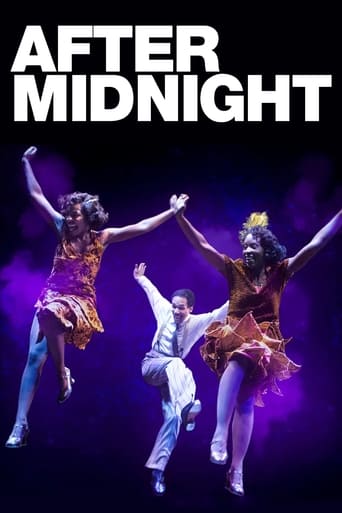
NRWith music by Duke Ellington, Harold Arlen, Dorothy Fields and more framed by the poems of Langston Hughes, this exhilarating song and dance extravaganza features 28 of the big band era’s most memorable songs and showcases the gorgeous glamour and sophisticated syncopation of the Harlem heartbeat after midnight.
After Midnight
2021
Produced and conceived by French filmmakers Jean Cocteau and François Villiers, with a screenplay by Langston Hughes, Rhythm of Africa takes a look at the special ceremonial dance of atonement in Chad. The heartbeat of the jungle, the day-to-day life in the modernizing village, and the bustling marketplace take on a hypnotizing rhythm of their own. A changing Africa asserts itself in a changing world.
Rhythm of Africa
1947