

Writing
Krzysztof Piesiewicz
Born — Died
1945-10-25 — 2026-05-14
Place of birth
Warsaw, Poland
Known for
Writing
Credits
34 titles
From Wikipedia, the free encyclopedia Krzysztof Piesiewicz (October 25, 1945 - May 14, 2026) was a Polish lawyer, screenwriter, and politician, who was a member of the Polish Parliament and head of the Ruch Społeczny (RS) or Social Movement Party. Piesiewicz studied law at Warsaw University and began practicing in 1973. Through the late 1970s he became increasingly involved in political cases, defending opponents of the Communist regime, serving as a legal advisor for Solidarity, and assisting in the successful prosecution of the murderers of Jerzy Popiełuszko. In 1982 he met the film director Krzysztof Kieślowski, who was planning to direct a documentary on political show trials in Polan…
Known for
 7.9
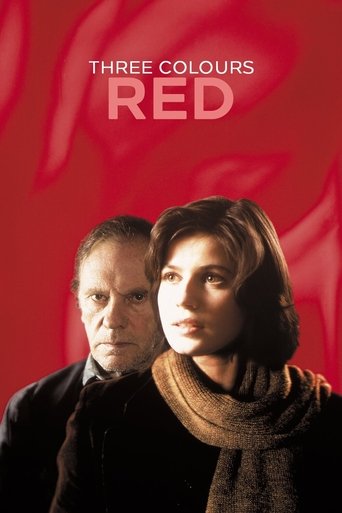
7.9Part-time model Valentine unexpectedly befriends a retired judge after she runs over his dog. At first, the grumpy man shows no concern about the dog, and Valentine decides to keep it. But the two form a bond when she returns to his house and catches him listening to his neighbors’ phone calls.
Three Colors: Red
1994
 7.4
7.4Polish immigrant Karol Karol finds himself out of a marriage, a job and a country when his French wife, Dominique, divorces him after six months due to his impotence. Forced to leave France after losing the business they jointly owned, Karol enlists fellow Polish expatriate Mikołaj to smuggle him back to their homeland.
Three Colors: White
1994
 7.6
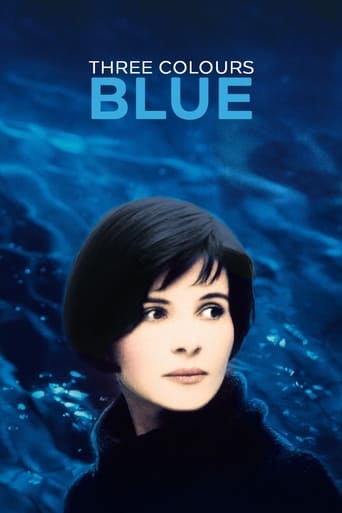
7.6The wife of a famous composer survives a car accident that kills her husband and daughter. Now alone, she shakes off her old identity and explores her newfound freedom but finds that she is unbreakably bound to other humans, including her husband’s mistress, whose existence she never suspected.
Three Colors: Blue
1993
 7.5
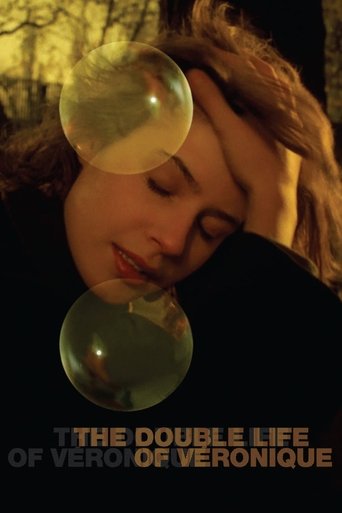
7.5Véronique is a beautiful young French woman who aspires to be a renowned singer; Weronika lives in Poland, has a similar career goal and looks identical to Véronique, though the two are not related. The film follows both women as they contend with the ups and downs of their individual lives, with Véronique embarking on an unusual romance with Alexandre Fabbri, a puppeteer who may be able to help her with her existential issues.
The Double Life of Véronique
1991
 7.8
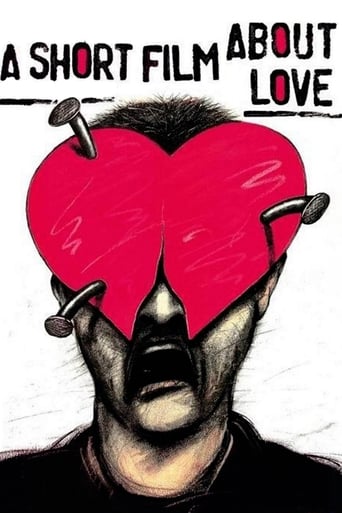
7.819-year-old Tomek whiles away his lonely life by spying on his opposite neighbour Magda through binoculars. She's an artist in her mid-thirties, and appears to have everything - not least a constant stream of men at her beck and call. But when the two finally meet, they discover that they have a lot more in common than appeared at first sight...
A Short Film About Love
1988
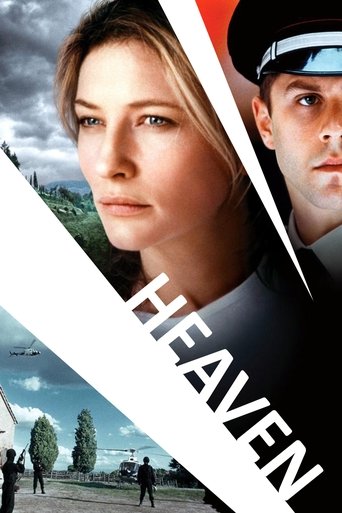 6.5
6.5A woman takes the law into her own hands after police ignore her pleas to arrest the man responsible for her husband's death, and finds herself not only under arrest for murder but falling in love with an officer.
Heaven
2002
Film credits
Behind the camera
7.9Part-time model Valentine unexpectedly befriends a retired judge after she runs over his dog. At first, the grumpy man shows no concern about the dog, and Valentine decides to keep it. But the two form a bond when she returns to his house and catches him listening to his neighbors’ phone calls.
Three Colors: Red
1994
7.4Polish immigrant Karol Karol finds himself out of a marriage, a job and a country when his French wife, Dominique, divorces him after six months due to his impotence. Forced to leave France after losing the business they jointly owned, Karol enlists fellow Polish expatriate Mikołaj to smuggle him back to their homeland.
Three Colors: White
1994
7.6The wife of a famous composer survives a car accident that kills her husband and daughter. Now alone, she shakes off her old identity and explores her newfound freedom but finds that she is unbreakably bound to other humans, including her husband’s mistress, whose existence she never suspected.
Three Colors: Blue
1993
7.5Véronique is a beautiful young French woman who aspires to be a renowned singer; Weronika lives in Poland, has a similar career goal and looks identical to Véronique, though the two are not related. The film follows both women as they contend with the ups and downs of their individual lives, with Véronique embarking on an unusual romance with Alexandre Fabbri, a puppeteer who may be able to help her with her existential issues.
The Double Life of Véronique
1991
7.819-year-old Tomek whiles away his lonely life by spying on his opposite neighbour Magda through binoculars. She's an artist in her mid-thirties, and appears to have everything - not least a constant stream of men at her beck and call. But when the two finally meet, they discover that they have a lot more in common than appeared at first sight...
A Short Film About Love
1988
6.5A woman takes the law into her own hands after police ignore her pleas to arrest the man responsible for her husband's death, and finds herself not only under arrest for murder but falling in love with an officer.
Heaven
2002
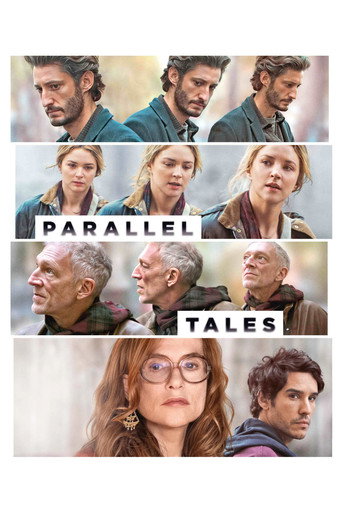 5.7
5.7In search of inspiration for her new novel, Sylvie spies on her neighbors in the building across the street using a telescope. When she hires young Adam to help her with her daily routine, she has no idea that he will turn her life and her work upside down, until the fiction she had imagined surpasses the reality of them all.
Parallel Tales
2026
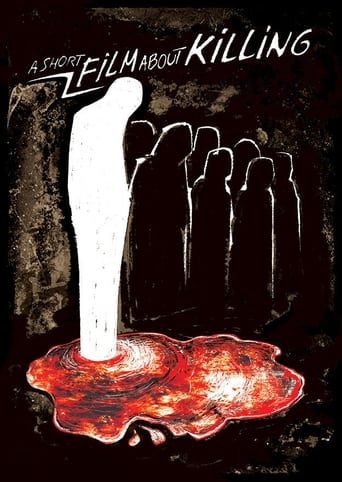 7.6
7.6Jacek climbs into the taxi driven by Waldemar, tells him to drive to a remote location, then brutally strangles him, seemingly without motive.
A Short Film About Killing
1988
 8.0
8.0Jacek, an angry drifter, murders a taxi driver, brutally and without motive. His case is assigned to Piotr, an idealistic young lawyer who is morally opposed to the death penalty, and their interactions take on an emotional honesty that throws into stark relief for Piotr the injustice of killing of any kind.
Decalogue V
1989
 7.1
7.1It’s Christmas Eve, and Ewa has plotted to pass the hours until morning with her former lover Janusz, a family man, by making him believe her husband has gone missing. During this night of recklessness and lies, the pair grapple with choices made when their affair was discovered three years ago, and with the value of their present lives.
Decalogue III
1989
 8.1
8.1Krzysztof, a semantics professor and computer hobbyist, is raising his young son, Paweł, to look to science for answers, while Irena, Paweł’s aunt, lives a life rooted in faith. Over the course of one day, both adults are forced to question their belief systems.
Decalogue I
1989
 7.0
7.01982, Poland. A translator loses her husband and becomes a victim of her own sorrow. She looks to sex, to her son, to law, and to hypnotism when she has nothing else in this time of martial law when Solidarity was banned.
No End
1985
 6.1
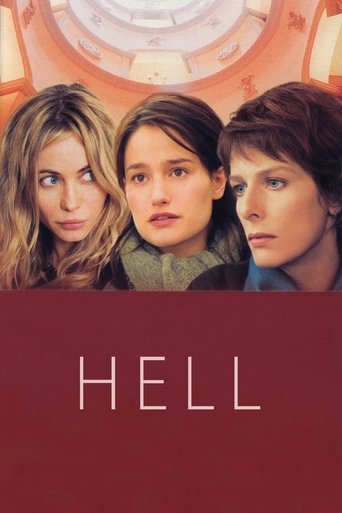
6.1Three sisters who share a connection to a violent childhood incident reunite for the chance to come to terms with their past.
Hell
2005
 7.9
7.9Jerzy and Artur’s father dies, leaving behind a valuable stamp collection, which, they discover, is coveted by dealers of varying degrees of shadiness. The more involved the brothers get in their father’s world, the more dire and comical their situation becomes.
Decalogue X
1989
 7.8
7.8A father and daughter, Michał and Anka, have a unique intimacy, which the college-aged Anka is beginning to feel conflicted about. When she finds an unopened letter from her deceased mother, it seems to justify her attraction to Michał, who may not in fact be her father.
Decalogue IV
1989
 4.0
4.0Anna – the mother of a 16-year-old Adaś, who is dying of cancer, is desperately trying to find Wiktor, an author of an internet blog. Wiktor maintains to have found a cure for cancer. Anna’s night journey through the real and virtual world ends with a shocking discovery. The film is based on the short story 'Płomyk za szybą' [Flame behind the Window] by Marcin Kaczmarek and corresponds to the tenth Commandment: 'You shall not covet your neighbour’s goods'.
Real
2009
 8.0
8.0A teenage postal worker, Tomek, routinely spies on his older neighbor Magda, a sexually liberated artist who lives in the apartment across the courtyard from his. As their private worlds merge, fascination turns to obsession, and the line between love and curiosity becomes violently blurred.
Decalogue VI
1989
 7.3
7.3Dorota Geller, a married woman, faces a dilemma involving her sick husband's prognosis. Her husband's doctor, who believes in God, sweared about it in vain.
Decalogue II
1989
 5.1
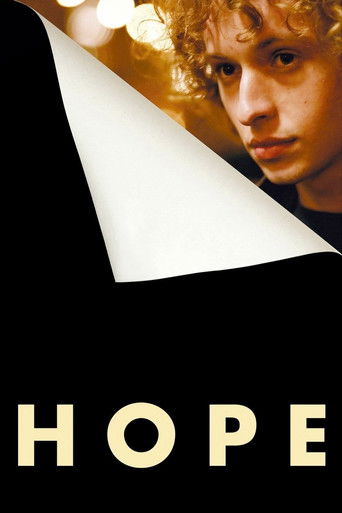
5.1Francis Ratay witnesses the theft of church painting "Angel with violin". The entire incident recorded by an amateur camera. The thief turns out to Benedict Weber, gallery owner and art connoisseur. Francis comes to his gallery. Blackmails him, that will provide police record, unless the image in three days back in place.
Hope
2007
 7.6
7.6Roman and Hanka have a loving marriage, but his impotence has led to her having an affair. The unbearable situation drives Roman to extreme measures both physically and mentally, testing their love and his own will to live.
Decalogue IX
1989
5.5A lonely 17 –year-old Ania (the Newbie) is seeking acceptance in a group of peers playing risky urban games. She pays for her strivings with a loss of faith in values. With nothing to lose, Ania invents a daredevil game, supposed to provoke the group and especially its leader-Czarny, to think. The surprising end of the film gives a new chance to return to normality for its characters. The film is based on the short story 'Moc słowa' [The Power of Word] by Anna Czajka and corresponds to the second Commandment: 'You shall not take the name of the Lord your God in vain'.
The Newbie
2010
 7.3
7.3Zofia, a professor of ethics, is visited by Elżbieta, an American researching the fate of Jews who survived World War II. A daytime classroom conversation turns into a night of confrontation, and Zofia is forced to answer for a decision she made decades ago that directly affected the course of Elżbieta’s life.
Decalogue VIII
1989
 7.5
7.5As a high school student, Majka bore a child, Ania, whom Majka’s mother, Ewa, has been raising as her own. Now that Majka is ready for motherhood, Ewa refuses to let go, leading Majka to kidnap her own daughter, with unexpected emotional consequences.
Decalogue VII
1989
5.0Andrzej (Bartosz Opania), a popular film stunt is a happy husband and father. It appears that the specific work of Andrzej does not disturb his calm family life. So how should be explained the anxiety, which appears in the moment of Andrzej's another risky venture? The film was based on a story by Joanna Kocemba "Rainbow" and refers to the Decalogue First Commandment “You shall have no other gods before me” - as a part of film cycle produced within the project „Dekalog89+”. Leszek Korusiewiecz is one of the ten young directors which has taken the challenge of making new film on the Decalogue Commandment's impact for young generations, due to the project made on 20th anniversary of launching the famous "Decalogue" by Krzysztof Kieślowski.
The Scent of Flowers Does Not Blow Against the Wind
2009
4.019-year-old Janka comes from a catholic family. She lives together with her parents in a small town near the eastern border of Poland. One day she meets an eccentric Russian woman–Sara. The feeling that is awoken as a result of the encounter becomes for Janka both the beginning of sequence of trials and reflections upon her own life. The film corresponds to the Ninth Commandment: “You shall not covet your neighbor’s wife".
Yoko Ono’s Cups
2009
 4.0
4.0After the death of his wife, the father of 16-year-old Wojtek, succumbs to a nervous breakdown and loses touch with reality. The school authorities where Wojtek is a student already know about this problem. If Wojtek’s father doesn’t prove he is able to look after his son, Wojtek will be taken to an orphanage. Wojtek is left with a few hours to master the situation and overcome the problem. The film is based on the short story 'ON' [He] by Joanna Łabuz and corresponds to the fourth Commandment: 'Honour your father and your mother'.
My Poor Head
2010
4.0Kasia (Klaudyna Lewczuk), a student of dance school, lives with her mother (Ewa Kasprzyk) in a large flat. One day her mother rents a room to the lodger – a sports high school student. Kasia and the lodger start to run an original friendship relation – without words and meetings. The film is based on the story by Bogna Hołyńska "Fresh paint" and refers to the Sixth Commandment "You shall not commit adultery." - as a part of film cycle produced within the project „Dekalog 89+”. Marcin Bortkiewicz is one of the ten young directors which has taken the challenge of making new film on the Decalogue Commandment's impact for young generations, due to the project made on 20th anniversary of launching the famous "Decalogue" by Krzysztof Kieślowski.
The Lodger
2009
4.0Episode from the series entitled "Decalogue 89+" inspired by the fifth commandment ‘You shall not murder’. A taxi-driver dies in a car crash caused by a popular TV presenter. Is it the end of his dazzling career? The odds are against it as the media concern that employs him will go to any lengths to salvage their star’s image.
Janusz W. Case
2009
NRMother (Maria Seweryn) and daughter (Michalina Rodak) live alone in a small house on the outskirts of the village. Their close relations get distorted by appearing of a mysterious man. Are women able to defend themselves from mutual jealousy and distrust? The film is based on the story of Aleksandra Duda "Olive" and refers to Eighth Commandment "You shall not bear false witness against your neighbor." – as a part of film cycle produced within the project „Dekalog 89+”. Tomek Matuszczak is one of the ten young directors which has taken the challenge of making new film on the Decalogue Commandment's impact for young generations, due to the project made on 20th anniversary of launching the famous "Decalogue" by Krzysztof Kieślowski.
The Fence
2009
 7.0
7.0Monday 1978. Little Szymon, playing with his friends, becomes the perpetrator of a car accident in which the parents of a little girl, Magda, die. She herself comes out of the catastrophe unscathed. This event has an indelible mark on the boy's psyche. Twenty years pass. Szymon is a railwayman, Magda works at a cosmetics company. She doesn't remember anything about her childhood, and her life passes between work and disco. Her granddaughter Ola is looked after by her grandmother. During one of the crazy games, a young woman meets Szymon. This is not an accidental meeting, because the man - tormented by guilt - has long tried to find out something about her. Magda initially rejects Szymon's courtship. Over time, however, the mysterious admirer begins to fascinate her.
Silence
2001
7.0Adam, a yacht designer, is a workaholic neglecting his family. Now he has to face one of the most important decisions in his life. Does the affection from his childhood, a reminiscence of taking part in the Sea Fishermen Pilgrimage will give him strength to fight for make an order along his private matters?
Overboard
2009
4.0This short deals with the seventh commandment ("You shall not steal") in the new Decalogue. Young graffiti artists steal paints from a shop and, supervised by Tomasz, a 45-year-old graphic artist, start to paint graffiti on the wall. Tomasz is going to through a difficult period in his professional and personal life working under pressure from his employer who wants him to prepare a project that will satify the client. He has to compromise his own beliefs and taste and struggle to meet the deadline. The film was made as part of "Decalogue 89+" series.
Street Feeling
2009