
Directing
Fernando Birri
Born — Died
1925-03-13 — 2017-12-27
Place of birth
Santa Fe, Argentina
Known for
Directing
Credits
62 titles
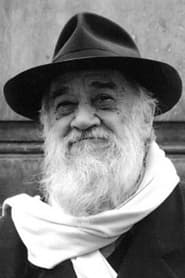
Fernando Birri was an Argentinian filmmaker, poet, painter, teacher and film school founder, and has been a key figure in Latin American cinema.
Known for
 5.4
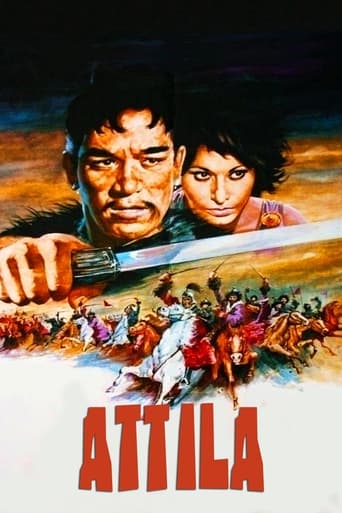
5.4Attila, the leader of the barbarian Huns and called by the Romans "The Scourge of God", sweeps onto the Italian peninsula, defeating all of the armies of Rome, until he and his men reach the gates of the city itself.
Attila
1954
 NR
NRNo synopsis available yet.
Non ho tempo
1977
 7.1
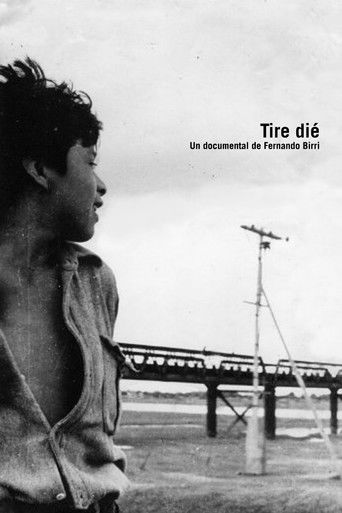
7.1Everyday the children of the neighborhood known as "Tire Dié", in the city of Santa Fe, wait for the train to ask for money, shouting "Tire dié!" (toss me a dime!) to the passengers. Considered the first survey-on-film in Latin America.
Toss Me a Dime
1958
 9.0
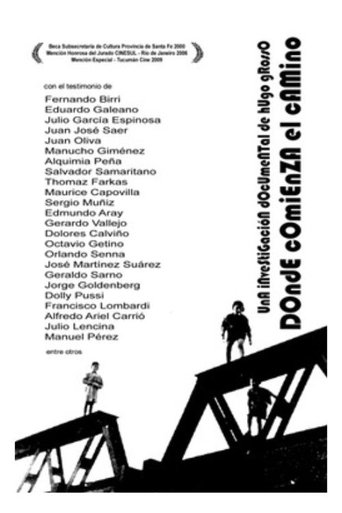
9.0The journey of Fernando Birri, the great father of New Latin American Cinema, has left a mark that begins at the legendary Santa Fe Documentary School and continues to this day. His methods, influences, his founding role, his poetic-political commitment, and his artistic output are some of the milestones that make up his journey.
Donde comienza el camino
2005
 7.4
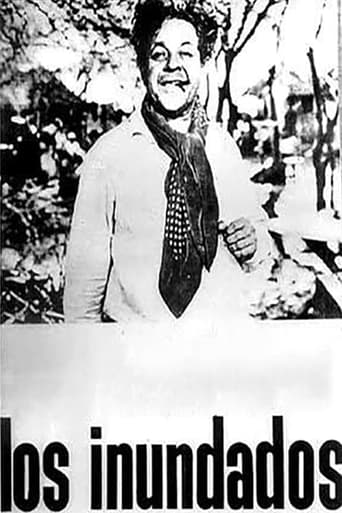
7.4Tells the story of a poor family, inhabitants of the southern province of Santa Fe, who is forced to move into an abandoned railroad until waters recede Salado river wagon.
Flooded Out
1962
 7.0
7.0A mockumentary about three young student filmmakers as they make a movie about an alleged film director living obscurely in a Buenos Aires mental hospital. In their visits to the mental hospital, the three students will forge a very special relationship with the self-styled former film director as they follow different clues and strategies to discover his 'true' identity.
Vanishing Landscapes
2013
Film credits
2010s · 6 titles
7.0A mockumentary about three young student filmmakers as they make a movie about an alleged film director living obscurely in a Buenos Aires mental hospital. In their visits to the mental hospital, the three students will forge a very special relationship with the self-styled former film director as they follow different clues and strategies to discover his 'true' identity.
Vanishing Landscapes
2013
 NR
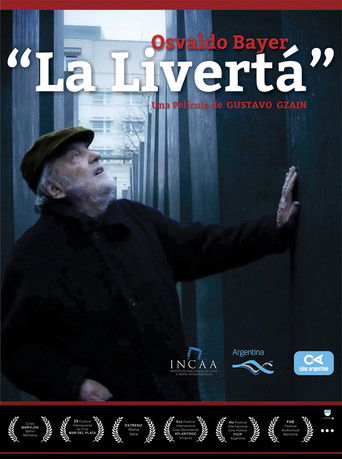
NRThroughout his 87 years, the anarchist historian, journalist and writer Osvaldo Bayer was one of the greatest exponents of a sustained commitment to his liberation struggles, illuminating the past so that the present and future are increasingly emancipatory. But, as this documentary by Gustavo Gzain demonstrates, using the past tense is difficult to describe the peaceful battles of Bayer, who is still an active defender of human rights.
Osvaldo Bayer “La livertá”
2014
 5.5
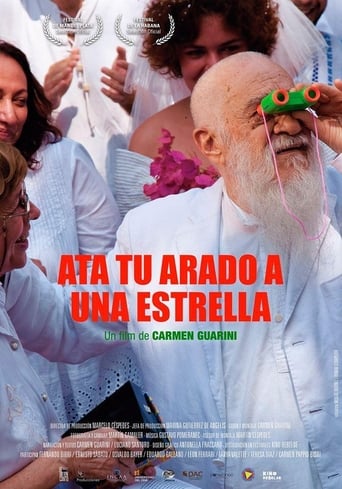
5.5In 1997 the Argentine filmmaker Fernando Birri returned to his home country to film a documentary on the 30th anniversary of the death of Che Guevara and the relevance of utopias at that time. Carmen Guarini decided to record those moments. A rough edit of this film was hidden away on a fragile VHS tape for twenty years. Today, these images come to life and shed some light on the life of this Latin American poet and master filmmaker, who, at the age of 92, still refused to give up on his own utopias.
Tie Your Plow to a Star
2017
Documentary film about Argentinian filmmaker Fernando Birri. An interview: a journey through documentary filmmaking, his childhood, the dawning of New Latin American cinema...
Fernando Birri, el utópico andante
2012
 NR
NRFew people in Argentine and Latin American cinema have been as close as Fernando Birri to stand as a patriarch, pioneer, and spokesman for a committed cinema that tears itself apart in its solidarity with its own surroundings. This ode to the tireless Birri presents him to us in full: teaching, establishing standards, and creating with the tools of his time, turning culture into a form of political affirmation as he grows more and more vital and rooted.
BirriLata, Around by Train
2015
 4.0
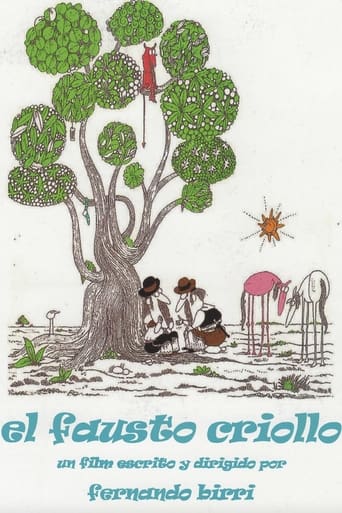
4.0A version of El Estatola del Campo's poetic Faust of the Poet (1886) integrates the major trilogy of Argentine gaucho poetry, is proposed here in a faithful version and integral.
El Fausto Criollo
2011
2000s · 9 titles
9.0The journey of Fernando Birri, the great father of New Latin American Cinema, has left a mark that begins at the legendary Santa Fe Documentary School and continues to this day. His methods, influences, his founding role, his poetic-political commitment, and his artistic output are some of the milestones that make up his journey.
Donde comienza el camino
2005
 NR
NRA documentary on the professional and personal affordances of the influential sound engineer Antoine Bonfanti.
Antoine Bonfanti, sonic traces of an engaged listening
2002
 6.3
6.3Documentary about Brazilian filmmaker Glauber Rocha, one of the most important names in the Cinema Novo, with interviews with some of his friends and colleagues.
Glauber Rocha - The Movie, Brazil's Labyrinth
2003
 9.0
9.0Jorge Giannoni isn't a hero; he's a witness to the darkest part of the history of independent cinema in our country, and of an entire generation; a story that saw him present alongside Raymundo Gleyzer and Glauber Rocha in the turbulent Brazil of the 1960s, during the French May as a producer for RAI, in his work as a face-hunter for Fellini, and in film production from Cuba, making documentaries critical of the Trial; a history riddled with encounters, disagreements, exiles, frustrations, burned negatives, and a few triumphs.
Jorge Giannoni: NN, ese soy yo
2000
 9.0
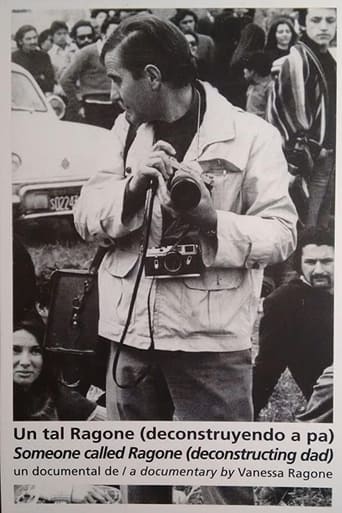
9.0This documentary deconstructs the life of my father, Carlos Ragone, based on his work as a photographer and photojournalist: father and daughter, photographs and audiovisuals, memory and imagination intertwine.
Un tal Ragone: deconstruyendo a Pa
2002
 6.5
6.5The documentary tells the story of journalist Vladimir Herzog, nicknamed Vlado, who has been tortured and murdered during the repression years of Brazilian military dictatorship.
Vlado: Thirty Years Later
2005
A journey through the life and work of artist Ricardo Carpani, his artistic and ideological formation, and the importance of his pictorial output, considered a symbol of the political struggle of the 1950s, 1960s, and 1970s. Once the rise of state terrorism began, Carpani was forced into exile and spent ten years in Europe. During this period, he continued his political commitment, creating works that denounce the horrors experienced in Argentina during those years.
Carpani, vida y obra
2009
 6.5
6.5Documentary about the relationship between filmmaker Glauber Rocha and Cuba.
Rocha Que Voa
2002
No synopsis available yet.
Amizade
2009
1990s · 3 titles
 5.5
5.5What goes through someone's mind 13 seconds before they die? A town lost in the year 40. Different characters in their common actions. Two men lying in the street, one dead, the other playing dead. Between reality and the delusions of his mind we travel through his last thirteen seconds of life.
Historias Breves II: Trece Segundos
1996
 6.0
6.0No synopsis available yet.
Historias Breves 2
1997
Testimonies about the life and work of writer and journalist Osvaldo Soriano.
Soriano
1999
1980s · 4 titles
 7.0
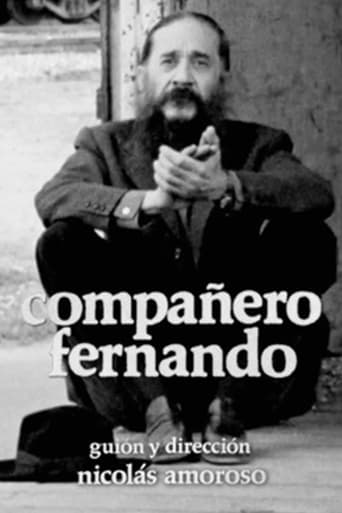
7.0This documentary is a portrait made in Mexico by a group of Argentine exiles, directed by the painter Nicolás Amoroso.
Compañero Fernando
1981
 NR
NRDocumentary in four parts on Latin American cinema. Second episode, evoking the border between fiction and documentary. With his film Tire dié (1960), the Argentinian Fernando Birri proposed this manifesto: to create a realistic and critical national cinema, closer to society without falling into populism.
Claves, 2: We will return younger
1984
 5.3
5.3An elderly man with wings is blown off course during a tropical storm in this symbolic fantasy. The Old Man lands near a Caribbean island where a poor family gives him shelter in a chicken coop. Father Gonzaga is the skeptical priest who rushes to damn the creature. Soon the Old Man is the subject of curiosity seekers as Elisinda and Pelayo start charging admission. A traveling carnival of human oddities camps near the Old Man as people flock to see the show. The Old Man is reduced to being an unwanted pet, and after six years, he mends his wings and flies away. Nudity, simulated sex with a spider woman, and the ugliness of human exploitation definitely put this fantasy in a category not for children.
A Very Old Man with Enormous Wings
1988
 4.6
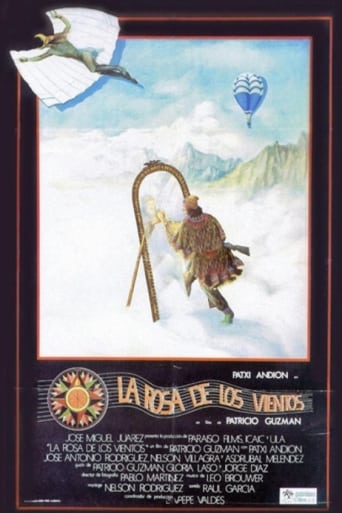
4.6Exiled Chilean director Patricio Guzmán filmed in Cuba and in Venezuela to create this controversial statement on the creation and survival of Latin American culture from the late-15th century to the present. For some viewers, the film will be superficially symbolic and rhetorical, for others, it will be a strong and personal vision of several centuries of history.
The Compass Rose
1983
1960s · 2 titles
 NR
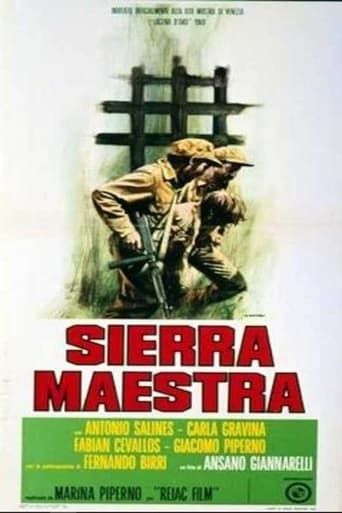
NRAn Italian journalist is arrested in Venezuela by the military, accused of being a revolutionary. The journalist, interviewed by the press, says he has no connection with the guerrilla organizations and is thrown into jail and subjected to psychological and physical violence.
Sierra Maestra
1969
 6.7
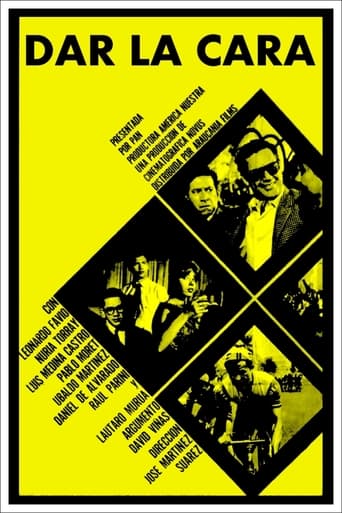
6.7Three boys from very different backgrounds who have just finished their military service must face the complex social reality of Argentina.
Dar la cara
1962
1950s · 4 titles
5.4Attila, the leader of the barbarian Huns and called by the Romans "The Scourge of God", sweeps onto the Italian peninsula, defeating all of the armies of Rome, until he and his men reach the gates of the city itself.
Attila
1954
 6.1
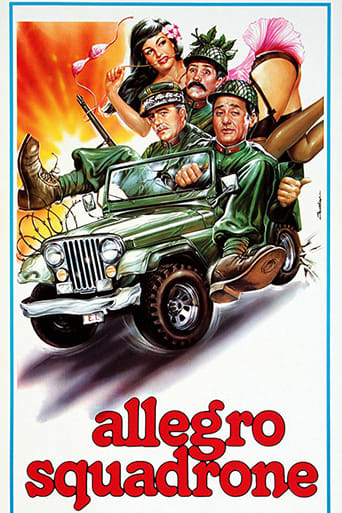
6.1The Cheerful Squadron is a 1954 Italian war-comedy film directed by Paolo Moffa and Interpreted by movie stars like Paolo Stoppa, Vittorio De Sica, Alberto Sordi and Silvana Pampanini. Based on the military environment novel The Allegro Squadron by Georges Courteline (1886), this film presents a series of sketches on military life in the late nineteenth century.
The Cheerful Squadron
1954
 8.0
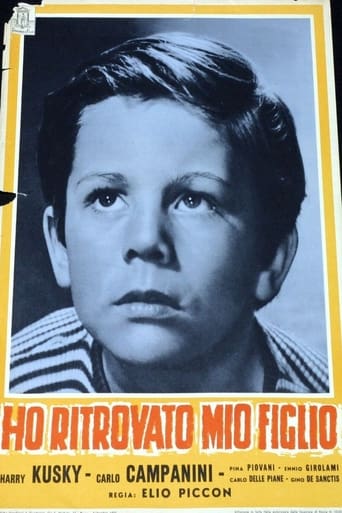
8.0A young boy, about to take his first communion, must wrestle with his familial loyalty and his conscience when there is a fire at their local cinema where his brother works and it is clear that he is involved in the theft of the projector. Determined to right the wrong done by his sibling, he attempts to make amends.
Ho ritrovato mio figlio
1954
 7.0
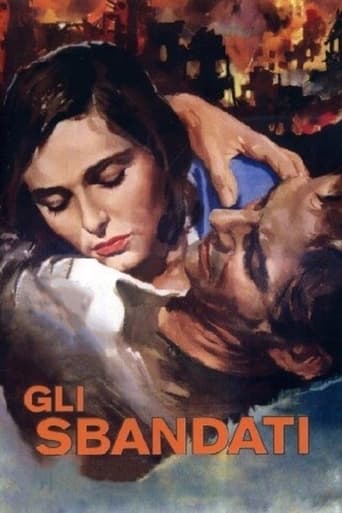
7.0A group of rich young intellectuals hiding from the war in rural Italy play at being partisans when some disbanded soldiers and some refugees ask them for shelter in their villa. The young and aristocratic Andrea strikes up a friendship with a peasant girl, Lucia. Then the Germans suddenly appear, looking for the real partisans, and the time comes for serious decisions.
Abandoned
1955
Series credits
Behind the camera
7.1Everyday the children of the neighborhood known as "Tire Dié", in the city of Santa Fe, wait for the train to ask for money, shouting "Tire dié!" (toss me a dime!) to the passengers. Considered the first survey-on-film in Latin America.
Toss Me a Dime
1958
7.1Everyday the children of the neighborhood known as "Tire Dié", in the city of Santa Fe, wait for the train to ask for money, shouting "Tire dié!" (toss me a dime!) to the passengers. Considered the first survey-on-film in Latin America.
Toss Me a Dime
1958
7.4Tells the story of a poor family, inhabitants of the southern province of Santa Fe, who is forced to move into an abandoned railroad until waters recede Salado river wagon.
Flooded Out
1962
7.4Tells the story of a poor family, inhabitants of the southern province of Santa Fe, who is forced to move into an abandoned railroad until waters recede Salado river wagon.
Flooded Out
1962
 6.5
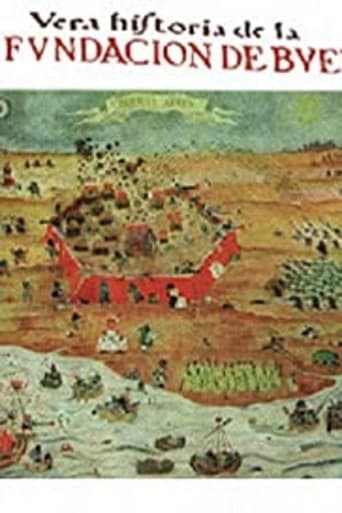
6.5In 1956, the humorous designer Oski made a work about the foundation of the city of Buenos Aires. Fernando Birri made a film from this work in 1959, using the original text of the German explorer Ulrich Schmidel. This film, which disappeared in the years of the dictatorship, was miraculously restored on video in 2000. The story that the documentary describes can be compared with the situation of Latin American cinema throughout all these years.
The First Foundation of Buenos Aires
1959
6.5In 1956, the humorous designer Oski made a work about the foundation of the city of Buenos Aires. Fernando Birri made a film from this work in 1959, using the original text of the German explorer Ulrich Schmidel. This film, which disappeared in the years of the dictatorship, was miraculously restored on video in 2000. The story that the documentary describes can be compared with the situation of Latin American cinema throughout all these years.
The First Foundation of Buenos Aires
1959
7.0This documentary is a portrait made in Mexico by a group of Argentine exiles, directed by the painter Nicolás Amoroso.
Compañero Fernando
1981
 5.1
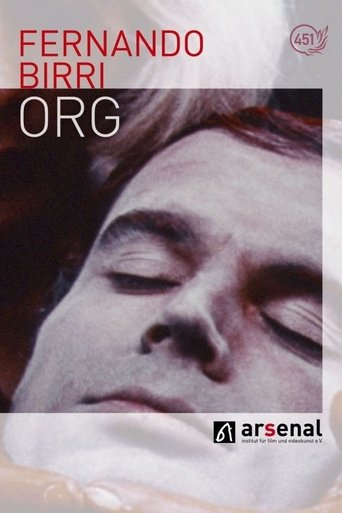
5.1Explores the complex relationship between the spirit, body, and mind. The film is a nightmare with closed eyes because it counts among the most terrible moments of my life, my second exile, which lasted a very long time. Inspired by an ancient Hindu legend.
ORG
1979
5.1Explores the complex relationship between the spirit, body, and mind. The film is a nightmare with closed eyes because it counts among the most terrible moments of my life, my second exile, which lasted a very long time. Inspired by an ancient Hindu legend.
ORG
1979
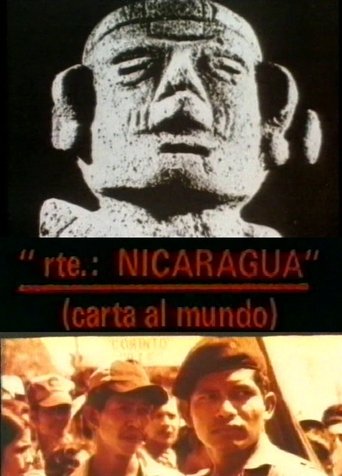 6.5
6.5No synopsis available yet.
Rte.: Nicaragua (Carta al mundo)
1984
NRAn Italian journalist is arrested in Venezuela by the military, accused of being a revolutionary. The journalist, interviewed by the press, says he has no connection with the guerrilla organizations and is thrown into jail and subjected to psychological and physical violence.
Sierra Maestra
1969
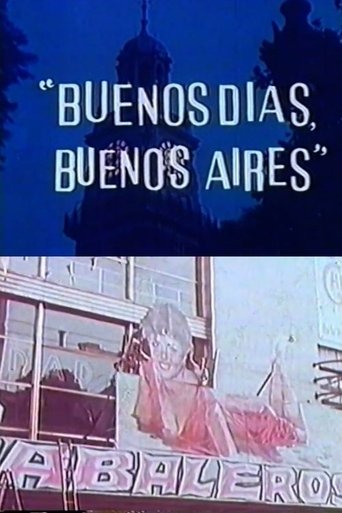 NR
NRDocumentary that registers the awakening of the city and its daily early movement.
Buenos días, Buenos Aires
1966
NRDocumentary that registers the awakening of the city and its daily early movement.
Buenos días, Buenos Aires
1966
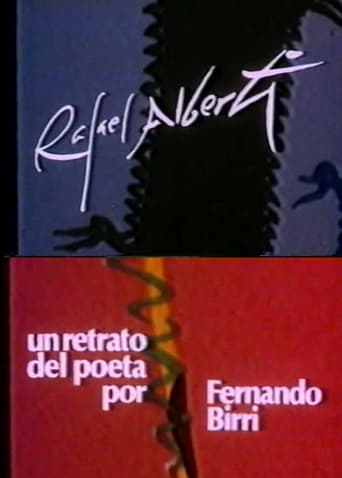 10.0
10.0No synopsis available yet.
Rafael Alberti: A Portrait of the Poet
1984
5.3An elderly man with wings is blown off course during a tropical storm in this symbolic fantasy. The Old Man lands near a Caribbean island where a poor family gives him shelter in a chicken coop. Father Gonzaga is the skeptical priest who rushes to damn the creature. Soon the Old Man is the subject of curiosity seekers as Elisinda and Pelayo start charging admission. A traveling carnival of human oddities camps near the Old Man as people flock to see the show. The Old Man is reduced to being an unwanted pet, and after six years, he mends his wings and flies away. Nudity, simulated sex with a spider woman, and the ugliness of human exploitation definitely put this fantasy in a category not for children.
A Very Old Man with Enormous Wings
1988
5.3An elderly man with wings is blown off course during a tropical storm in this symbolic fantasy. The Old Man lands near a Caribbean island where a poor family gives him shelter in a chicken coop. Father Gonzaga is the skeptical priest who rushes to damn the creature. Soon the Old Man is the subject of curiosity seekers as Elisinda and Pelayo start charging admission. A traveling carnival of human oddities camps near the Old Man as people flock to see the show. The Old Man is reduced to being an unwanted pet, and after six years, he mends his wings and flies away. Nudity, simulated sex with a spider woman, and the ugliness of human exploitation definitely put this fantasy in a category not for children.
A Very Old Man with Enormous Wings
1988
4.0A version of El Estatola del Campo's poetic Faust of the Poet (1886) integrates the major trilogy of Argentine gaucho poetry, is proposed here in a faithful version and integral.
El Fausto Criollo
2011
4.0A version of El Estatola del Campo's poetic Faust of the Poet (1886) integrates the major trilogy of Argentine gaucho poetry, is proposed here in a faithful version and integral.
El Fausto Criollo
2011
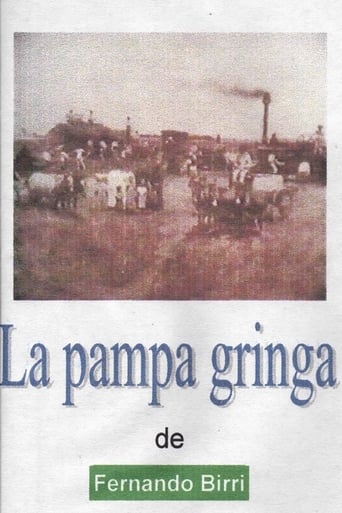 8.0
8.0“My life was the same as that of thousands of gringos: I plowed and sowed the land, and went to the bar on Sunday.” Such is the refrain throughout LA PAMPA GRINGA, which endeavors to relate the sense of community built by the European settlers who in 1865 first colonized the town of Esperanza, located in Birri’s native province of Santa Fe. Largely consisting of juxtaposed daguerreotypes from the period and newspaper printings, LA PAMPA GRINGA exhibits Birri’s ability to weave narratives out of historical documentation in deft, admirable form.
La Pampa Gringa
1963
8.0“My life was the same as that of thousands of gringos: I plowed and sowed the land, and went to the bar on Sunday.” Such is the refrain throughout LA PAMPA GRINGA, which endeavors to relate the sense of community built by the European settlers who in 1865 first colonized the town of Esperanza, located in Birri’s native province of Santa Fe. Largely consisting of juxtaposed daguerreotypes from the period and newspaper printings, LA PAMPA GRINGA exhibits Birri’s ability to weave narratives out of historical documentation in deft, admirable form.
La Pampa Gringa
1963
 6.6
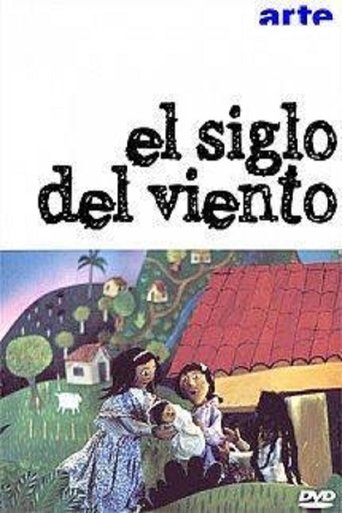
6.6Narrated [not only] with puppets, a dramatic vision of Latin America throughout the 20th century with its constant ferment of dictatorships, hunger, corruption, civil wars, heroic episodes and spilled blood.
Century of the Wind
1999
6.6Narrated [not only] with puppets, a dramatic vision of Latin America throughout the 20th century with its constant ferment of dictatorships, hunger, corruption, civil wars, heroic episodes and spilled blood.
Century of the Wind
1999
 7.0
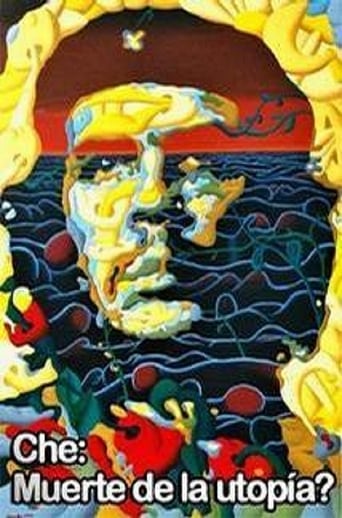
7.0What does Che Guevara"s mythic presence represent to people at the turn of the century, and how do people define their concept of utopia?
Che: muerte de la utopia?
1999
 5.8
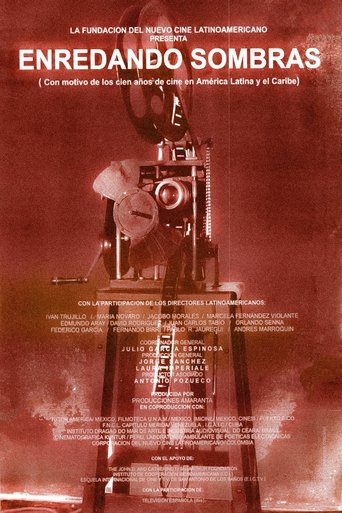
5.8Documentary that celebrates 100 years of cinema in Latin America and talks about the origins and the development of cinema in this subcontinent. Its structure is based in 12 short films directed by various Latin American directors. These are: 1) "Los inicios", Iván Trujillo 2) "Cuando comenzamos a hablar", María Novaro 3) "Jugando en serio", Jacobo Morales 4) "De cuerpo presente [Las espirales perpetuas del placer y el poder] Cine Mexicano [1931- 1997]", Marcela Fernández Violante 5) "Cuando quisimos ser adultos", Edmundo Aray and David Rodríguez 6) "Cinema Novo", Orlando Senna 7) "Memorias de una isla, Juan Carlos Tabío 8) "Un grito, 24 cuadros por segundo", Julio García-Espinosa 9) "El día de la independencia", Federico García 10) "¿Sólo las formas permanecen?", Fernando Birri and Pablo Rodríguez Gauregui 11) "Todo final es un principio", Andrés Marriquín.
Entangling Shadows
1998
 6.0
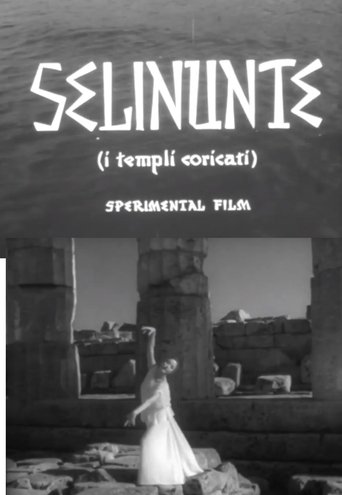
6.0SELINUNTE marks Birri’s first cinematic effort, made during his years studying at the Centro Sperimentale di Cinematografia di Roma.
Selinunte, i templi addormentati
1951
Short documentary drawing parallels between the Sicilian people and their history of profane visual representation.
Immagini Popolari Siciliane Profane
1954
Short documentary drawing parallels between the Sicilian people and their history of sacred visual representation.
Immagini Popolari Siciliane Sacri
1954
 7.0
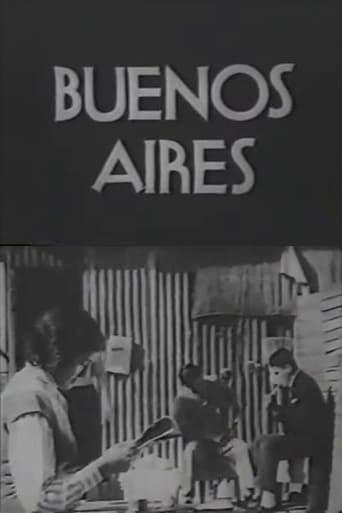
7.0Film made up of five short documentaries about the city of Buenos Aires made between 1958 and 1964: Good morning, Buenos Aires, The Anonymous, The First Foundation of Buenos Aires, Buenos Aires and Buenos Aires in a T-shirt.
Che, Buenos Aires
1966
 8.0
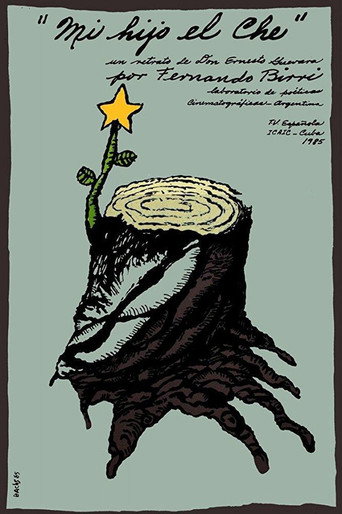
8.0A portrait of Ernesto "Che" Guevara's family.
Mi hijo el Che
1985
8.0A portrait of Ernesto "Che" Guevara's family.
Mi hijo el Che
1985
Equal parts philosophical treatise and artist’s portrait, this short follows the thoughts and methods of Argentine artist Juan Carlos Castagnino, whose commitment to utopian thinking and radicalism mirror Birri’s own. “Living up to date is living one day in advance”, says the painter, as Birri will go on to pair Castagnino with both the Beatles and Argentine folk songs, cluing one in to his notion of keeping ties to the cultural and the radical present. - Spectacle Theater
Castagnino Diario Romano
1967