

Directing
Raymond Red
Known for
Directing
Credits
29 titles
Raymond Red is a pioneer of modern Filipino independent and alternative cinema. Emerging from the tumult of the 1970s and from a generation coming of age during Martial Law in the Philippines, Red began making numerous experimental and narrative super-8mm and 16mm short films in the 1980s.
Known for
 NR
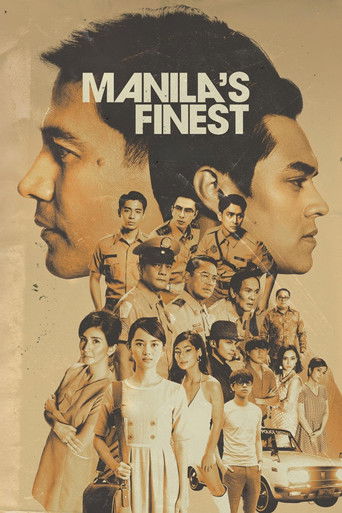
NRSet during the first quarter storm in the 1970s, policemen Homer, Conrad, and Billy are consumed by the murder case of troublemaking teenagers in the slums.
Manila's Finest
2025
 9.0
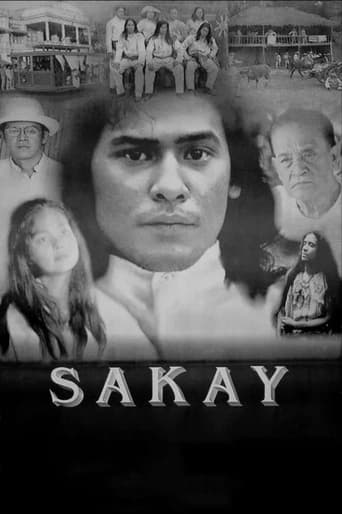
9.0The film covers the life of Filipino patriot and hero Macario Sakay, who was declared an outlaw and a criminal for continuing hostilities against the United States after the "official" end of the Philippine Insurrection.
Sakay
1993
The film’s concept adheres to formalist cinema, where the filmmaker’s thesis is to make a semblance of a vintage film seemingly produced sometime in the late 1920s to early 1930s in the Philippines. The thesis is to conjure up a film from a period that did not really exist in Philippine cinema’s historical cultural heritage as we know it, such as a pseudo-expressionist / experimental Filipino cinema of the silent film era. It is a film within a film. The narrative plays with the idea of a retro-futurist world where a prisoner locked away in a dark chamber for over two decades only sees the reality of the world outside through the small hole in his cell, which projects an image of the city on his wall, the phenomenon of the “camera obscura”.
Kamera Obskura
2012
 NR
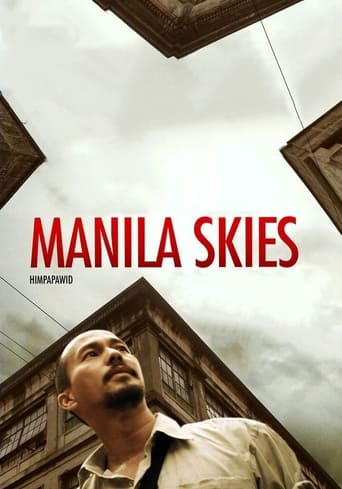
NRInspired by a true news account, this is the astounding story of a lone deranged hijacker who has struggled to survive in the chaos of modern Philippine society.
Manila Skies
2009
 NR
NRWith interviews with National Artists Lamberto Avellana and Lino Brocka and myriad talents from the Mowelfund community such as Nick Deocampo and Raymond Red, Beyond Mainstream documents the robust energy of nascent independent filmmaking in the country in the 80s. Based on Nick Deocampo's first book Short Film: The Emergence of a New Philippine Cinema (1985), it features the first Independent Film and Video Festival held in the Wave Cinema in Cubao, Quezon City, the first video theater in the country.
Beyond the Mainstream: A Salute to Philippine Independent Cinema
1986
 NR
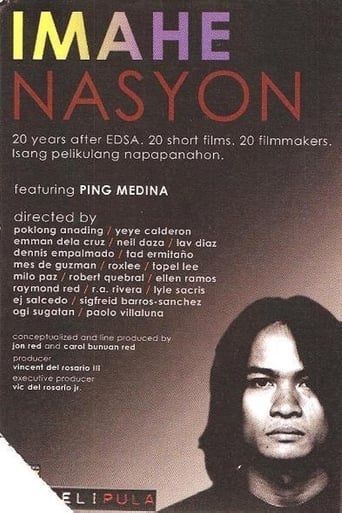
NRImahe Nasyon is a groundbreaking, conceptual omnibus film by 20 alternative filmmakers who were tasked to present their personal visions on national issues. Renowned line producers Jon and Carol Red hatched the idea of revisiting the 1986 EDSA revolution, challenging directors to answer the question "What happened after 1986?" with a short film not longer than five minutes each. Despite individual techniques, the same goal is shared: to depict a truthful image of the nation at present.
Image Nation
2006
Film credits
2010s · 2 titles
Documentary about the history of Philippine cinema.
Return to Manila: Filipino Cinema
2010
The documentary serves as a tribute to National Artist for Cinema Gerardo de Leon in celebration of his Centennial Year. “Salamat sa Alaala.” is inspired by the music composed by the late film director when he was a teenager playing background music for silent movies in Manila theatres. The video opens up with a capsulated history of the birth of the Filipino movies followed by a series of shots of veteran actresses, the academe and the young generation of filmmakers affirming his unique qualities as a world-class film figure. Then we unravel his private life as a family man. The documentary is one way of thanking him for his lasting legacy in the art form he left behind.
Salamat sa Alaala
2015
1980s · 2 titles
NRWith interviews with National Artists Lamberto Avellana and Lino Brocka and myriad talents from the Mowelfund community such as Nick Deocampo and Raymond Red, Beyond Mainstream documents the robust energy of nascent independent filmmaking in the country in the 80s. Based on Nick Deocampo's first book Short Film: The Emergence of a New Philippine Cinema (1985), it features the first Independent Film and Video Festival held in the Wave Cinema in Cubao, Quezon City, the first video theater in the country.
Beyond the Mainstream: A Salute to Philippine Independent Cinema
1986
 NR
NRDirected by Raymond Red.
Film
1985
Behind the camera
NRSet during the first quarter storm in the 1970s, policemen Homer, Conrad, and Billy are consumed by the murder case of troublemaking teenagers in the slums.
Manila's Finest
2025
9.0The film covers the life of Filipino patriot and hero Macario Sakay, who was declared an outlaw and a criminal for continuing hostilities against the United States after the "official" end of the Philippine Insurrection.
Sakay
1993
9.0The film covers the life of Filipino patriot and hero Macario Sakay, who was declared an outlaw and a criminal for continuing hostilities against the United States after the "official" end of the Philippine Insurrection.
Sakay
1993
The film’s concept adheres to formalist cinema, where the filmmaker’s thesis is to make a semblance of a vintage film seemingly produced sometime in the late 1920s to early 1930s in the Philippines. The thesis is to conjure up a film from a period that did not really exist in Philippine cinema’s historical cultural heritage as we know it, such as a pseudo-expressionist / experimental Filipino cinema of the silent film era. It is a film within a film. The narrative plays with the idea of a retro-futurist world where a prisoner locked away in a dark chamber for over two decades only sees the reality of the world outside through the small hole in his cell, which projects an image of the city on his wall, the phenomenon of the “camera obscura”.
Kamera Obskura
2012
The film’s concept adheres to formalist cinema, where the filmmaker’s thesis is to make a semblance of a vintage film seemingly produced sometime in the late 1920s to early 1930s in the Philippines. The thesis is to conjure up a film from a period that did not really exist in Philippine cinema’s historical cultural heritage as we know it, such as a pseudo-expressionist / experimental Filipino cinema of the silent film era. It is a film within a film. The narrative plays with the idea of a retro-futurist world where a prisoner locked away in a dark chamber for over two decades only sees the reality of the world outside through the small hole in his cell, which projects an image of the city on his wall, the phenomenon of the “camera obscura”.
Kamera Obskura
2012
NRInspired by a true news account, this is the astounding story of a lone deranged hijacker who has struggled to survive in the chaos of modern Philippine society.
Manila Skies
2009
NRInspired by a true news account, this is the astounding story of a lone deranged hijacker who has struggled to survive in the chaos of modern Philippine society.
Manila Skies
2009
NRImahe Nasyon is a groundbreaking, conceptual omnibus film by 20 alternative filmmakers who were tasked to present their personal visions on national issues. Renowned line producers Jon and Carol Red hatched the idea of revisiting the 1986 EDSA revolution, challenging directors to answer the question "What happened after 1986?" with a short film not longer than five minutes each. Despite individual techniques, the same goal is shared: to depict a truthful image of the nation at present.
Image Nation
2006
NRImahe Nasyon is a groundbreaking, conceptual omnibus film by 20 alternative filmmakers who were tasked to present their personal visions on national issues. Renowned line producers Jon and Carol Red hatched the idea of revisiting the 1986 EDSA revolution, challenging directors to answer the question "What happened after 1986?" with a short film not longer than five minutes each. Despite individual techniques, the same goal is shared: to depict a truthful image of the nation at present.
Image Nation
2006
 6.9
6.9In Manila, a solitary man from a far-away province lives in poverty. The only thing he has is a camera, and he stays at churches hoping people will hire him to take their photographs. During one day, he has three encounters that change his life: the first, with a smooth-talking young man who's standing by the church door who berates him for wasting his life in church, the second with a boy who offers to take his picture, and the third with a Mercedes-driving man who's been stuck in traffic and has no patience left. Is there any deliverance from the soullessness of the city?
Shadows
2000
6.9In Manila, a solitary man from a far-away province lives in poverty. The only thing he has is a camera, and he stays at churches hoping people will hire him to take their photographs. During one day, he has three encounters that change his life: the first, with a smooth-talking young man who's standing by the church door who berates him for wasting his life in church, the second with a boy who offers to take his picture, and the third with a Mercedes-driving man who's been stuck in traffic and has no patience left. Is there any deliverance from the soullessness of the city?
Shadows
2000
6.9In Manila, a solitary man from a far-away province lives in poverty. The only thing he has is a camera, and he stays at churches hoping people will hire him to take their photographs. During one day, he has three encounters that change his life: the first, with a smooth-talking young man who's standing by the church door who berates him for wasting his life in church, the second with a boy who offers to take his picture, and the third with a Mercedes-driving man who's been stuck in traffic and has no patience left. Is there any deliverance from the soullessness of the city?
Shadows
2000
 NR
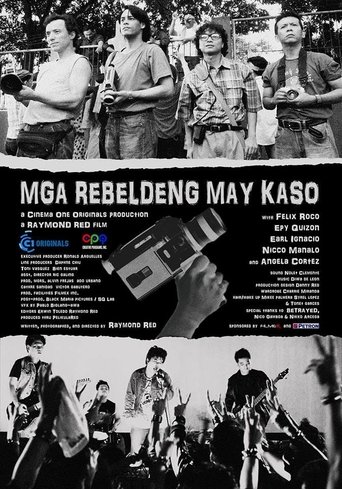
NRMga Rebeldeng May Kaso is about the aftermath of the so-called People Power Revolution of 1986, spawning a group of young dreamers bewildered, wonder, and wandering, discovering the fire of youth, the loss of innocence, the journey into the core of one’s being, immersing themselves in a brewing new alternative culture and a little known and lowly regarded revolution of sorts the emergence of a new underground, independent and alternative cinema.
Mga Rebeldeng May Kaso
2015
NRMga Rebeldeng May Kaso is about the aftermath of the so-called People Power Revolution of 1986, spawning a group of young dreamers bewildered, wonder, and wandering, discovering the fire of youth, the loss of innocence, the journey into the core of one’s being, immersing themselves in a brewing new alternative culture and a little known and lowly regarded revolution of sorts the emergence of a new underground, independent and alternative cinema.
Mga Rebeldeng May Kaso
2015
 9.0
9.0A music student rents a room in a boarding house hoping he could have the peace and quiet he needs to compose. He is unaware that other strange personages lurk in the other rooms in the mysterious house. Eerie silence alternate with disturbing noises. Echoes of coughing and moaning by an unknown someone intrude. Amidst such arcane setting, the principal character is entangled in a web of deceit, betrayal and crime.
Kamada
1997
 6.5
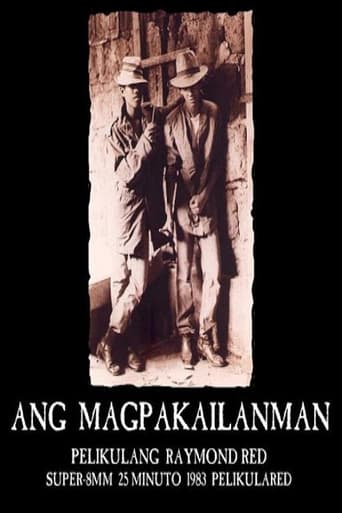
6.5Golden Palm winner Raymond Red's masterpiece, about the surreal and at times nightmarish adventures of a young man.
Eternity
1982
6.5Golden Palm winner Raymond Red's masterpiece, about the surreal and at times nightmarish adventures of a young man.
Eternity
1982
Short film by Raymond Red.
Pepe
1989
 9.0
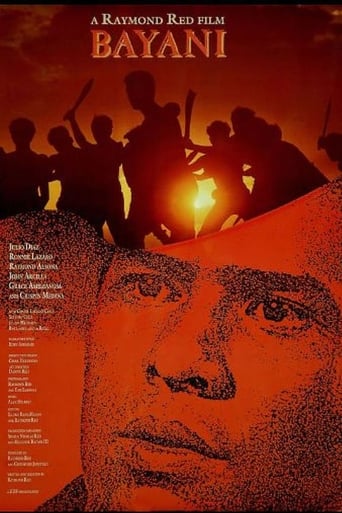
9.0Independent filmmaker Raymond Red's first crossover to full-length feature is a highly visual chronicle of the rise and fall of revolutionary hero Andres Bonifacio. Noted for its heavy stylistics and painstaking attention to filmic detail, the biopic also tackles the momentous events surrounding the Philippine struggle against Spanish colonialism. The historical epic is a most fitting cinematic memorial to the centenary of Philippine independence.
Heroes
1992
9.0Independent filmmaker Raymond Red's first crossover to full-length feature is a highly visual chronicle of the rise and fall of revolutionary hero Andres Bonifacio. Noted for its heavy stylistics and painstaking attention to filmic detail, the biopic also tackles the momentous events surrounding the Philippine struggle against Spanish colonialism. The historical epic is a most fitting cinematic memorial to the centenary of Philippine independence.
Heroes
1992
 9.0
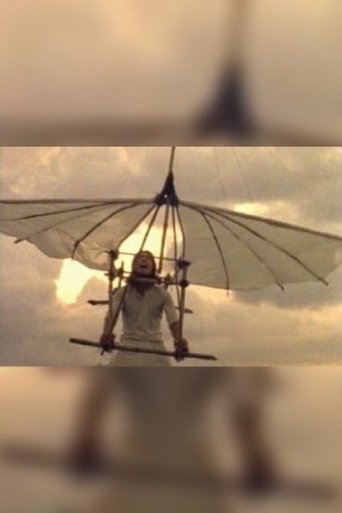
9.0A man attempts to build a flying machine, to soar above the world.
A Study for 'The Skies'
1988
NRDirected by Raymond Red.
Film
1985
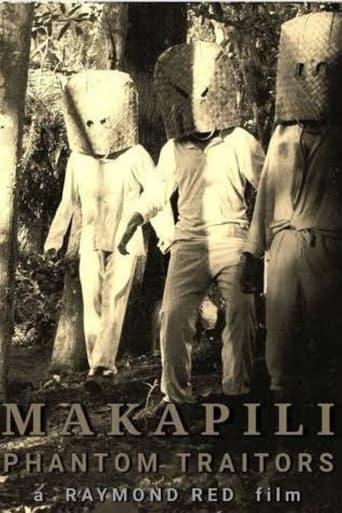 NR
NRA study by Raymond Red for his film Makapili (Phantom Traitors). Shot on Super 8mm.
Makapili
1989
A vignette about a sleeper and an insomniac.
The Yawn
1984
 NR
NR'Enemy' is elegaic science-fiction: a fable about the young men trained as Guardians of the Stars and their failure to ward off an unknon 'enemy' who manifests himself as white light.
Enemy
1983